
Studio Ghibli’s iconic animated film 「My Neighbor Totoro」 is widely loved around the world as an idyllic fantasy depicting the beautiful nature of Japan in the Showa 30s and the bond between two innocent sisters. With its nostalgic rural scenery, a mild climate where the sun seems to be smiling, and a giant, fluffy creature that appears to be the very embodiment of vitality, the film has functioned as a perfect nostalgic medium, creating an “imaginary homeland” that the Japanese people have lost sight of amid modernization.
However, just behind this screen of almost too-perfect nostalgia lies “another story” that has been passed down with surprising tenacity alongside the spread of the internet.
“Satsuki and Mei die partway through the story, and Totoro is the Grim Reaper who carries them off to the afterlife.”
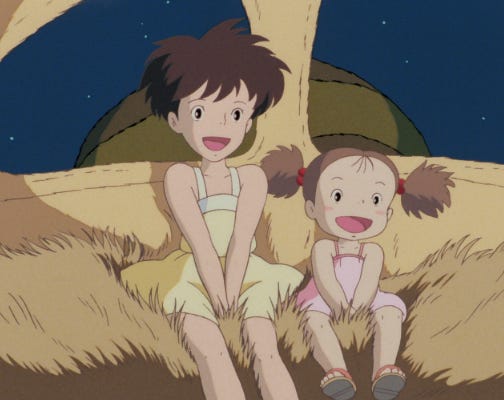
This grim urban legend, commonly known as the “Grim Reaper Theory” or “Death Theory,” is far too elaborate to be dismissed as merely the tasteless delusion of occult enthusiasts—and it has a way of gripping people’s imaginations that simply won’t let go. Despite the fact that Studio Ghibli’s public relations department and director Hayao Miyazaki himself have officially and completely denied this theory, every time the film is rebroadcast on television, social media and anonymous message boards become eerily abuzz with speculation about this “dark side of Ghibli.”
Why do we feel such a strong urge to see the “shadow of death” in 「My Neighbor Totoro」? Why do we feel compelled to overlay a gruesome tragedy onto the surface of a happy ending? Hidden beneath this phenomenon—which cannot be explained simply as the “spread of rumors”—lie fundamental human psychology and the “essential fear” inherent in the work itself.
Comments
Nothing yet. Say the first thing.
Sign in to join the conversation.