
Most shower budgets go to the wrong place. People spend on marble and then install it with thick grout lines and a caddy hanging off the wall. The marble doesn’t matter at that point. The decisions around it have already answered the question.
Here are the seven that do.
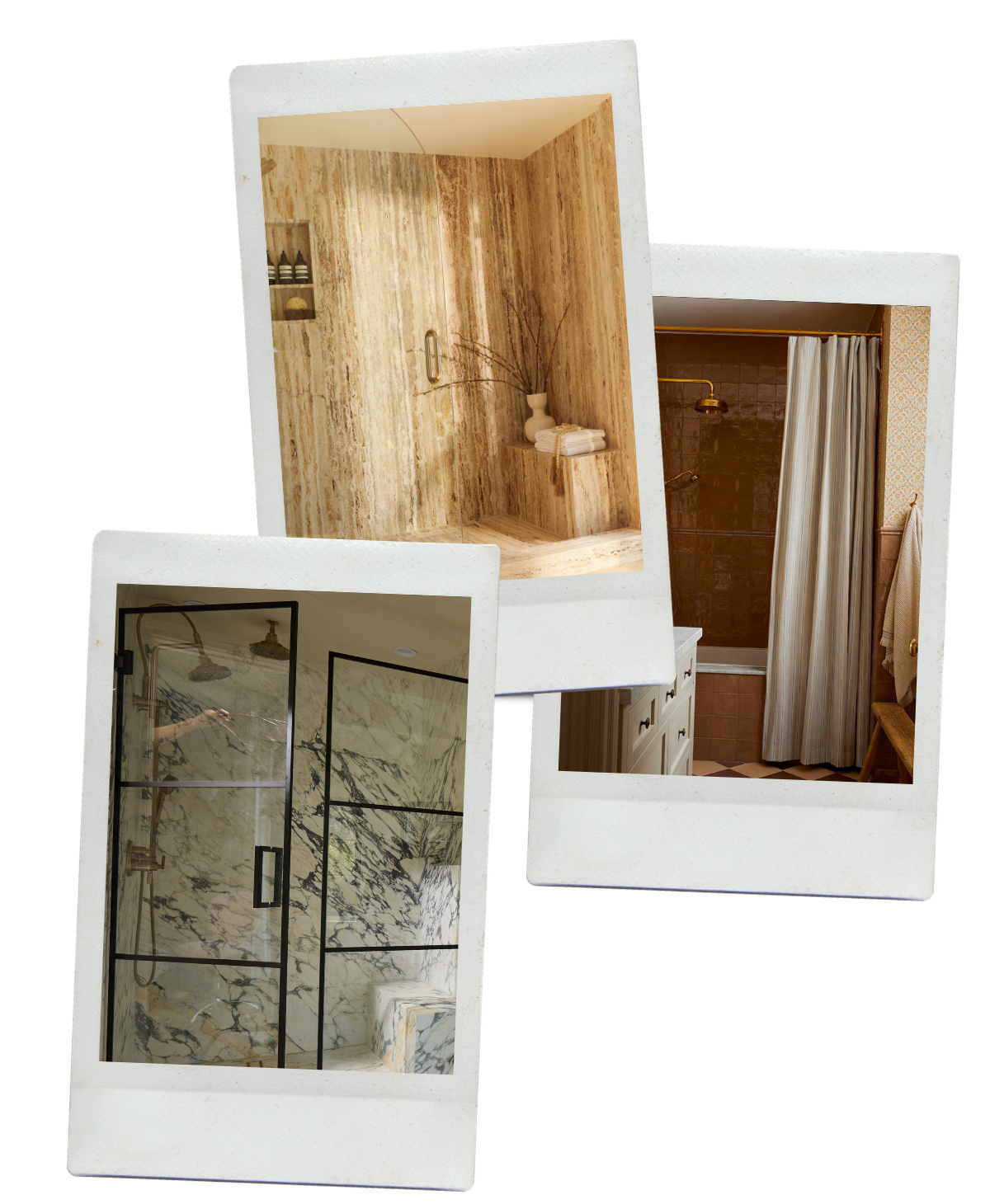
1. A glass enclosure that commits to something.
Frameless glass at 8-10mm with minimal hardware reads as permanent. A steel-framed or Crittall-style enclosure with a grid of black or bronze profiles is the other intentional answer — it makes the enclosure a feature rather than a boundary. What doesn’t work is the thin aluminum frame with visible plastic edging and a flimsy door. The choice is between frameless, steel-framed, or floor-to-ceiling curtains. Everything else reads as a default.
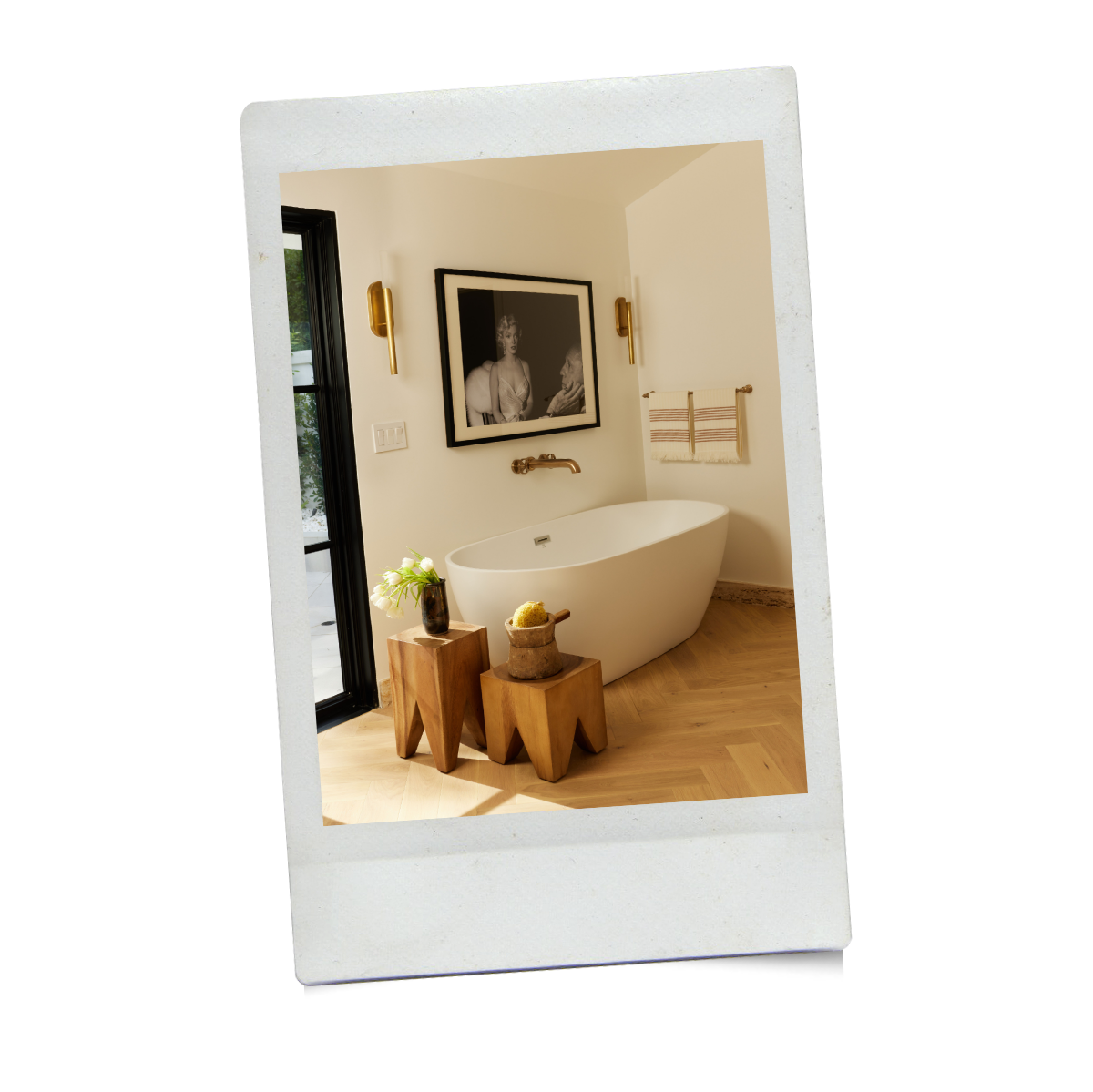
2. Hardware bought by spec, not by photo
Solid brass and solid nickel have weight and temperature. Plastic-core fittings with a metal coating look fine in product images and feel wrong the moment you touch them. Designers buy by material spec. Homeowners buy by finish and notice the difference for the next twenty years.
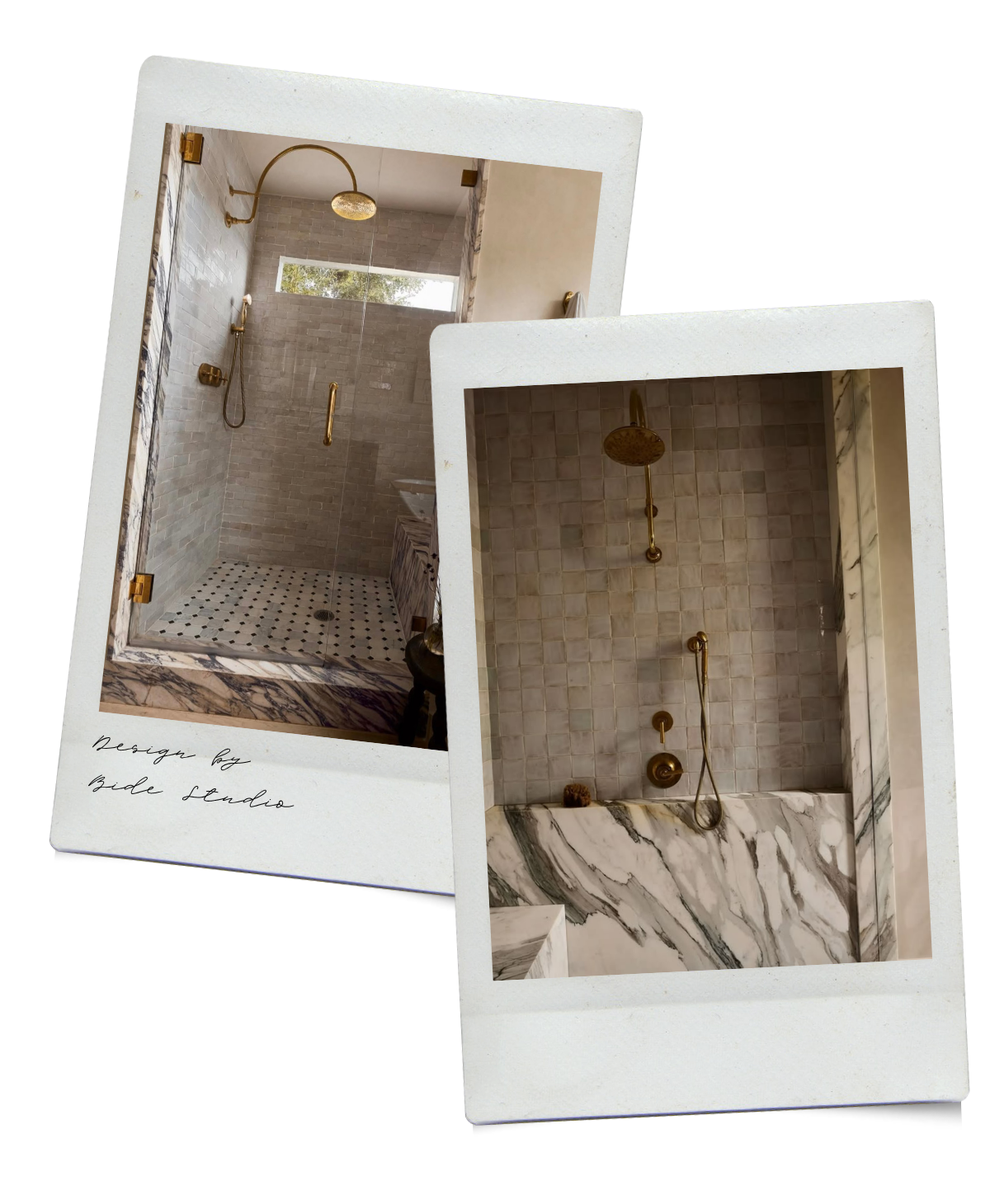
3. One metal finish, including the drain cover
The shower head, controls, towel rail, cabinet pulls, and drain cover. When they match, the room reads as a decision. When they don’t, the eye counts the inconsistencies. The drain cover is the one piece people forget, and it’s visible every time you’re in the room.
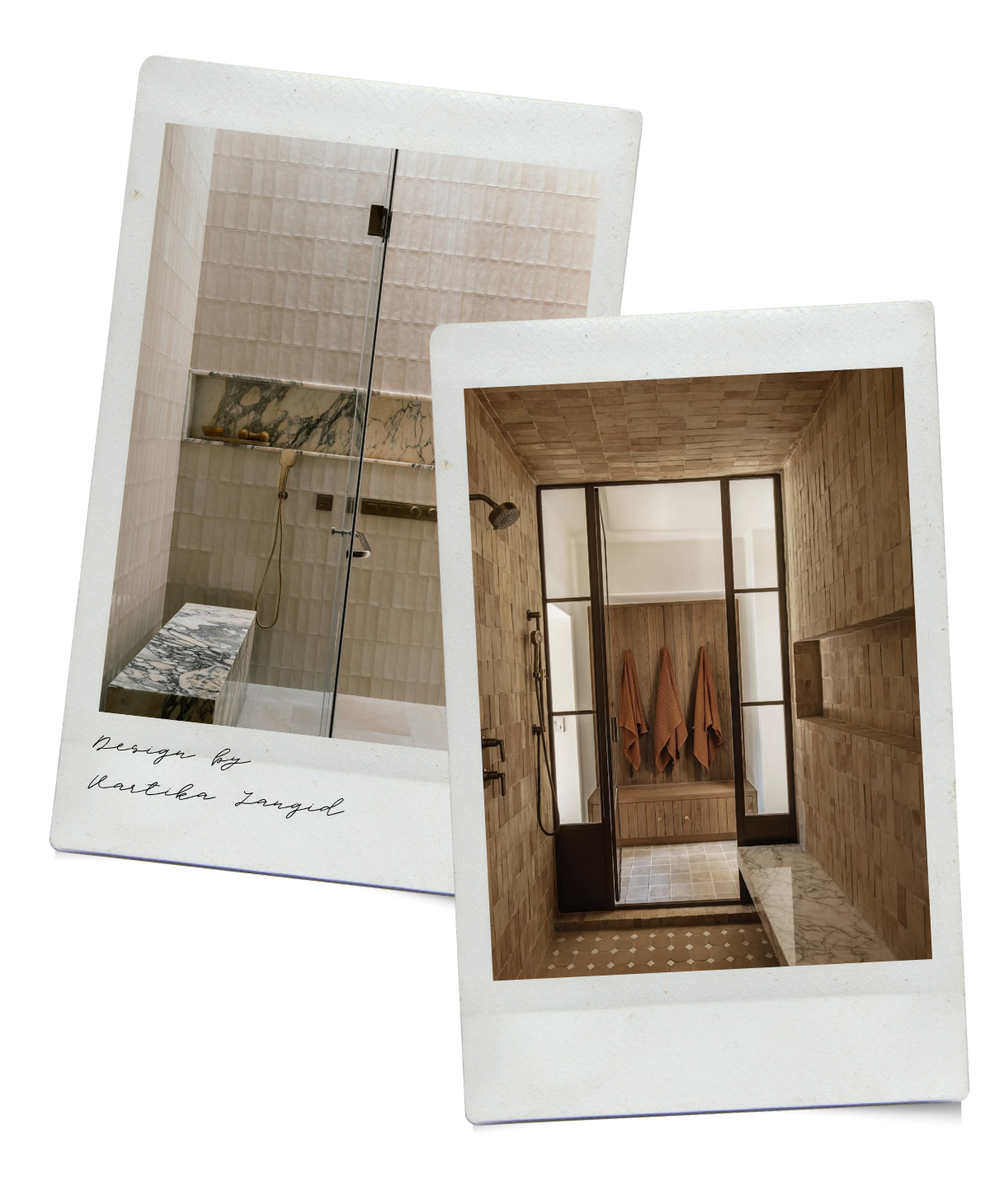
4. A niche sized and aligned to the tile grid before tiling starts
A niche cut into the wall after the tile plan is set produces awkward grout lines and proportions that make it obvious it was an afterthought. A niche planned before tiling can be sized to align with the tile grid exactly, so it disappears into the wall. The decision needs to happen before anything goes on the wall.
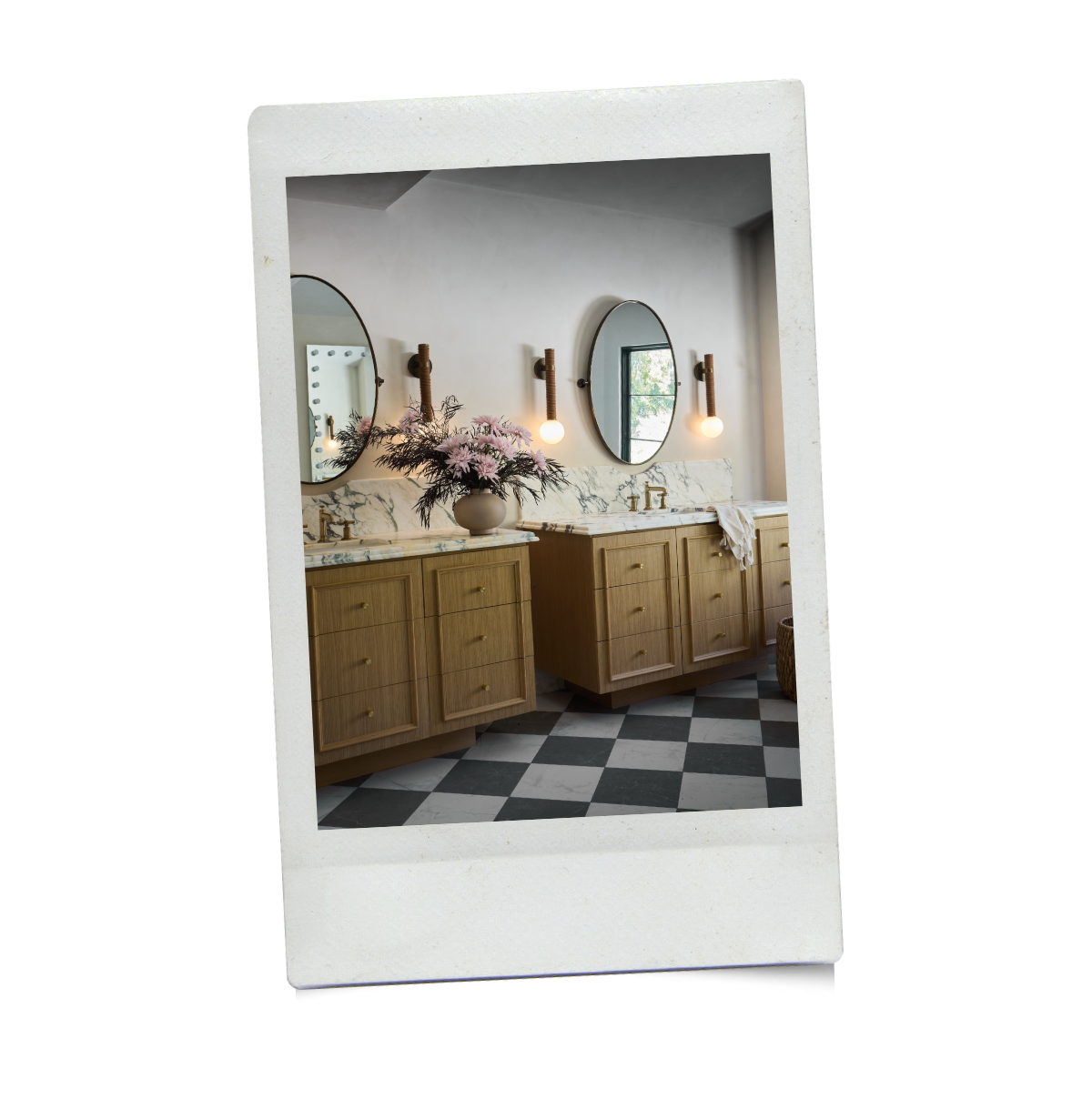
5. Honed or textured stone on the floor, not glossy
Glossy tile on a wet floor is both unsafe and reads as cheap. Honed or textured stone feels better underfoot, handles moisture without looking visibly wet, and ages well. The surface people stand on every day should be the material decision taken most seriously.
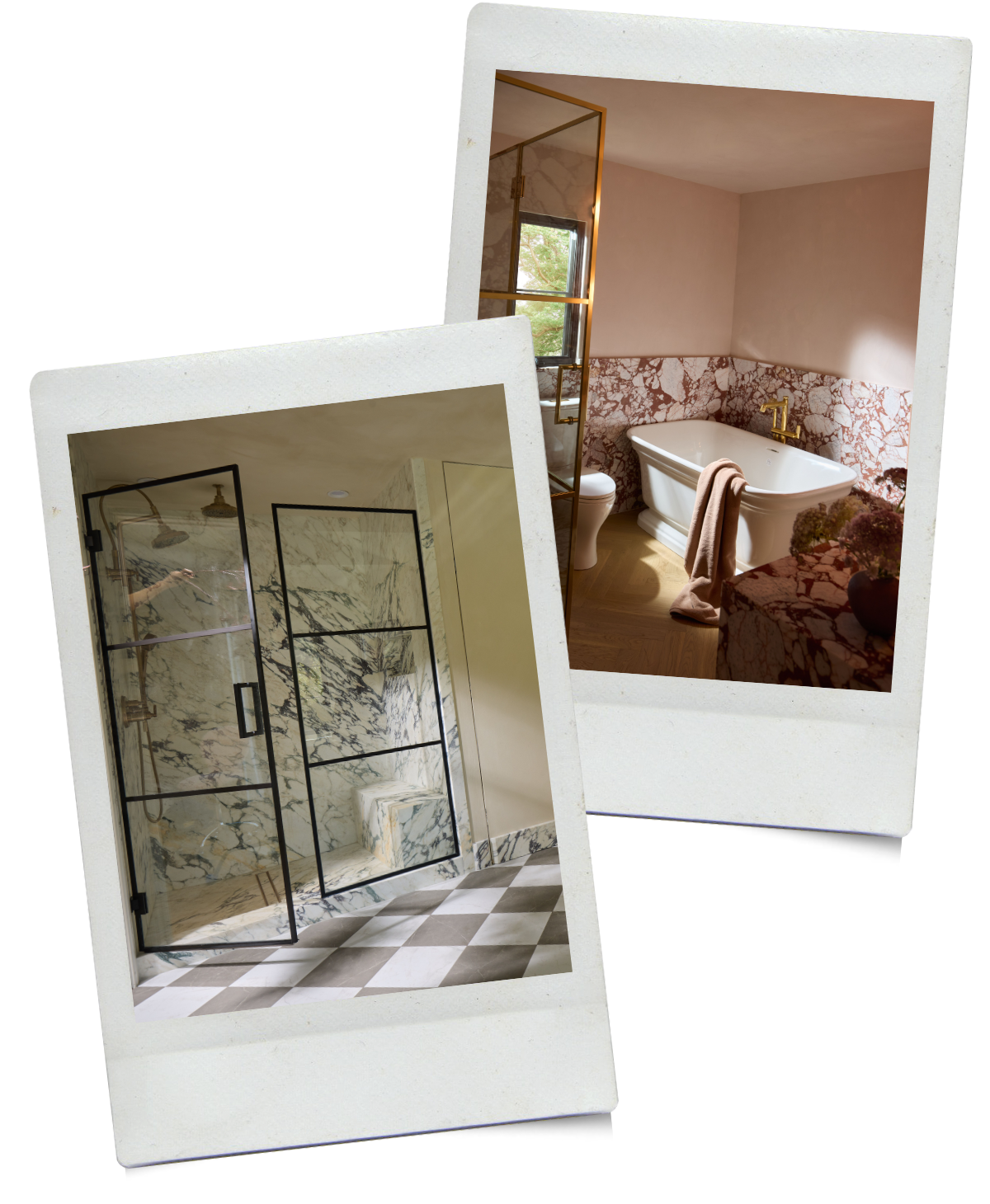
6. The same material from floor up into the bench and walls
The moment the floor tile and the wall tile are different, the eye starts comparing them. Extending the same material from the floor up through the bench and onto the walls removes the question entirely. The shower reads as a single space rather than a box with different surfaces inside it.
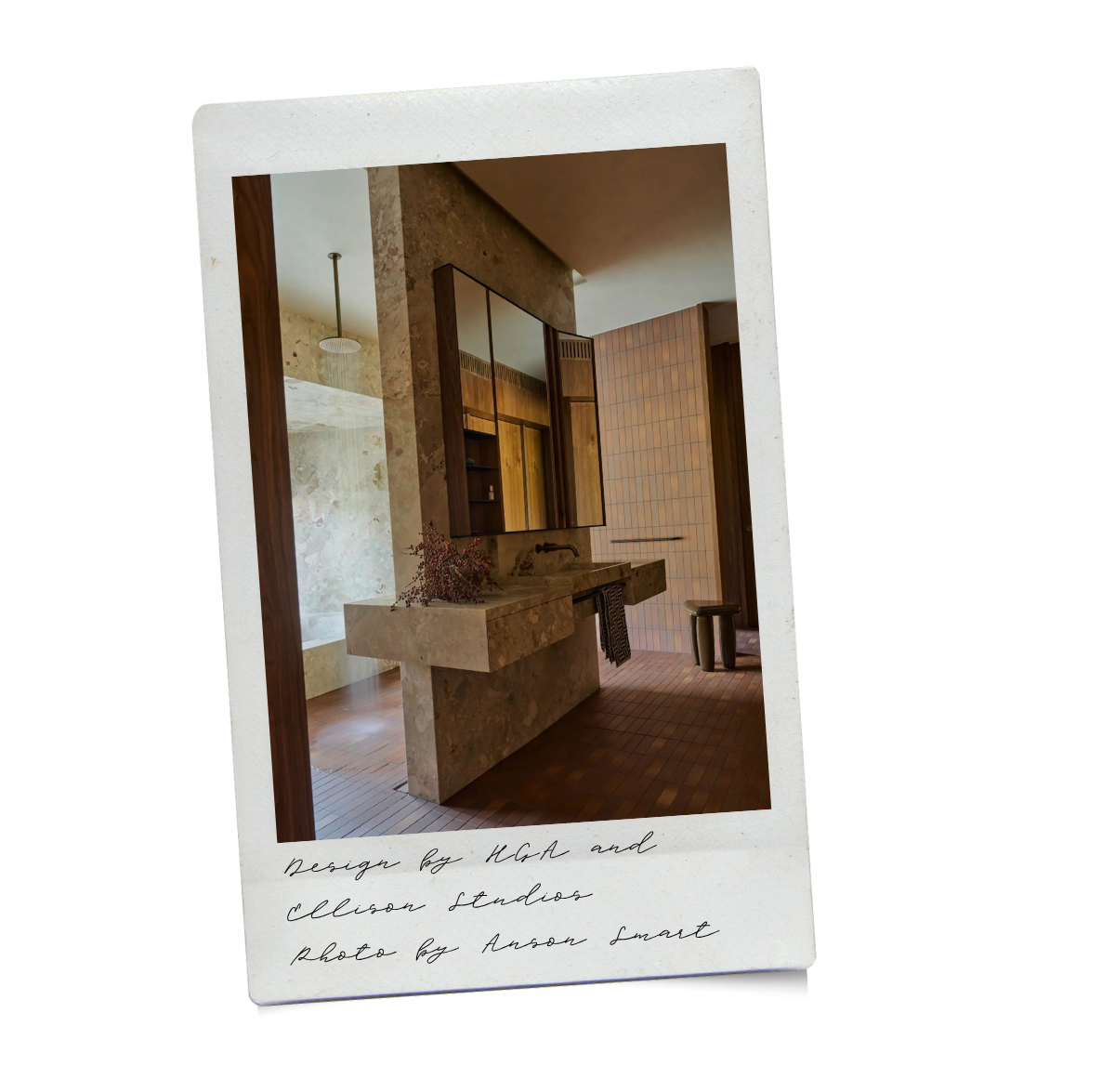
7. A palette of two or three tones, maximum
Warm stone, one accent, one metal. That’s enough. The instinct to layer more materials and more finishes into a small wet space produces rooms that read as busy regardless of how much each individual element costs. Restraint in a shower is not a compromise. It’s the reason the room works.
Every one of these is a decision made before the tile goes in, not after. Sequence is the thing. Not the materials.
No posts
Comments
Nothing yet. Say the first thing.
Sign in to join the conversation.