
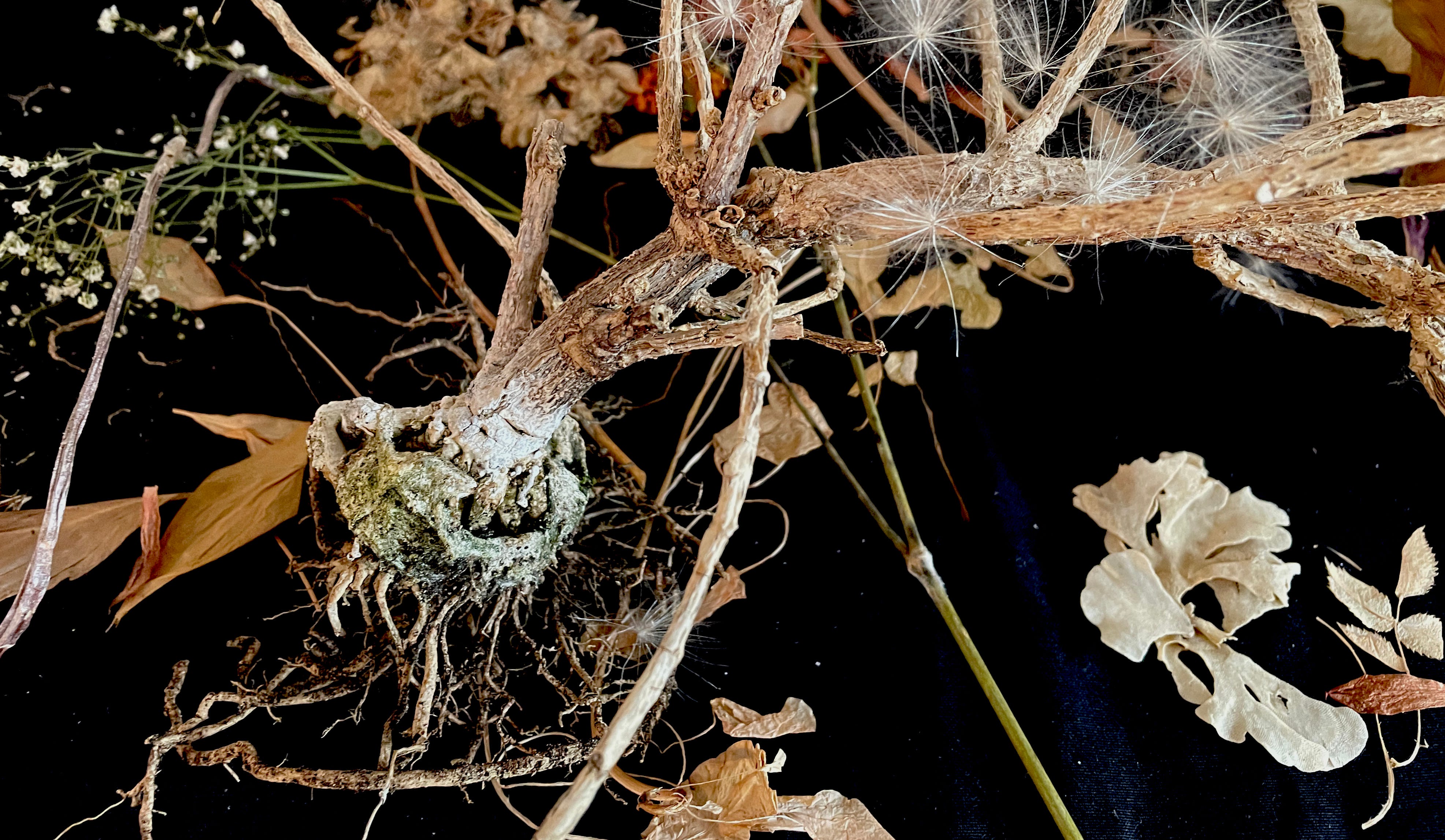
ecology(n.)
1873, oecology, “branch of science dealing with the relationship of living things to their environments,” coined in German by German zoologist Ernst Haeckel as Ökologie, from Greek oikos “house, dwelling place, habitation”
oikos (plural oikoi)
(historical) A basic societal unit in Ancient Greece; a household or family line.
The terms ecology and oikos are directly related, as “ecology” is derived from the Greek word “oikos,” meaning “house” or “home”. Therefore, ecology literally means “the study of the house,” referring to the study of living organisms and their relationships with each other and their environment. Economics shares this root, with “oikos” meaning “house” and “nomos” meaning “law” or “management,” thus referring to the “management of the house”.
~~~~
It is very much Autumn in the UK. To give this blog context, I return to the UK four times a year to check in on my mother, and as this happens to fall into a traditional season, I have learned to intergrate the changing of the seasons with the work: personal, artistic, practical, emotional. This awareness helps to ground me when I’m travelling across countries. As mum has a garden that she rarely does anything about, its also a useful tool to stay connected to plants that won’t go away, even in the winter.
I have to carefully choose how to enter this situation, in regards to how much responsibility to assume since the years after my father passed away in 2023. It’s a hand on/hands off approach, re-enforced by the sheer obstacle/benefit of living overseas. The situation is delicate, my mother suffers from anxiety, and the responsibility over her wellbeing lands somewhere between her and me. The past two years have been an acclimatization to each other, and to how we sometimes co-habit this space.
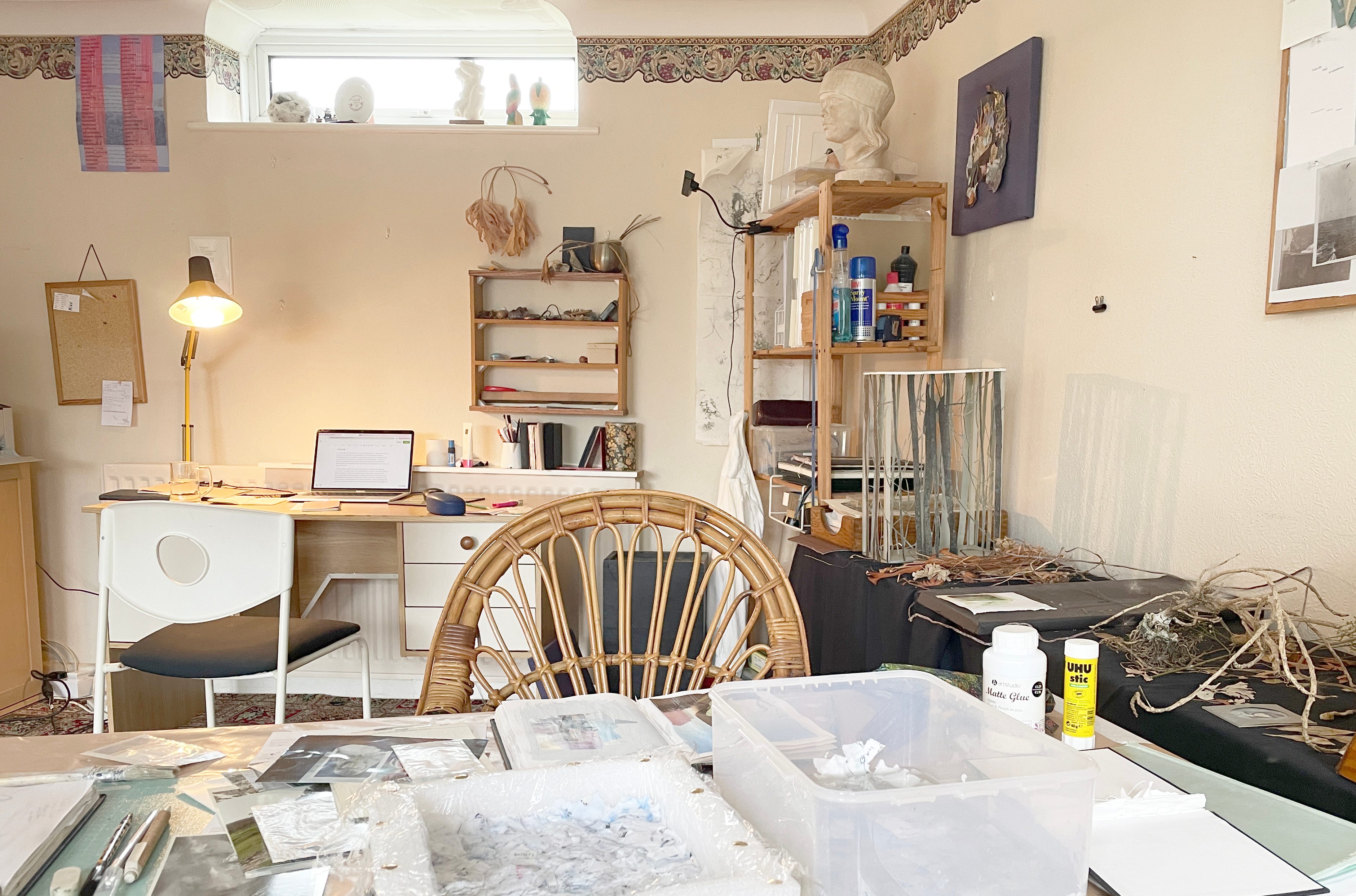
As I have been slowly, intermittently, sifting through my late fathers things, findings ways to redistribute his material and creative possessions back into the ecosystem, I reach the back of the cupboard. The unpublished novels, the musical notation, the photographs. This room, once full to the top with near-obsolete recording equipment and all his presence, is now a creative workspace of sorts. Hints of ideas are making themsleves known, although its difficult to seperate me from my family here. My grandfather was a sculptor. I have some of his collages that inspired me since I was around 5 years old. And some beautiful sculptures. But the heads are somewhat more difficult to process.
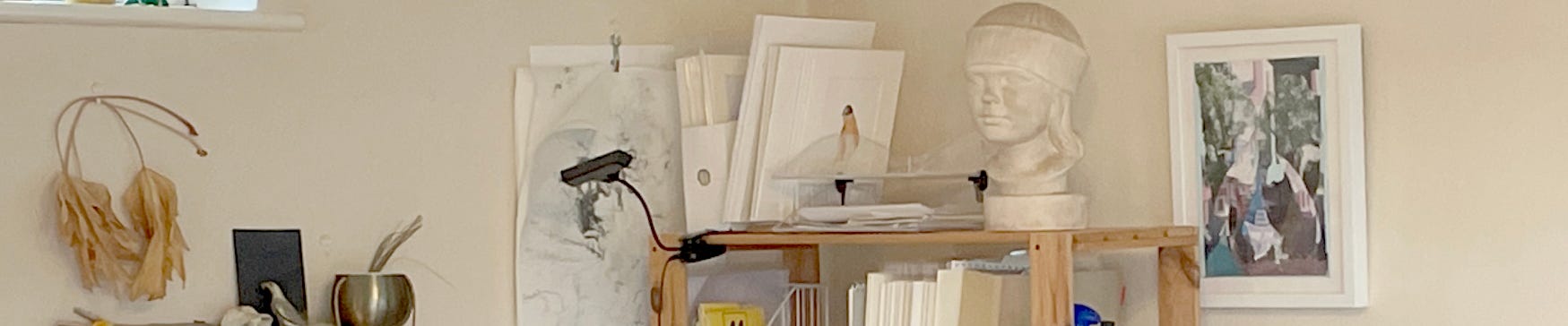
My own immortalised, decapitated eight year old self stares at me from a shelf. ‘You wanted to be an artist..” Its a bit of a responsiblity now, isn’t it?
There is a recognition of the entanglements that these objects contain, as well as the history and voice behind their conception. In fungal logic, death is an activity… not an ending, but a redistribution. If death is active participation then what would my grandfather like me to do with this object? How could we collaborate, having not really known each other? I know that letting memory and material possessions change form doesn’t diminish them—it allows new stories to emerge. Yet, I am not going to smash up the sculpture, am I? So how do I work with the remaining objects that contain so much presence of others? I also have my own artwork, a lot of it, made when I was a child and moody teenager. It’s pretty terrible. It makes me want to bring in Michael Landys Art Bin.
Fungi remind us that stability and permanence are illusions. Everything—cells, identities, possessions, reputations—decomposes eventually. Embracing this impermanence can soften our relationship with death (and change). If we think of possessions through fungal logic, our possessions do not define our individuality, instead they participate in cycles, and to “own'“ something is to temporarily steward it, not to control it. So, letting go of possessions—especially near or after death—can be understood not as loss but as return. Things re-enter the world’s circulation, to nourish others.
I am currently over half way through Pollinator, an online peer coaching platform that meet weekly to check in around art practice and offer deep listening and feedback. Whilst mulling through my artistic conundrum one of my fellow Pollinators eloquently reframed my story. “It sounds like you are rattling around in a big house surrounded by ghosts with their own legacy… a lot of nested stories”
She is right, and it is the perfect time of the year to sit quietly and allow some of these to work themselves out of me. Ideas have since been discussed with fellow local artists… could this be a curatorial project? A long and interesting conversation surrounding personal legacy, artistic output, and the inevitable ‘what is an artist’ ensue. Also, what we choose to remember, and actively forget, about our past and the ghosts that inhabit it.
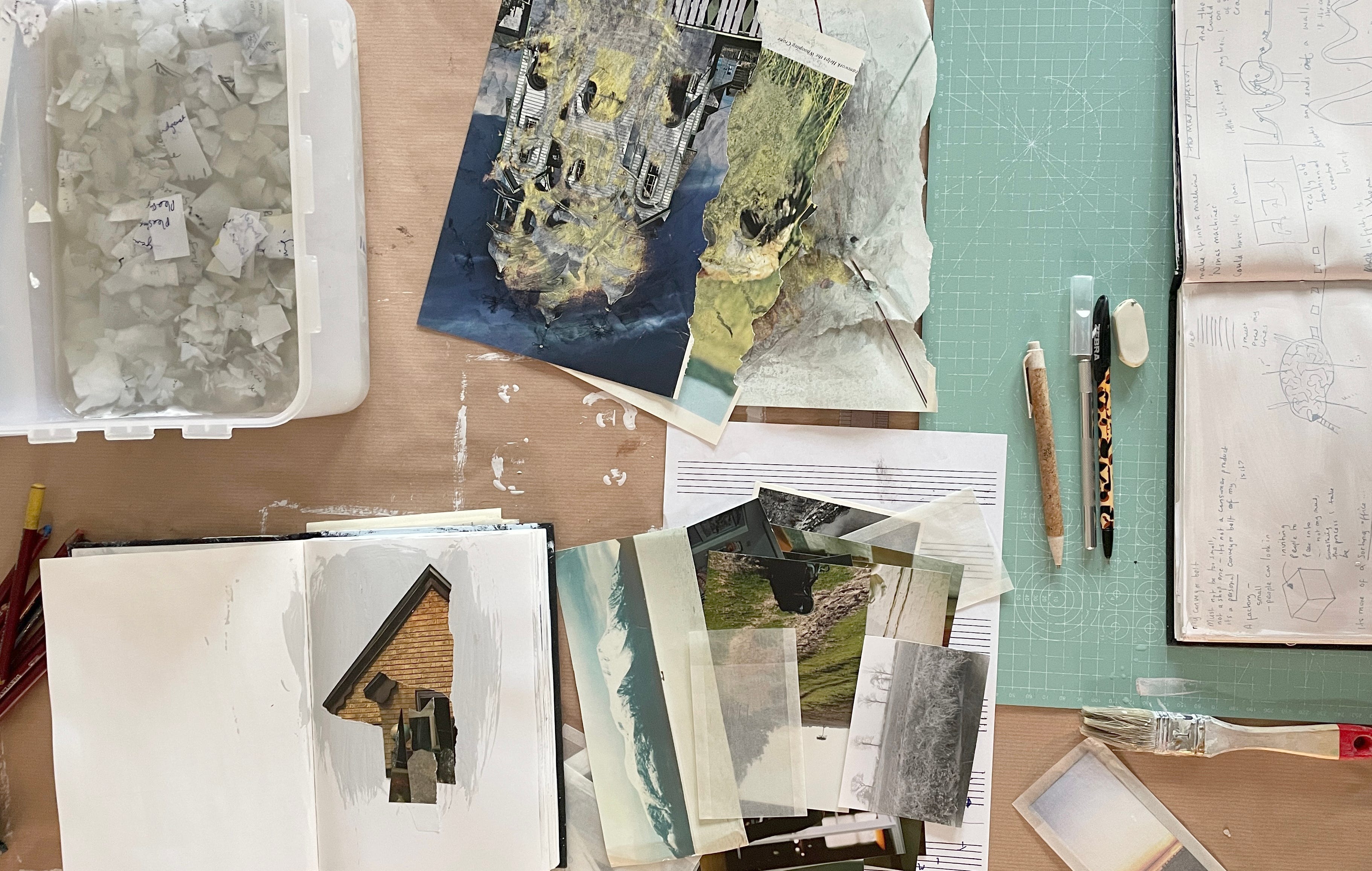
Consistency of the sporadic visits here is my key to taking these ideas out into the world. But with this, time is running out again. I leave the South Coast for London, but already my ideas are taking shape, expanding beyond my own family situation. As I involve other people in idea discussions, I realise the act of sharing is, in itself, a powerful transformative process.
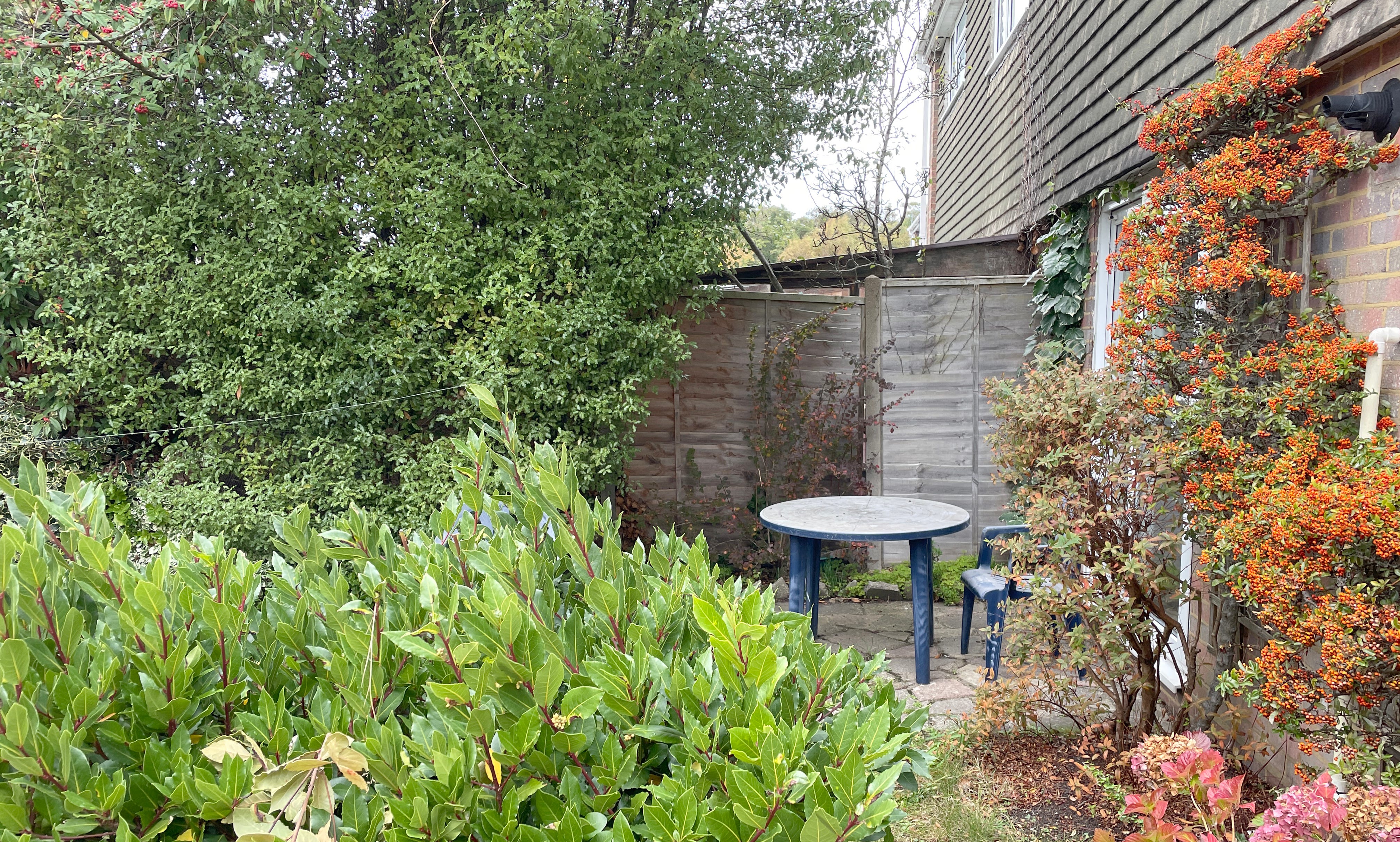
How does ones sense of Oikos (habitation, home) change when there is more than one home? A question for many, and not easy to answer. I realise that a chunk of this project idea is about my own sense of belonging. I hope that by working through this particular responsibility of entanglements, the process will do its work to move me along my own trajectory. The tools are here, ready for my return.
See you in January, ghosts.
No posts
Comments
Nothing yet. Say the first thing.
Sign in to join the conversation.