
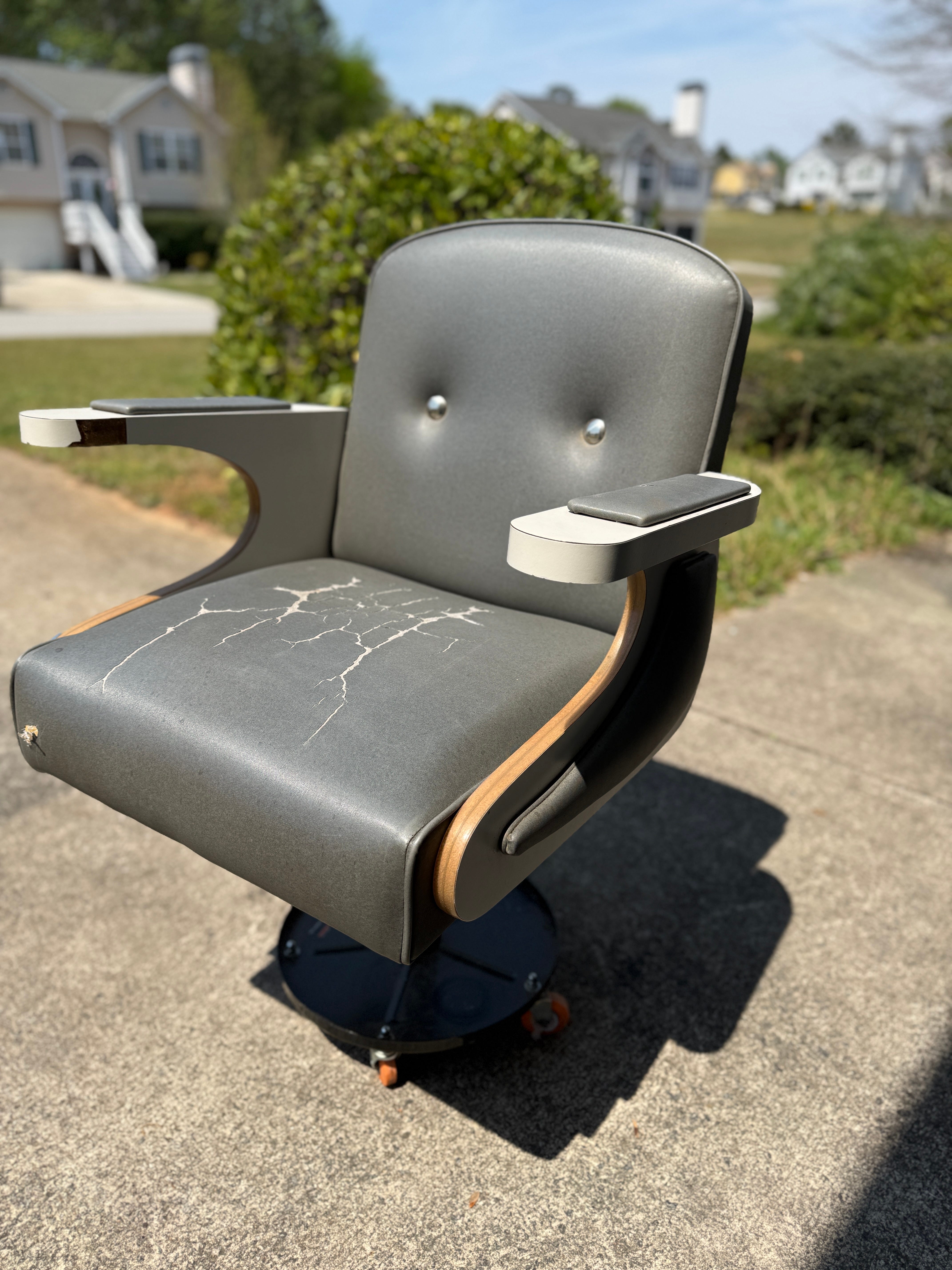
If you missed the first episode — I'm restoring a vintage Formatron barber chair using dark indigo denim and African batik prints. But this project has always been about more than upholstery. It's about what gets remembered and what gets erased.
When I started researching this chair, I hit a wall almost immediately. The Formatron Corporation has been making barber and salon furniture in America since 1959 — built for the shops that built communities. But somewhere along the way the company was sold, and the records didn't survive the transition. The formal history of this specific chair is just... gone.
That erasure felt familiar.
Because it's the same thing that happened to the people who sat in chairs like this one.
Philadelphia's Black barbers were extraordinary. In the 18th and early 19th centuries, African Americans owned and operated the majority of barbershops in the city. As Black men moved out of bondage, they took the skills acquired during enslavement and turned them into wealth. Into power.
These weren't just barbershops. They were palaces of Black excellence hiding in plain sight — serving wealthy white clientele while quietly funding the abolitionist movement.
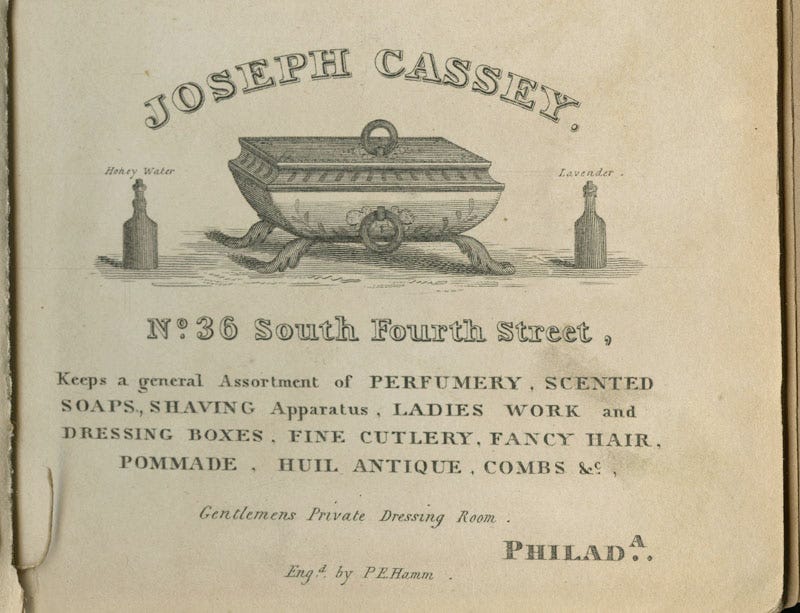
Barber Joseph Cassey became the city's first agent for The Liberator, William Lloyd Garrison's abolitionist newspaper. Joshua Eddy on Chestnut Street became one of the wealthiest barbers of color in the city. The same hands that held the razor held the revolution.
Then the licensing laws came. Barber colleges refused admission to Black men. And Black barbershops were pushed into Black neighborhoods.
Something remarkable happened: exclusion became sanctuary. The shop became the one place you could show up as your full self. Speak freely. Be seen. Be restored.
And then there's the denim.
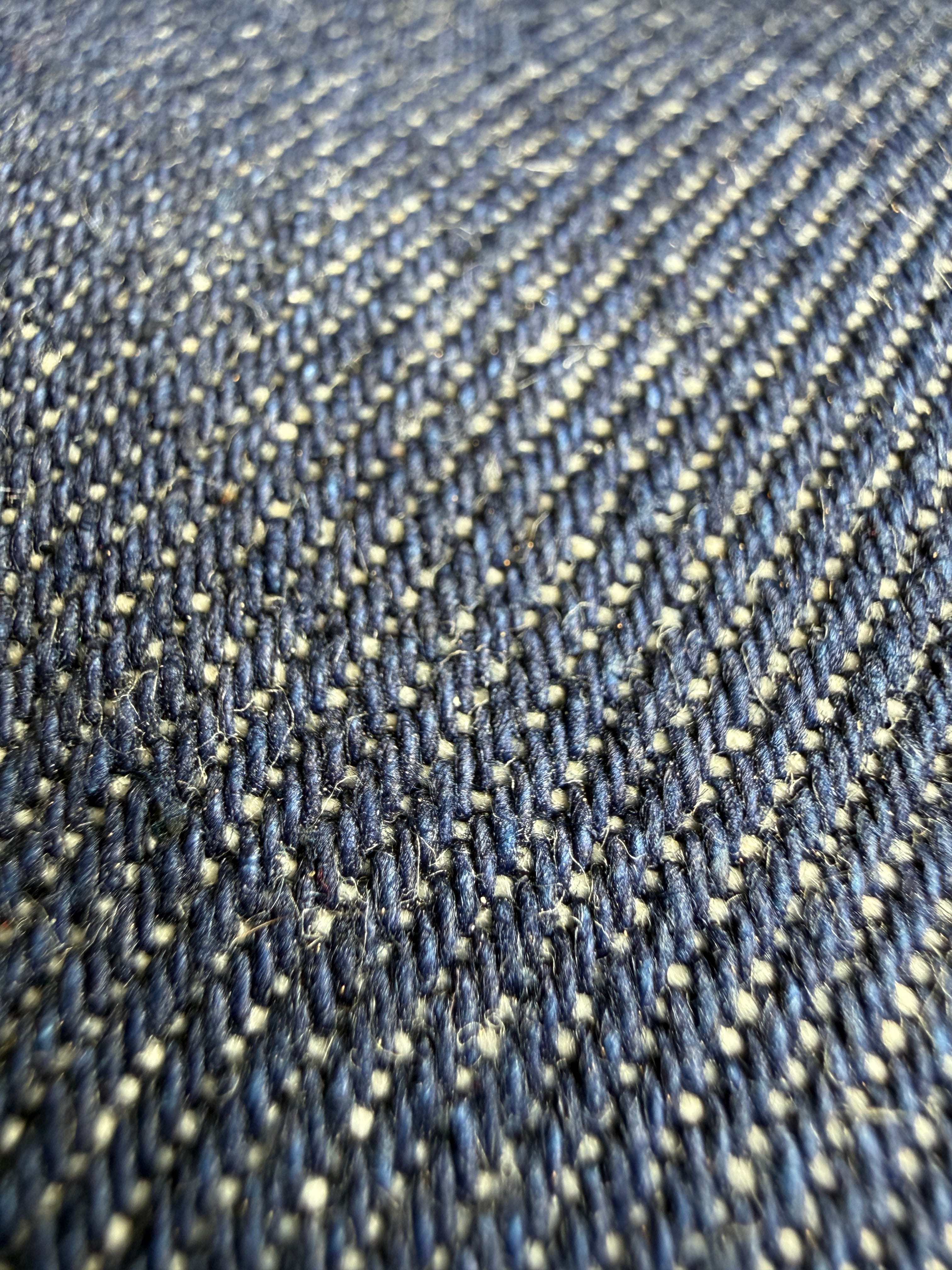
Cotton, by way of forced labor and oppression, traveled north to become denim. Worn by enslaved hands. By the newly freed, still working the same fields under different chains. By sharecroppers and Great Migration workers stepping off trains in Philadelphia looking for a fresh start.
A fabric built for endurance that became the uniform of survival.
Designer Tremaine Emory built his entire brand, Denim Tears, around this truth — that the cotton fields, denim, and the Black body are one continuous story.

That's the fabric I'm putting on this chair.
The records for this specific Formatron chair no longer exist. But its story does. And I'm grateful to be a part of it✨
Episode 2 is up now — watch the full video on YouTube.
And if this resonated, share it with someone who needs to see it👖🛋️💈✂️
— niCo
Comments
Nothing yet. Say the first thing.
Sign in to join the conversation.