
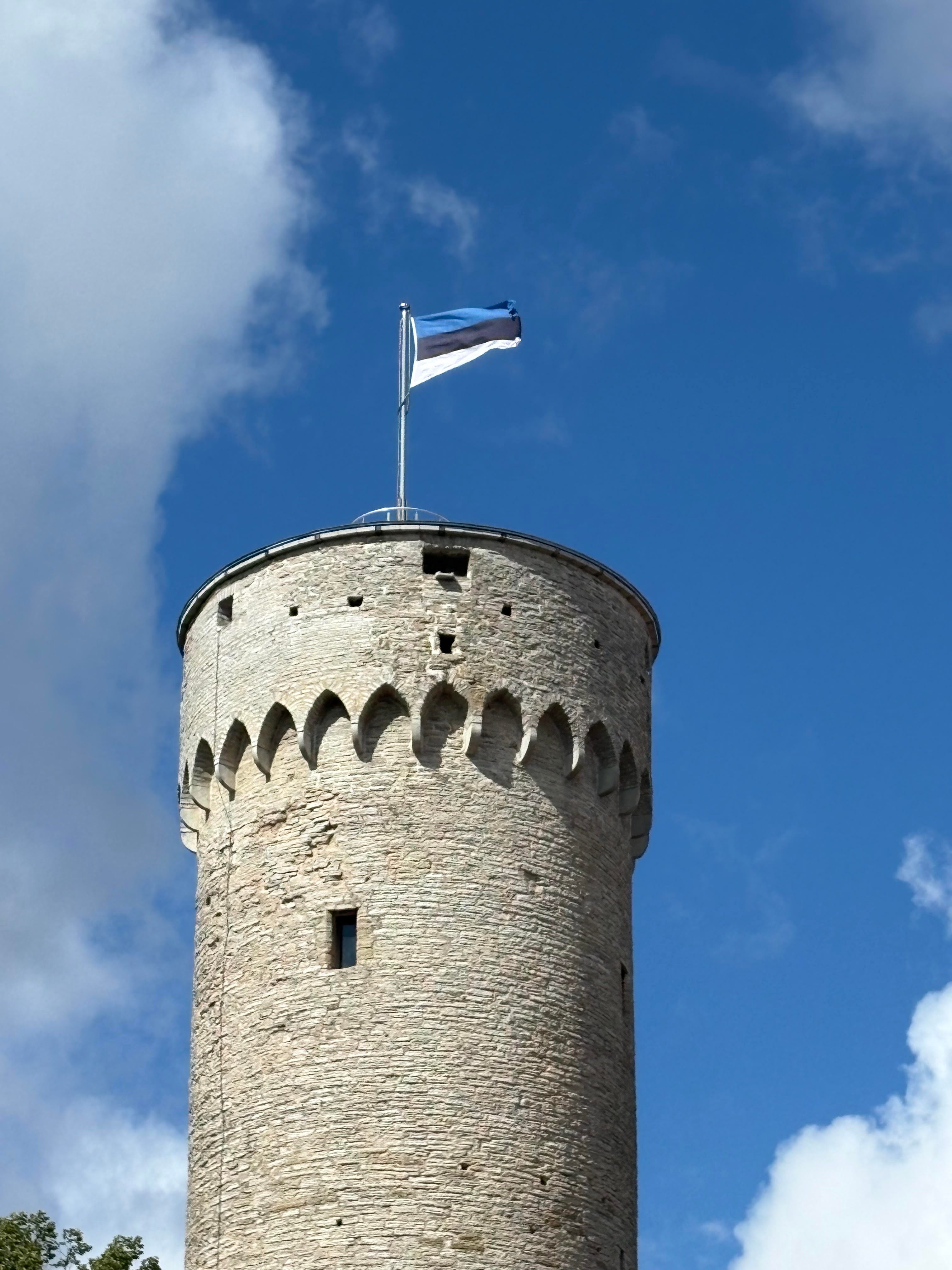
I write this from rural Latvia, on the last leg on my tour of the Baltics. I have spent the previous week in Estonia, mostly in Tallinn but also travelling to other parts of the country. By coincidence, while I was there I read an article about how Estonia had been rated as the best country to move to by the Rumavi Global Relocation Index, beating out Singapore for top spot in the world. I suddenly found myself in a unique position to seriously consider this idea - and much more interestingly, at least to me, to figure out what the ranking of Estonia as the best place to relocate to might mean in a wider sense.
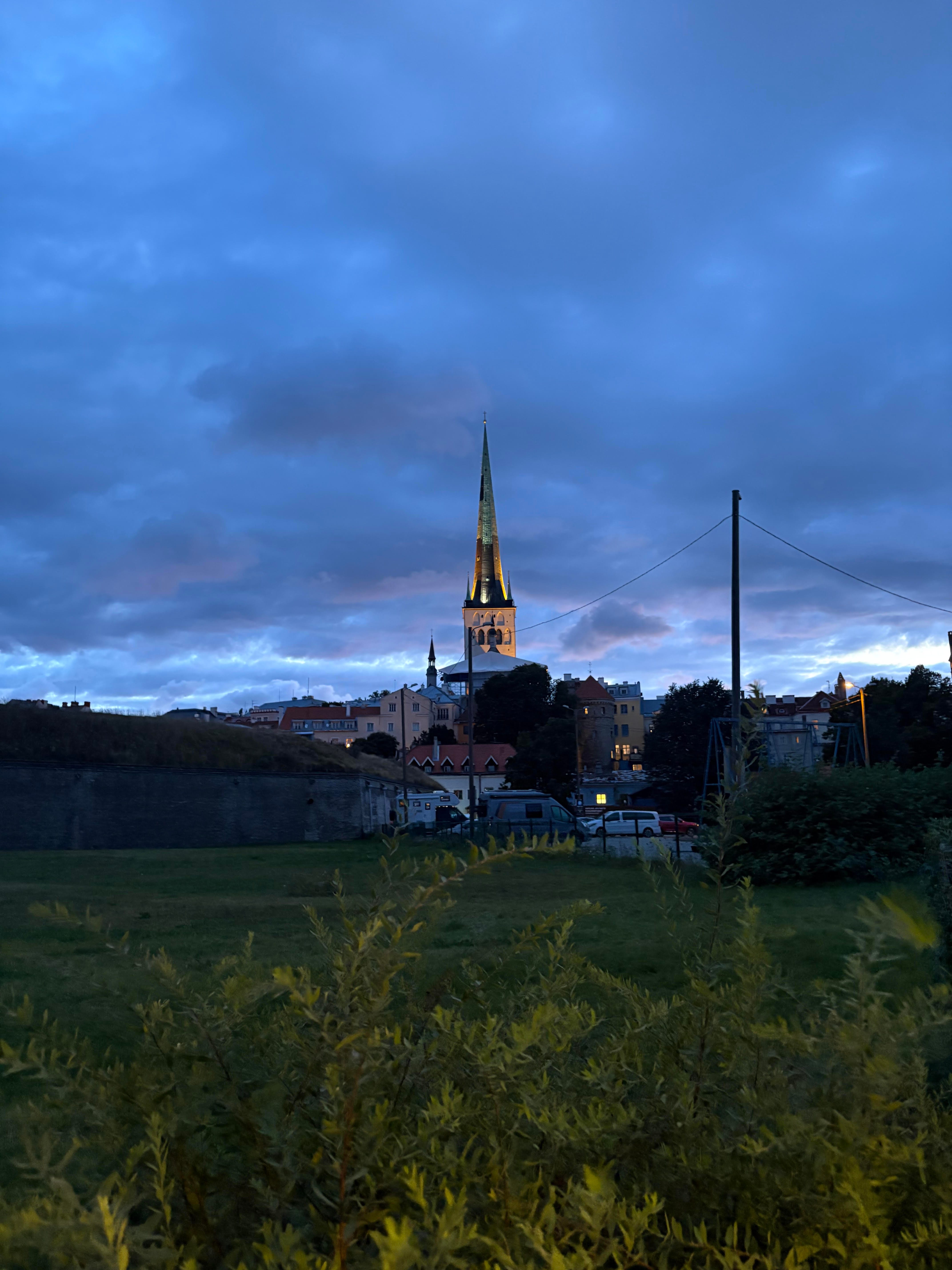
I will start with my thoughts on Tallinn, and further, what is specifically good about the Estonian capital city. I have a decent perspective on this, having visited Tallinn 14 years ago, so I was presented with a reasonable first-hand comparison as to how the place has changed in the last decade and a half.
My impressions of Tallinn in 2012 were partly shaped by how I came to Estonia in the first place. I was staying in Helsinki and discovered that boats across the Gulf of Finland to Tallinn were cheap, so my wife and I headed over there for a visit. I was immediately stunned by the Old Town, which is magnificent. Not quite as great as Dubrovnik or Krakow, but it isn’t ridiculous to compare the oldest parts of Tallinn with those places. Tourism seemed very nascent at the time in the city, and everything felt extremely cheap. The sector in Estonia in 2012 mostly seemed to revolve around Finns coming across the water for the day, getting pissed and then loading up on booze to take home, which at the time was significantly cheaper than it was in Finland.
Now, Tallinn has transformed. It is a major hub for business travel, with the Estonian economy having transformed over the past decade. Brand new hotels are filled with people from around the globe, looking to invest in the country. The Finns don’t day trip in the same way - or at least, for the same reasons - any longer because if anything, Helsinki now feels cheaper. This on its own is a very, very good thing. That a country that was third world level poor due to Soviet socialism, coming out of that completely within a handful of decades to become a leading, growing economy, is a miracle we should all welcome.
The issue is, some of the soul of Tallinn has been lost, at least in my opinion. It has been slightly affected by what I call “Corporate Expenses Blight”: when a city is overrun by people there on business travel, which drastically affects the feel as well as the price of the place. When it gets really bad (Baku, Azerbaijan is the worst example of this I have ever personally experienced), it makes the whole town basically unaffordable unless you are insanely rich, on company expenses, or are savvy enough to go beyond the usual places and find a part of town where the corporate tourists simply never go to, which is usually fairly tricky if you’re only there for a few days. Tallinn has a much more mild version of this blight than many other places, but it is perceptively present. For example, you have a plethora of restaurants which serve “international fare”, which is usually some combo of burgers, pizza and pasta, all of it fairly generic, at prices which seem a little steep for what is on offer. This is worse by dint of the fact that the service is often poor (not just in Tallinn, but in every place affected by Corporate Expenses Blight). The restaurants cater to international visitors who don’t care what things cost (because their companies are paying for it all) and probably won’t be back, so creating an atmosphere that people wish to return to is not the priority.
And look, I know someone if going to tell me that there are great, local restaurants in Tallinn, in some part of town that isn’t within the touristy bits. In fact, I’m certain that’s the case. Again, it’s just that finding those places if you aren’t blessed with shedloads of time is very hard.
To stress, I still enjoyed Tallinn very much. And I even had some terrific meals there. It’s just that it is going through an adjustment phase that I believe it will come out the other side of, mostly because of what it has to offer. The combination of a beautiful city, by the seaside, with an open, growing economy, mean that it will only improve as time wears on (unless Putin invades, of course, and then all bets are off).
Of course, there is a lot more to Estonia than Tallinn, just as there is much more to the UK than London. And when you travel around the country, several things become apparent. The first is that the travel infrastructure is not there yet. The road system is poor in terms of getting around Estonia quickly. To the Estonians credit, they are in the process of changing this: wherever you go, you will see large scale projects around building motorways and the infrastructure to scale them up to western European standards. There is so much building go on across Estonia, it’s exciting to witness. Unfortunately, in the present, that makes getting around Estonia even more difficult than it would have been anyhow, with motorists having to drive around massive building structures at 50 kilometres per hour for miles on end.
I would also say that rural Estonia feels more stuck in time than either rural Latvia or Lithuania. As soon as you get out of Tallinn, rather predictably, the cost of everything plummets dramatically. Yet I also noticed that the ability of locals to speak English was notably worse in Estonia than in either of the other two Baltic countries. In Latvia and Lithuania, even when you were somewhere very remote, the level of English speaking is often astonishing. Estonia was the one that stood out for me in terms of rural places having much less English speaking ability.
I hasten to add, being able to speak English is not the be all and end all of a country’s ability to be plentiful in the long term. To think so would be to display astonishing Anglosphere arrogance. However, if the aim is to describe Estonia as the best place you could possibly move to in the world for non-Estonians, it’s a factor to consider.
In fact, looking at this idea that Estonia is the best place to move to, I have to say I find it a little tricky to accept. You have Tallinn as a place to live, which again, has loads of positives but the touristy feel of the centre of town would get to you after a while if you lived there. You could retort that London has way more tourists, but in fact, if you avoid a particular slice of the West End, you can steer clear of most tourists, should that be your wont, and still have most of a massive city to enjoy. Tallinn is mostly the Old Town with some bits that are more suburban around it. Tallinn is small, in other words, at least compared to other capitals. Forget about London, Helsinki feels massive in comparison.
Then you have the rest of the country, which still mostly feels like it would be a huge adjustment to live in if you have not grown up in the Baltics. So, where exactly is it in Estonia that is supposed to be great to move to in 2026, if you’re not Estonian? And again, to stress, Estonia is on the up and is building for a prosperous future, but still. Maybe in 20 years, Estonia could well be the best place to live in the world. That seems totally possible. But now? No chance.
So why is it being described that way? If you asked me the best place in the world to move to, I’d say the United Kingdom. Sure, we have our problems, but the country has been a mess before and shown remarkable resilience at bouncing back. London is a nightmare for young people to rent in, but the opportunities are still pretty massive there. For instance, do I think any of my children would have better opportunities and a better life in Estonia, as it currently stands, than the UK? No, I don’t.
I believe there is a desire to see things as worse in countries like Britain, France and Germany than they really are because of the stagnation of those countries economies. Slovakia remains notably poorer than the United Kingdom, yet Slovakia feels hopeful, optimistic when compared with the UK, mostly because Slovakia is much richer than it was a decade ago, where the British economy has flatlined. Vibes count for a lot in the 21st century, in other words.
Is Estonia the best country in the world to move to? I doubt it. Could it be the best someday? I think it might possibly be, yes. Is there a difference between those two positions? Yes, a world of one.
No posts
Comments
Nothing yet. Say the first thing.
Sign in to join the conversation.