
Late last year, I opened LinkedIn and found myself playing a new in-app puzzle game called Queens. A decade ago, this would've seemed absurd. Today, it feels inevitable.
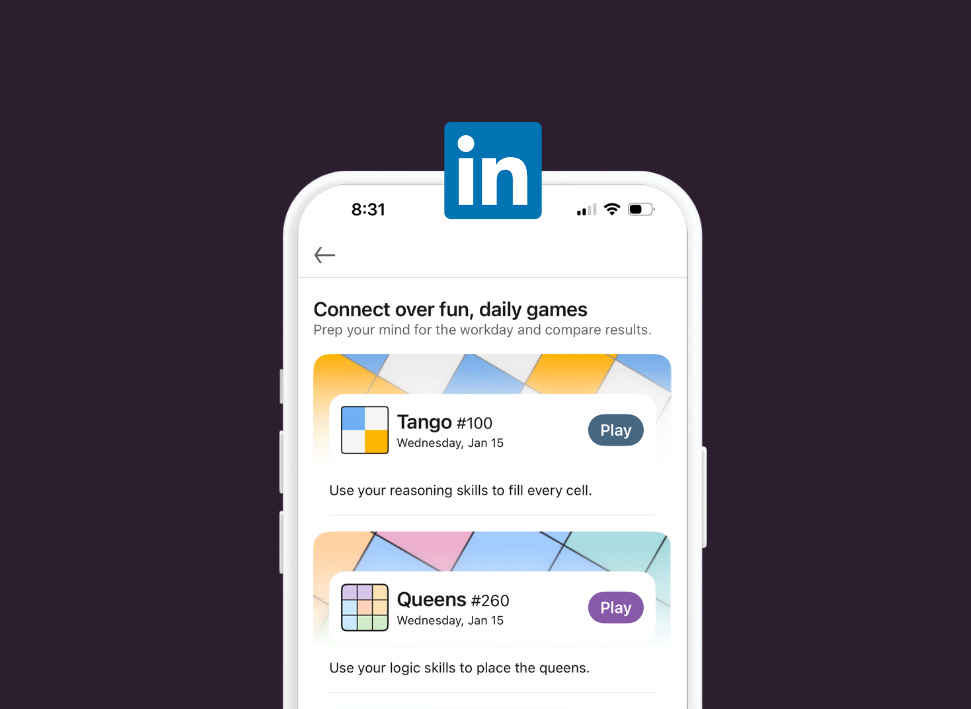
Now, this isn't just another feature launch. It's a signal of where consumer product development is heading, and it reveals a crucial truth about building for today's users: We're all competing inside the Dopamine Industrial Complex™️.
Your brain releases dopamine, the "feel-good" neurotransmitter, when you experience pleasure or anticipate a reward. It's the same chemical that floods your system when you beat a level in Candy Crush, get a like on Instagram, or see a notification on your phone.
Unfortunately, our brains haven't evolved to handle the constant dopamine hits that modern technology provides. While a hunter-gatherer might've gotten a dopamine rush from finding food or completing a successful hunt (lol but true!), we're now carrying dopamine slot machines in our pockets, triggering these rewards hundreds of times per day.
I loved this YouTube video from Diary of a CEO with Dr. Anna Lembke (Professor of Psychiatry at Stanford University School of Medicine and author of Dopamine Nation). This is a critical watch for Builders and anyone who uses a mobile device!
More and more consumer experiences are dripping with dopamine and feel like a game. Games employ psychological triggers that work, so that means more and more consumer products use them. Prediction: as AI lowers the barrier to entry for consumer products, the competition for attention will only intensify. Game-design that pushes dopamine will become a non-starter.
Some examples of consumer products using games to drive user behavior:
The New York Times didn't just buy Wordle because it was popular. They recognized that games create a daily dopamine-driven habit that keeps users coming back to their platform.
LinkedIn “put a game on it” to find more ways to engage users and drive DAUs.
Netflix also added Games in their app.
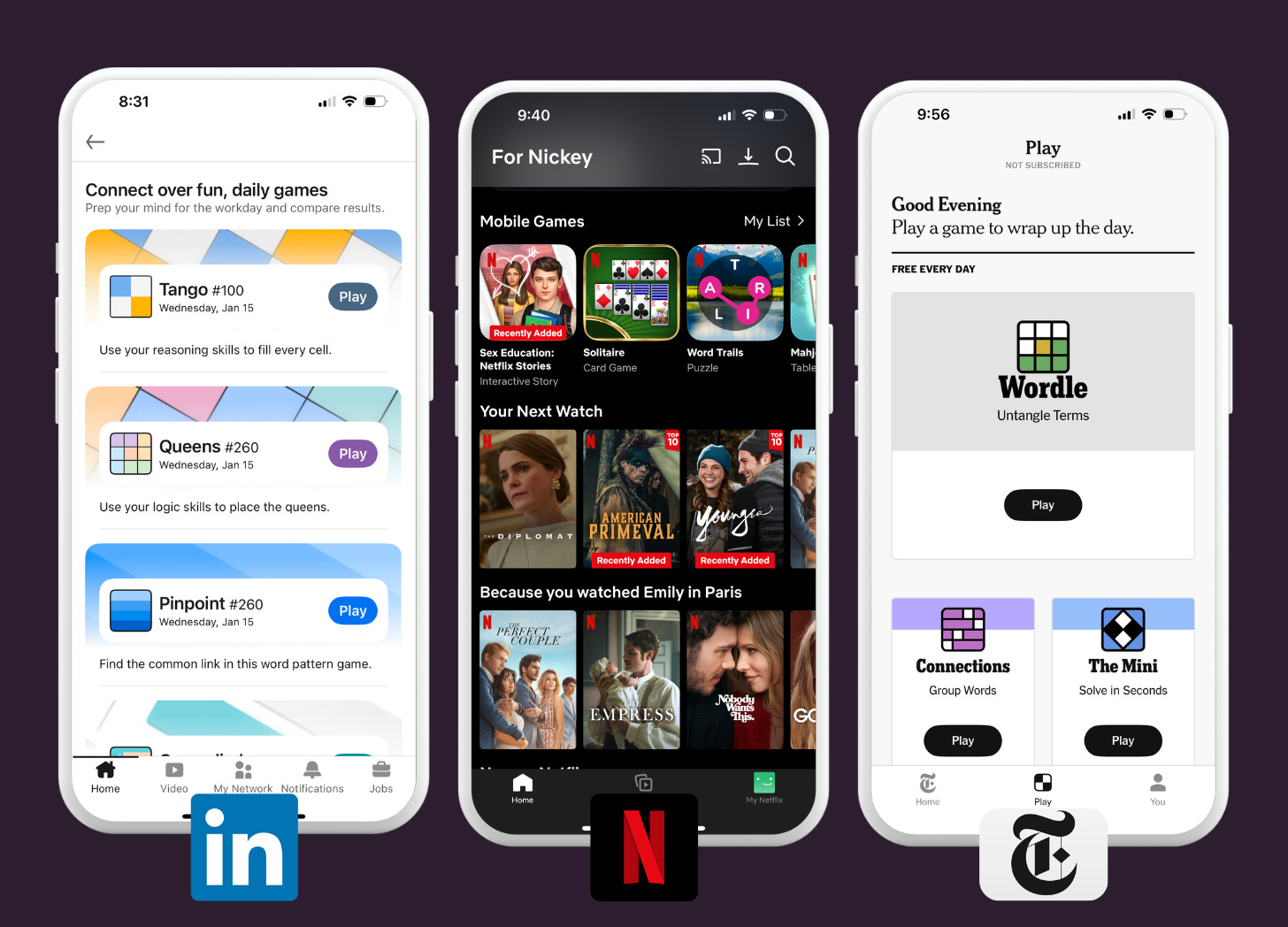
Non-game examples:
Beyond just games, TikTok's "For You" page isn't just personalized content, it's a carefully orchestrated dopamine delivery system. Each scroll provides a potential hit, training users to associate the app with instant gratification like our favorite games. Instagram is close on TikTok’s heels.
Even Donald Trump's social media strategy isn't chaos … it's a dopamine generator. Every inflammatory tweet is designed to make supporters feel righteous and opponents feel outraged. Both emotions trigger dopamine releases that keep people engaged. (Hot take: do we think Trump would have gotten elected if we weren’t so addicted to dopamine … thus making every other candidate positively dull in comparison?)
This is the thorny question every builder must wrestle with. When we deploy psychological triggers in our products, we're not just pushing pixels we're shaping behaviors, forming habits, and potentially altering brain chemistry. The stakes are real!
Here's the framework I use when thinking about dopamine-driven design:
First, be honest about the impact.
Every notification, streak, or reward mechanism is a psychological lever. Map out exactly how your product influences behavior:
What compulsions are you creating?
Who might be most vulnerable?
What behaviors might spiral out of control?
Second, align rewards with genuine user value. Ask yourself:
Does this feature help users achieve their stated goals?
Are we creating habits that improve lives?
Would we be proud to explain our engagement tactics to users?
Finally, build guardrails. Good products have counterbalances:
Usage limits and cooling-off periods
Clear opt-out paths
Special protections for vulnerable users
Transparency about how features impact behavior
Your job isn't just shipping features, it's understanding how those features shape human behavior. The products that truly win long-term aren't the ones with the most sophisticated addiction mechanisms. They're the ones that help users exercise agency and become who they want to be.
I’ll leave you with a final thought. As the Dopamine Industrial Complex™️ reaches new heights, a counter-movement also gains momentum. There's a growing market for what I call "conscious technology,” tools that help users regain control of their attention rather than hijack it.
Parents are seeking low-dopamine alternatives for their kids, and digital wellness startups are attracting VC money. Also gadgets like the getbrick.app and widgets like Blank are all finding their way into more hands.
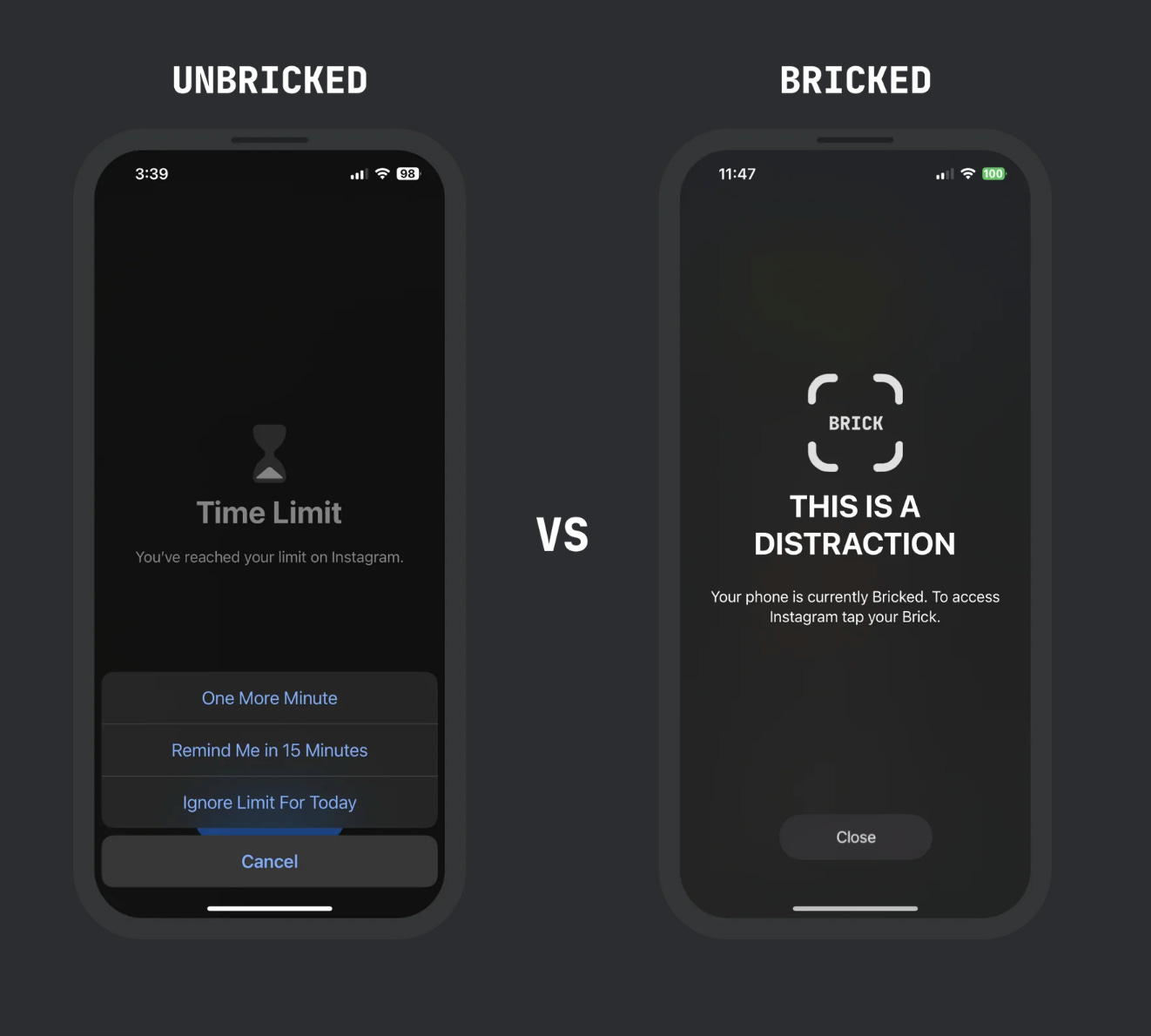
Where are you seeing “dopamine-design” pop-up? And if dopamine design isn't going anywhere, how are you navigating the ethics of attention in your products? Drop your thoughts in the comments!
No posts
Comments
Nothing yet. Say the first thing.
Sign in to join the conversation.