
by Nick Coston
May 19, 2026
Could OOH Media use an ombudsman? A what, you ask?
An ombudsman is an independent, impartial official designated to investigate, report on, and help settle complaints. Unless I’ve missed the last 25 years, I don’t think our industry has one. We have some fine associations who set their own guidelines, but nobody really knows what those are, may just be a formality when forming an association with members.
Nonetheless, I believe our industry may benefit from employing an Ombudsman. Coca-Cola, National Public Media, CBS News, Paramount, The New York Times, The Washington Post, all employ them. They even list them on their web site or in their masthead. Ombudsmen are not a big secret. They are almost every big corporation, especially the public ones.
Aren’t we a large enough industry to employ such people? Would they be an asset or deterrent?
Clear Channel, Outfront Media and Lamar Advertising are all publicly traded companies. Should they have their own ombudsmen? Do they and we don’t know?
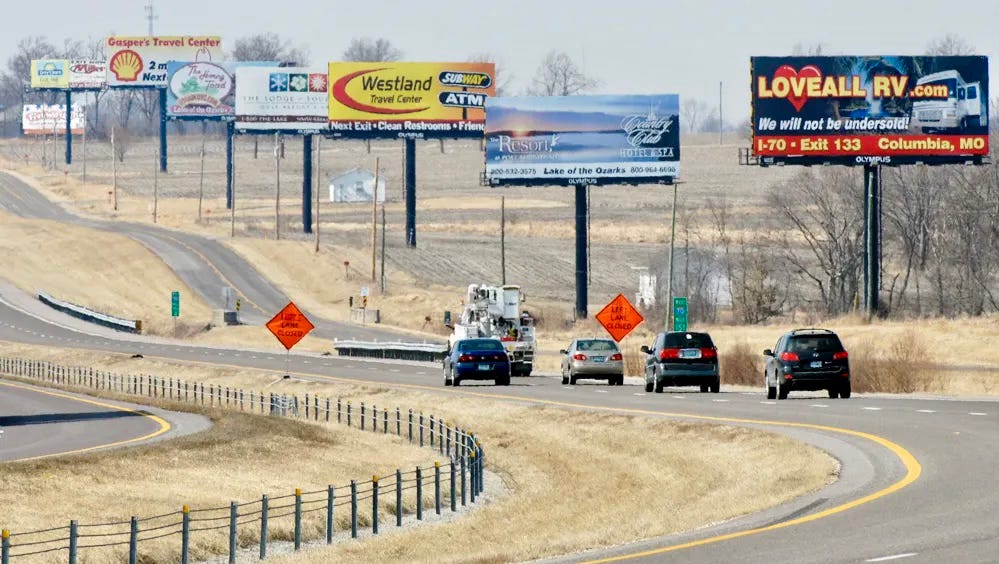
Think about it for a moment. If OOH as an industry employed the services of an actual ombudsman (the term ombudswoman is perfectly acceptable too, I checked), who would take such a gig? While we have an industry full of qualified professionals who could easily move into this spot, who would want it? Who would risk their contacts, friendships, reputation by becoming “The Official Watchdog of OOH”? Who would pay you? Would it be by paid subscription? Agencies? Brands? Media owners?
The Feds?
While I have none of these answers since we have zero history of an actual OOH Ombudsperson, we do have some fine online publications who do take a stab at posting actual industry critiques. OOH Today, Adotat, Billboard Insider, several prolific LinkedIn posters, plus individuals like AdTechGod, OOH Insider and occasional OOH agencies such as Brian Rappaport with Quan Media and Todd Palatnek at Marny Road. All smart, spot-on contributors to our space that often cover touchy subjects.
Except for one thing.
Would any of the above-mentioned writers, blogs, websites whomever, really call out an agency, media owner, tech company or brand by their name and under their own name? Or would it be better if this ombudsperson remains anonymous, letting readers guess who it is. I’m not saying they wear disguises like fake noses and glasses, maybe walk with a slight hitch as I often do or write in the third person. Maybe they would hide behind a planter at a big OOH conference, taking notes or wearing Google glasses to snap pics.
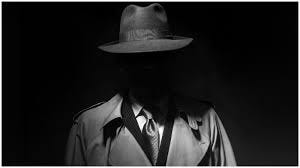
Doesn’t matter. What is obvious is that regardless of who would be in this position, they would have a lot of ground to cover. Traditional billboards that are aging, locations still in billing that have obstruction issues (tree’s, trucks, trash, weeds), lights that don’t work, digitals with pixel issues, digital place-based urban panels with blocked sightlines (umbrella’s, construction, awnings), expired copy on static units (dated), digitals that are too bright (digital brilliance), too many faces on one roadway (ad fatigue, less recall) and an issue that only the large corporations can afford the bigger impression/prominent location displays keeping local businesses sidelined.
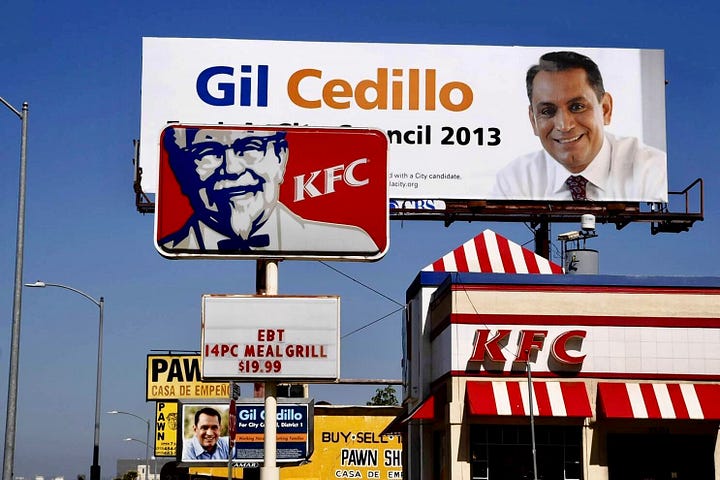
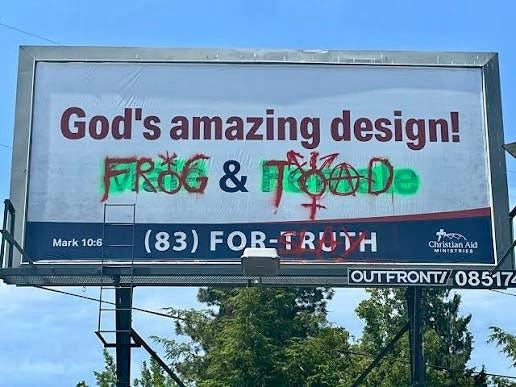
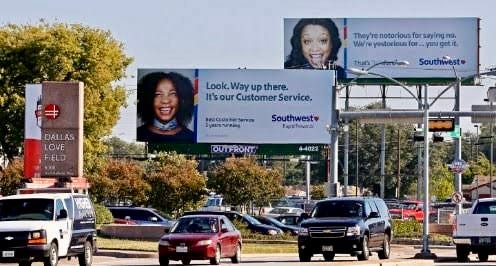
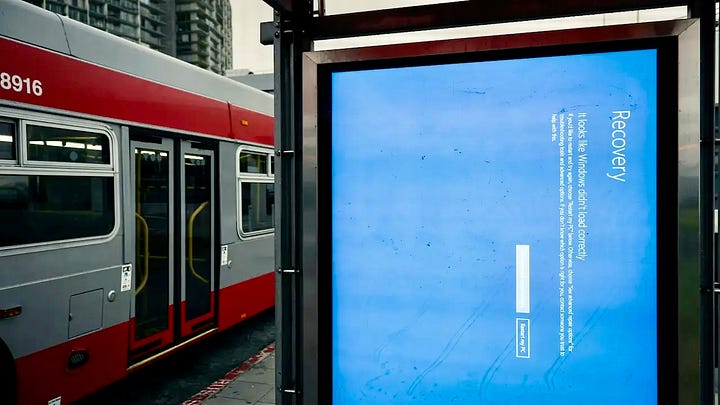
Let’s not forget the thousands of nonpermitted, nonconforming or illegally modified displays that still stand and are in use. Would this put an end to the wild-wild west attitude of some media owners? Could it? Would ombudspeople issue violations, like parking tickets and would it even matter to the OOH audiences?
With over 450,000 sign faces currently in service in the U.S., these positions would have their work cut out.
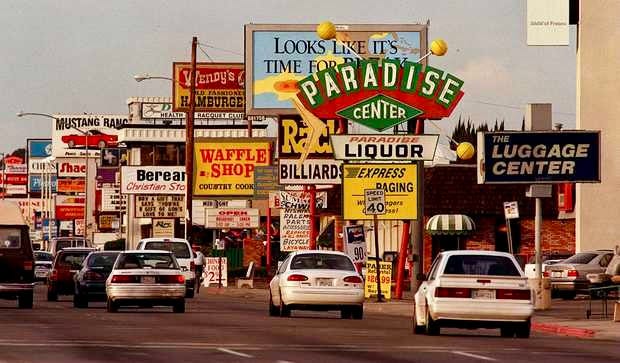
The big question is, would all this be worth it? Would the ombudspeople (you would need a whole task force to cover this much ground) not be welcome at OOH conferences? Would other attendees throw food at them? Who would benefit the most, the brands, the agencies? Would they dare to be seen at the Screenverse late night parties or would all head to an all-night Waffle House to stay discreet?
Perhaps we may be better off continuing the policy of OOH media policing their own properties? We might just be. Would the fear of being outed be enough for them to step it up? Would an independent ombudspeople task force increase OOH share of ad dollars? Would they increase the overall value of all the OOH in the U.S. if someone was there to enforce whatever guidelines we as an industry set?
Would it be good to have someone outside of OOH have our backs?
Years ago, the major film studios all had “film checkers”, they would show up unannounced at a movie theatre, buy a ticket, watch a show usually with some refreshments and write reports up (projection and sound ok, theatre cleanliness, ticket prices, etc..) and the theatre owner would get a copy like a week later. Theaters with the high scores continued to receive the hit films.
Billboard checkers? Perhaps? Maybe? Is it a stretch?
We used to schedule lots of market rides, like film checkers, only for OOH. But with all the new digital inventory out there, place-based, urban panels, retail media, does anyone even attempt to monitor those buys with human eyes?
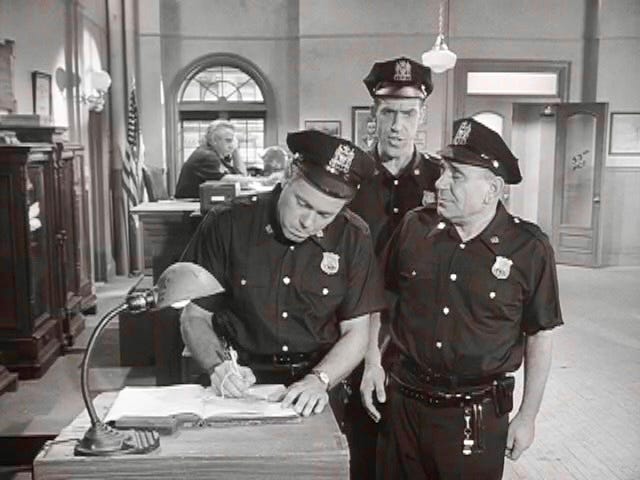
No doubt, billboard (OOH) checkers would be a lot of work. Either way you go, it’s a monumental question. All I know is I don’t want to be that guy with the OOH Sheriff badge eating at a Waffle House at 2:30am after the next OOH Conference in Fort Lauderdale.
Alone.
No posts
Comments
Nothing yet. Say the first thing.
Sign in to join the conversation.