
I recently saw a social media post lamenting how in the 1990s, a salesman at Sears was able to make enough to afford a home, take vacations with his family, and live a good life. I then saw a similar post about a woman who began working for Macy’s in the ‘80s.
Then a friend explained that when he was a kid in the ‘80s and ‘90s, his mother was friends with her bag lady at the local grocery store. She had the same job for around 20 years, and while no one ever achieved Warren Buffett levels of success bagging groceries, she made enough to own a small house that was not too far from the store where she worked.
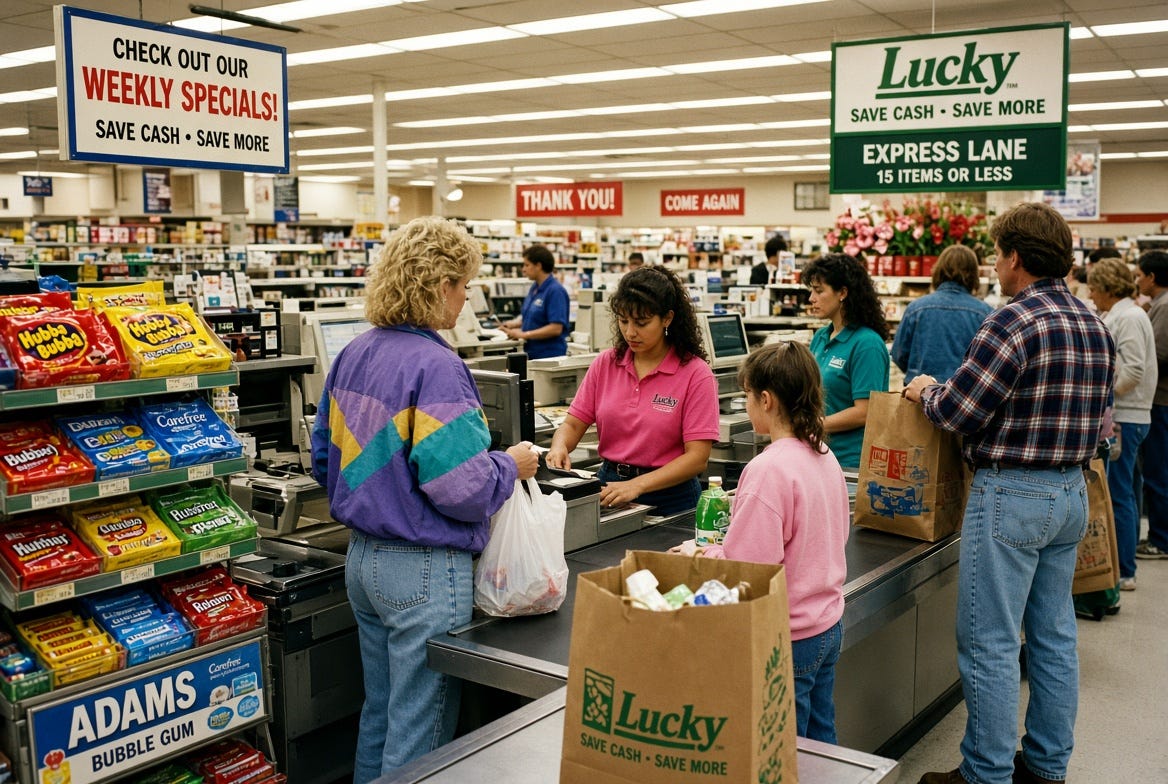
And it got me thinking. This is the American Dream. While our astronauts, great investors, scientists, athletes, artists, and military heroes are rightly emblematic of the American Dream, so too were the retail workers who, over decades in the same job, got to know their customers, befriended them, and became part of the neighborhood by achieving the dream of home ownership—an implicit part of the American Dream.
Dollar-for-dollar, someone working at a department store makes more than they did in 1988 or 1995, but few today could own their own home even after many years of hard work and friendly service. This should worry all of us.
There are many reasons for this. Mass migration has had a uniquely negative impact on both the housing market and job market. This was something regularly said by Charlie Kirk, and he of course was correct.

Secondly, institutional investors buying up homes on a speculative basis have both priced out normal homeowners and reduced the supply of single-family homes that are owned by families. President Trump is the first national leader to both acknowledge and do something about this problem.
Thirdly, while economic factors such as e-commerce have taken away formerly stable brick-and-mortar retail jobs, this is not the only factor at play. The acculturation brought about through many factors, but primarily mass migration, has made both our main streets and our malls far less attractive than they were in the 20th century. This is a major disincentive when it comes to any impetus to retain or expand retail stores, both large and small.

The out-of-control crime that spread nationwide during the Biden administration was also a huge disincentive for Americans who just a few years earlier were much more eager to leave the house to shop, eat, and be entertained. New habits formed, and it will take a lot of investment to bring these people back out of the house. Here’s a hint: restaurants that look like bland gray boxes and retail staff who don’t speak a word of English are not going to solve this either.

Interest rates, which remain too high to jump-start the American Dream, are not helping the matter either. Here again, President Trump has been proven correct.
So you see, for each of these problems, there is a solution. But in order to fully implement these solutions at a national scale, there needs to be an acknowledgment of these problems by all of our elected officials, not just in Washington, but at a state and local level.
Wall Street executives and small business owners must acknowledge it too. So too must consumers.
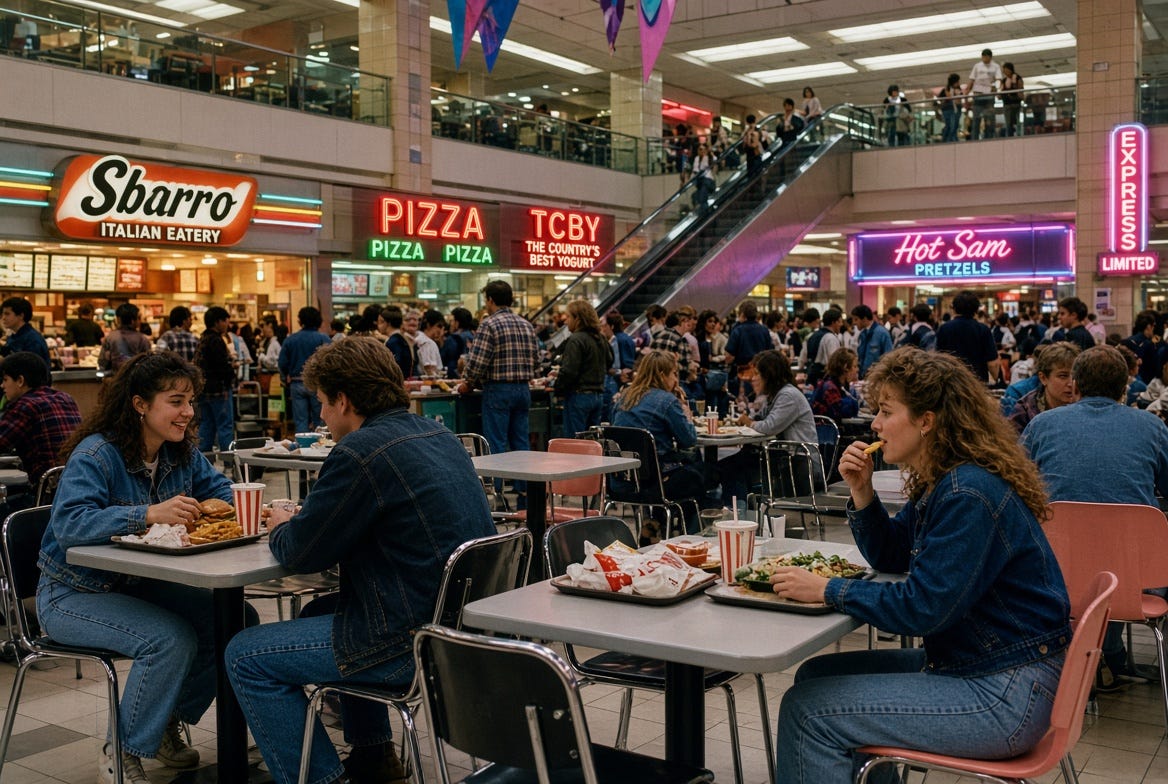
If we can admit where we have gone wrong, we can redouble our efforts to make things right. It pains me to see how much healthier the American Dream was in the late 20th century compared to a 21st century shaped by the three evils of 9/11, the Great Recession, and the Biden administration’s botching of Covid.
But another element of the American Dream, the ability to persevere against all odds in order to make our country great again, helps me retain optimism. Our nation survived the War of 1812, which threatened our newly won independence; we survived a bloody Civil War; we survived the Great Depression; and we came out of two world wars and a Cold War stronger than any other country on Earth.
We can overcome the three evils of the 21st century if we remember who we are as a nation and fight like hell to restore the life, liberty, and pursuit of happiness that is the birthright of every American.
No posts
Comments
Nothing yet. Say the first thing.
Sign in to join the conversation.