
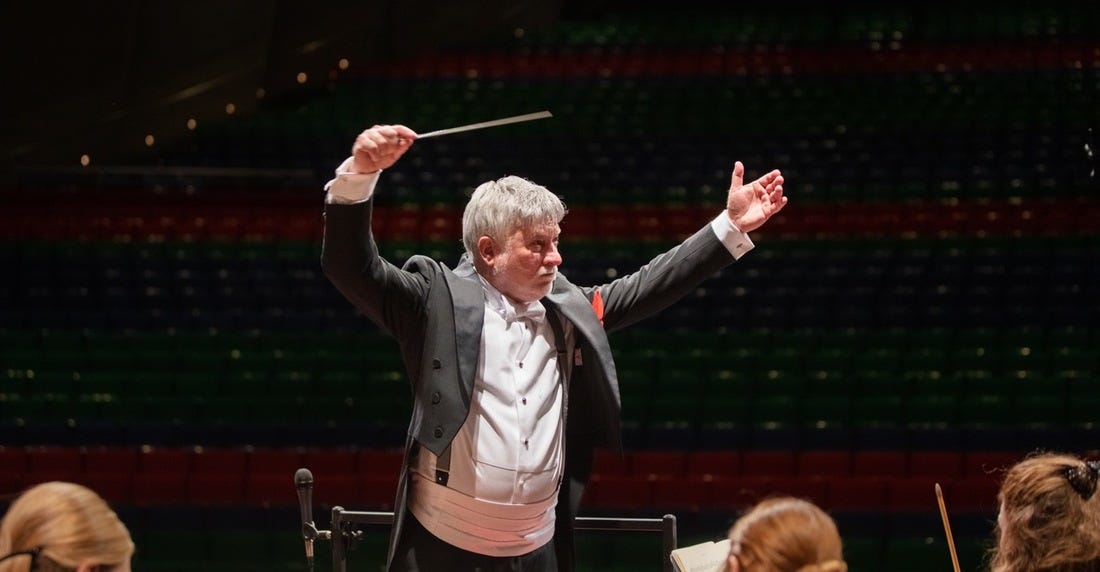
“Without the conductor, every musician may be excellent, but excellence alone does not produce a symphony.”
Coordination is the act of organising and synchronising different elements, people, and functions so they work together efficiently and smoothly.
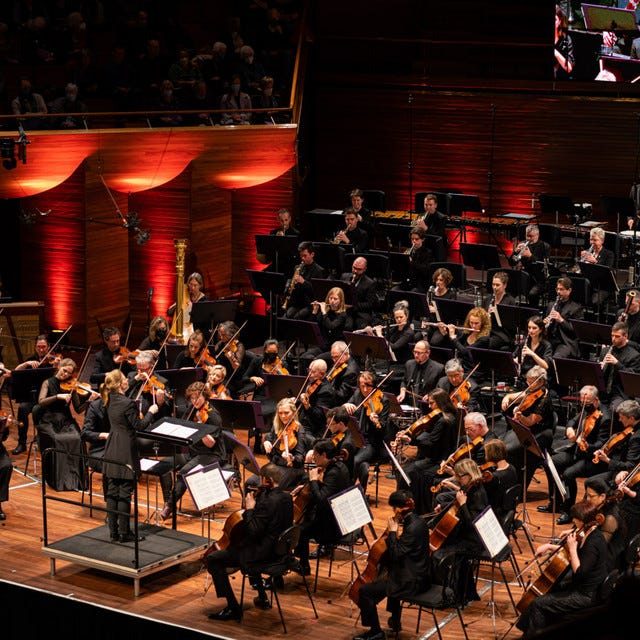
Imagine attending a symphony orchestra where every musician was competing and paid according to how loudly they played.
The violins would try to drown out the cellos. The brass section would compete with the woodwinds. The percussionist would hit the timpani whenever it suited them. Every musician would be trying to maximise their own contribution.
Technically, everyone would be playing music, but collectively it would sound terrible.
I have been thinking about the future of New Zealand’s electricity market a lot lately. It occurred to me that an orchestra is a good analogy for our electricity system which increasingly features variable generation dynamics.
We often talks about electricity generation as though every megawatt hour is homogenous and interchangeable. At the wall socket that is indeed the case.
However, behind the wall socket grid physics mean that a unit of electricity from a wind farm is not the same as one from a hydro station, a geothermal plant or a gas turbine. In reality these are all as different as violins, trombones and drums. They are very different products and their inherent physical characteristics mean that each is suited to a unique role in the overall system.
Hydro is flexible. It can respond in minutes and stores energy behind a dam, making it the conductor’s most versatile instrument.
Wind produces some of the cheapest electricity available when nature cooperates, but it doesn’t decide when it will play.
Solar is the cheapest to generate. It arrives faithfully each morning but leaves every evening, regardless of whether the demand does.
Geothermal provides a steady rhythm section, playing almost continuously throughout the year.
Coal and gas are like the brass section. Expensive to bring on stage, but invaluable when the music reaches its climax and every other instrument isn’t enough.
None of these technologies are inherently better than the others. They simply have different strengths. The challenge for NZ’s electricity system is no longer finding the cheapest instrument. It is learning how to conduct an orchestra whose musicians are becoming more dependent on each other each year.
For most of New Zealand’s electricity market history coordination wasn’t especially difficult. The system was dominated by large hydro stations supplemented by thermal generation from coal and gas. The instruments were relatively few and their behaviour well understood. They were ready to be called on whenever needed and had the capacity to produce a harmonious symphony.
Today the orchestra is becoming much larger. Wind generation is expanding. Grid-scale batteries are becoming more common. Domestic rooftop solar penetration is increasing and recent political announcements will see this continue. More electric vehicles are on our roads and will likely become mobile batteries. Large industrial loads are looking at how they can change the timing of when they consume electricity.
Each new participant adds capability, but each also brings their own proclivities and increases the complexity of coordination.
This is where I increasingly wonder whether our market structure is fit for purpose and is hold us back.
For example Genesis and Meridian are described as competitors by the market but in reality they don’t play the same instrument.
Genesis owns coal and gas generation that excels at producing electricity when little else can. Meridian owns hydro lakes and wind farms that harvest renewable energy with variability across every timescale.
These companies products are not substitutes, they instead complement each other and are both needed. Meanwhile our electricity market expects them to compete rather than coordinate.
In the orchestra analogy it’s like asking the brass section to compete with the violins for who gets to play the melody. The audience doesn’t care who produces each note, they only care whether the orchestra produces beautiful music.
As intermittent and variable output renewable generation grows as a percentage of our system the importance of coordination also increases.
Someone needs to decide when hydro should conserve water for winter and when batteries should charge rather than discharge. When demand should shift and when flexible generation should remain available, even if it runs only a few hundred hours each year and is uneconomic as a stand-alone business unit.
These aren’t simply market problems. The physics dictates that they are systems problems, and complex interlinked systems increasingly derive their value not from the individual components, but instead from how well those components are coordinated.
An orchestra is not a collection of soloists, it is a coordinated whole. Our electricity systems is heading in exactly the same direction.
As generation becomes more distributed, with more woodwinds but less brass, coordination becomes every bit as valuable as the generation itself.
Perhaps that is the biggest challenge facing New Zealand’s electricity market. Not building more instruments, but learning how to conduct them.
P.s.
If you’re finding value in these pieces, the best way to support this work is by subscribing, reading, sharing, and engaging with them.
I publish these pieces freely in the hope they help people better understand the role of energy in our lives.
It costs nothing to subscribe or access the full back catalogue of over 150 articles that can be found here. However, if you choose to become a paid subscriber, that’s greatly appreciated, it allows me to dedicate more time to researching and writing.
Larry
No posts
Comments
Nothing yet. Say the first thing.
Sign in to join the conversation.