
Each week, our editors select a New Yorker story for you to read: something timely, something important, or something unexpected—or, even, perhaps, all three. To support journalism like this, consider subscribing.
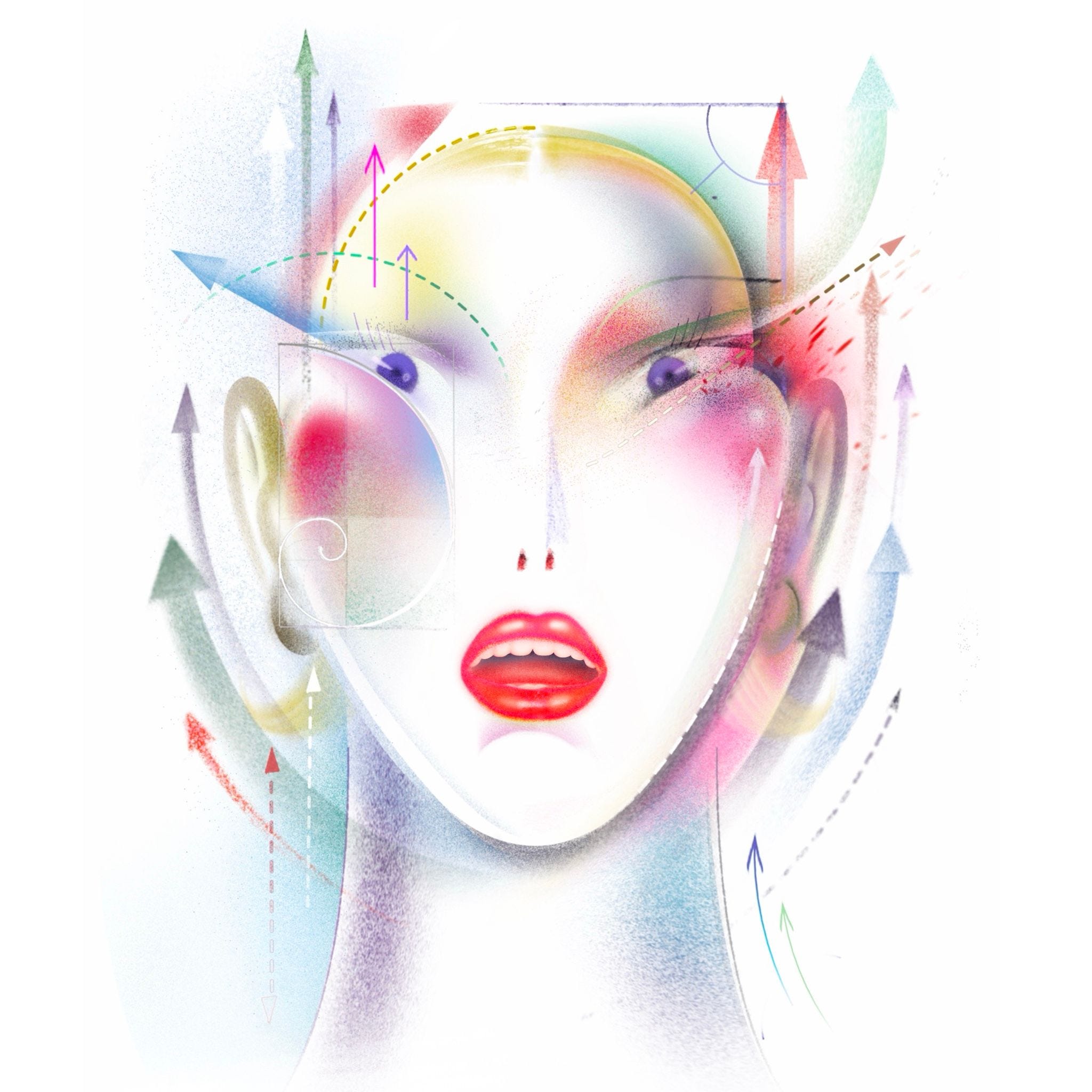
As cosmetic procedures become both more invisible and more extreme, our connection to reality is fraying.
To borrow a phrase from Simone de Beauvoir, the face is not a thing but a situation—one that is, increasingly, more technically beautiful but more spiritually unattractive, replete with new information but devoid of human meaning. Today, the young inject their faces and look old; the old inject their faces and look uncanny; a twenty-year-old got famous for hitting himself in the jaw with a hammer to become hotter; teen-agers ask strangers on the internet if a facelift is their only hope. The internet casually scrambles basic ideas of personhood, reframing people as commodities and stripping us for parts. But only recently has this process been encoded so specifically onto the face, traditionally thought of as a portal to our humanity. The face is separating from the person, and the person is separating from the soul, and this is happening in front of us, on our phones, in the most banal fashion, every day.
About a decade ago, the most visible faces on Instagram—those belonging to famous white models and influencers—began to resemble one another. They already had full lips, catlike eyes, high cheekbones, flawless skin; Botox and filler made their lips more plump, their eyes more catlike, their cheekbones more pronounced. They began to look like cyborgs, their faces contoured by the algorithm, perpetually glinting in the light of digital approval. Looks, particularly for women, have long been a capital asset, and smartphones systematized this neatly, providing users with digital tools to make themselves appear more beautiful in photos and videos, and monetized platforms to broadcast those edited faces, which, back in the real world, could then be retrofitted, via cosmetic intervention, to match. The cycle of digital and physical optimization produced a new ideal and new habits. The needle tip of a cosmetic syringe measures roughly a quarter of a millimetre: the Overton window of what happens to faces has widened in almost imperceptible increments.
Also from The New Yorker:
Comments
Nothing yet. Say the first thing.
Sign in to join the conversation.