Can “Predictable Delivery” be measured?
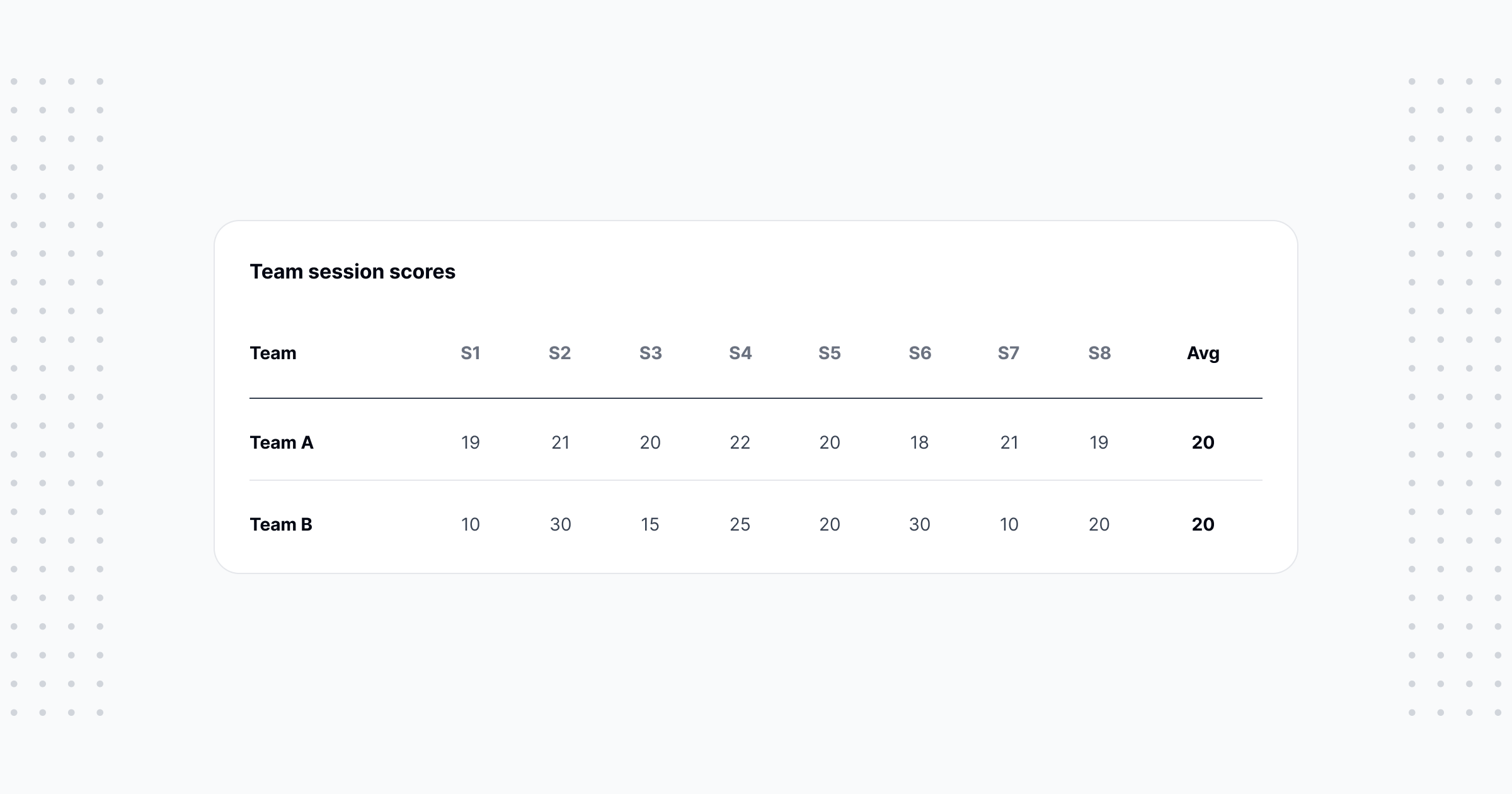
Five statistical techniques for turning delivery history into forecasting confidence.

Research and perspectives on developer productivity.
Subscribe:.rss.atom.json.md.m3u.pls
Overdue Last read · last published · next check
Last read 3 days ago, longer than this feed's 1 day schedule.
Saves to your Listen queue, to pick up on another day or another device.
Five statistical techniques for turning delivery history into forecasting confidence.
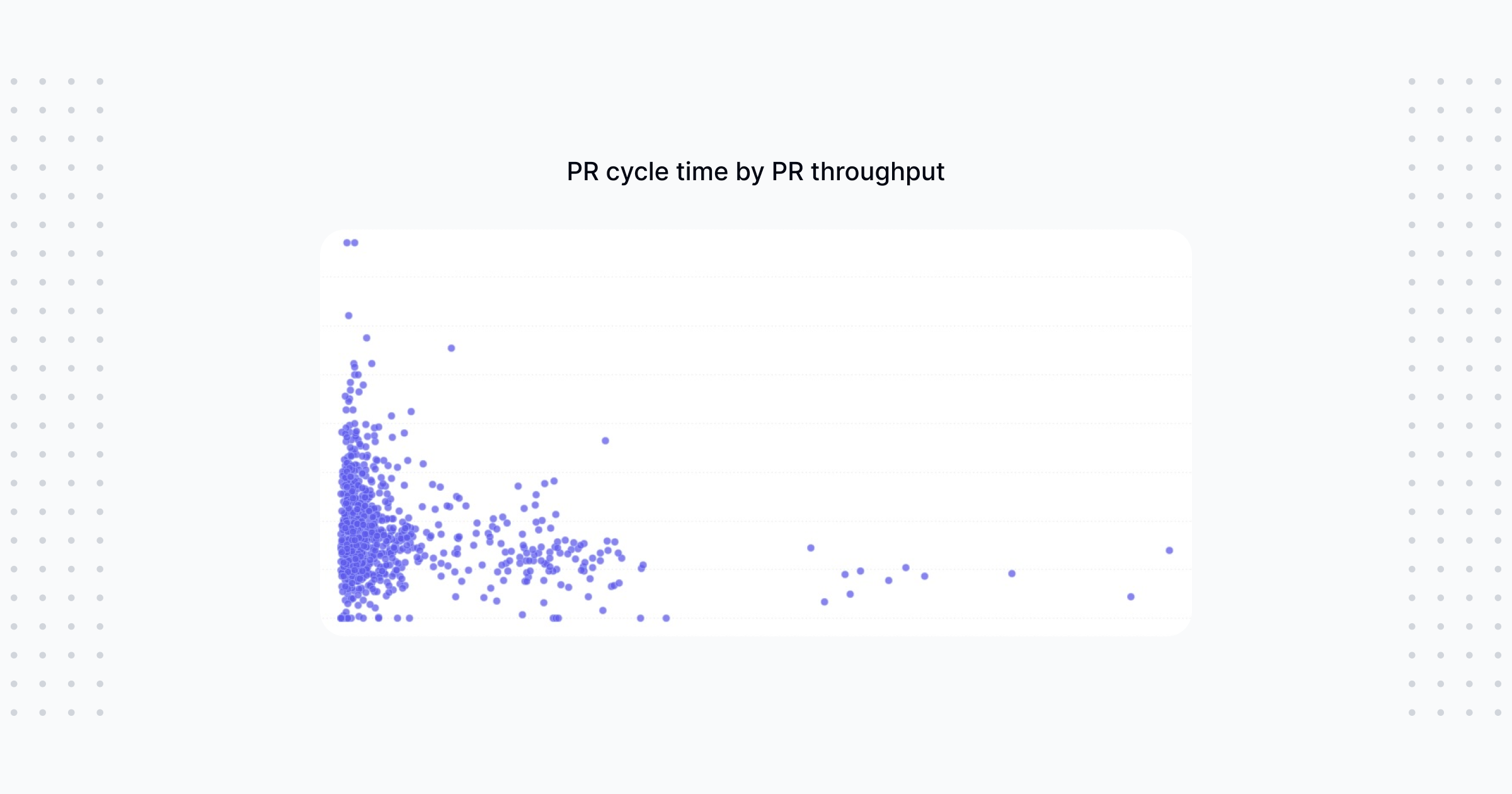
There’s a closer relationship between the two in high-throughput organizations. In low-throughput organizations, there are other variables at play.
Brian Houck and Justin Reock unpack DX’s latest AI Impact Report, exploring where AI is improving engineering velocity and where those gains are failing to translate into better outcomes.
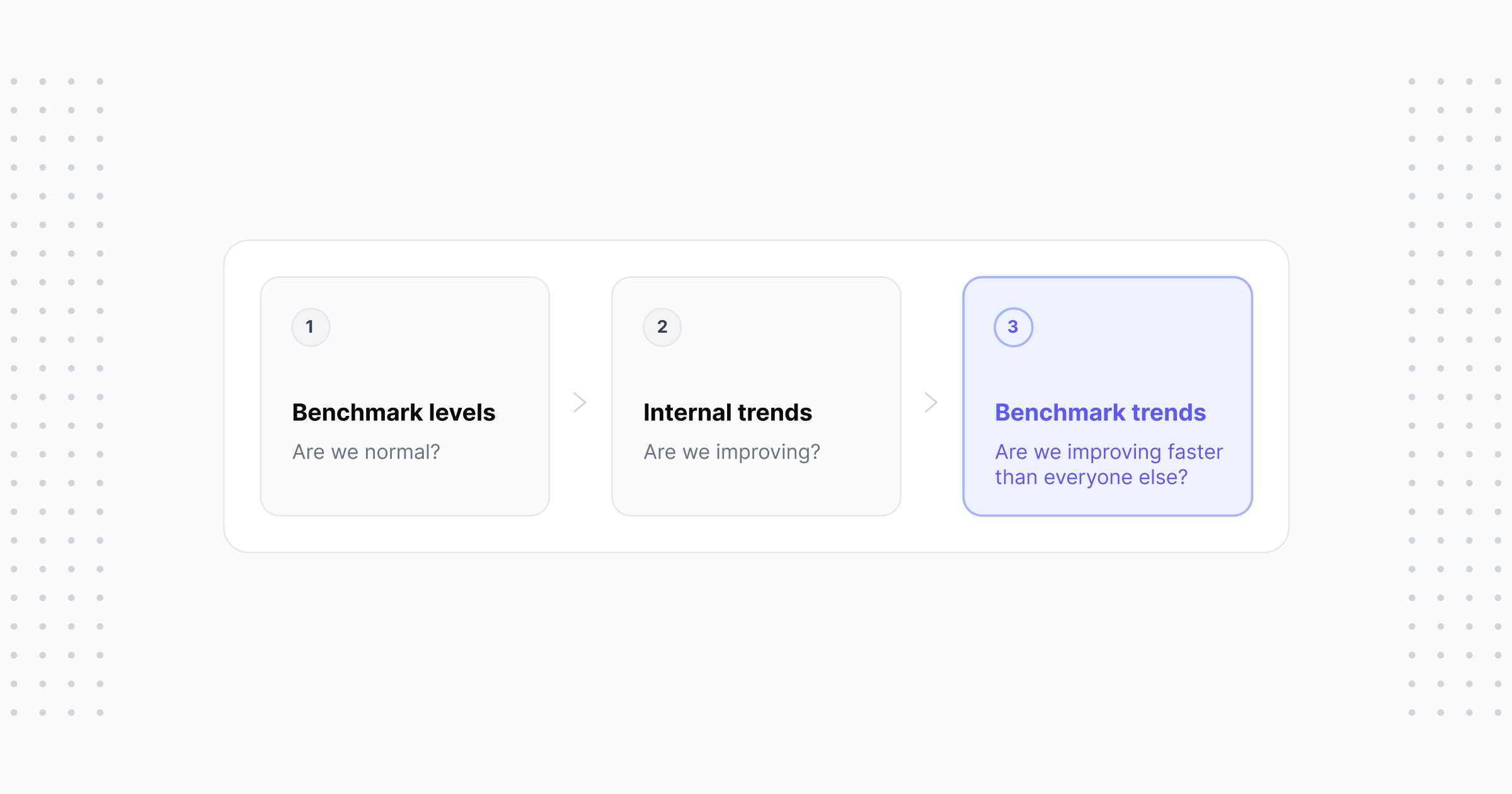
Why benchmark trends matter more than you think.
Next year DX Annual is returning to San Francisco and heading to London for the first time. Here's what to expect and how to register your interest.
Tim Bozarth, Microsoft CoreAI CVP, explains how AI is changing engineering productivity, why outcomes matter more than output, and what engineering leaders should measure instead.
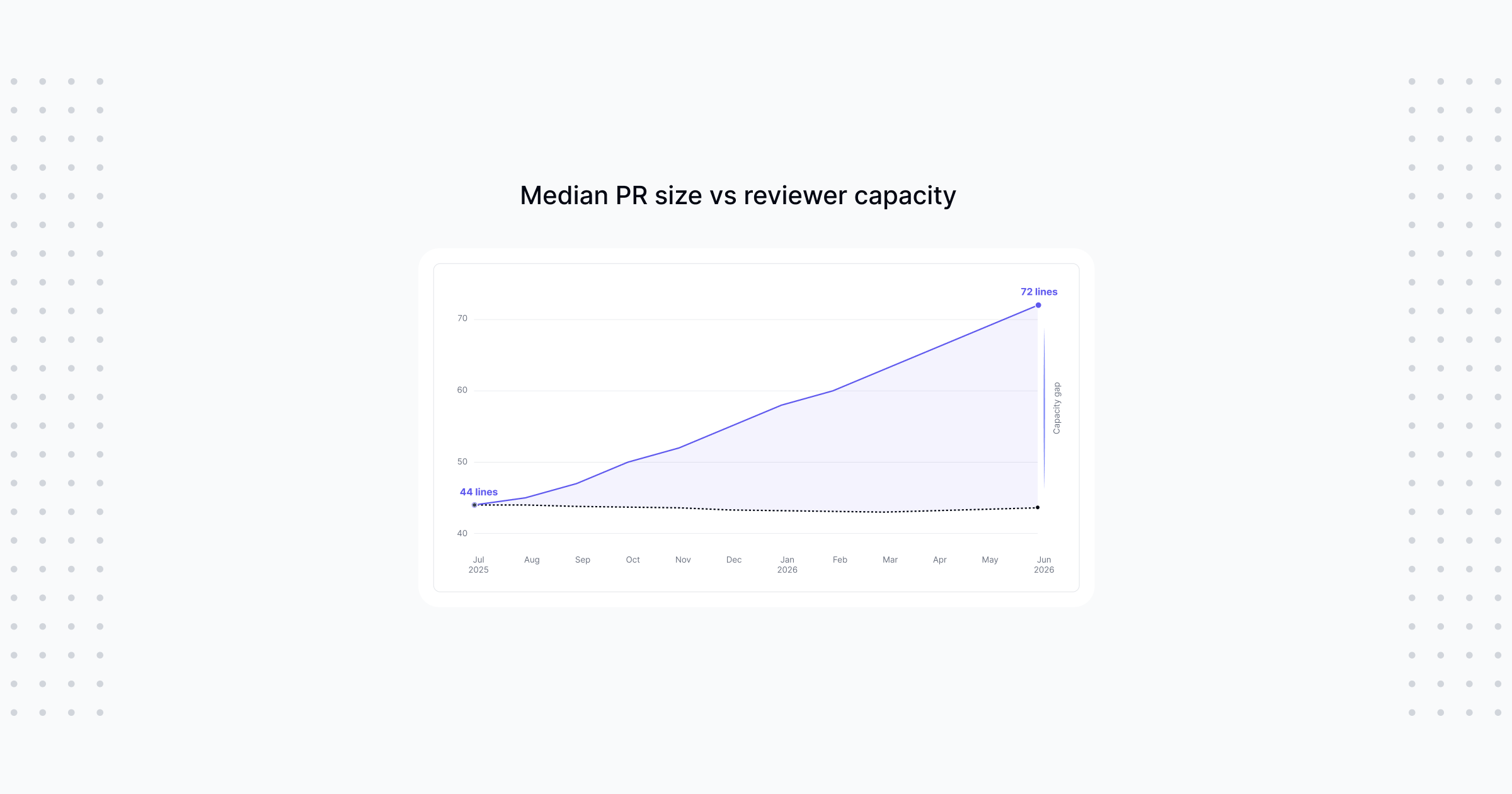
AI didn't break code review. It just made the parts we'd been ignoring impossible to ignore.
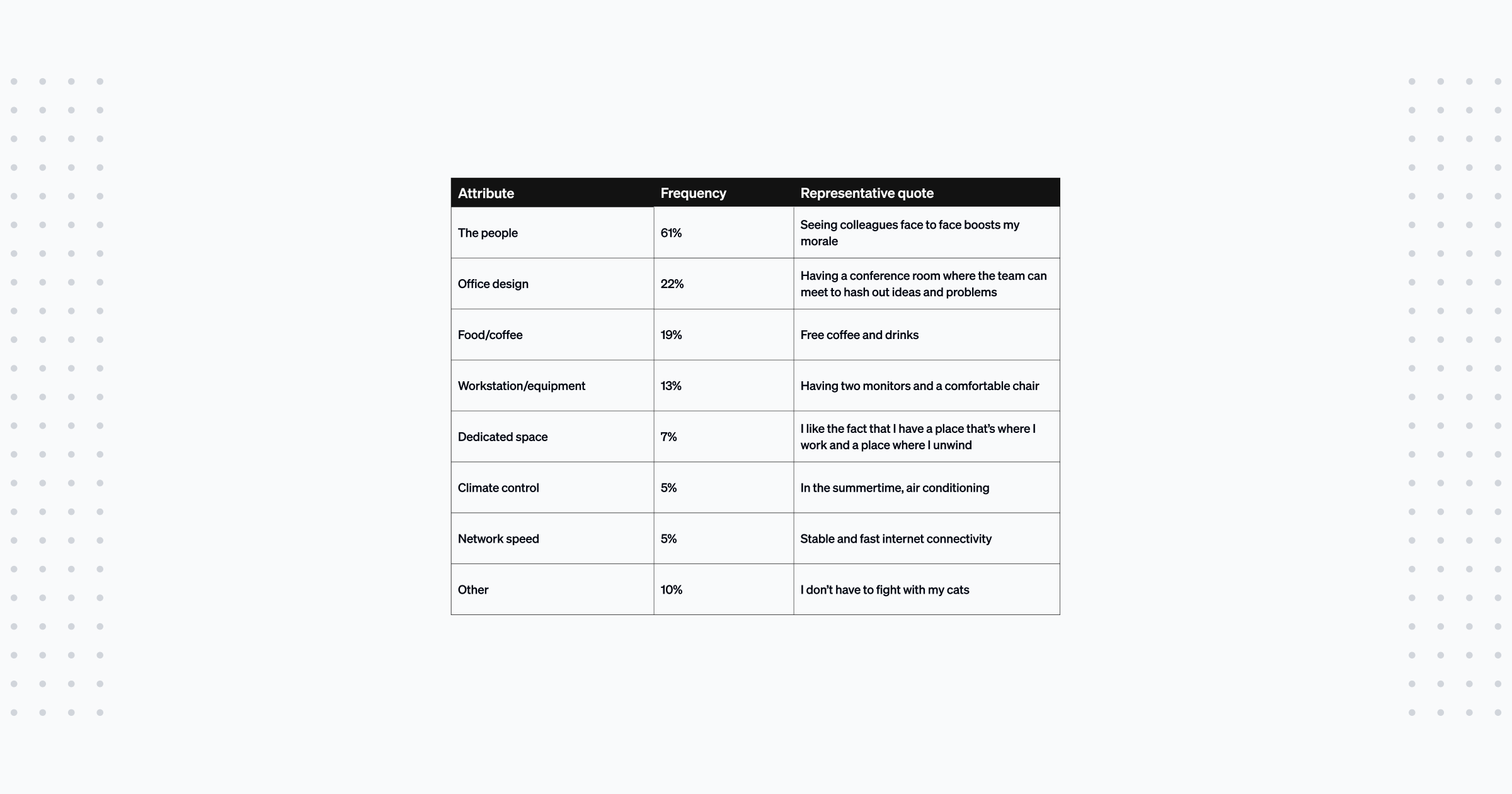
We built metrics to evaluate developer tools. They turned out to explain everything from office design to Daylight Saving Time.
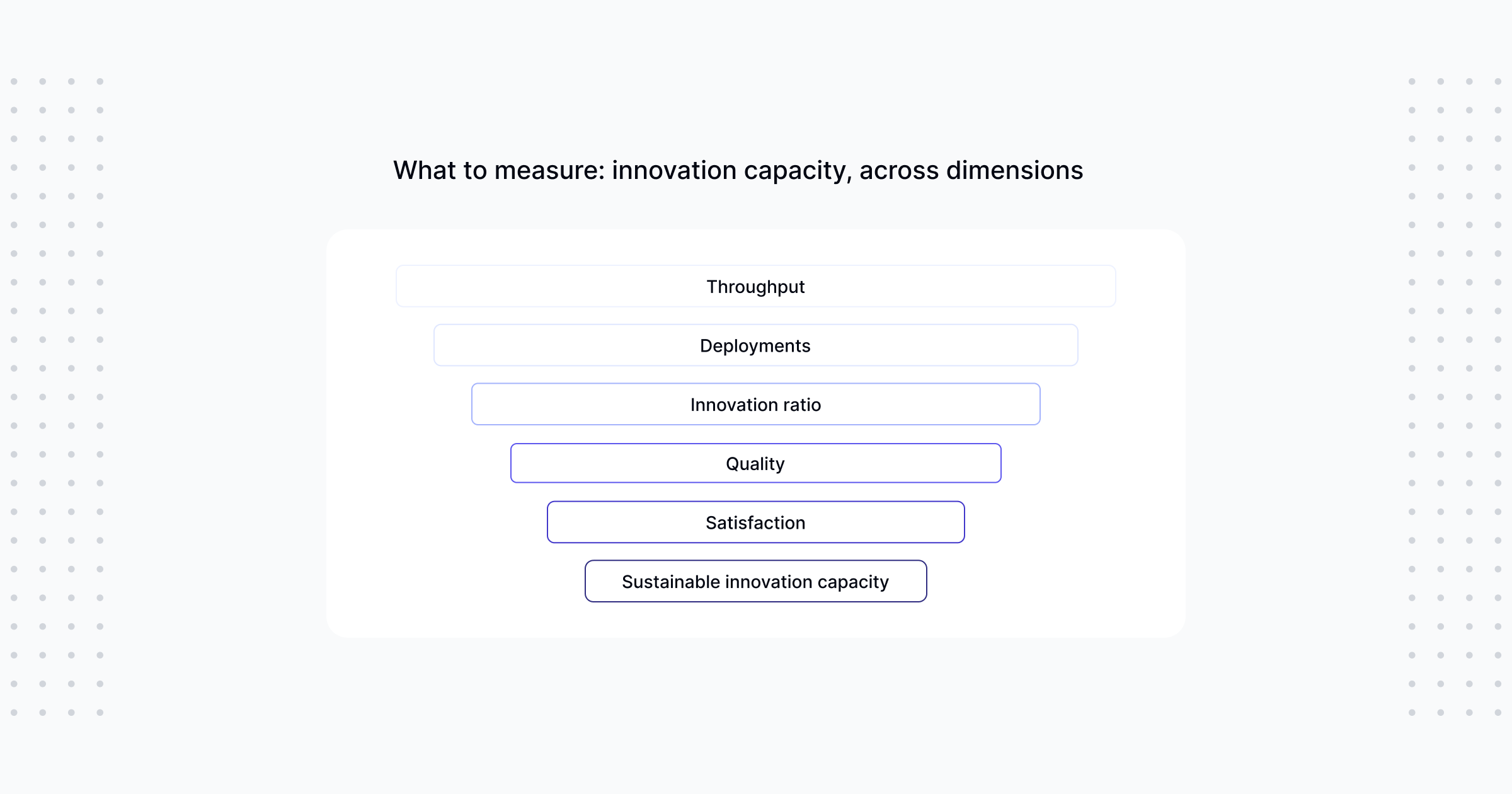
Separate what to measure from how, then measure across dimensions.
Justin Reock and Brian Houck explore how AI coding agents are reshaping engineering metrics and what leaders need to measure in the age of AI.
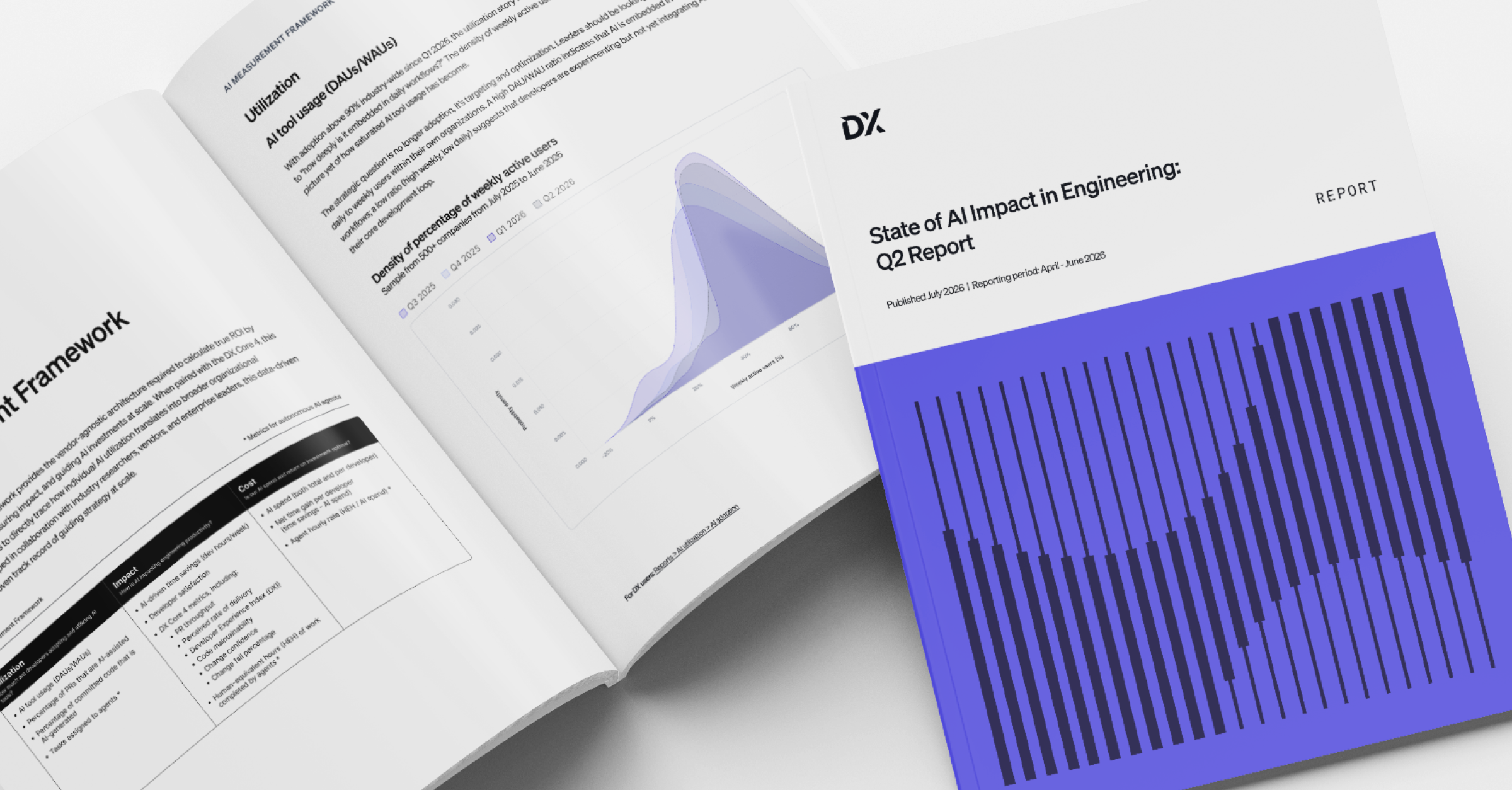
Data from 500+ teams reveals that AI is delivering measurable velocity gains, but velocity alone isn't the story.