
22/08/2026
Shrewsbury's businesses are urging for changes in parking policies as rising charges and limited spaces impact visitor spending and duration.
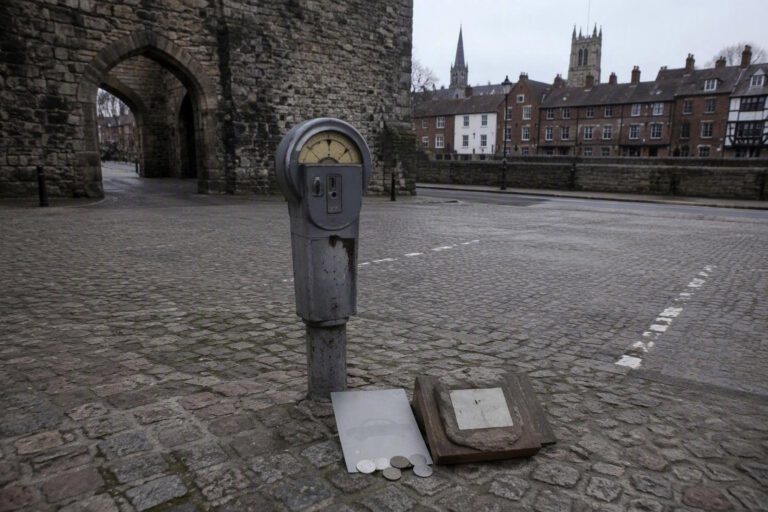
In the picturesque town of Shrewsbury, encircled by the River Severn, finding a parking spot can be a daunting task, especially during the bustling summer months. The town’s medieval charm attracts numerous visitors, but the strain on parking facilities is becoming a significant concern for local businesses.
A comprehensive review by Shropshire Council aims to address these issues, but businesses warn against further increases in parking fees, advocating instead for improvements that encourage longer stays and higher spending.
Seb Slater, representing Shrewsbury Business Improvement District (BID), has been vocal about the economic repercussions of recent parking fee hikes.
Data collected by the BID indicates a notable decline in the duration of visits and the number of parking transactions following a 50% increase in charges at Frankwell car park. This trend raises alarms about the potential long-term impact on the town’s economy.
Economic Impact of Parking Fees
The relationship between parking fees and visitor behavior is a critical issue for Shrewsbury’s businesses. Slater emphasizes that higher parking costs can deter visitors from spending extended periods in the town, directly affecting their spending power. For instance, the increase from 70p to £1.20 per hour at Frankwell car park has led to a 21% drop in hours purchased and an 11% decrease in transactions. This trend suggests that visitors are either choosing to spend less time in Shrewsbury or opting for alternative destinations with more affordable parking.
Despite the fee increases, there is limited evidence to suggest that visitors are switching to more sustainable travel options like bicycles or public transport. While there has been a slight uptick in the use of park and ride facilities, the This raises questions about the effectiveness of current parking policies in promoting sustainable travel.
Proposed Solutions and Council Response
In response to these challenges, Shrewsbury BID has proposed several innovative solutions to enhance the town’s parking infrastructure. These include the implementation of pay-on-exit technology and the addition of extra floors to existing car parks, known as ‘car park decking.’ These measures aim to increase parking capacity and improve the However, the council’s response has been cautious, highlighting the need for balanced solutions that address both economic and environmental concerns.
The council has defended the current parking charges, stating that they are competitive with other towns and cities. However, they acknowledge the need for additional revenue streams to support stretched budgets, given the limitations in government transport funding. The council’s spokesperson emphasized the importance of finding a middle ground that benefits both businesses and visitors.
Controversy Over Free Council Parking
Another contentious issue is the provision of free parking for council staff at Frankwell car park. Slater claims that up to 320 spaces a day are occupied by council employees, resulting in a significant loss of revenue for the authority. The council, however, argues that these parking arrangements are part of a broader strategy to reduce office costs and that the free spaces have not impacted public parking availability.
Despite these parking concerns, Shrewsbury has seen a slight increase in visitor numbers, with footfall up by 0.4% in the first half of the year. However, spending in the town center has decreased by 5.1%, indicating that visitors are staying for shorter periods and spending less. This trend underscores the urgent need for effective parking solutions that can boost both visitor numbers and spending.
As the review progresses, the council will consider a report later this year to address these pressing issues. The outcome of this review will be crucial in determining the future of Shrewsbury’s parking policies and their impact on the town’s economic vitality.

James Whitfield grew up in Manchester watching Sunday football, then carved a career covering Premier League weekends and F1 paddocks. Knows the difference between xG noise and signal.
Comments
Nothing yet. Say the first thing.
Sign in to join the conversation.