
WASHINGTON — On the wall of the Reliable Sources bar here on the 13th floor of the National Press Club Building in Washington, D.C., is a plaque reading: NATIONAL PRESS CLUB RETAIL CLASS C LICENSE NO. 1.
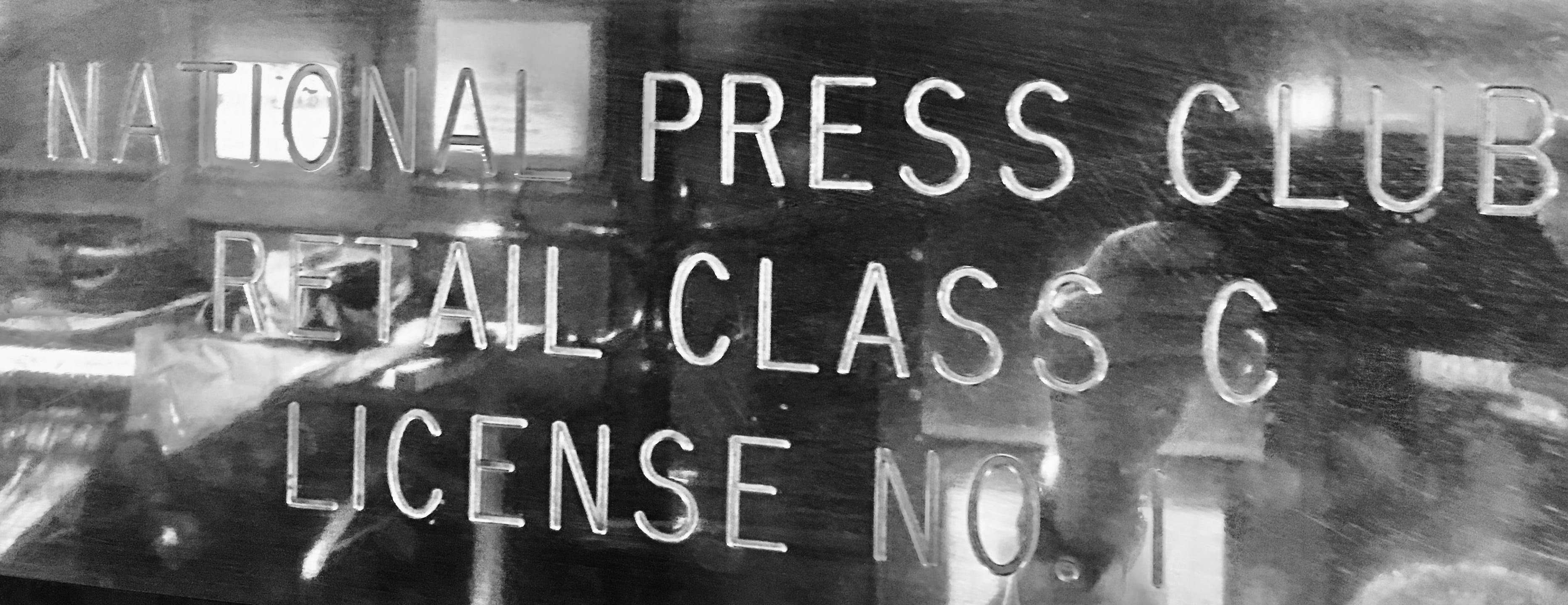
The premier alcohol permit dates to the moment the Twenty-first Amendment finally went into effect in the District of Columbia. At one minute past midnight on March 1, 1934, D.C. Commissioner George E. Allen, in a broadcast over radio station WJSV, handed the precious license to William C. Murphy, the president of the National Press Club. Immediately, Julius Reiners, the National Press Club’s manager, gave the nod to staff to open and serve a just-delivered case of MacNair’s Special Reserve Pure Scotch Whisky, according to a recent account written by investigative journalist Bill Hogan.
It had been a long dry spell. Since 1917, two years before nationwide prohibition had gone into effect, it had been illegal to have a drink in the nation’s capital. For many it was a technicality. Bootleg booze was widely available, including moonshine, bathtub gin and premium brands.
Bootleggers operated openly at the corner of 14th and Pennsylvania NW, across the street from police headquarters. One of the dealers’ clandestine pickup points was two blocks away in the shrubbery at the White House fence.
Members of Congress smuggled bottles back into the country from their overseas junkets, claiming immunity from baggage inspections. Many embassies used the diplomatic pouch and sold the contents (often refilled with lower quality libations) on the black market.
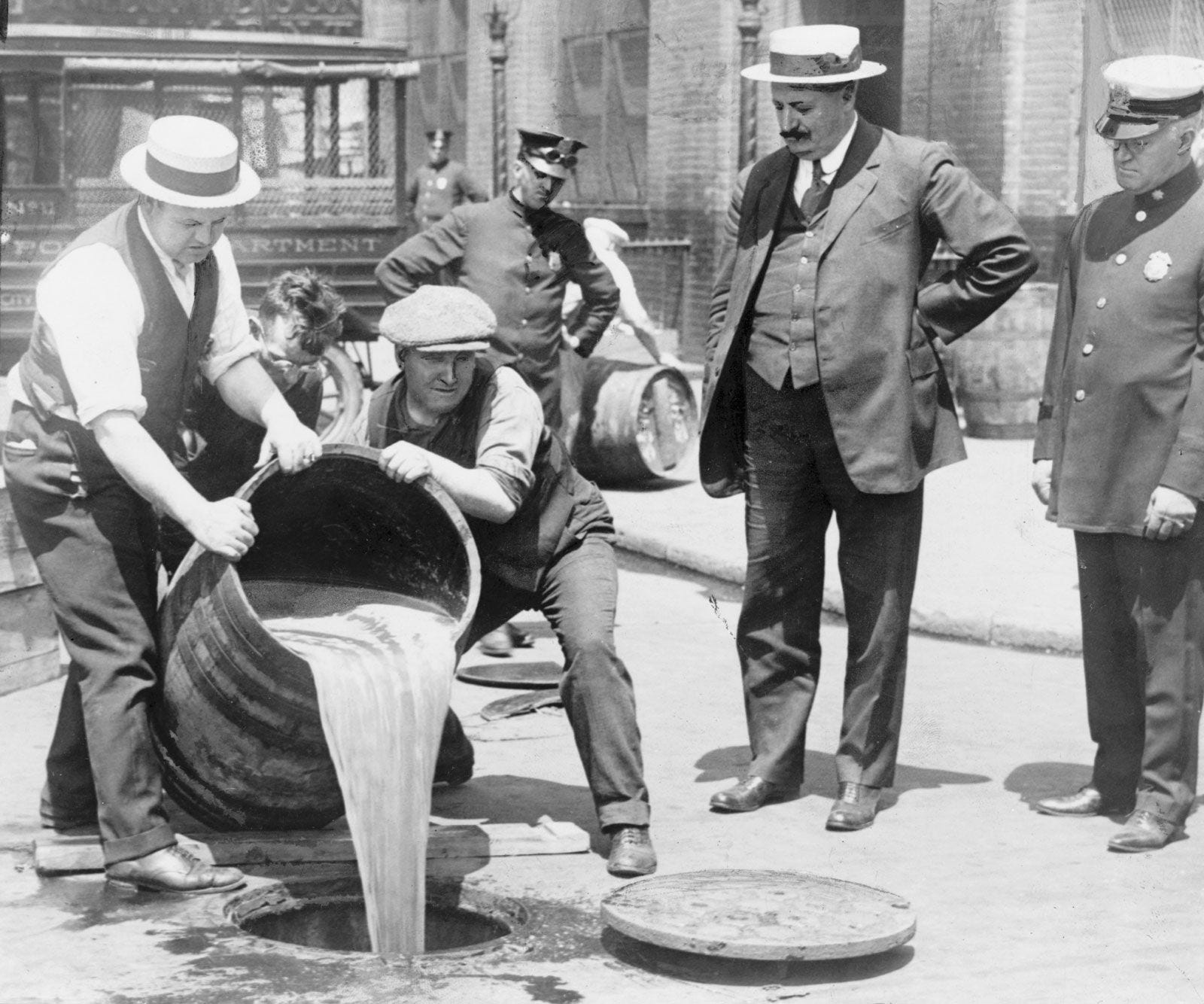
National alcohol prohibition in the United States grew out of nearly a century of temperance organizing that the Anti-Saloon League turned into a disciplined political machine, powerful enough to write its cause into the Constitution. But passing the Eighteenth Amendment proved easier than enforcing it and the fight over enforcement transformed the U.S. Supreme Court itself, producing the automobile exception to the warrant requirement, the first fight over wiretapping and privacy, and Chief Justice and former President William Howard Taft's sweeping reorganization of the federal judiciary.
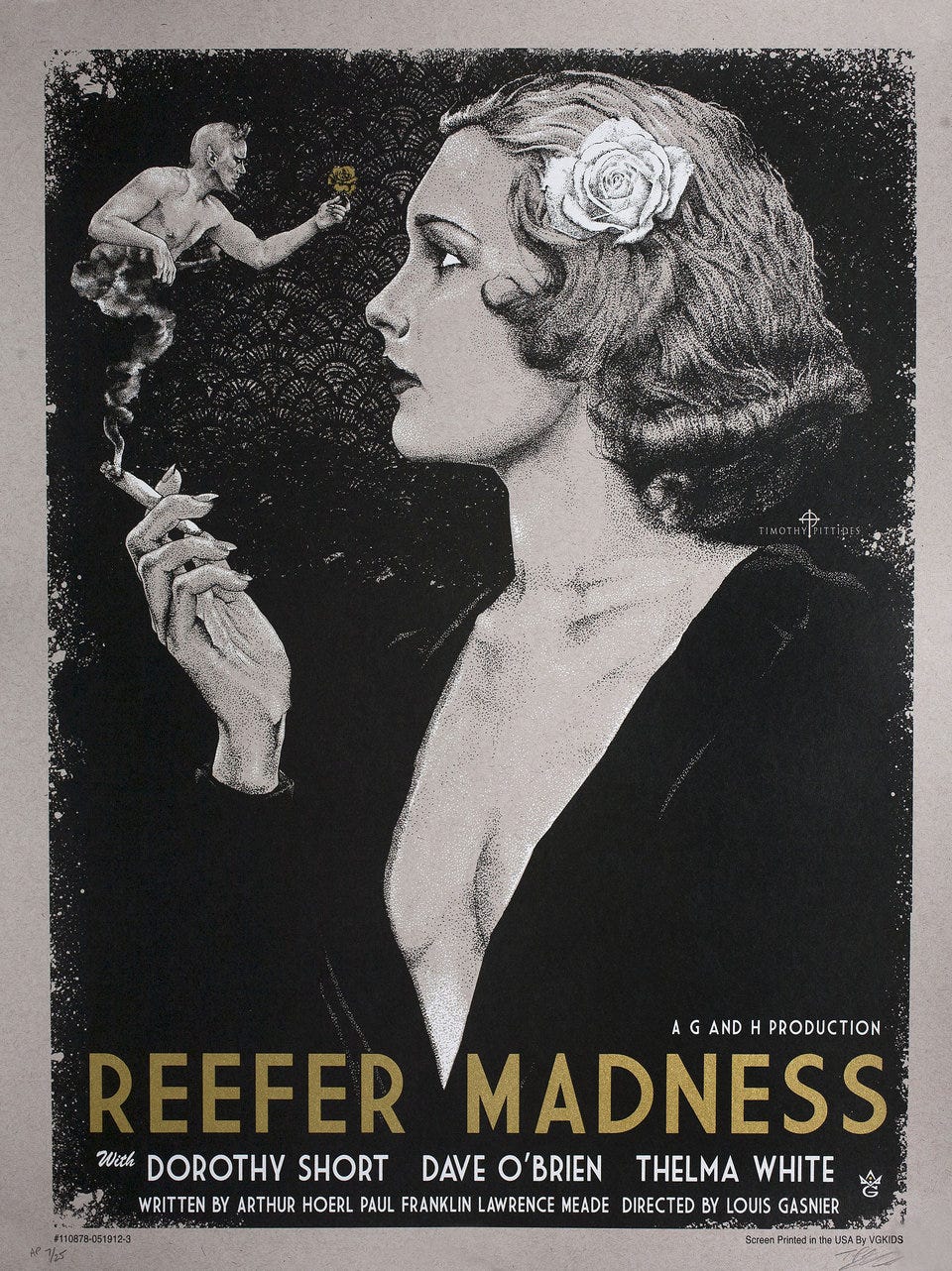
Marijuana prohibition followed a very different path: no Constitutional amendment, just federal statute — which means the anti-commandeering doctrine lets states legalize what Washington still forbids, creating a patchwork where cannabis is legal under state law and illegal under federal law at the same time.
On this week’s episode of our radio show/podcast, America at 250: Due Diligence, historian Richard Hamm (SUNY Albany) explains how the temperance movement won after a century of failure. Yale Law School’s Robert C. Post traces how prohibition enforcement remade the Supreme Court's power and jurisprudence. And Vanderbilt University Professor of Law Robert Mikos lays out why marijuana federalism looks so different from alcohol's — and why he thinks federal legalization is inevitable.
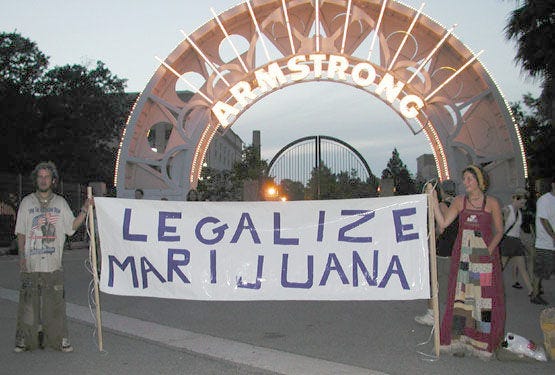
No smoking of any kind is permitted inside the National Press Club. But on the sidewalk 13 stories below the Reliable Sources bar, the smell of cannabis is common in a city with licensed medical marijuana dispensaries and grey market outlets, not to mention the traditional street corner dealers. Possession is legal, although public consumption remains a criminal misdemeanor, usually resolved in the rare case of citation by payment of a $25 fine, reminiscent of the open defiance of Prohibition.
Comments
Nothing yet. Say the first thing.
Sign in to join the conversation.