
Who should decide what Americans believe—and what happens when government takes a side? It’s a question that couples religion to politics, which has created high-voltage tension on this continent back to colonial times. We seek some answers in the first of twin episodes of our weekend radio show, America at 250: Due Diligence, produced by Jordan Center for Journalism Advocacy and Innovation in cooperation with the Radio Free America ™ project.
The First Amendment of the U.S. Constitution prohibits the establishment of religion while protecting its free exercise. But the phrase most closely associated with that principle—a “wall of separation between church and state”—does not appear in the Constitution. It comes from an 1802 letter written by President Thomas Jefferson to the Danbury Baptist Association in Connecticut.
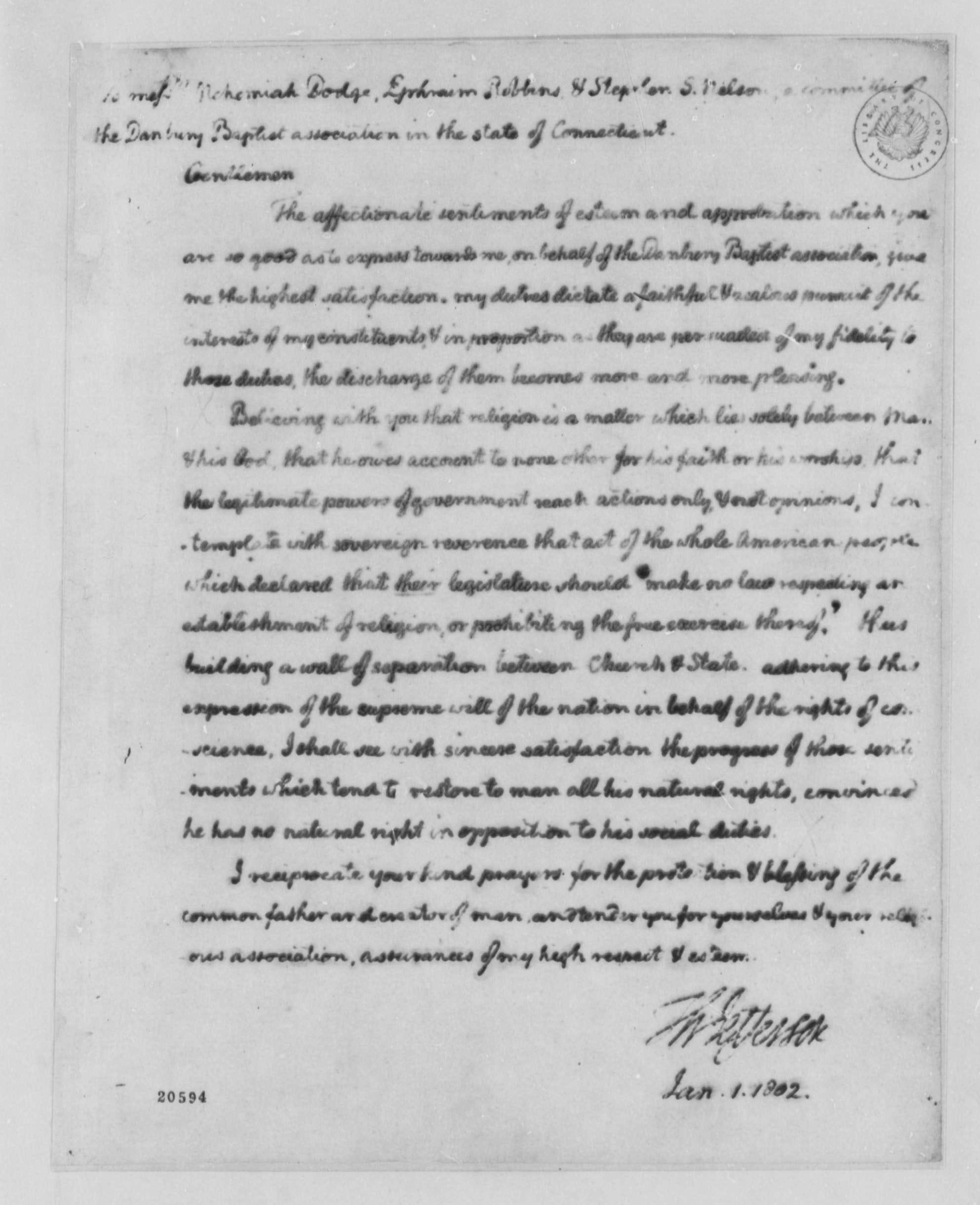
In the latest episode of America at 250: Due Diligence, my co-host, Bill Bernardoni, and I trace the origins of religious liberty from the persecution of dissenting Christians in colonial Virginia to today’s debates over Christian nationalism, the Ten Commandments in public schools and whether the United States should be considered a Christian nation.
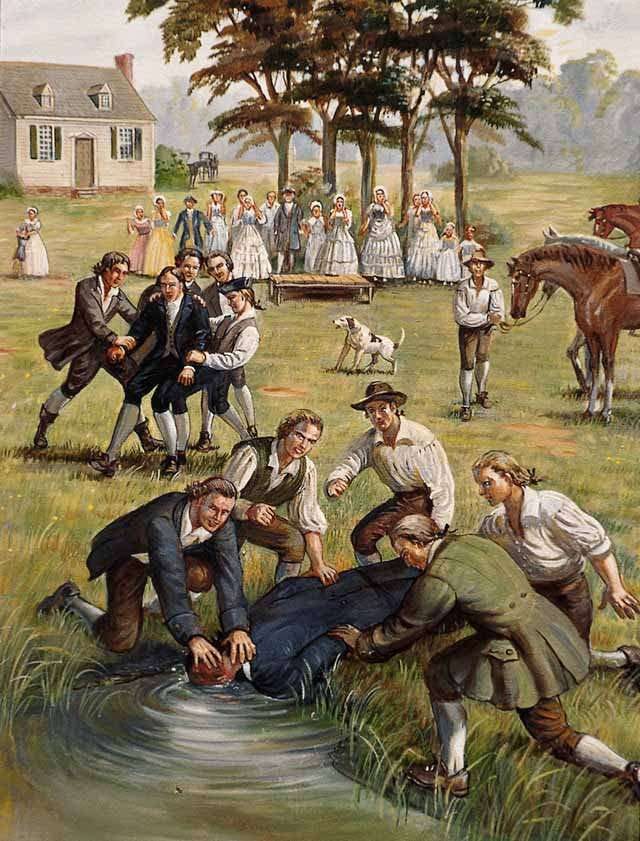
Historian John Ragosta takes us back to colonial Virginia, where the Church of England was the official, tax-supported religious institution. Baptists, Presbyterians, Quakers and other dissenters faced discrimination, violence and imprisonment. More than half of Virginia’s Baptist ministers spent time in jail, often for preaching without government permission. Ragosta explains that these dissenters were not demanding freedom from religion. They were deeply religious people who believed government interference corrupted genuine faith. As the American Revolution approached, their political support became essential—and they demanded an end to church taxes and religious restrictions, as well as eliminating state control over marriage, poor relief and the placement of orphaned children. Their struggle helped shape the Virginia Statute for Religious Freedom, the aforementioned Jefferson letter to the Danbury Baptists and the First Amendment. Ragosta argues that figures such as Jefferson and James Madison saw religious liberty not only as a political principle, but as a safeguard against the persecution and conflict that followed whenever government claimed the authority to define legitimate belief.
We also were fortunate for this episode to interview Russell Moore, editor of Christianity Today and a former Southern Baptist Convention ethics leader. Moore explains why Baptists once stood among the strongest defenders of church-state separation—and why he believes parts of the modern Christian nationalist movement have abandoned that tradition. He also weighs in on the debate over posting the Ten Commandments in public schools, the difference between teaching students about religion and imposing religious belief and the difficult question of who decides which version of scripture receives government approval. Moore, who prior to entering ministry was an aide to Rep. Gene Taylor of Mississippi, argues that faith spreads through individual conviction and persuasion, not through laws, political power or state decree.
From imprisoned Baptist ministers and Jefferson’s “wall of separation” to public-school classrooms and the modern Christian nationalist movement, our examination of why some of America’s most committed believers fought so fiercely to keep government out of religion reveals that separation of church and state was not necessarily created because the founders believed religion was dangerous. Many believed faith was too important to entrust to political leaders—and that once government gained the power to promote one religion, it also gained the power to suppress another.
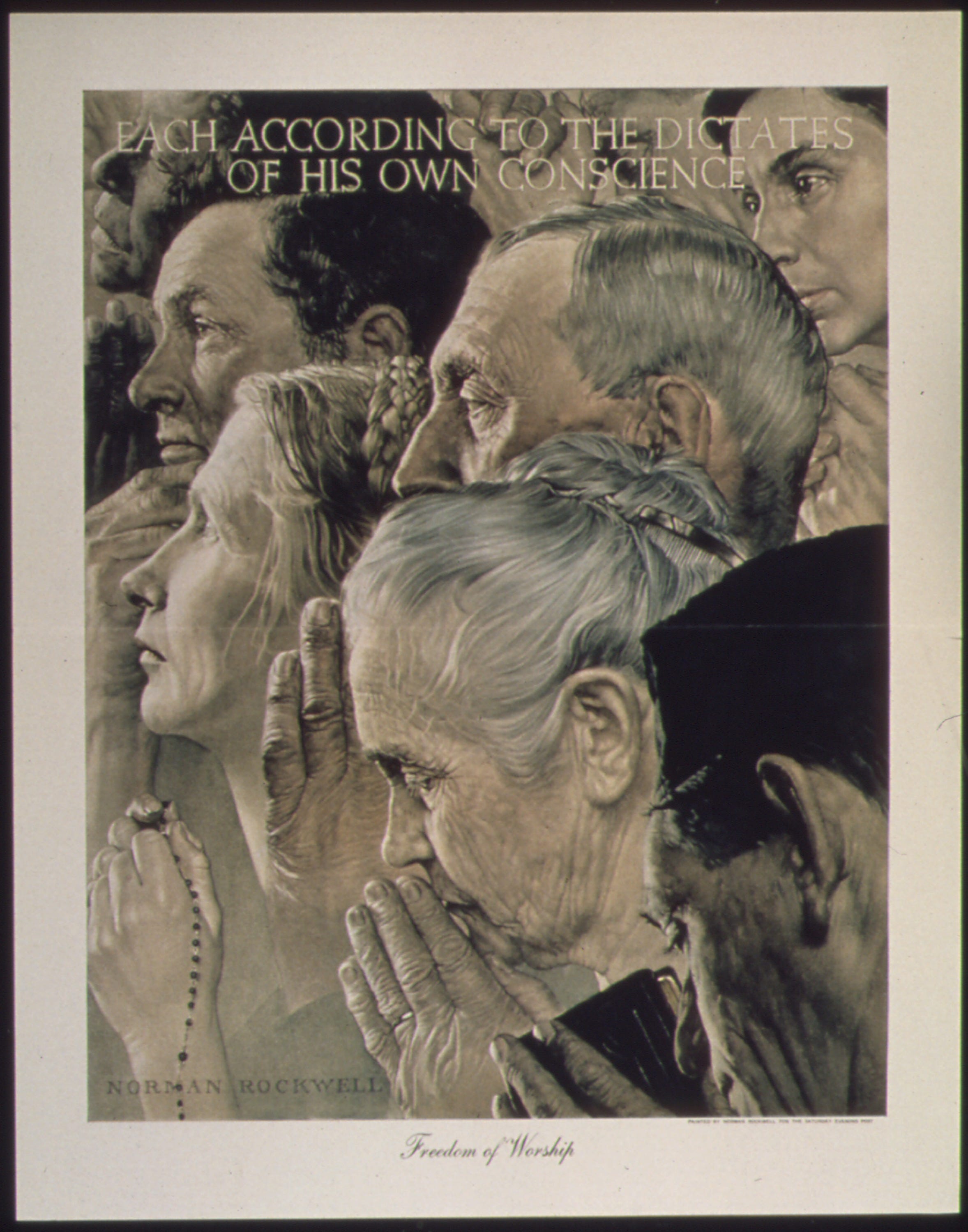
Does separating church and state protect Americans from religion—or does it protect religious faith from political power? Share your thoughts with us here or send the program a private message.
This post is public so feel free to share it.
America@250: Due Diligence is our groundbreaking non-partisan, non-commercial program and podcast that has been picked up by about 90 radio stations* across the United States. Funding for the show comes from civic-minded contributors to the Jordan Center of Journalism Advocacy and Innovation and the support of the School of Journalism and New Media at the University of Mississippi. It is distributed via the Talk Media Network, Public Radio Exchange and the Radio Free America project. If you like what we’re doing with the radio show and podcast, we would appreciate your grassroots support by clicking here.
___
*Among the stations airing the program: KVOI AM 1030 Tucson (Sundays 6am); WVOG AM 600 New Orleans (Sundays 9am); WGBH FM Boston (Sundays 8pm): KSLM AM 1220/FM 104.3 Salem, Oregon (Saturdays at noon); WMQM AM 1600 Memphis (Thursdays 5pm); WITA AM 1490 Knoxville (Saturdays 1pm); WUMS FM 92.1 Oxford, Mississippi (Sundays 9am) and multiple Radio Free America™ transmissions throughout every weekend via WRMI in Florida, the largest commercial shortwave broadcaster in the Western Hemisphere.
Comments
Nothing yet. Say the first thing.
Sign in to join the conversation.