Standard Rice domestication did more than turn a wild grass into a crop. Over generations of cultivation and selection, rice developed traits that made it more useful to humans, including changes in grain size, yield, flowering time and seed shattering. But how these changes emerged at the molecular level is still not completely understood. A recent study at NCBS has identified a regulatory system…
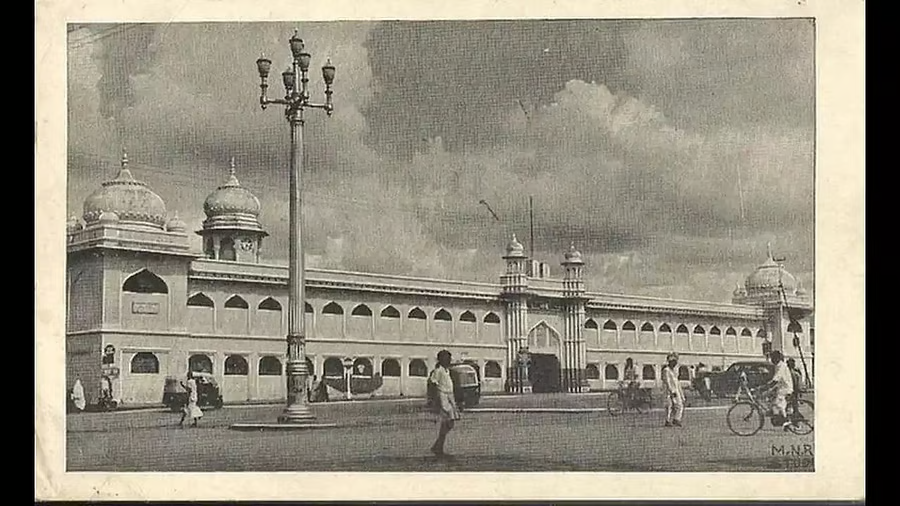
Standard India’s journey from Independence to becoming one of the world’s leading scientific and technological nations is among the most remarkable transformations in modern history. At Independence, the country faced food shortages, low industrial capacity, widespread poverty, and limited scientific infrastructure. The literacy rate was only around 12%, with an even smaller proportion of the…
Standard A broken strand of DNA is one of the most serious threats a cell can face. Across plants and animals, a protein called H2A.X has long been known as one of the cell’s first responders to such emergencies, helping detect and repair damaged DNA. Turns out, this molecular firefighter had another job altogether in rice plants. A new study at NCBS found that H2A.X does far more than respond to…
Standard Flooded paddy fields make rice look like a water plant through and through. In truth, only its wild ancestors are built that way, rooted permanently in shallow water at the edges of lakes and marshes, where water levels stay fairly constant. Domestication moved rice into a different world. Fields are drained, irrigated, and replanted on a human schedule, not a marsh's schedule, and much…
Standard Rice feeds more than half the world's population. But as farmers increasingly shift to direct-seeded rice farming (a method that saves water and labour) a problem is becoming harder to ignore: iron deficiency. Iron is essential for plants. It helps them make chlorophyll, carry out photosynthesis, and generate energy. Yet in the oxygen-rich soils typical of direct-seeded rice systems, iron…
Standard Planting trees is not the same as restoring a forest. And even while restoration in degraded lands can recover canopy cover and tree diversity, the ecological processes that drive natural regeneration may continue to remain broken. Seed arrival is one such process. Whether active restoration can repair it, and not just the vegetation structure, is a question few studies have followed for…
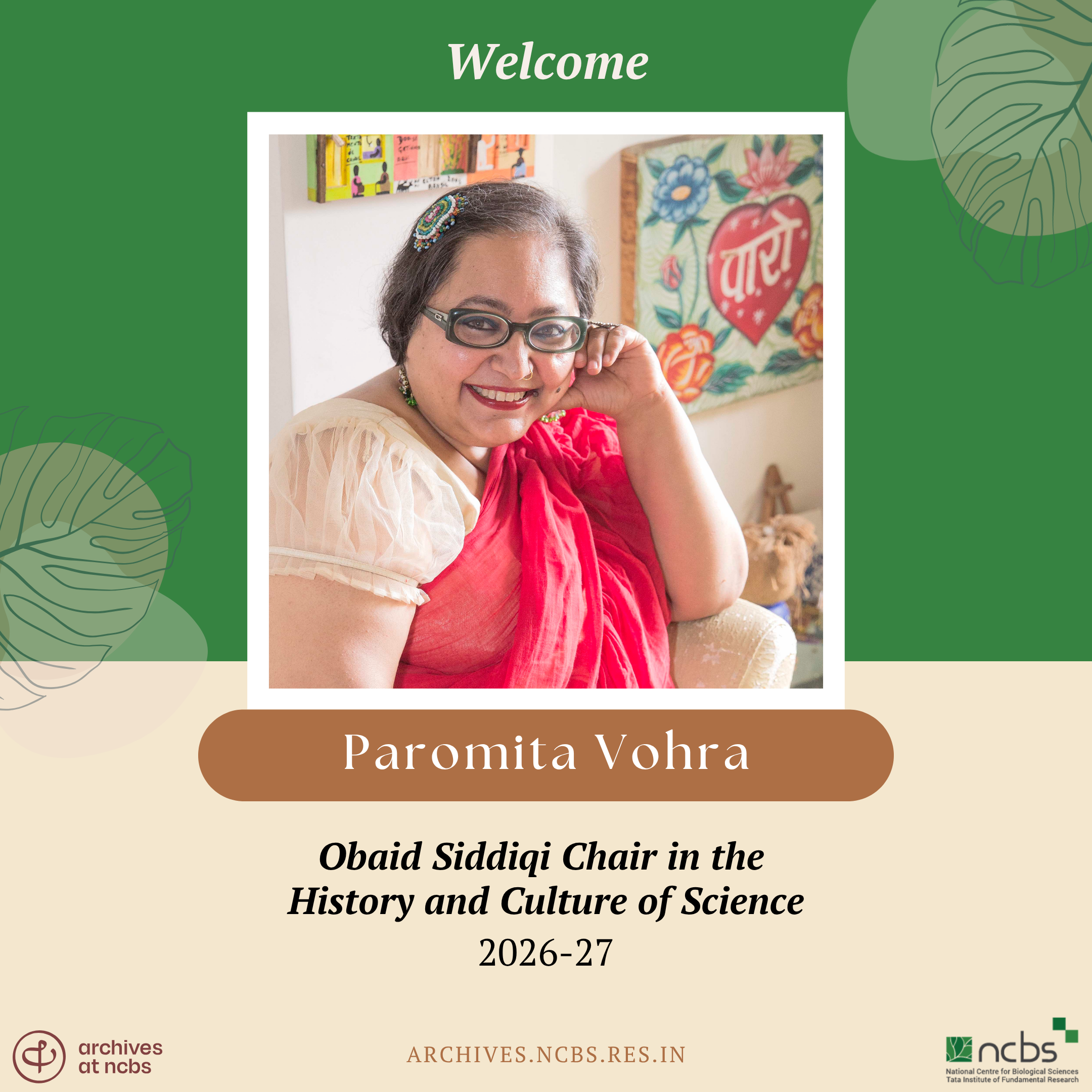
Standard We are delighted to announce that Paromita Vohra will be the sixth Obaid Siddiqi Chair for the academic year 2026-27. The Obaid Siddiqi Chair in the History and Culture of Science is an initiative designed to bridge the gap between the sciences, social sciences, and humanities ( https://archives.ncbs.res.in/OS ). It is made possible by a generous grant from the TNQ Foundation. This chair…
Standard When most people think about vaccines, they imagine a shot, a sore arm, and perhaps a layer of protection against disease. But inside the body, vaccination triggers something far more intricate: a vast conversation between cells, molecules, and memories. Some cells recognise an invading pathogen. Others amplify the alarm. Some remember the encounter for years. And somewhere in the middle…
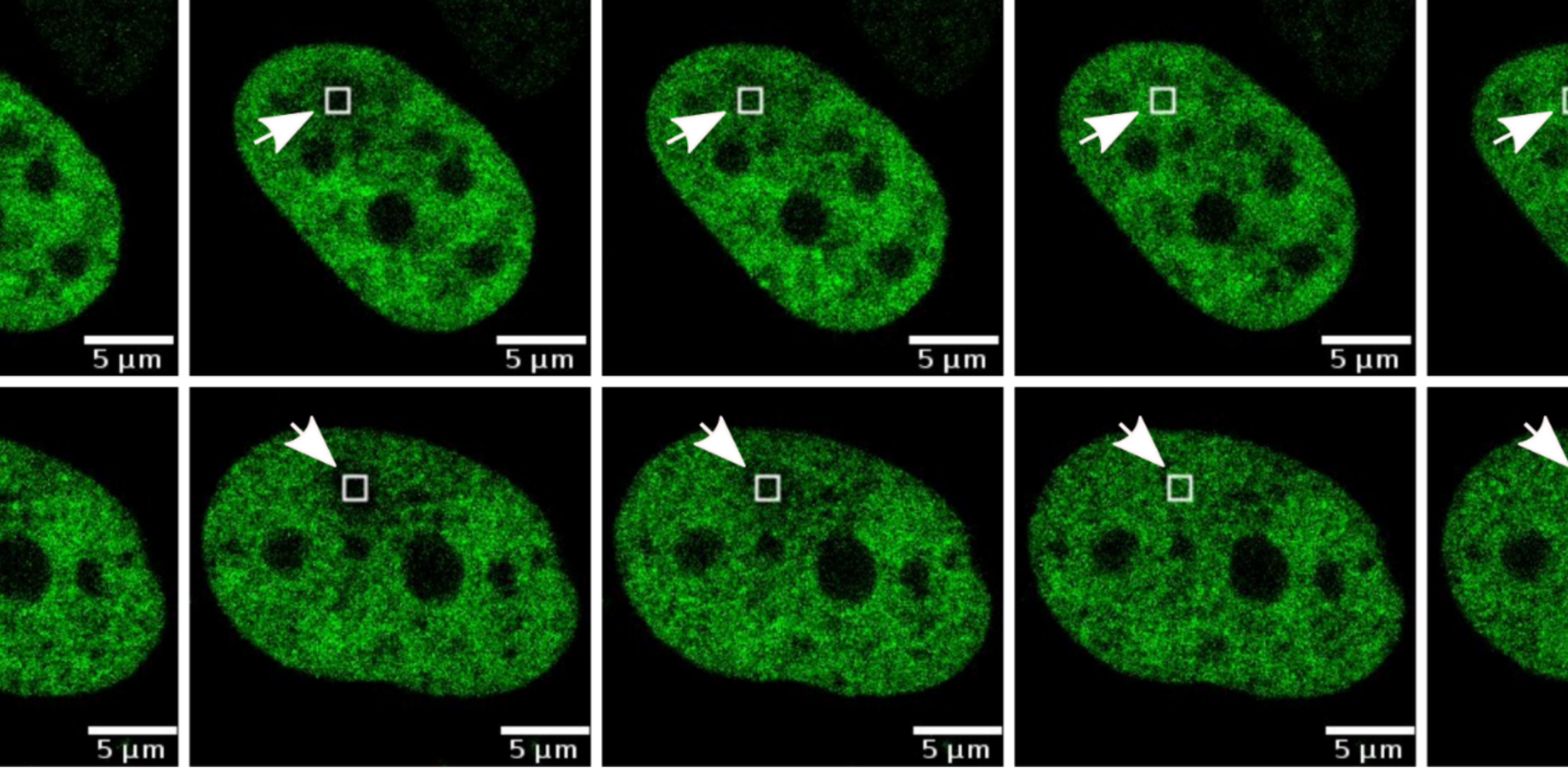
Standard Every time a cell divides, it must copy over three billion letters of DNA with remarkable accuracy. This process is not as simple as duplicating text on a computer. The DNA is tightly packed inside the nucleus and folded into a three-dimensional structure. As the cell’s replication machinery moves along the DNA, it must navigate this crowded and highly organised landscape. A recent study…
Standard Read Full Article Explore More Digital Museum Project Articles Discover fascinating stories, historical archives, rare collections, and insightful articles from the Digital Museum Project. Read More Articles → Digital Museum Project Date: Thursday, May 28, 2026 Author/Writer: Sadhana Attavar