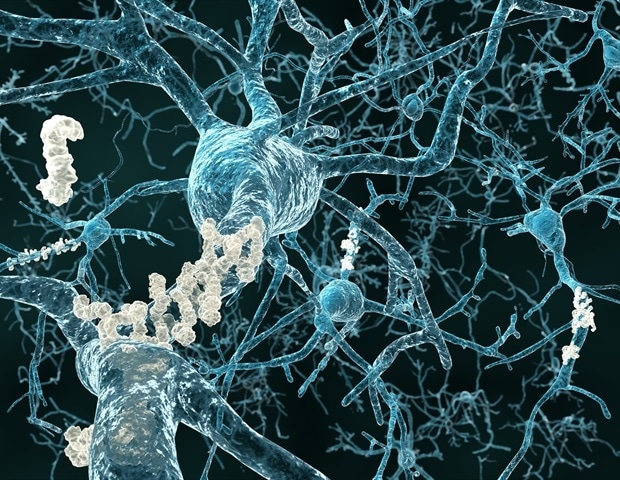
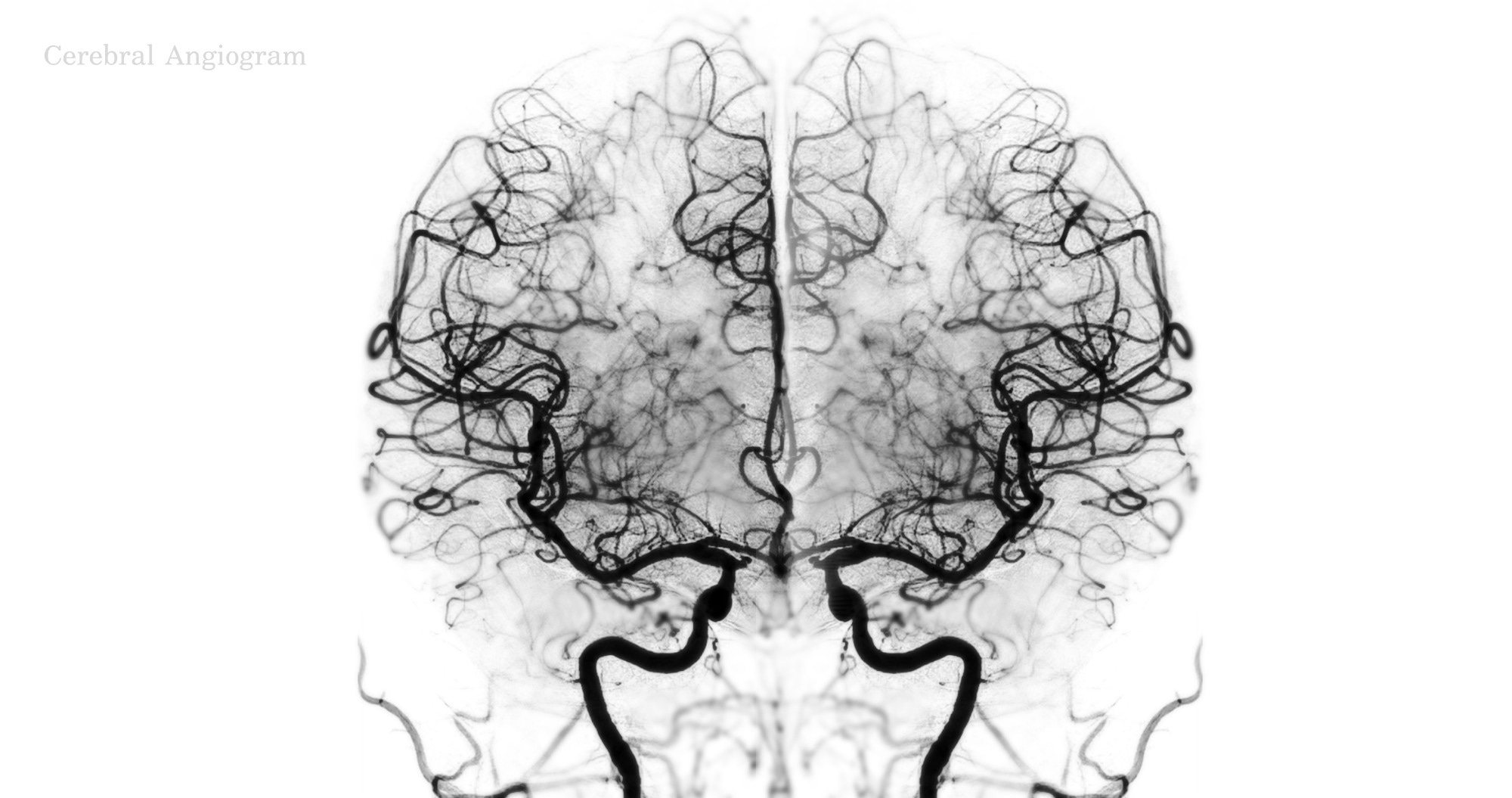
A review and opinion piece published in The Lancet and led by UCL (University College London) and UCLH researchers discusses the possibility that blood transfusions may inadvertently transmit harmful brain proteins, and whether additional safety measures are warranted as a precaution whilst further research is conducted to better understand these potential risks.
Younger adults with non-small cell lung cancer are significantly more likely than older patients to have genetic alterations that can be matched with targeted therapies, according to a large international study led in part by researchers at Sylvester Comprehensive Cancer Center part of the University of Miami Miller School of Medicine.
One of the most important goals of studying genetics is to find genes that are involved with diseases. The problem is that most diseases aren't caused by a single gene or mutation.
If you want to describe a particular color, you could look to the Pantone color wheel to find its exact hue, saturation and brightness, and how it compares to other colors. But nothing like that has existed for complex odors.
All living things have a fleet of tiny copy machines that turn instructions from DNA into RNA, the molecules responsible for helping build proteins that keep organisms alive.
Stopping tumor growth is only half the battle. Rather than kill tumor cells, many cancer therapies can only push them into cellular senescence, a state in which cells stop dividing but do not die. These "undead" cells will continue to release signals that reshape the tumor environment.
Announcing a new article publication for Cardiovascular Innovations and Applications journal. Dual antiplatelet therapy (DAPT) after percutaneous coronary intervention (PCI) increases the risk of upper gastrointestinal bleeding (UGIB).
Researchers identified wake-activated neurons in the median raphe and anterior medial preoptic area that track sleep pressure and help regulate when and how deeply mice sleep. Manipulating these circuits altered NREM sleep, sleep-pressure accumulation, and rebound sleep, revealing key neural mechanisms underlying mammalian sleep homeostasis.
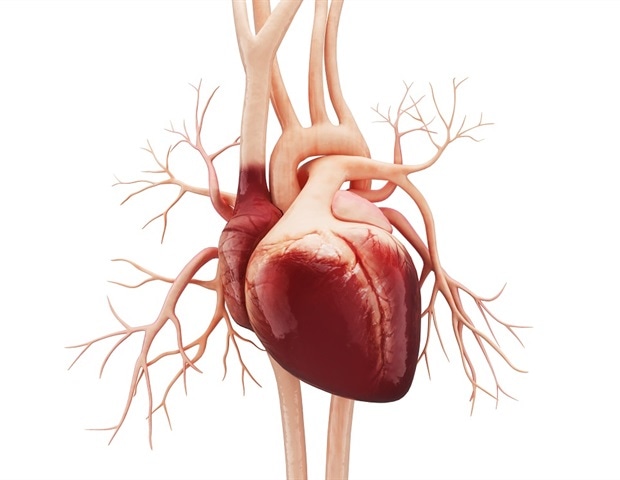
New research in mice challenges a long-standing view of how the heart builds backup blood vessels after a coronary artery blockage, showing that new collateral arteries arise primarily from capillaries rather than existing arteries.