The brain knows the score
Behind the pleasure of listening to a song lies an astonishing brain activity: an anticipatory mechanism that translates simple vibrations into emotions. A phenomenon that is especially used in electronic music.

Making sense of science
Live Last read · last published · next check
Behind the pleasure of listening to a song lies an astonishing brain activity: an anticipatory mechanism that translates simple vibrations into emotions. A phenomenon that is especially used in electronic music.
Holiday-makers cross paths at the beach, but so do multiple facets of physics and mathematics. Three research projects are working to better describe this environment so highly sensitive to climate change.
The Chinese mathematician Hong Wang is the co-winner of the 2026 Fields Medal (the equivalent of the Nobel prize for the discipline). This distinction recognises work on solutions for the Kakeya conjecture in three dimensions, an extension from a century-old problem at the interface of mathematics and geometry. CNRS News provides insights.
Ransomware is a type of malicious software (malware) that develops within an ecosystem combining criminality, cyber espionage, and disinformation. CNRS News investigates.
Marthe Gautier was the scientist behind the discovery of the supernumerary chromosome of trisomy 21, a genetic anomaly that affects some 50,000 people in France. Yet her work was overshadowed and she was not the one who took the credit. The biologist Julie Batut joins us for a look back at the career of this marginalised pioneer.
Since 2018, the Trump administration has been waging a trade war through successive hikes in customs duties. Has this policy protected the American economy? Researchers argue that, by fuelling uncertainty, it has actually had the opposite effect.
In April, the researchers involved in the French-Chinese SVOM space mission presented an update on its initial findings. These provided a number of interesting insights into events that took place in the very earliest days of the Universe. CNRS News takes a closer look.
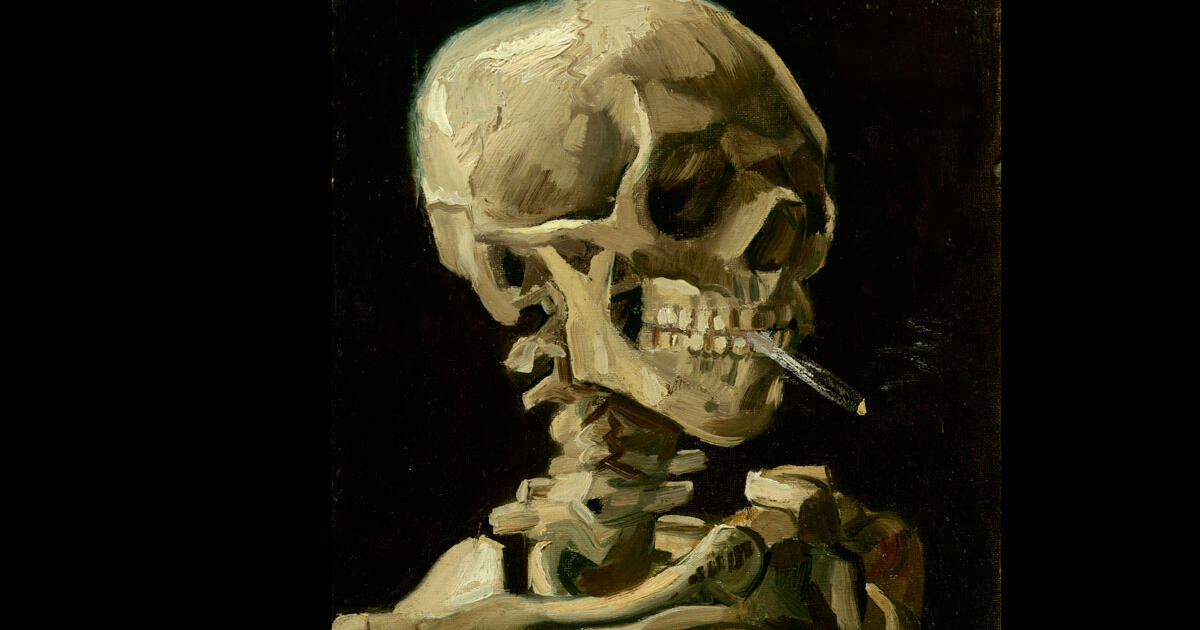
Why do some people keep smoking, even when a close one has fallen seriously ill because of tobacco? A recent study questions the effectiveness of prevention policies.
Ticks that return with the spring can infect humans with both Lyme disease – which is very severe – and other disorders. To improve their understanding of these conditions and the treatments available, scientists now have access to a “tick library” of 80,000 specimens.
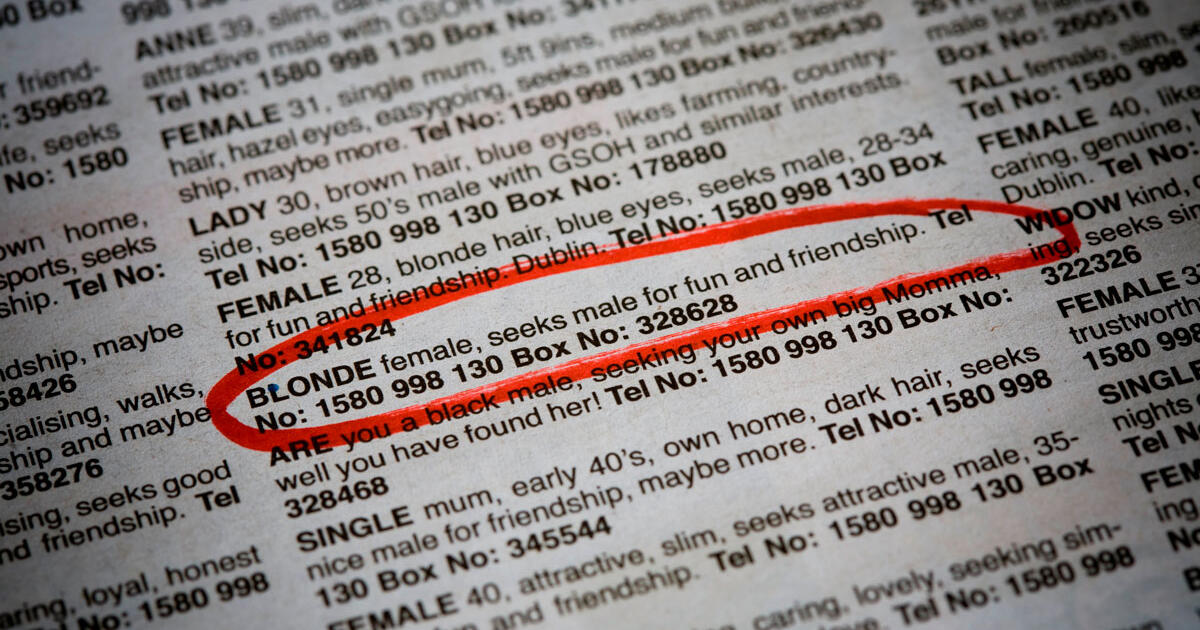
Perusing through a million matrimonial ads from the past hundred years or so reveals changes in the criteria for love over the 20th century, and hint at deeper transformations in societies themselves.