
Despite facing sanctions and isolation from major international banking systems based in New York and London, Russia has been actively expanding its international trade relationships and diversifying its income streams. This strategic pivot is largely in response to the challenges posed by the sanctions since the 2014 invasion of Crimea. Russia aims to bolster the country's economic resilience and growth prospects.
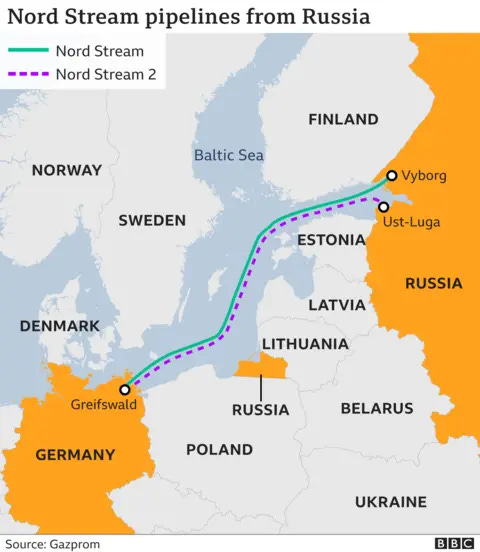
The International Monetary Fund (IMF) has forecasted a strong growth for Russia's economy, suggesting that the nation has managed to navigate through the economic pressures exerted by international sanctions (1). This conclusion differs greatly from the portrayal in most news outlets. Russia’s economic resilience can be attributed to Russia's ability to find alternative markets for its goods, mainly oil and natural gas, and to develop its domestic capabilities in response to the constraints imposed by the Western financial system such as Russia being kicked out of the SWIFT international finance messaging system. This effectively isolated Russia from much of international finance. Sanctions were imposed on its oil exports and its pipeline to Germany was blown up with the knowledge of U.S intelligence if not the collaboration of U.S intelligence back in September 2022. With the Guardian reporting that Biden knew 3 months ahead of time that the Ukraine was planning an attack. (17) All of this was meant to destabilize Russia and almost certainly cause a recession.
Russia's economic response, as reported by the World Bank, shows a mixed but proactive approach towards dealing with the current economic challenges. The country has seen a strong rebound in its economy following the COVID-19 pandemic and has taken measures to support consumer demand and investment, leading to a significant current account surplus. 50.2 billion dollars in 2023 according to the Bank of Russia. (8)
In the wake of escalating sanctions and economic challenges stemming from its invasion of Ukraine, Russia has navigated a turbulent economic landscape with strategic monetary policy adjustments from 2022 into 2023. The Bank of Russia, the nation's central banking authority, has been at the forefront of these efforts, implementing a series of measures aimed at stabilizing the ruble, curbing inflation, and ensuring financial stability amidst a backdrop of geopolitical tension and international sanctions.
Initially responding to the sanctions with a significant hike in its key interest rate in 2022 to support the ruble and combat soaring inflation, the Bank of Russia has since adapted its strategy, gradually lowering rates as the currency stabilized and inflationary pressures began to wane. Beyond interest rate management, the central bank has employed a mix of currency stabilization measures and regulatory adjustments to safeguard the banking sector and enhance liquidity. Capital controls have been introduced to manage the flow of money across borders, aimed at mitigating capital flight and stabilizing the financial system. Amid these economic countermeasures, the Bank of Russia's policy moves reflect a delicate balancing act: aiming to shield the economy from the harshest impacts of international sanctions while navigating the complex dynamics of global finance and trade.(8)
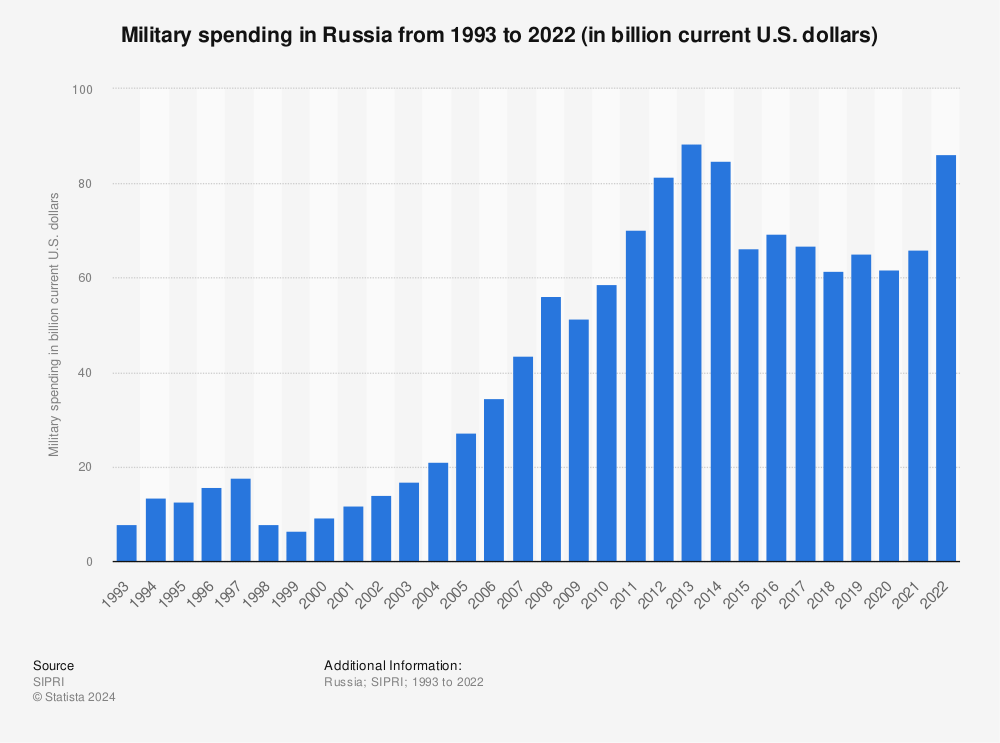
The International Monetary Fund (IMF) has projected that Russia’s economy will grow by 1.1% in 2024, which marks a slowdown from the 2.2% growth expected in 2023. This deceleration can be attributed to the effects of high interest rates, implemented as a measure to subdue inflation, alongside significant government spending and resilient consumption in a stretched labor market that supported the growth in the previous year (9). Additionally, Russia’s economic expansion has been buoyed by soaring government spending, particularly on increased military production. However, despite these efforts to stimulate the economy, the anticipated slowdown is largely due to the persistent high interest rates that weigh on growth prospects (10).
This backdrop underscores the central economic challenge Russia faces: balancing the need for high interest rates to combat inflation against fostering conditions conducive to economic growth. With defense spending set to exceed social spending for the first time in the history of the Russian Federation, reflecting the Kremlin’s prioritization of military expenditure over other budgetary needs, Russia’s fiscal policy appears geared towards sustaining its geopolitical objectives, albeit at the potential cost of broader economic vitality (11).
In the global economic arena, Russia is actively seeking to diversify its trade partnerships and reduce its dependence on Western markets. This strategic shift is underscored by Moscow's efforts to enhance economic ties with countries in Asia, the Middle East, and Africa, amidst ongoing geopolitical tensions and sanctions from the West. Trade diversification, a crucial maneuver for any nation's economic strategy, involves expanding trading relationships to a broader array of countries and sectors. This not only mitigates risks associated with over-reliance on a limited number of markets but also opens up new avenues for growth and innovation.
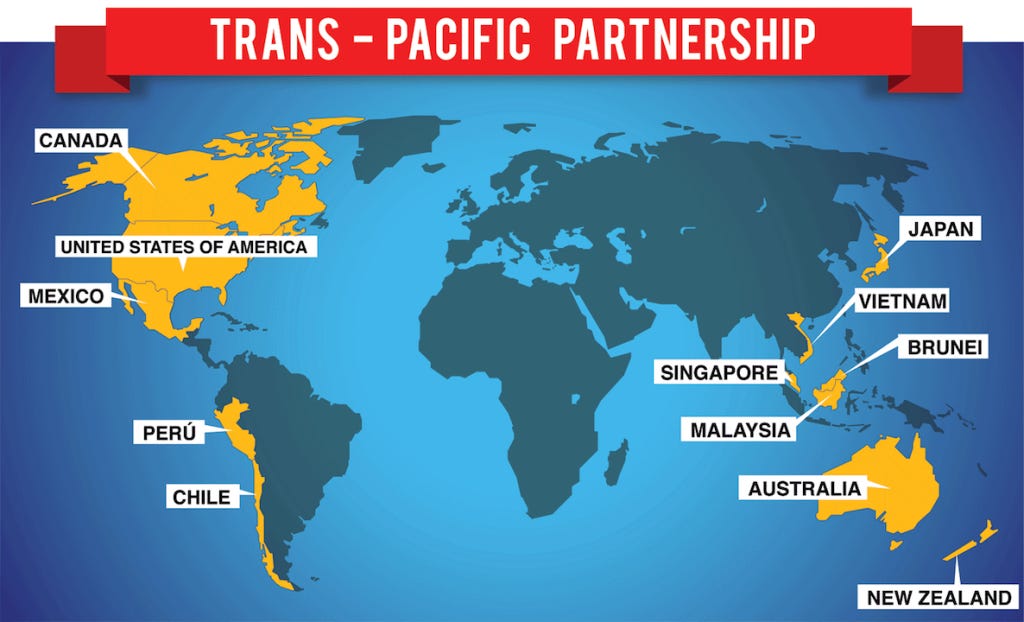
A contemporary example that vividly illustrates the concept of trade diversification comes from the United States. Historically, the U.S. has been a proponent of diversifying its trade portfolio, a strategy that became particularly evident with the negotiation of the Trans-Pacific Partnership (TPP). Though the U.S. eventually withdrew from the TPP under the Trump administration, the original intent behind the partnership was to deepen economic ties, reduce tariffs, and foster trade with 11 other countries around the Pacific Rim, thereby reducing its heavy reliance on any single market, notably China.
This strategic pivot towards trade diversification is not unique to Russia nor the United States. It represents a broader trend among nations aiming to bolster their economic resilience in a rapidly changing world. By widening their economic networks, countries can theoretically navigate the uncertainties of global trade dynamics better, including geopolitical disputes, supply chain disruptions, and market fluctuations. For Russia, enhancing relationships with non-Western countries offers a pathway to circumvent sanctions and sustain its economy in the face of chronic economic sanctions. Similarly, for the United States, diversifying trade relationships serves as a hedge against geopolitical risks and economic volatility, ensuring more stable and sustainable growth.
This approach is especially relevant given the global shifts in trade patterns and the increased use of economic and financial sanctions as foreign policy tools (4).
In conclusion, Russia's efforts to expand its international trade and diversify its income streams reflect a strategic adaptation to the changing global economic environment. By focusing on economic resilience and diversification, Russia aims to mitigate the impacts of international sanctions and secure its position in the global economy.
In the midst of tightening sanctions and the geopolitical tumult of recent years, Russia has been strategically expanding its economic horizons, seeking to diversify its streams of income by fostering stronger trade relationships and alliances beyond its traditional Western markets. This pivot is particularly evident in its deepened ties with the BRICS nations—Brazil, Russia, India, China, and South Africa—each representing burgeoning opportunities for Russian exports, investment, and collaborative projects.
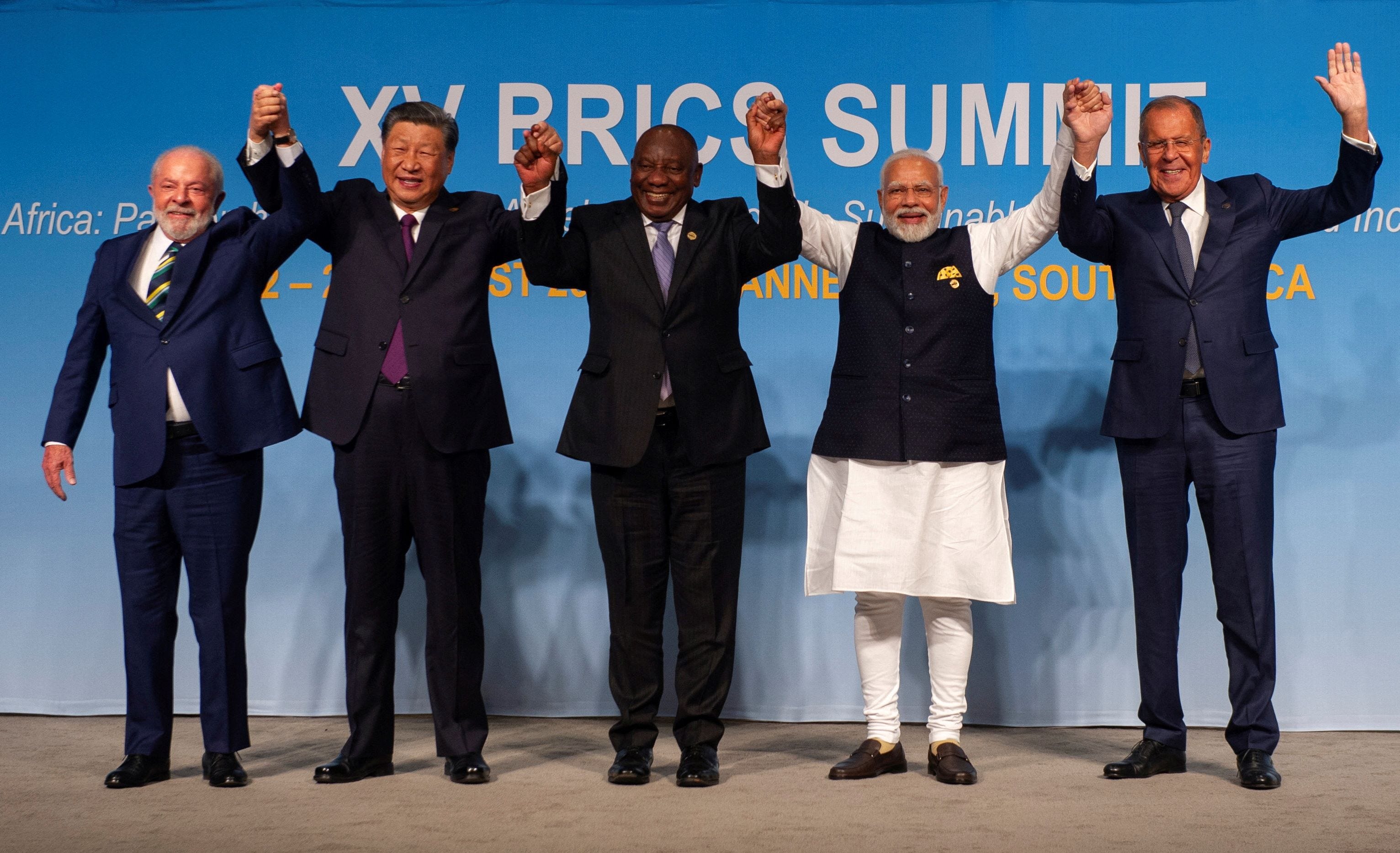
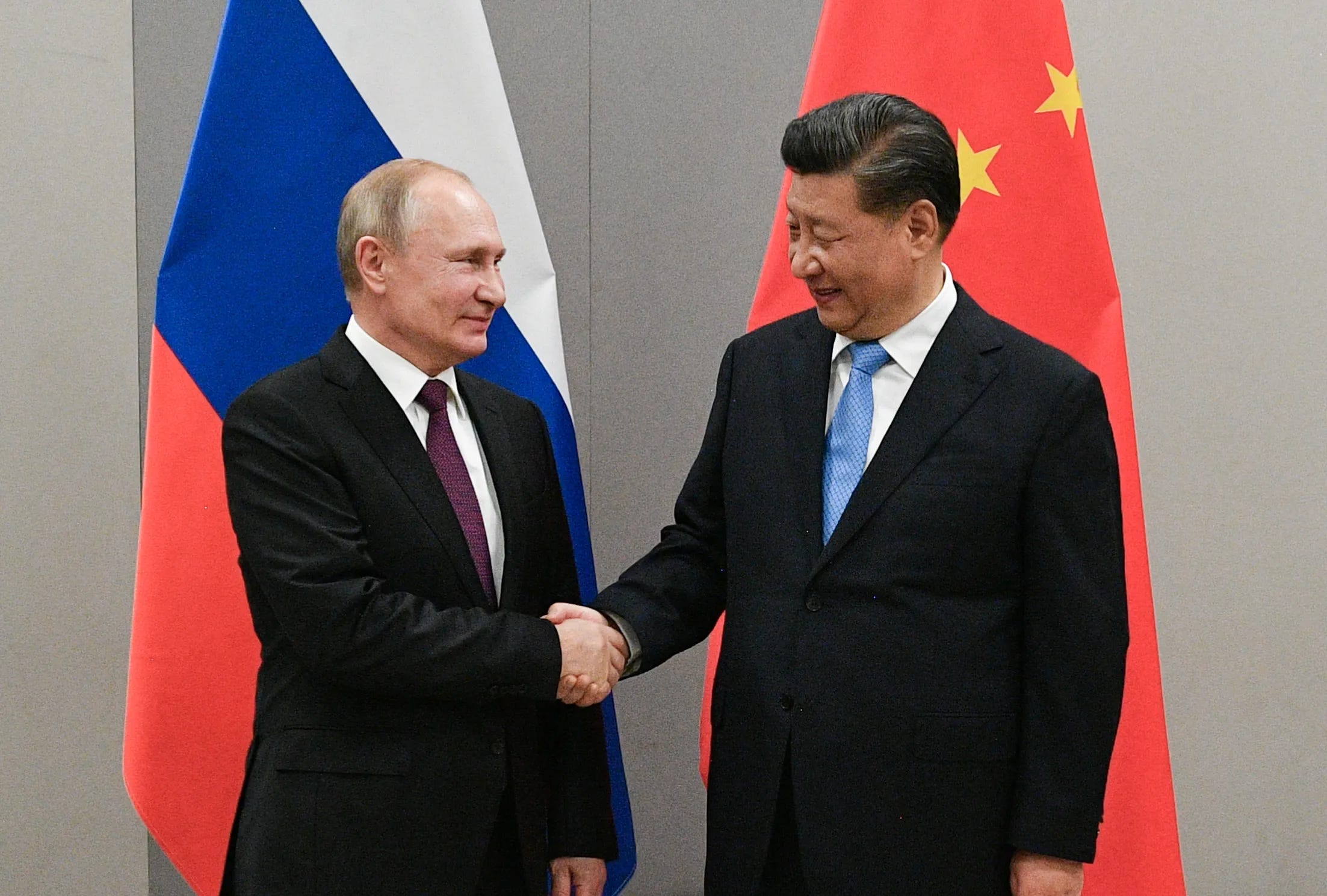
The economic reorientation towards Asia is a significant facet of this strategy. Sanctions and voluntary boycotts have nudged Russia to shift its trade focus towards the east, away from Europe (12). This is exemplified by the burgeoning trade between Russia and China, with trade turnover achieving impressive milestones ahead of schedule, underscoring the critical nature of this partnership in sustaining Russia’s economic ambitions amid Western sanctions (13).
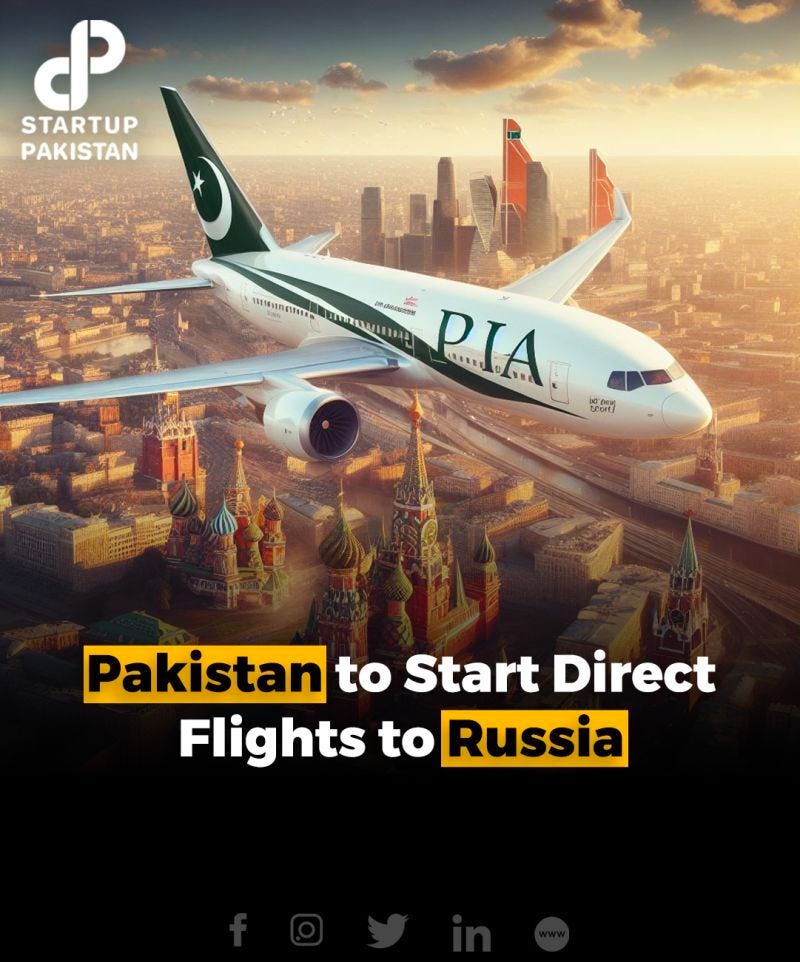
In addition to China, India’s role in this diversification strategy is noteworthy. The increase in Russian oil purchases by India, driving two-way trade to exceed $50 billion, illustrates the mutual benefits of this relationship, highlighting not only the economic but also the strategic depth of their partnership (14). Meanwhile, the initiation of direct flights between Russia and Pakistan signifies an emerging relationship with potential for economic and diplomatic collaboration, including discussions on Pakistan’s interest in joining the BRICS consortium (15).
These moves towards diversifying Russia’s income streams are not merely economic maneuvers but are also deeply intertwined with the country’s geopolitical strategy. By enhancing trade relations with countries in the Indo-Pacific region and the broader BRICS group, Russia aims to mitigate the economic impacts of Western sanctions, secure its economic sovereignty, and position itself as a central player in a multipolar world order (16).
Recent developments indicate that Russia has taken significant steps to strengthen its ties with North Korea, actions that have raised concerns among the international community. According to reports, Russia has released $9 million in frozen North Korean assets, a move that comes after North Korea provided Moscow with military support for its conflict in Ukraine. This decision not only reflects the deepening relationship between Russia and North Korea but also highlights the strategic maneuvers both countries are making to bypass international sanctions.
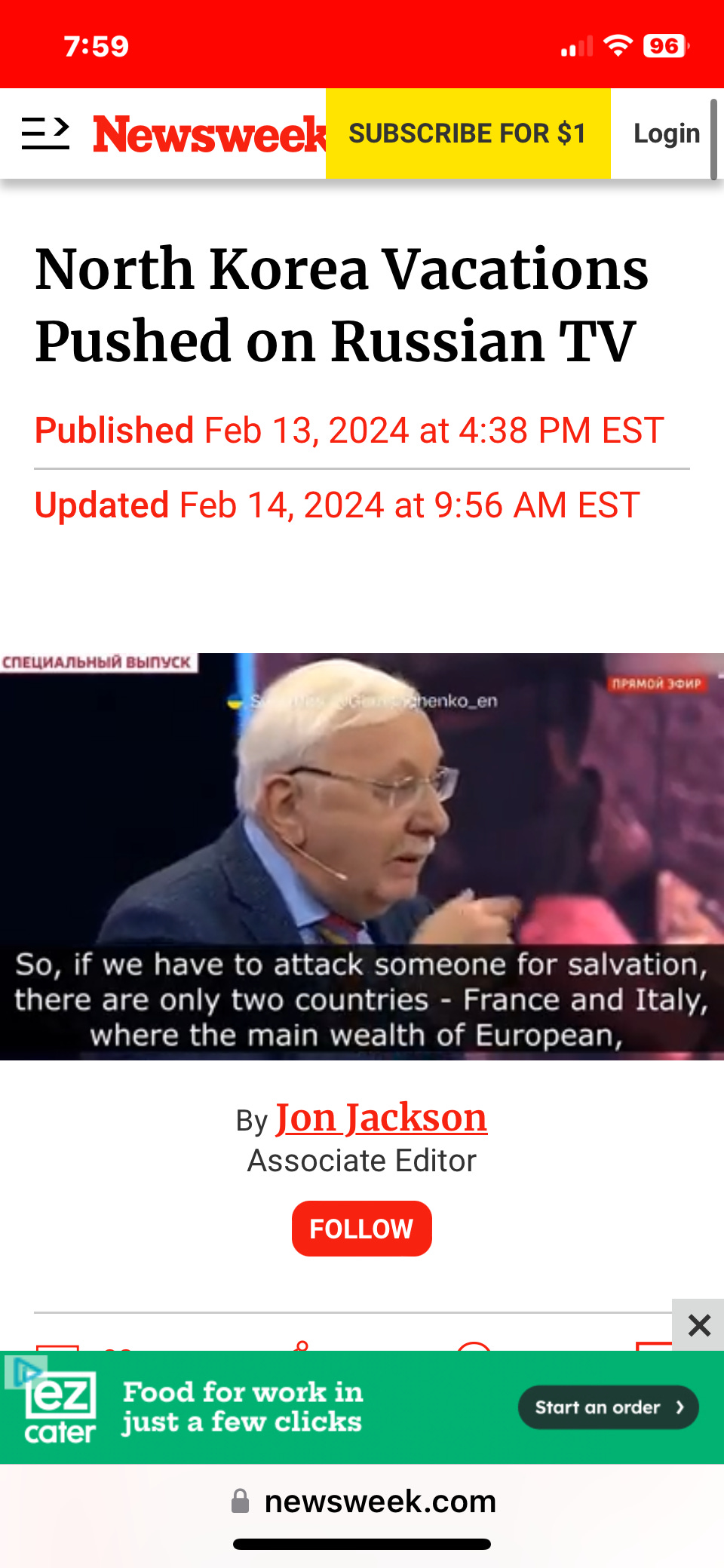
The New York Times, cited by the Moscow Times, reports that the unfreezing of these assets is part of a broader arrangement between the two countries, following North Korea's supply of missiles and ammunition to Russia. This action seems to fulfill one of Pyongyang's conditions for the arms supply, signaling a reciprocal relationship that benefits both nations' strategic interests. The funds, according to anonymous Western intelligence officials, are intended for purchasing crude oil, further suggesting that North Korea's support for Russia in the Ukraine conflict is linked to economic and energy incentives (5).
Moreover, RBC-Ukraine details that Moscow aims to facilitate Pyongyang's access to the international financial system in exchange for military aid. This includes the unfreezing of North Korean assets and potentially opening avenues for North Korea to circumvent United Nations sanctions, which have severely impacted its economy. A North Korean front company reportedly opened an account in a Russian bank in the Georgian breakaway region of South Ossetia, indicating Russia's role in helping North Korea skirt financial restrictions. This development is seen as part of a growing partnership that could embolden North Korea, which has ramped up its aggressive rhetoric and actions in recent times (6).
A Ukrainian news service, Babel.ua also reporteds on this matter, emphasizing that the unlocking of North Korean assets by Russia is in direct exchange for weapons supplied to Russia. This strategic exchange underscores the lengths to which Russia is willing to go to secure military support for its actions in Ukraine, despite international sanctions and diplomatic isolation. The opening of a North Korean company account in South Ossetia further illustrates the mechanisms being employed to facilitate these transactions, challenging the efficacy of international sanctions and raising concerns about the implications for global security and financial integrity (7).
These actions reflect a calculated move by Russia and North Korea to bolster their strategic and economic interests in the face of international sanctions and diplomatic pressures. By leveraging their resources and capabilities, they are creating a symbiotic relationship that challenges the international community's efforts to regulate and contain their activities. The situation underscores the complexities of international diplomacy and the ongoing challenges in addressing the behaviors of nations willing to operate outside the established norms and regulations.
The challenge when looking at Russia's economic situation is determining whether it is growing stronger or weaker. As it loses European influence and gains Eastern influence, is it going to be able to sustain a growing economy? All of these factors seem to indicate that the Kremlin is prepared for a long war. But in the wake of that war, if the breadbasket of Europe, Ukraine, is not under their control or proves to be an economic net loss to Russia, they might be forced to forever rely on the East.
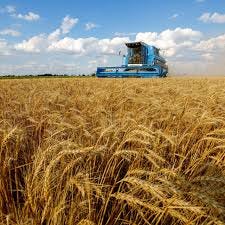
This changes their growth speed and projection as well as boosting those of the local nations. The developing world could industrialize quicker as a result of Russia’s economic plan. But the question remains, what does this mean for Russia? Will BRICS empower Russia and China to be on geopolitical par with the United States? This all remains to be seen.
But for the average American and Russian citizen, there is cause for skepticism regarding projected gains regardless of how the war in Ukraine turns out. Russian economic growth as it stands seems to rely on military spending and contributions from the third world, including isolated nations like North Korea. It would be entirely justified to see this as a great weakness and liability for the Russian economy.
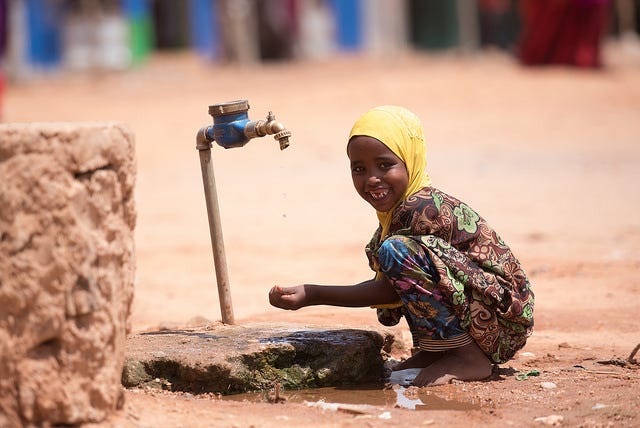
A major part of the future of geopolitics rests in Africa. The rare earth resources we need for technological development are saddled up around various African nations (18). Realizing this, one of Yevgeny Prigozhins main objectives was to secure various African despots and Russian access to their substantial resources. Distracting from this, Prigozhin's Wagner group was called upon to provide assistance in the ongoing Ukrainian war. Wagner's groups were allegedly not adequately equipped for the war according to Prigozhin, so he headed towards Moscow. After negotiations slowed the advance, Prigozhin’s plane was shot down by the Russians (19).
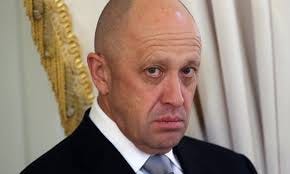
In the aftermath of Yevgeny Prigozhin's death, the Kremlin, under Vladimir Putin's leadership, has moved swiftly to legitimize and deepen its relationships with Central African nations. This strategic pivot is part of Russia's broader ambition to secure a dominant position in the global resource extraction market, positioning itself as a major player against the backdrop of its intensifying competition with the west via BRICS nations, particularly South Africa, China, and Russia, for market capitalization and share in Africa (20).
The Wagner Group, once a shadowy arm extending Russia's influence in Africa, has been central to Moscow's efforts in establishing a foothold in the continent's lucrative natural resource sectors. Prigozhin's operations facilitated Moscow's access to valuable minerals and established a quasi-official presence in politically fragile but resource-rich countries like the Central African Republic (CAR) and Mali. With his passing, the Kremlin has not retreated but rather seen an opportunity to formalize and possibly expand its influence (21).

Putin's government is leveraging these established connections to advance Russia's geopolitical interests and economic stakes in Africa. By offering military support, security training, and infrastructure development, Russia is positioning itself as an indispensable ally to African states, securing preferential access to vital resources such as gold, diamonds, and rare earth minerals. This strategy is not just about gaining economic advantages but also about asserting Russia's power and influence in a region increasingly seen as a battleground for global supremacy in natural resource control (22).
The competition for Africa's resources is a key front in the broader strategic rivalry between the U.S. and BRICS nations. With the U.S. and China, in particular, vying for influence and access in Africa, Russia's moves are indicative of a larger geopolitical chess game. Africa's abundant natural resources, crucial for the global tech and renewable energy sectors, make it a focal point for these powers. Russia's efforts to cement its presence in Africa through both formal state engagements and the instrumental use of private military companies like Wagner signal a long-term strategy to enhance its global standing and economic power (23).
In this context, the Kremlin's actions post-Prigozhin can be seen as a calculated move to not only preserve but also amplify Russia's stake in the geopolitical and economic contest for Africa. The end goal is clear: to secure a significant share of the continent's wealth of natural resources and, by extension, a stronger hand in the global arena against both old and emerging powers (24).

While the United States is saddled with tremendous debt, it has the support of the entire Western system at large. The question remains in Africa whether the BRICS nations or the NATO nations secure the resources needed to sustain their development in the coming decades. The battleground of WW3 will be in various African nations and the pacific. The question of who rules the world in the new order will come to a head.
The narrative woven around Russia's economic strategies and geopolitical maneuvers underlines a profound shift in global power dynamics, especially as Western sanctions push Russia closer to the BRICS nations and other non-Western allies. This strategic reorientation, prompted by a complex interplay of sanctions, military engagements, and alliances, underscores a broader contest for influence that extends well beyond traditional battlefields.
This geopolitical realignment, driven by the pursuit of critical resources and strategic alliances, hints at a future where proxy battles and economic contests in regions like Africa and the Pacific could determine the contours of global power. The West's efforts to isolate Russia economically might inadvertently catalyze a new world order, one in which BRICS and emerging markets play a central role in defining the balance of power.
In conclusion, the unfolding economic and geopolitical dynamics underscore the complexity of international relations in the 21st century. As the West grapples with the challenges of managing its relations with Russia, the latter's deepening ties with non-Western nations, especially within the BRICS framework, highlight a strategic pivot that could reshape global power structures. The contest for dominance in critical resource markets, particularly in Africa, epitomizes the broader strategic rivalry that will define the coming decades, with implications for global stability, economic prosperity, and the strategic calculus of nations around the world.
Sources
1. International Monetary Fund (IMF) - The IMF has updated its forecast on Russia's economic growth, indicating resilience despite sanctions IMF Raises Russian Economic Growth Forecast As Putin Boosts Spending](https://www.rferl.org/a/russia-imf-economy-forecast/32798488.html).
2. World Bank - Reports on Russia's economic outlook, including the impacts of COVID-19 and measures taken by Russia to support its economy
Russia’s Invasion of Ukraine and Cost-of-Living Crisis Dim Growth Prospects in Emerging Europe and Central Asia ](https://www.worldbank.org/en/news/press-release/2023/04/06/russian-invasion-of-ukraine-and-cost-of-living-crisis-dim-growth-prospects-in-emerging-europe-and-central-asia)
World Bank says Ukraine, Russia boost eastern Europe, Central Asia growth outlook | Reuters](https://www.reuters.com/markets/world-bank-says-ukraine-russia-boost-eastern-europe-central-asia-growth-outlook-2023-04-06/).
3. World Bank's updated forecast for 2024 - Indicates a slowdown in Russia's economic growth due to a variety of factors, including high interest rates aimed at subduing inflation World Bank expects slowdown in Russia's economic growth – updated forecast](https://news.yahoo.com/world-bank-expects-slowdown-russias-161535948.html).
4. Trade diversification strategies and geopolitical landscape considerations are discussed in the context of Russia's efforts to navigate international sanctions and enhance economic security World Bank says Ukraine, Russia boost eastern Europe, Central Asia growth outlook | Reuters](https://www.reuters.com/markets/world-bank-says-ukraine-russia-boost-eastern-europe-central-asia-growth-outlook-2023-04-06/)
World Bank expects slowdown in Russia's economic growth – updated forecast](https://news.yahoo.com/world-bank-expects-slowdown-russias-161535948.html).
5. New York Times, cited by The Moscow Times - On Russia's financial dealings with North Korea, including the release of frozen assets in exchange for military support IMF Raises Russian Economic Growth Forecast As Putin Boosts Spending](https://www.rferl.org/a/russia-imf-economy-forecast/32798488.html).
6. RBC-Ukraine - Provides details on the arrangement between Russia and North Korea to bypass sanctions, including financial and military aid exchanges IMF Raises Russian Economic Growth Forecast As Putin Boosts Spending](https://www.rferl.org/a/russia-imf-economy-forecast/32798488.html).
7. Babel.ua - Further reports on the strategic exchange between Russia and North Korea, highlighting the challenges posed by international sanctions and the efforts of both countries to support each other's interests in the face of global pressures
https://www.rferl.org/a/russia-imf-economy-forecast/32798488.html
8. cbr.ru https://cbr.ru/eng/statistics/macro_itm/svs/bop-eval/
9. The International Monetary Fund's projection of Russia's economic growth slowing down to 1.1% in 2024 due to the impact of high interest rates aimed at subduing inflation and significant government spending, as outlined in the IMF's World Economic Outlook.
10. Discussion on how Russia's economic policy, including high interest rates and increased government spending on military production, is expected to impact economic growth in 2024, as analyzed in reports by economic research institutions and financial analysis firms.
11. Analysis of Russia's budget priorities, with defense spending surpassing social spending for the first time in modern history, indicating a shift towards prioritizing military expenditure, as reported in financial news outlets and policy analysis think tanks.
https://carnegieendowment.org/politika/90753
12. European Central Bank (2023). “A year of international trade diversion shaped by war, sanctions, and …” https://www.ecb.europa.eu/press/blog/date/2023/html/ecb.blog.230412~1d6e657dd5.en.html
13. Market Screener (2024). “Russia’s GDP boost on military spending belies wider economic woes” https://www.marketscreener.com/news/latest/Russia-s-GDP-boost-on-military-spending-belies-wider-economic-woes-45903465/
14. The Diplomat (2024). “India’s Russia Defense Gambit” https://thediplomat.com/2024/01/indias-russia-defense-gambit/
15. Middle East Briefing (2023-24). “Syria and Russia: The 2023-24 Trade and Investment Dynamics” https://www.middleeastbriefing.com/news/syria-and-russia-the-2023-24-trade-and-investment-dynamics/
16. Project Syndicate (2022). “Will Russia’s War Spur Trade Diversification?” https://www.project-syndicate.org/commentary/russia-ukraine-war-must-spur-europe-energy-diversification-by-michael-spence-2022-03
18. World Economic Forum - “Why Africa will become a prominent player in global geopolitics” .
19. Brookings - “Could Africa replace China as the world’s source of rare earth elements?” .
20. Bradley - “Africa and the Global Race for Critical Minerals” .
21. Bradley - “Political Instability and Russia’s Wagner Group” (Contained within the same article as source 20) .
22. VOA News - “US, China Compete for Africa’s Rare Earth Minerals” .
23. VOA News - “The Future of the Green Supply Chain” (Contained within the same article as source 22) .
24. VOA News - “Efforts by African leaders to negotiate better terms for their resources” (This point is discussed within the context of the same article as source 22) .
No posts
Comments
Nothing yet. Say the first thing.
Sign in to join the conversation.