
Text within this block will maintain its original spacing when published
Failed to render LaTeX expression — no expression found
Failed to render LaTeX expression — no expression found
Text within this block will maintain its original spacing when published
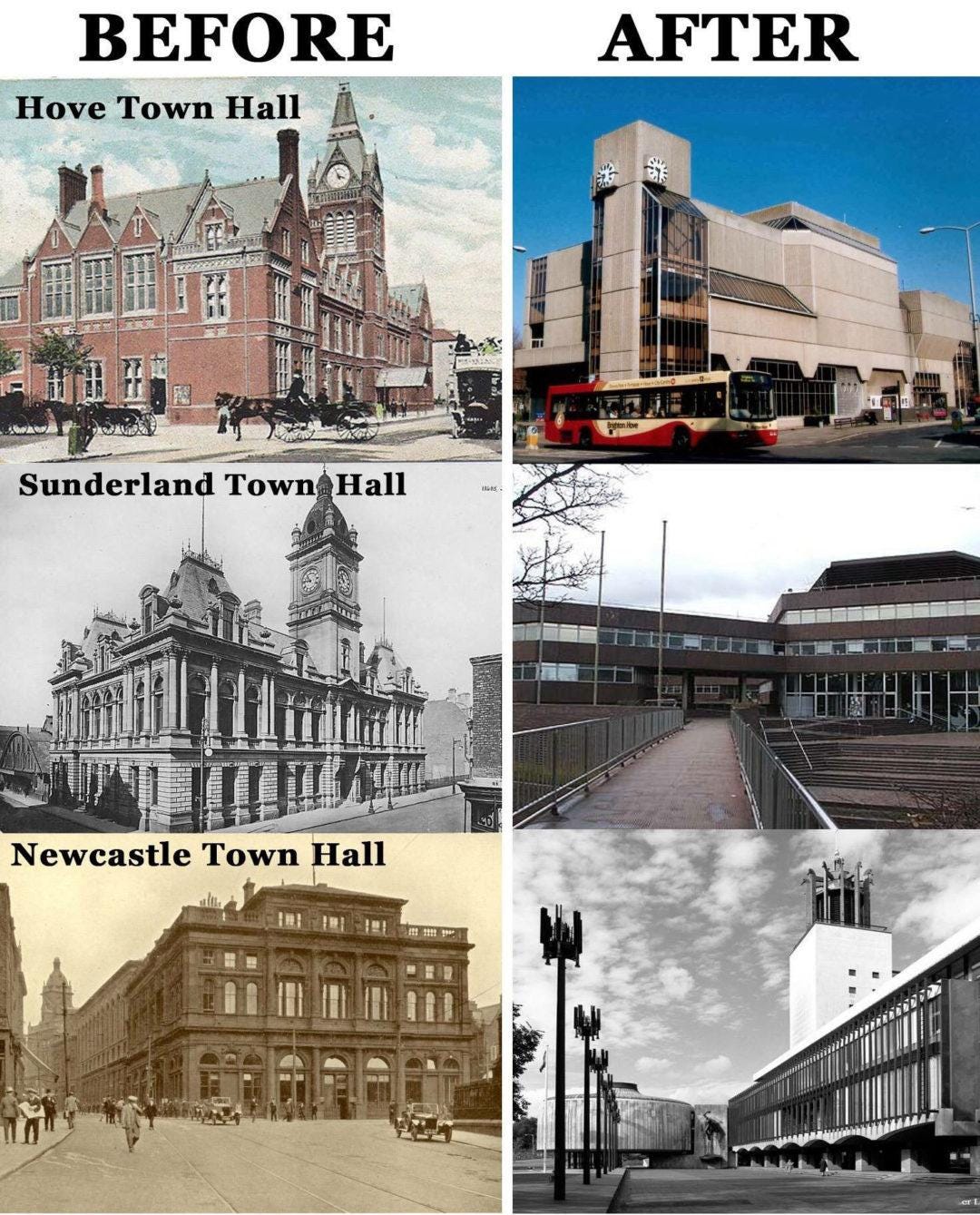
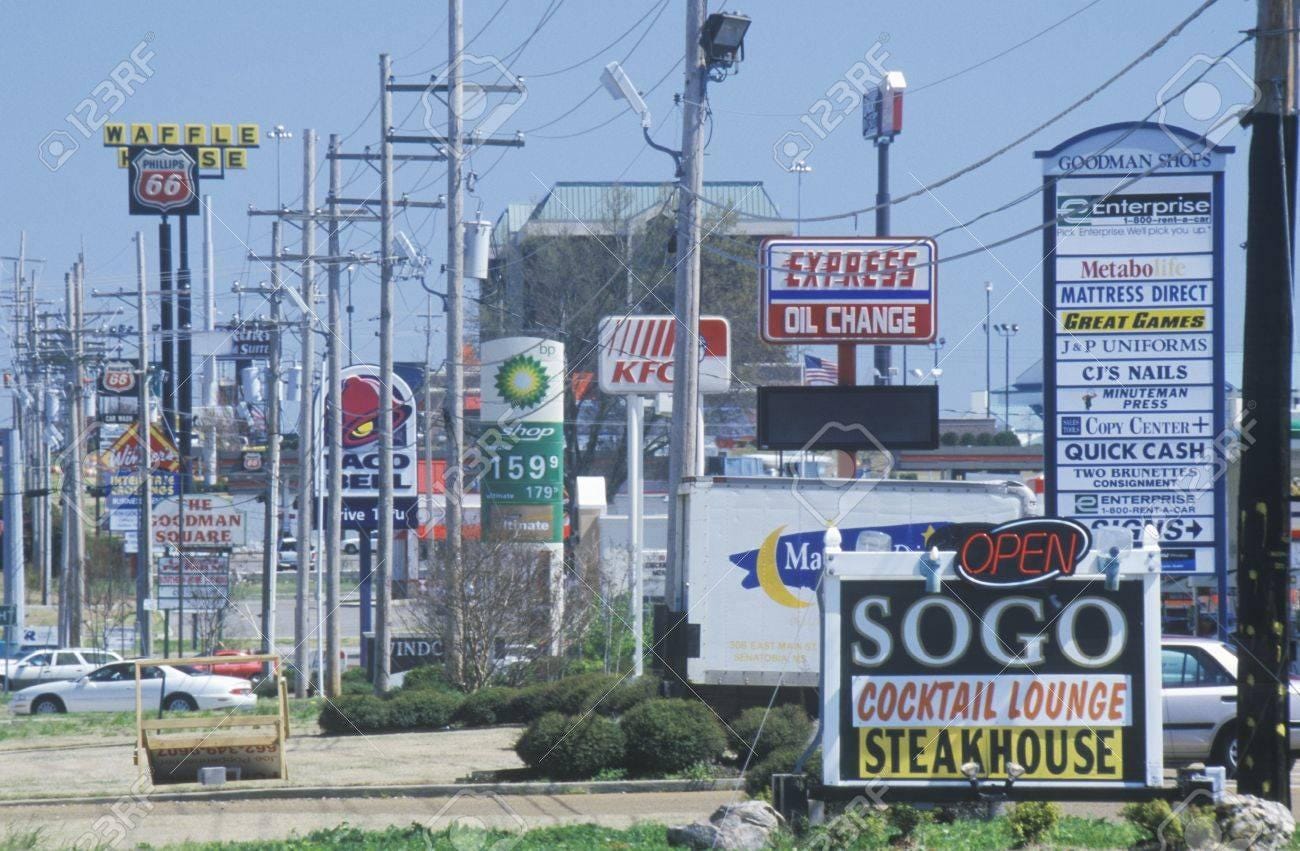
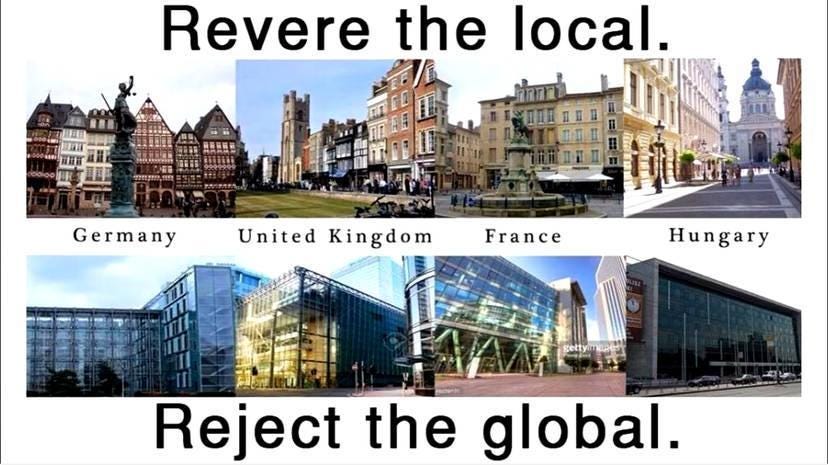
The demise of beauty in architecture quite literally paints a bleak picture of our modern landscape. The essence of our cities, large and small, once roaring with creativity and ingenuity, now fall short of echoes upon empty walls and lifeless structures devoid of spirit. The towering brown and gray cubic stacks, lifeless paneled surfaces, and ad-riddled, highway-adjacent hellscapes are an insult to the elegance and symbolic strength that once defined architectural marvels. Hell itself would probably have a more appealing structural design, for even decadents can appreciate beauty. These dull rectangular chunks of apathy aren't marvels at all. They are insults to their inhabitants and to life itself - perhaps intentionally.
Text within this block will maintain its original spacing when published
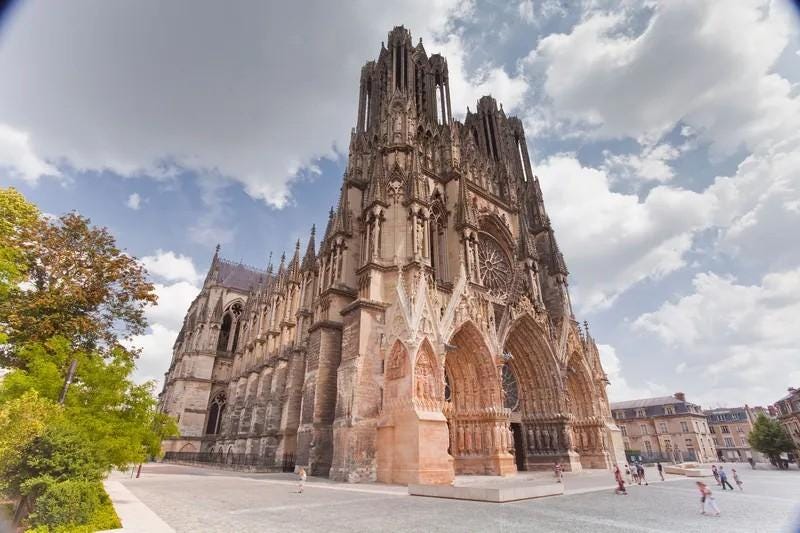
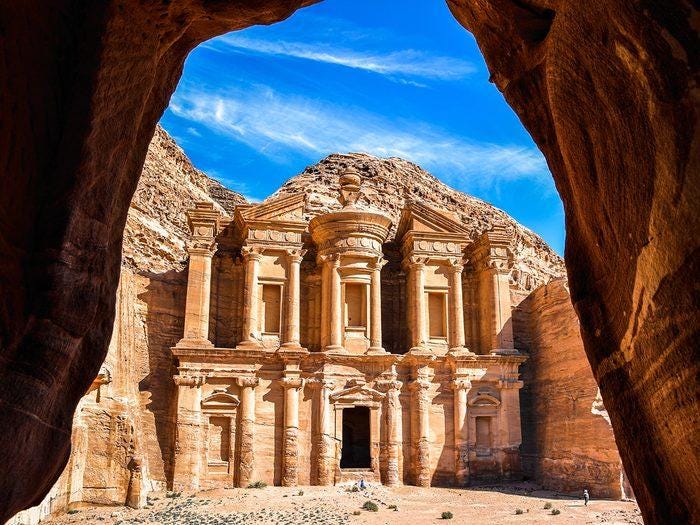
This steep regression in quality has profound psychological implications. Living in these soulless spaces numbs our senses within brightly lit boxes and revolting concrete horizons, leaving us uninspired and disconnected from the spaces we occupy - our home. The transition from stone to concrete is a testament to the lack of will in our modern age, seeking menial cost-effectiveness and temporary task-accomplishment before even attempting to pass the test of time. None of this concrete will last more than a few centuries, yet the ancient pyramids in every corner of the earth will remain. The audacity to then look upon these feats of creation as nothing more than the busywork of “primitive” peoples is laughable. Those who live in glass corporate offices shouldn't throw stones - if they can even lift them. Those primitive peoples lived a much more purposeful existence than your dayjob-weekend rotation, and no wonder. What used to ignite the human soul now smothers it with monotony, suffocating inspiration and extinguishing awe from our daily lives. What does a meaning crisis look like? Look around you!
Text within this block will maintain its original spacing when published
Socially, the erosion of our buildings also fracture our sense of community, severing us from another physical representation of identity. Post-WW2, we've seen a total demolition of regional style and a new world’s reconstruction subcontracted to globalism. Our foundations are resting on ideological sand, prone to shifting towards the agendas of whatever or whomever dictates its centralized management. After Rome fell, nobles and lords would designate land to their defeated enemies, mainly Nordics and descendants of Celts. Slavs would even call for these northern europeans to come and rule them in the 10th century. Military technology was shared, and the consolidation of this new power snowballed alongside the pagan conversion to Christianity. These cultural fires created the fertile grounds from which some of our most structurally sophisticated architecture was conceived. The same could be said for mid-20th century poetry. Instead of spaces that encourage local interaction and unity, we're surrounded by cold, sterile, impersonal environments that isolate us from one another. It's not even minimalist - it's miserablist. Consider that former empires and colonizers left behind better quality structures for their subjects and conquered peoples than our current rulers do for us. The bland repetition, the boring right angles, the mass-produced trim… it's all very reminiscent of a prison, or something from an unfinished video game. Then again, I've seen old prisons with superior design - and better architecture in Minecraft.
Text within this block will maintain its original spacing when published
The consequences of neglecting beauty in architecture aren't about aesthetics - that's just a bonus; it's about society losing touch with its artistic membrane and communal essence. Suppressing human expression in such an obvious way confines our ability to communicate through and with our surroundings. Civilizations are defined by their pursuits of greatness, wisdom, and beauty; attempting perfection. How they go about this attempt defines culture. Imperfection is not the evil here, rather the total negation of one’s ultimate reality and identity; a denial of the concept of beauty - or perhaps even life itself, for it refuses individual and civilizational progress. Ironically, many of these infrastructural programs come wearing the cloak of “progress” and concealing the dagger of stagnation. This inhibition infiltrates our collective consciousness and induction faculties, reducing our immediate observational starting points to the lowest common denominator, constraining our capacity to innovate. Civilization suffers, prioritizing “function” over nourishing the human capacity for greatness.
We must resurrect this dormant spirit from the gray soil of modern mediocrity to behold an entirely new animal, then paint the towns with its blood. That doesn't mean we should start building castles, cathedrals or coliseums again; it means architects, planners and designers should reclaim their roles as artists, infusing our cities with the resonance that generates from the human spirit, not utilitarian algorithms. This means giving things a soul again, which first necessitates an antithetical position to this denial of life; affirming life. Restoring beauty in architecture is necessary for our psychological standard of living as well as the rekindling of social connections and shared identities in our urban and suburban spaces. Tear down the ugly and make something beautiful.
Text within this block will maintain its original spacing when published
No posts
Comments
Nothing yet. Say the first thing.
Sign in to join the conversation.