
Few tool reviews seek to dismiss an entire class of tools, but that is what I’m about to attempt.
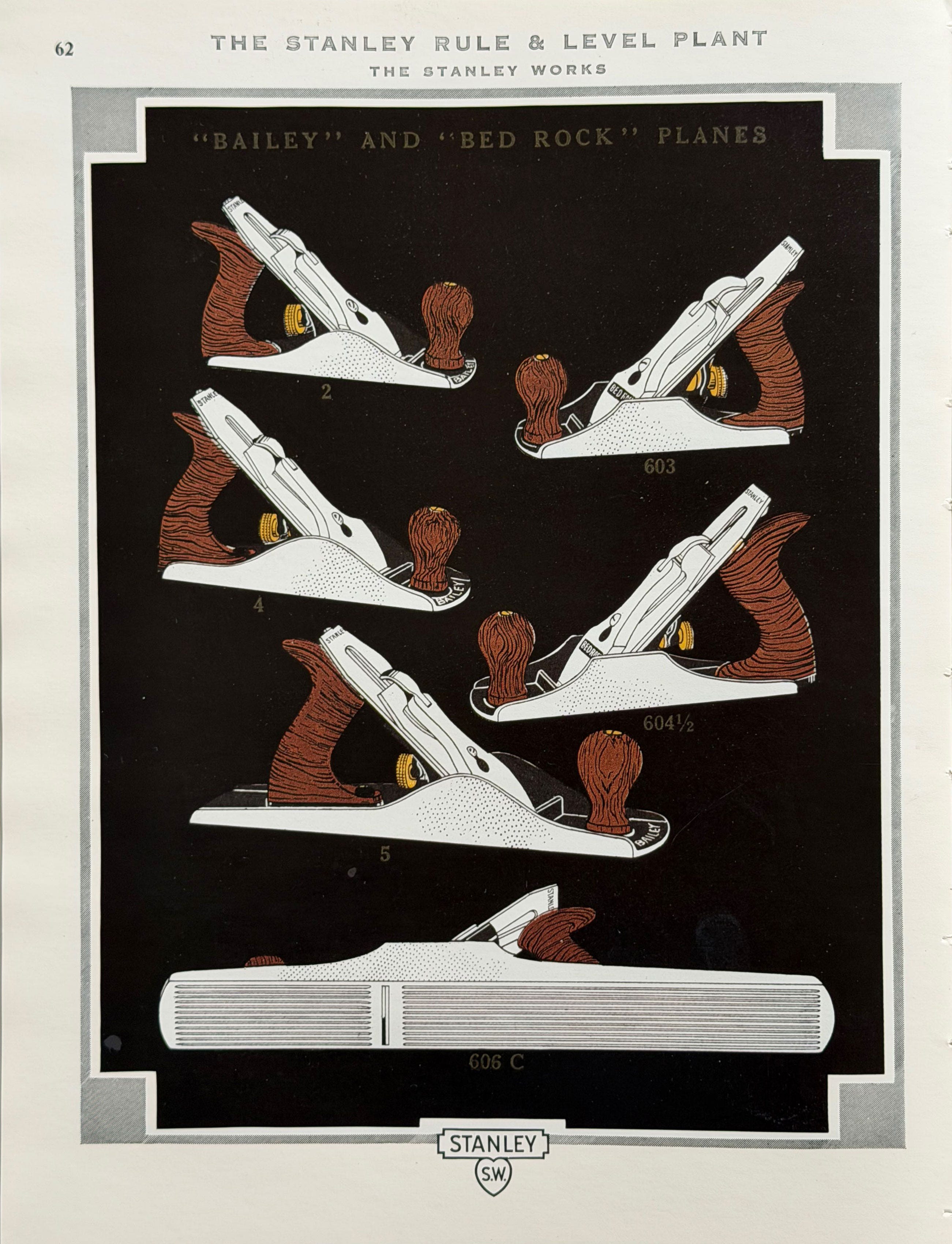
I first heard about Stanley’s No. 4-1/2 plane in the mid-1990s from a fellow hand tool explorer. The story went that Stanley developed the No. 4-1/2 to compete with the heavier infill planes in the British market. (Patrick Leach offers his take on this at his excellent Blood & Gore site.)
Whether that’s truth or apocrypha doesn’t matter because the No. 4-1/2 size plane shows up during every class I teach. Sometimes students own a vintage one. But usually they have a modern one made by Veritas, Lie-Nielsen, Clifton,1 Wood River or one of the other No. 4-1/2 models from overseas.
How ubiquitous is the modern No. 4-1/2? When Veritas started making bench planes, the No. 4-1/2 was the first plane the company manufactured. All the other bench plane sizes came later. When Lie-Nielsen chose to make a special plane for the company’s 25th anniversary, they made a No. 4-1/2 in bronze. And when I first met Rob Cosman in the 1990s, the No. 4-1/2 was the plane size he recommended to all his customers (I don’t know if that’s true anymore).
I admit I bought into the marketing and purchased a few tools in the No. 4-1/2 size, and I used them in my day-to-day work at the bench. They were heavy (about 5-1/2 lbs.), and that was a good thing. The mass reduced vibration. And it helped keep the plane planted on the board so it could slice through difficult grain.
I don’t disagree with people who love these planes for their mass.
But I do think fans of the No. 4-1/2 are missing some counterpoints about the practical downsides of mass and surface area.
Before we get into that, however, it’s only fair to mention something you probably already know. As bench planes get longer or wider, they cost more.
So there is an argument that the marketing world prefers the No. 4-1/2 because it is the largest and most expensive smoothing plane. And if I were a crass, bare-knuckled marketer, I might chalk up the No. 4-1/2’s popularity to margins and manufacturing. But I’m not that base. I think people who love the No. 4-1/2 are genuine in their affection for the tool.
And if you are one of those people, I’ve got nothing more to add. I’m not trying to argue. But if you are still looking for the right smoothing plane, read on.
Surface area – both of the wood and the plane’s sole – is the enemy when smoothing a board. One 20"-wide board takes considerably more effort to plane smooth than 10 2"-wide boards.
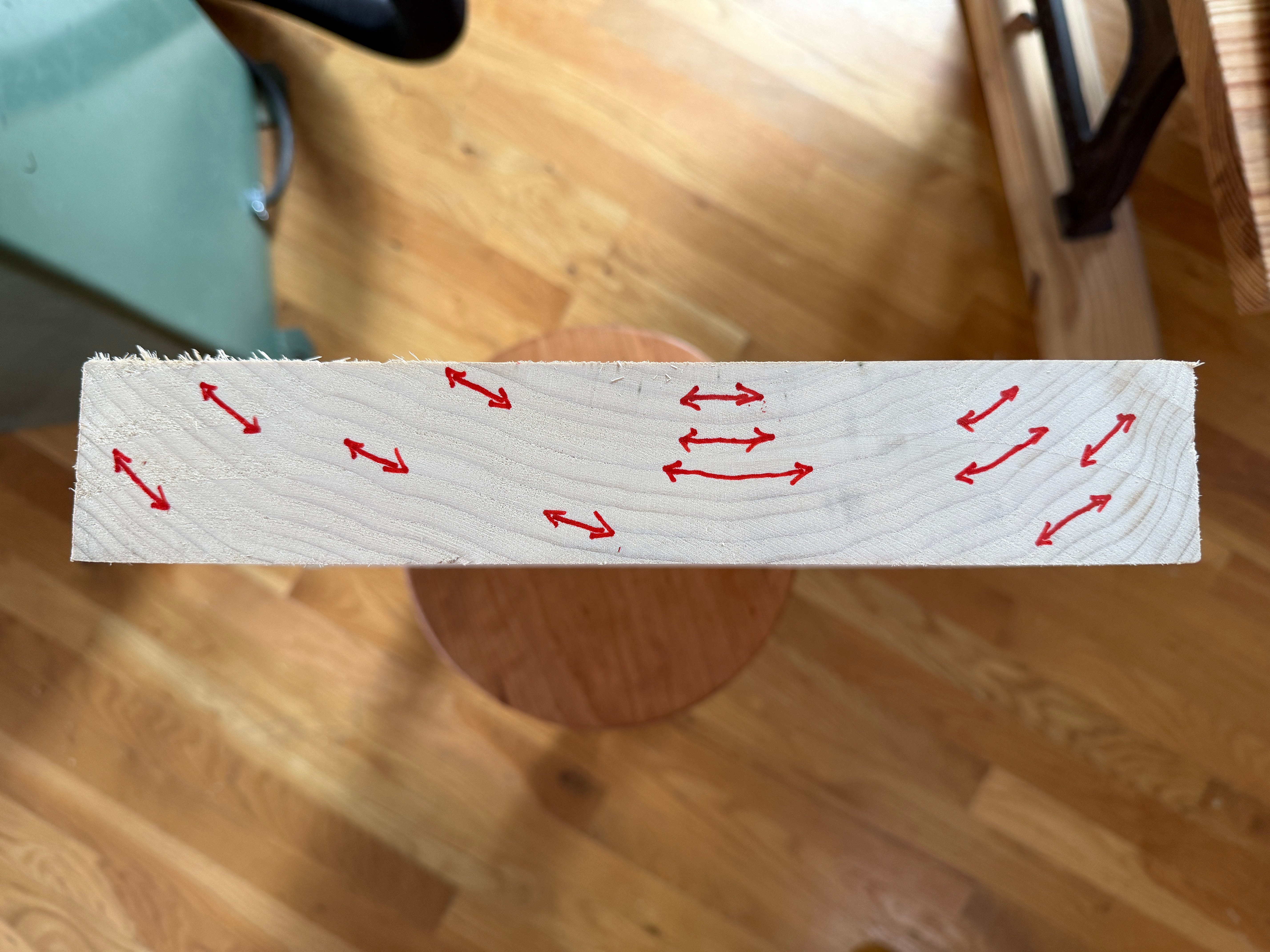
Why? The wide board is likely to have lots of high and low spots because of the different kinds of grain (quarter, rift and flat) that respond to changes in humidity differently. The 2"-wide boards will almost certainly have the same kind of grain along its length, so it won’t have high and low spots that are super dramatic.
(Also, and this is getting into the weeds a little, the 2"-wide board can be planed smooth faster because you can start the plane with the middle of the iron directly over the long edges of the board. This takes a lot of the plane’s sole out of the equation and gets the board smooth almost immediately.)
The other aspect of the surface area problem is the size of the plane’s sole. Wide and longer plane soles try to flatten the board as well as smooth it. When it comes to smoothing a case side, I don’t care much about flat. I just want it clean and smooth.
My favorite smooth plane ever (a Wayne Anderson infill smooth plane that I sacrificed in a trade) has a sole with a surface area of less than 10 square inches. My No. 3 has a surface area of 18 square inches. A No. 4 has 21 square inches. And a No. 4-1/2 has 29 square inches of surface area.
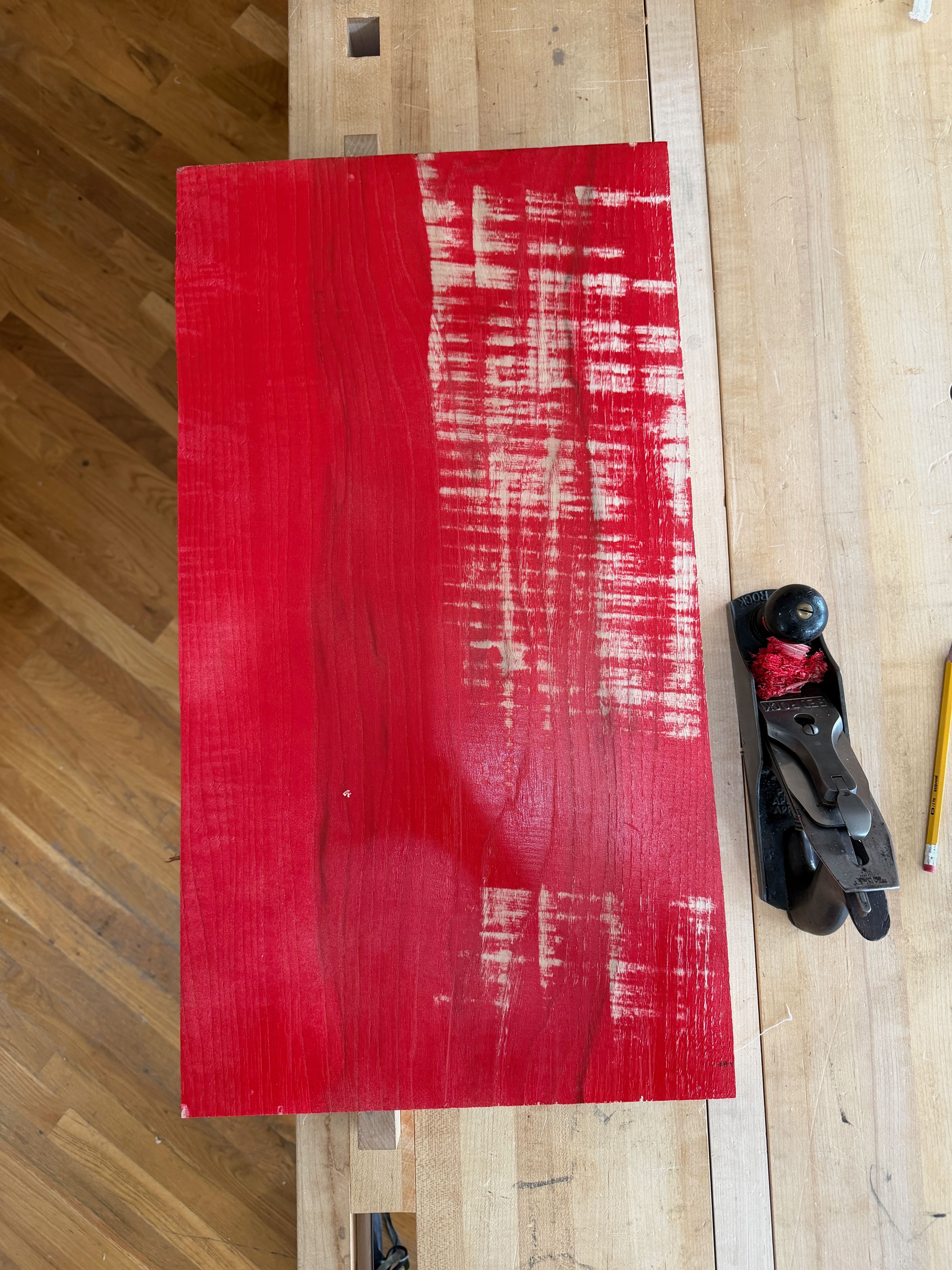
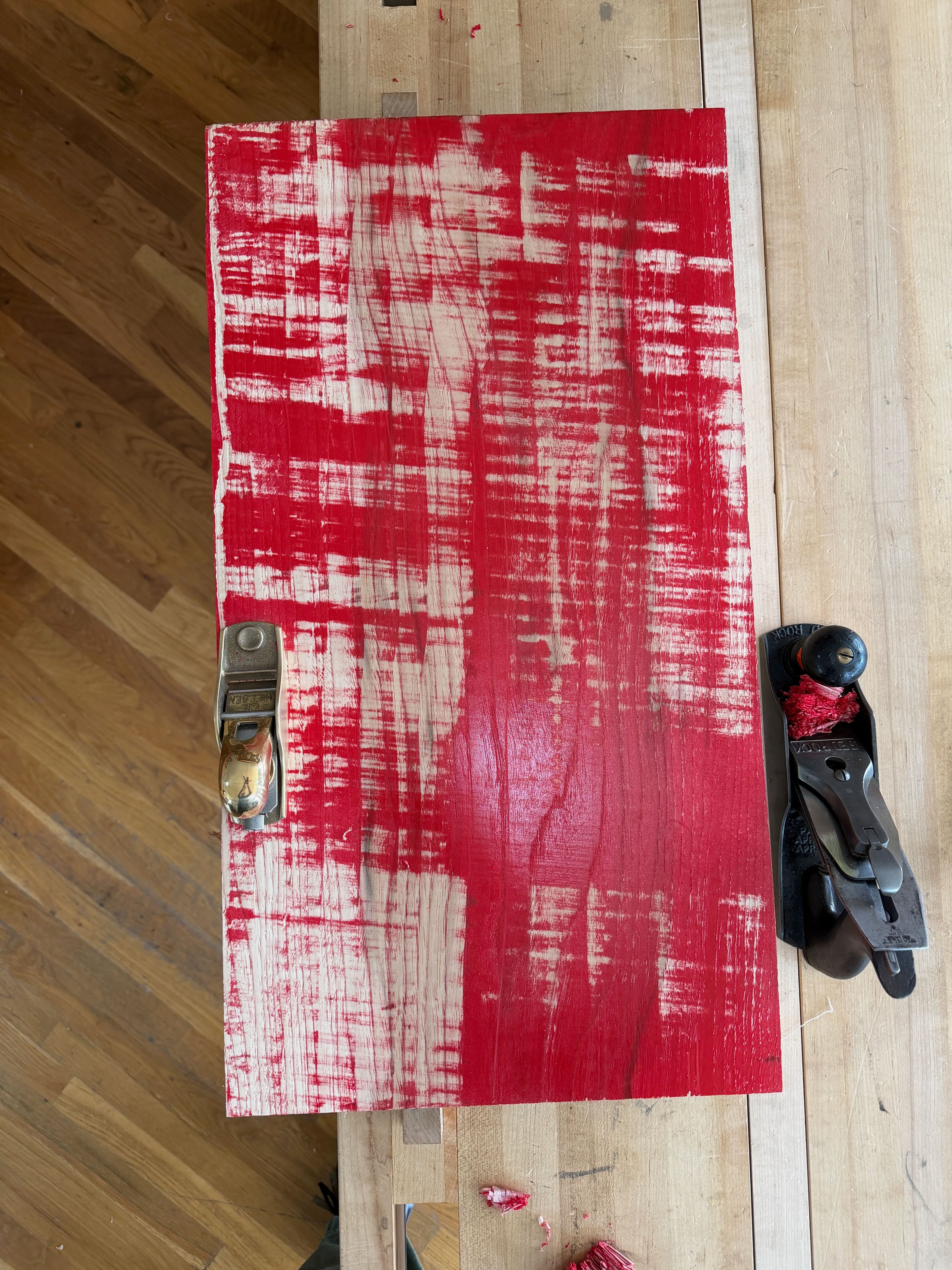
The surface area of the sole makes a significant difference when planing up wide boards, such as a case side, tabletop or sizable drawer fronts. To demonstrate this, I let students begin planing up a case side with a No. 4-1/2. Then I hand them the smallest smoother on hand. These small planes hug the hills and valleys of the board instead of trying to make them flat. So a small smoother gets the job done in far, far fewer strokes than a larger plane.
Comments
Nothing yet. Say the first thing.
Sign in to join the conversation.