
Welcome to July’s round of digging into the words all around us to find out more of what is being said between the lines.
I recently made an episode about the words Taylor Parker used when speaking to the police after killing her friend and stealing her unborn child. It’s the story featured in the Netflix documentary Maternal Instinct.
There was a line Taylor said that I couldn’t quite make out, so I asked anyone who could discern the words to let me know.
While I initially heard “Her river pulled up,” many listeners with better ears than mine pointed out that Taylor actually said, “I remember pulling up.” I wish I had caught that before recording, as those four words contain two major red flags.
First, the question that prompted those words was, “you went to her house… what happened then?”.
When Taylor says “I remember pulling up,” she isn’t actually addressing the topic of the question, which is essentially, “what happened after you pulled up?” This is a classic hallmark of deception: avoiding the question by shifting the focus to a different point in time. When a deceptive subject wants to avoid a specific timeframe, they will often go backward in time to steer clear of the sensitive window. So, that is red flag number one.
The second red flag is “I remember.” By explicitly telling us that she remembers something, she introduces the reality that there are other things she doesn’t remember. This tactic is frequently used by deceptive people who want to avoid recounting specific details of an event. They find comfort in sharing only what they “remember,” which allows them to bypass other details under the guise of memory loss.
So, her river didn’t pull up. But what she actually said added further fuel to the conclusion that Taylor was lying when she spoke to the police.
If this newsletter feels a little shorter than normal that’s because it is! This section did feature a breakdown of Andrew Tate’s recent social media posts. However, he was arrested a few hours ago and under UK law… it all has to go!
Instead, here’s something much safer. A post I saw on social media yesterday which includes a LOT of my “favourite” words! How many can you spot?
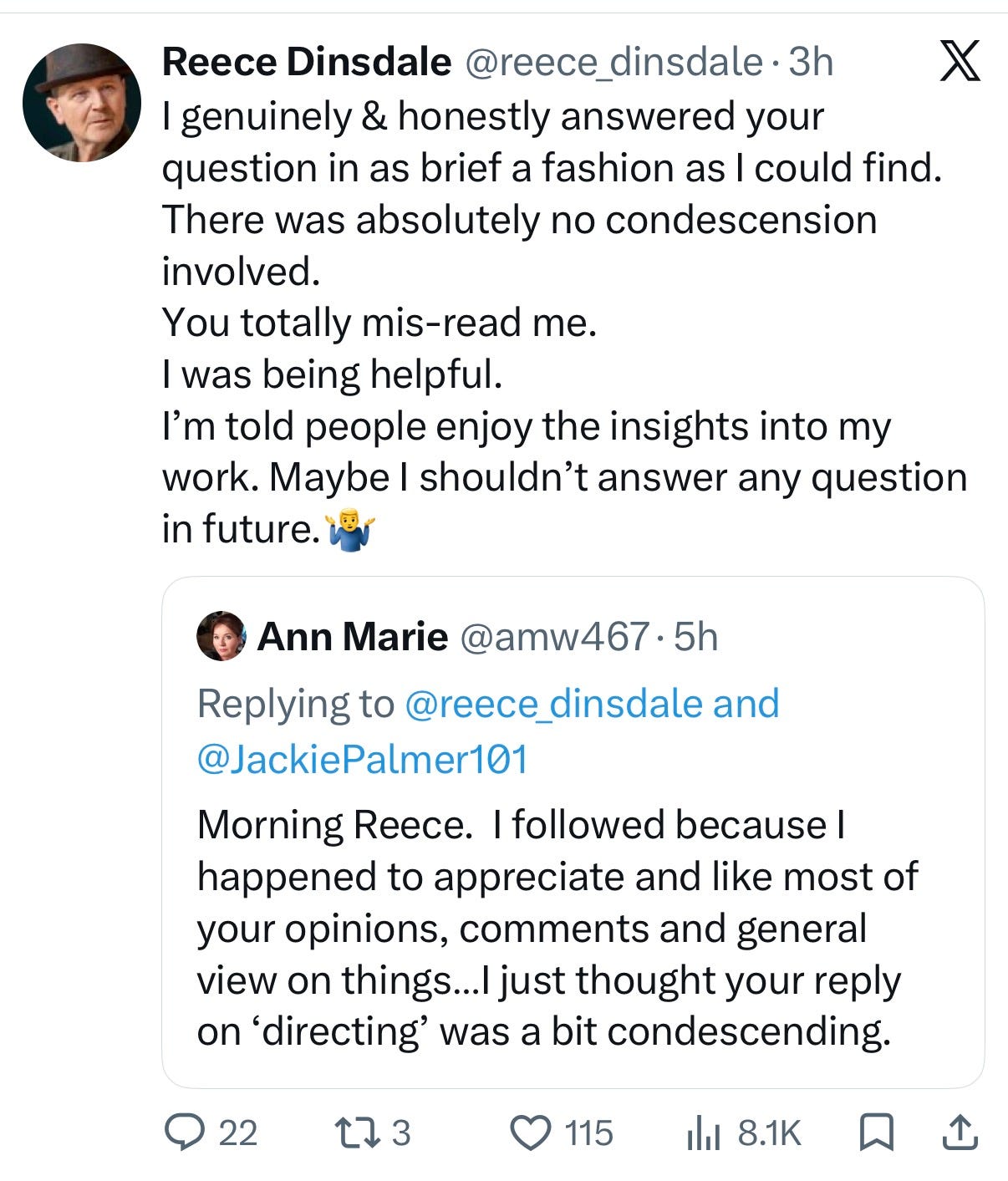
Let’s break it down
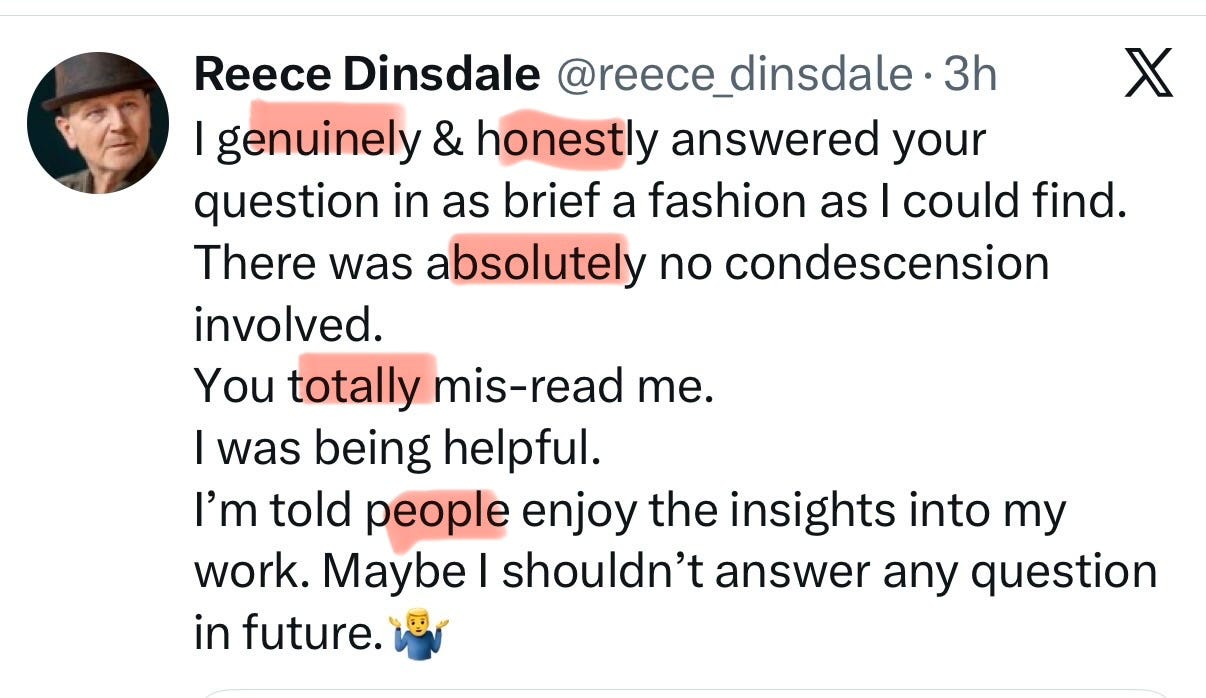
I’ll start with “genuinely” and “honestly”, two words to persuade us that Reece was sincere in his response. When we see those we should ask: why the need to persuade? Why the need to use extra words to get across how truthful you are being?
“Absolutely” is also doing a persuasive job, as it often does. There wasn’t simply “no condescension involved”, the writer doesn’t feel stating this fact would be enough so has to add in “absolutely” in the belief it will make him sound super-certain.
More persuasion with “totally” - we can see now that he is being defensive and sensitive to the accusation that he was being condescending.
And he uses the classic “people” to talk about some mysterious group that is on his side, giving social proof that “people” like what he posts so he couldn’t possibly be condescending.
And my suspicion is that the writer realised they were being condescending. Why? Look at what he owns and what he doesn’t own through pronouns.
He owns:
Answering: “I… answered your question in as brief a fashion as I could find”
Helping: “I was being helpful”
Being informed: “I’m told people enjoy”
Answering again: “You totally mis-read me”
He doesn’t own condescension “there was absolutely no condescension involved” - suddenly he moves to a passive voice and takes himself out of his words.
Not all deception is malicious but this guy works very hard in not many words to dispute the allegation. My guess would be he felt he had been condescending and really didn’t enjoy the fact it was called out.
It’s officially summer, but there is still no sign of Casey Anthony’s book. In fact, I’m told it has been pushed back to the fall.
However, she has published another chapter for paying subscribers on her Substack. This latest release is Chapter 7, and she has previously shared the introduction and Chapter 1. I thought we were getting a serialization but never mind!
I’ve read the first few chapters she shared. Buyer beware: these have not been anywhere near an editor, as they are filled with typos and untidy phrasing.
Someone sent me this text chain (it was posted publicly, so don’t worry, I’m not exposing anyone’s private messages). Have a read.
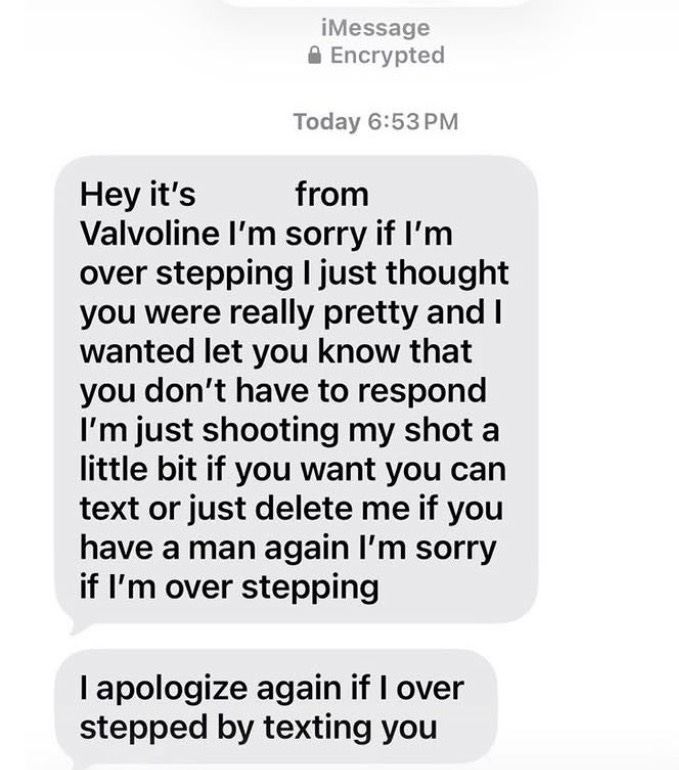
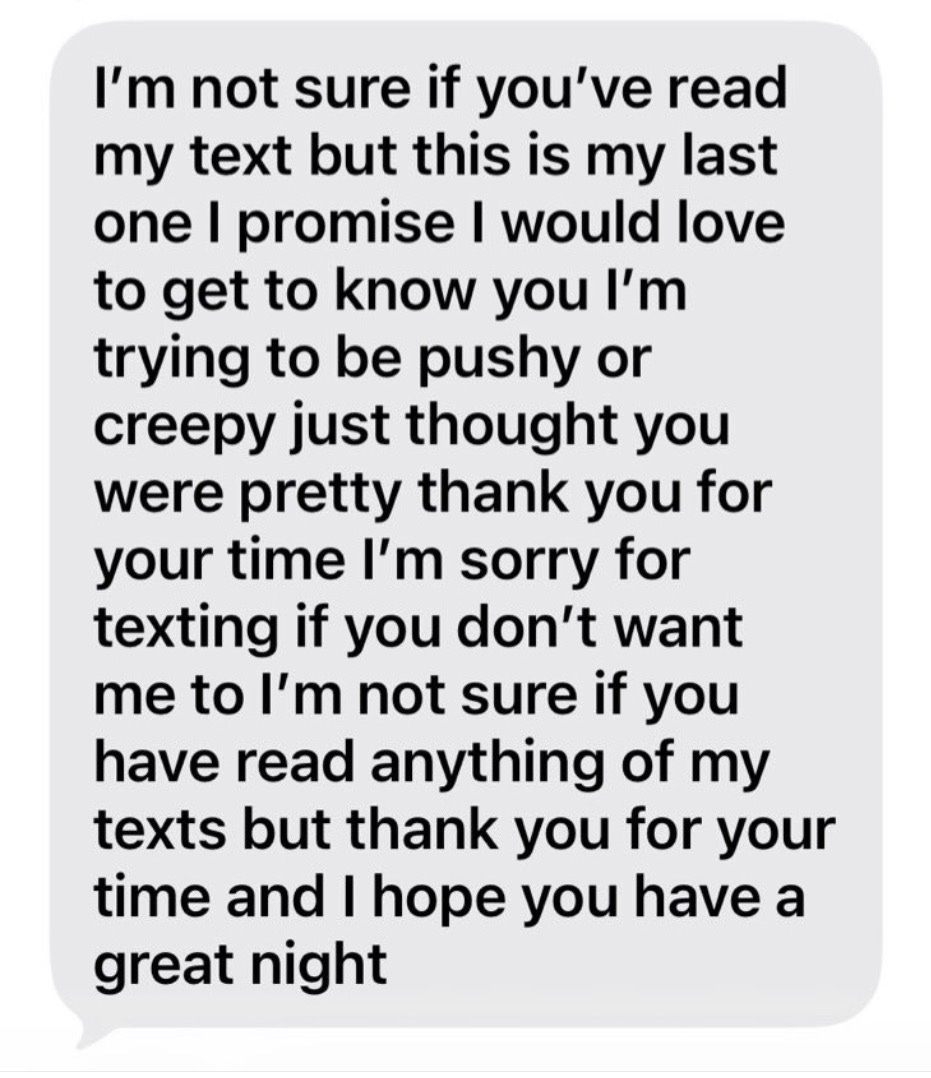
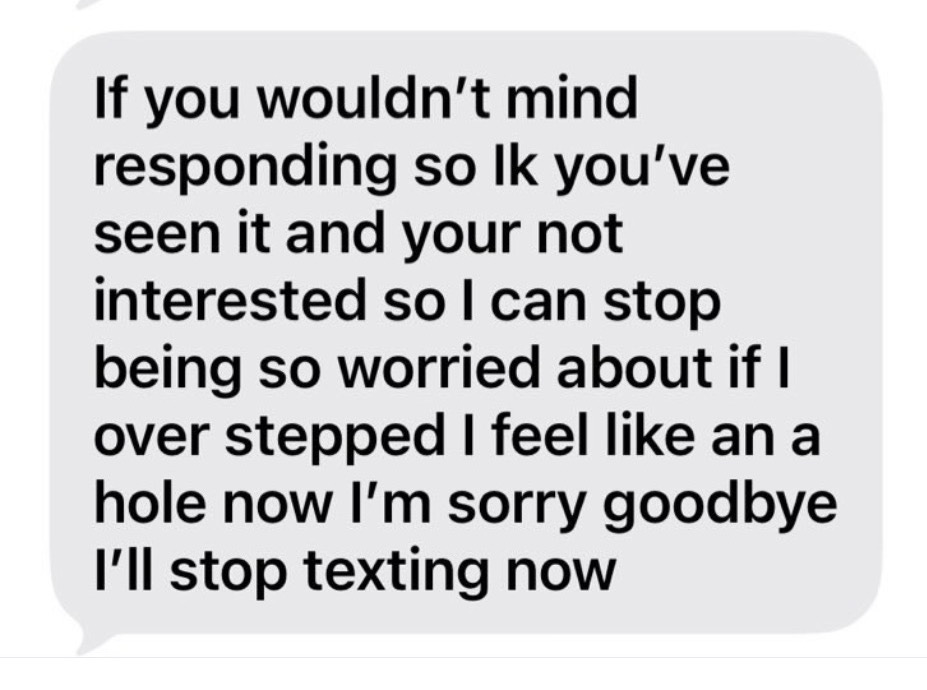
The question asked, “is this creepy or an innocent approach”
At first glance, the messages might seem well-intentioned despite overstepping boundaries, but I found red flags galore beyond the sheer inappropriateness of the texts.
First is how the sender attempts to control the boundaries: “You don’t have to respond,” “ you can text or delete,” and “if you wouldn’t mind responding.”
Next is how he uses minimizing language to make the interaction feel small and harmless: “I JUST thought you were really pretty,” “I’m JUST shooting my shot a LITTLE,” and “JUST thought you were pretty.”
Then he states, “I’m trying to be pushy or creepy.” This might be an embedded confession, or he may have simply missed the word “not” and meant to say “I’m NOT trying to be pushy or creepy.” The latter seems most likely, but even then, the focus remains entirely on “pushy” and “creepy.” When people tell us what is not happening, it is very often exactly what is happening.
Have you ever heard someone yell, “I’M NOT RAISING MY VOICE”? Or when someone says, “I’m not trying to be difficult,” yet they are being incredibly difficult?
When we state something in the negative, that is where our focus lies.
“I have a neat and tidy house” focuses on neatness and tidiness.
“I don’t have a messy house” focuses on the mess.
The biggest issue for me, however, is what isn’t said. This guy is entirely focused on what he wants. He states:
“I wanted to let you know that” (he found her pretty)
“I would love to get to know you”
“If you wouldn’t mind responding”
Not once does he ask for her opinion, her permission, or state what would be in this approach for her. It is entirely about having his own needs satisfied.
Given his poor working knowledge of boundaries, I wouldn’t just be ignoring his messages—I’d be taking steps to warn others.
I often say the truth is in the words, but sometimes, it’s the lack of words that speaks the loudest!
I’ll give the advice I give every time - when someone doesn’t want to answer the question we should assume that is because the truthful answer wouldn’t serve them well.
Until next time
Jack
No posts
Comments
Nothing yet. Say the first thing.
Sign in to join the conversation.