
In this issue:
The Order of Things: Why what we say first reveals our true feelings.
The “Just” Filter: How one tiny word is used to minimize big intentions.
Red Flags: Why “Honestly” and “No Idea” are almost always a smokescreen.
Validation: How a recent bankruptcy hearing proved the power of statement analysis.
Hello and welcome to February’s run-through of all things truth and deception inside the words we use.
Let’s start with this social media post.
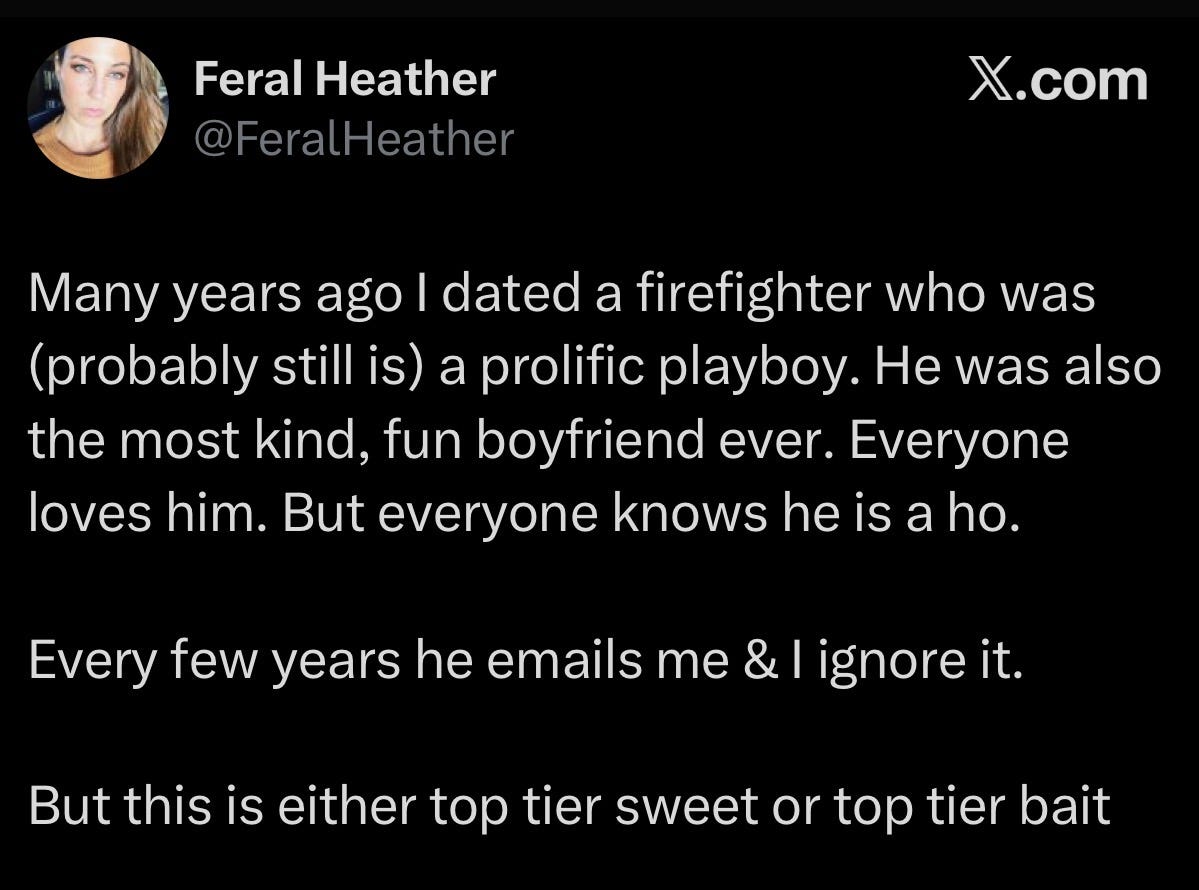
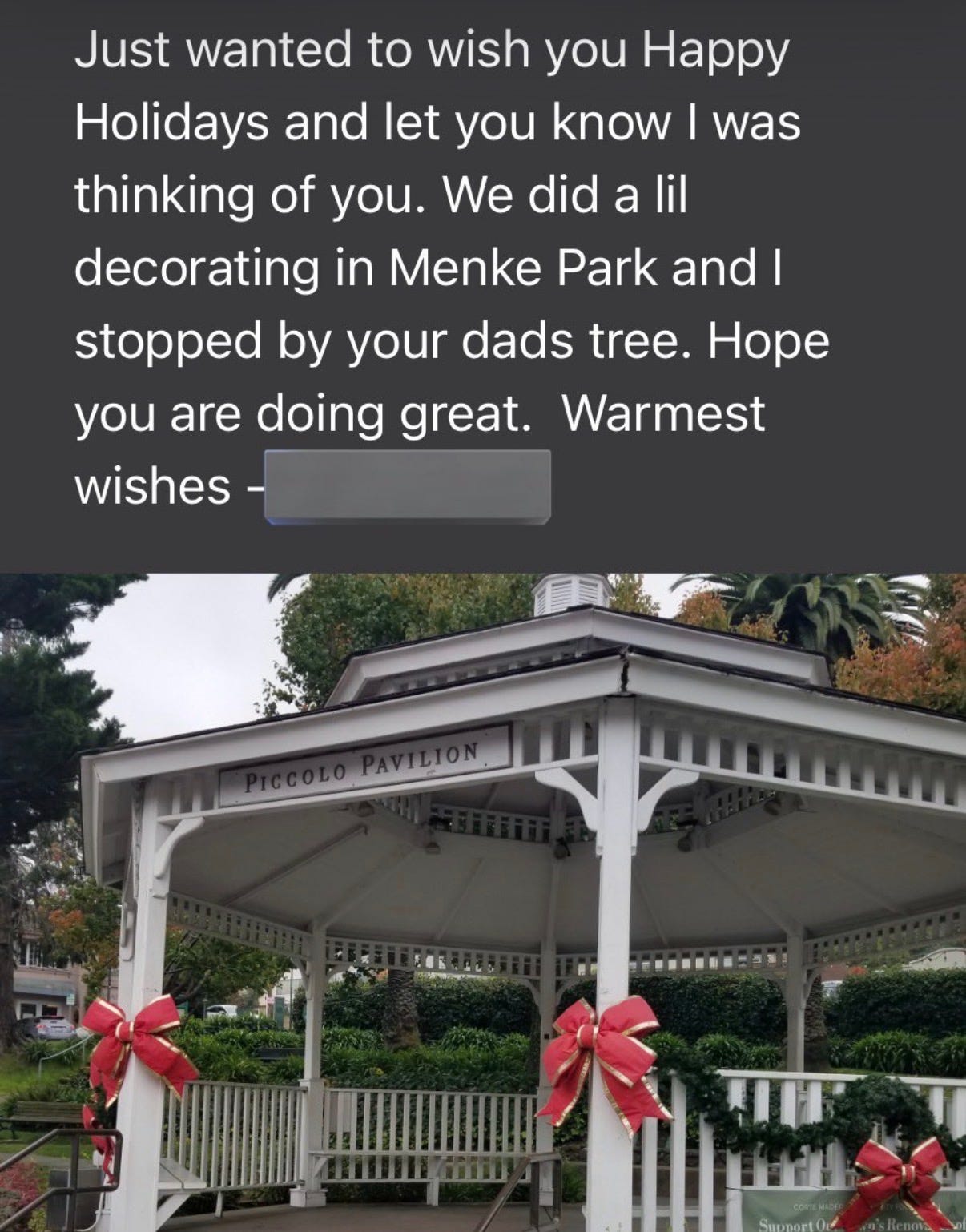
Two questions from me: reading those two messages, how does Heather feel about the firefighter, and how does the firefighter feel about Heather?
From their words, I see two different tells. Heather’s is in the order she lists his attributes. The first thing she tells us is that he was a playboy. She follows that with a long list of positive attributes (kid, fun, everyone loves him) and finally says he’s a “ho”.
When we list anything, we tend to lead with whatever carries the most importance in our mind. In this case, it is “playboy”. She provides a longer list of good points next before returning to the negative qualities.
I think she’d like the firefighter to have changed, though, as she orders her ask with “sweet” first and “bait” second. She knows… she’d love the firefighter to have changed!
As for him, it’s the “just” that gave him away. He drops a pronoun (it’s “just” rather than “I just”) and that “just” is used to minimize his intentions. It’s “just” a small thing! To me, he’s still playing.
Have a look at this one: does the poster have knowledge of the situation?
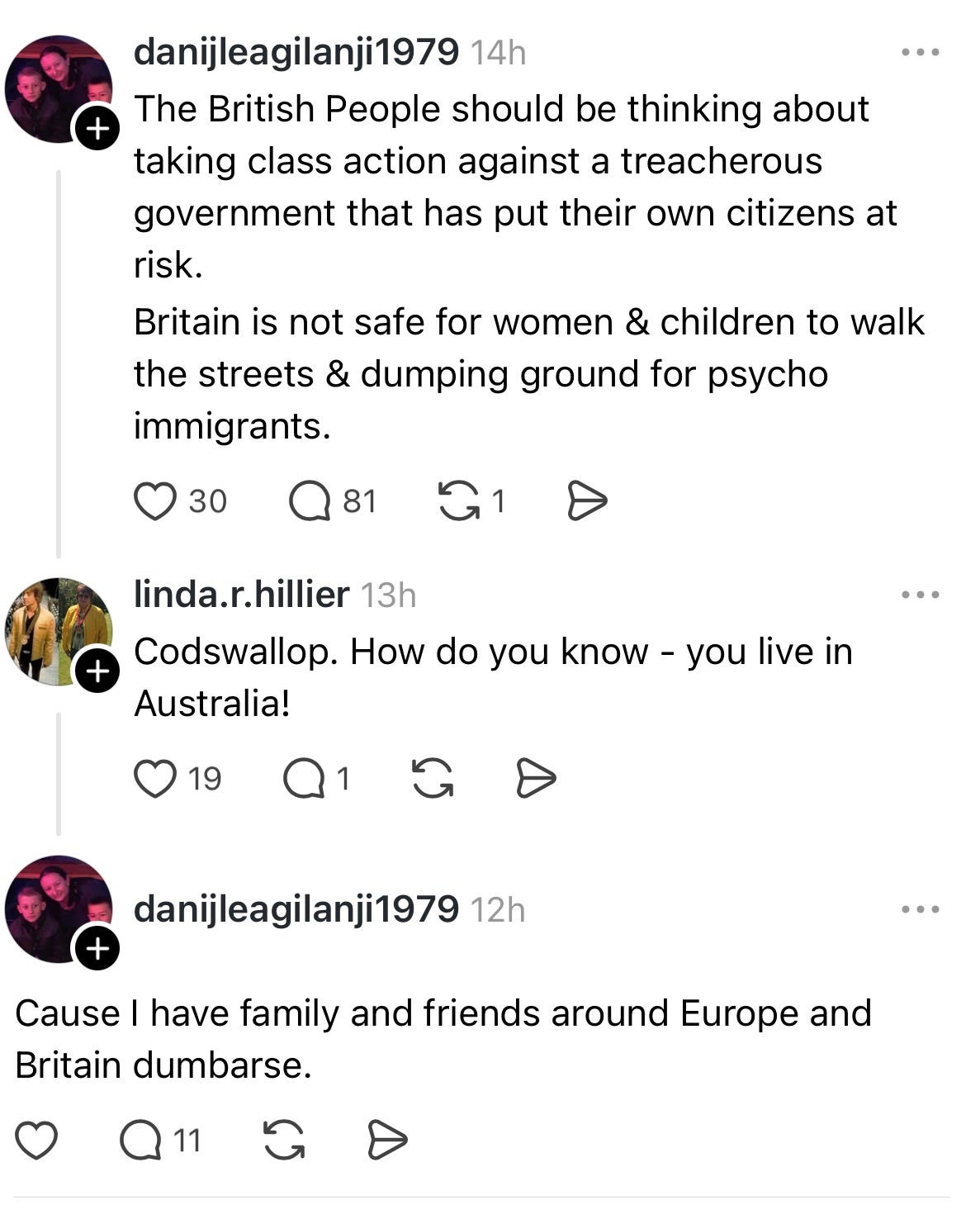
I doubt they do. When challenged as to how an Australian can know anything about what they are claiming, they do two things. They mention “family and friends” when the normal use is “friends and family”. That suggests to me they have a primary family connection. Then they say those family and friends are in Europe and Britain. The focus was on the situation in Britain, so putting Europe first is unexpected. If they truly have people close to them in Britain who have conveyed the situation, I’d expect a much clearer answer such as “My friends in Britain have told me this.”
My money on them is having some distant family connection with Europe and not much else.
Still with social media (because it is so good for seeing simple examples of the concepts I write about), what do you notice in this one?
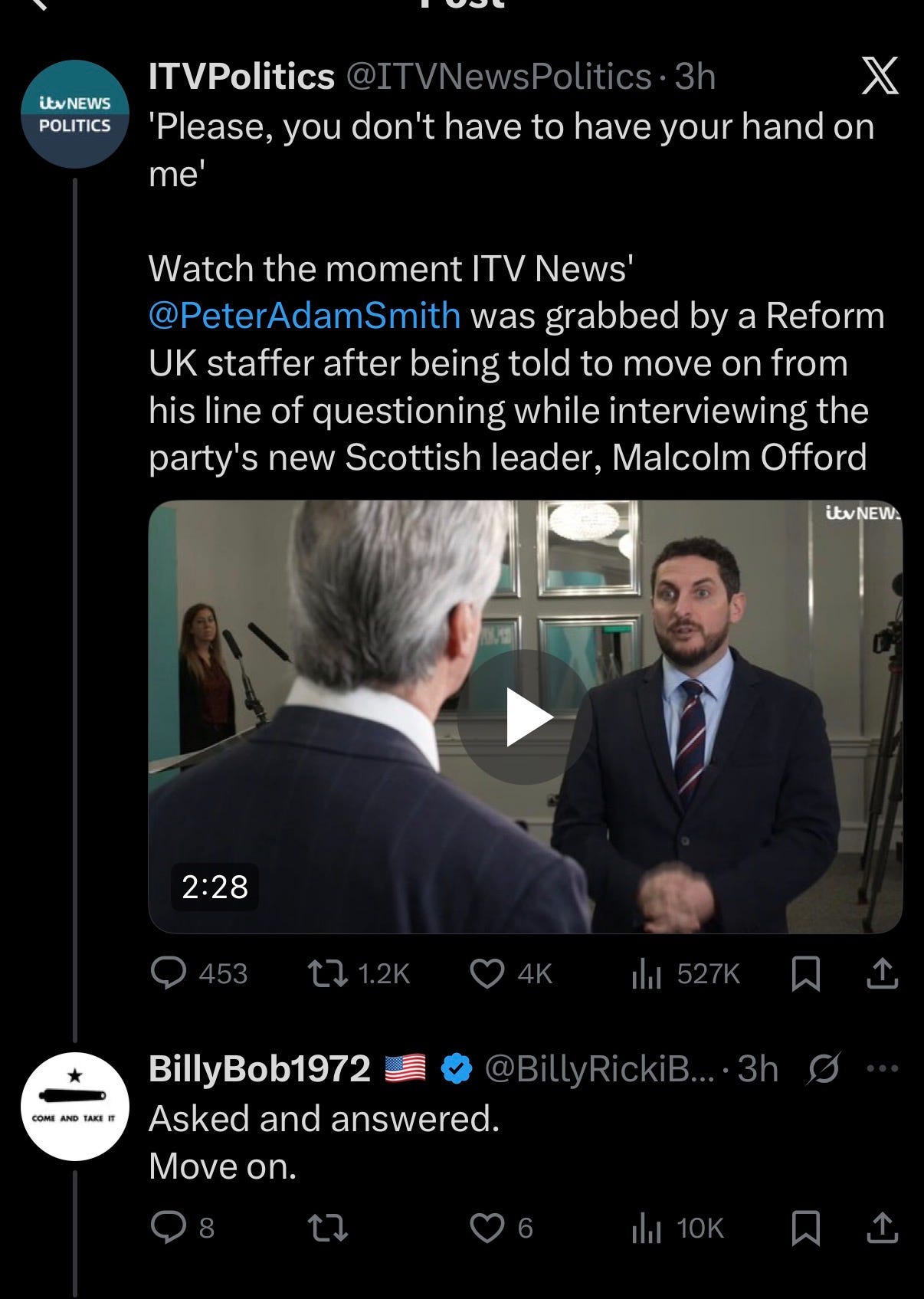
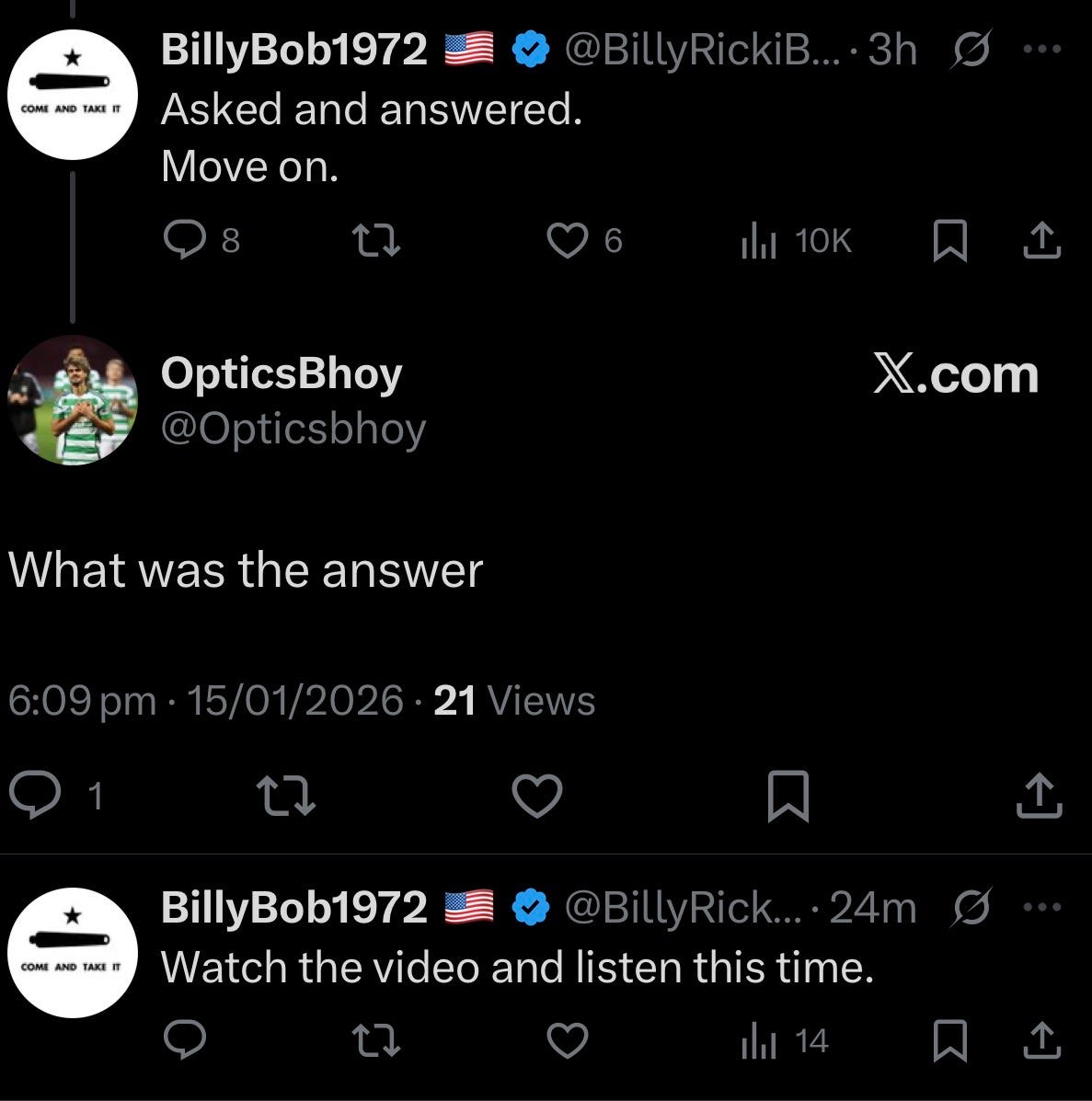
It’s a classic example of someone trying to take the conversation down a road they are comfortable with. BillyBob would find it much easier to provide the answer if he knew it rather than give that weak reply.
As I always teach, when someone doesn’t give a clear, direct response to a question, ask why. Is it that the straight answer would be uncomfortable? It usually is.
If social media is fertile ground for seeing the language of deception, then politicians run it a close second.
In eight words, this guy gives two huge examples of phrases often used by those hiding the truth!
“I HONESTLY, have NO IDEA what you’re talking about”
When someone tells you they are talking honestly, ask why they feel the need. Have they been lying up until now and want to flag the change? Or is it that they want to deceptively appear honest? Rather than let what they say stand or fall on its merit, they feel the need to be explicit: “I am being honest.”
Beware that if someone feels their honestly in being challenged then an “honestly” maybe appropriate “I won the lottery yesterday” “No you didn’t” “I did, honestly, here’s the ticket”.
He follows it up with “no idea”, which is very often deceptive. We have ideas all the time. “How did that scratch get on the car?” “I have no idea.” Is that true? Did it scrape on something? Did someone scrape it? Did it happen when the car was parked somewhere? We have an idea, usually a few of them. “No idea” attempts to shut down further probing. What’s the use in asking more questions if there’s no idea as to how it happened?
“I don’t know” is a much more reliable alternative.
So, two red flags. Do you really think he was oblivious to what he was being asked about?
What do you make of the assertion here? True or false?
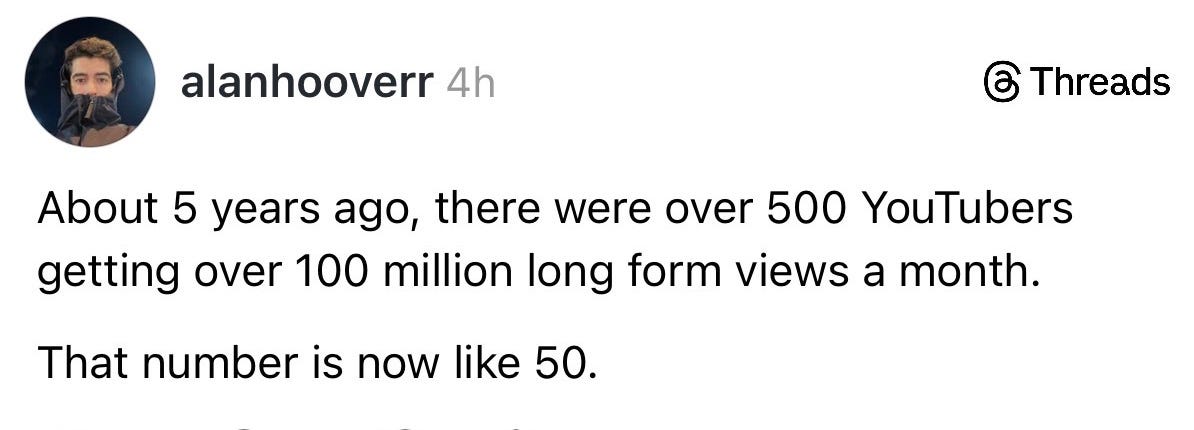
I hope you spotted reasons to be wary. It’s stated with low confidence: “ABOUT 5 years ago” and “now LIKE 50”. There’s more vagueness with two numbers being stated as “over” a certain figure.
That’s a lot of vagueness for such a small claim. So, was it true? The answer came in the replies.
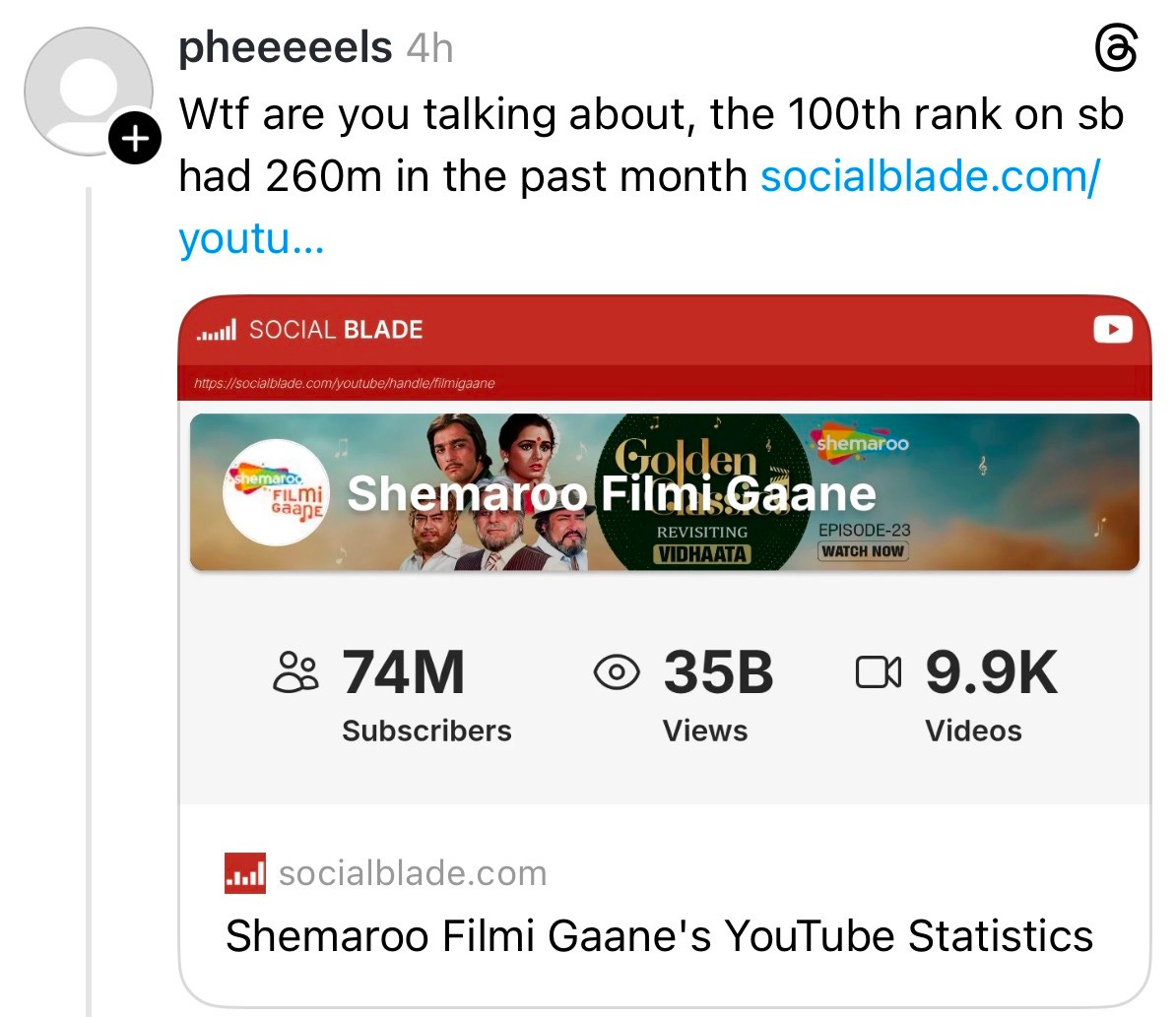
The key lesson here is to look for the amount of vagueness in an assertion. The more you see, the less confidence the statement is being made with.
When I make content analyzing words in a current situation, I don’t often get the chance to see how close to the money I was. Many of the specific points I make get lost as stories move on or remain unresolved.
However, the delightful Laura Owens gave me some validation this month. I looked at this exchange from her bankruptcy hearing:
“Q: You also listed an interest in your petition in a company called Keybacker Incorporated. What is that?
A: Keybacker was the-an idea for a company that I had that never got off the ground.
Q: Do you have a current interest in that company?
A: Em No, I mean, it doesn’t operate. I DON’T BELIEVE it’s current or has been.
Q: You also listed one called Stylette LLC. I may not be pronouncing that correctly.
A: Yeah, another one that never got off the ground.
Q: Do you have a current interest in Stylette?
A: Um again, I DON’T THINK that’s current either.”
In my analysis, I said that it wouldn’t surprise me if both companies were current. There is no deception or lies told here. I pointed out that the use of “I don’t believe” and “I don’t think” both indicate low confidence in what follows. It might be this wording was used to convey an impression these companies were not current; however, if they are active, the wording used means no lies were told.
In a later filing, we did find out that both companies were still active at the time of the filing.
And now one I need your help with! It’s Bill Clinton. He’s certainly lying, but he says “never” twice. Did he tell someone to lie? Let me know by replying or in the comments if you know.
On the Grizzly True Crime Channel talking Daniel Martell, ex-partner of the mother of missing children Lily and Jack Sullivan.
My new podcast: How Words Work
Let’s see what March brings us!
Jack
No posts
Comments
Nothing yet. Say the first thing.
Sign in to join the conversation.