By Emma Yanyang Kong , Aditya Deshpande , Asad Abbasi , Bowei Yan , David Fagnan , Ashish Rastogi , Dhaval Patel , Ray Zhang Introduction The Netflix experience is a journey of discovery. Every visual cue, from the artwork on a title to the video previews that autoplay while you browse, is there to connect you with a story you will love. We call these visual cues assets , and choosing the right…
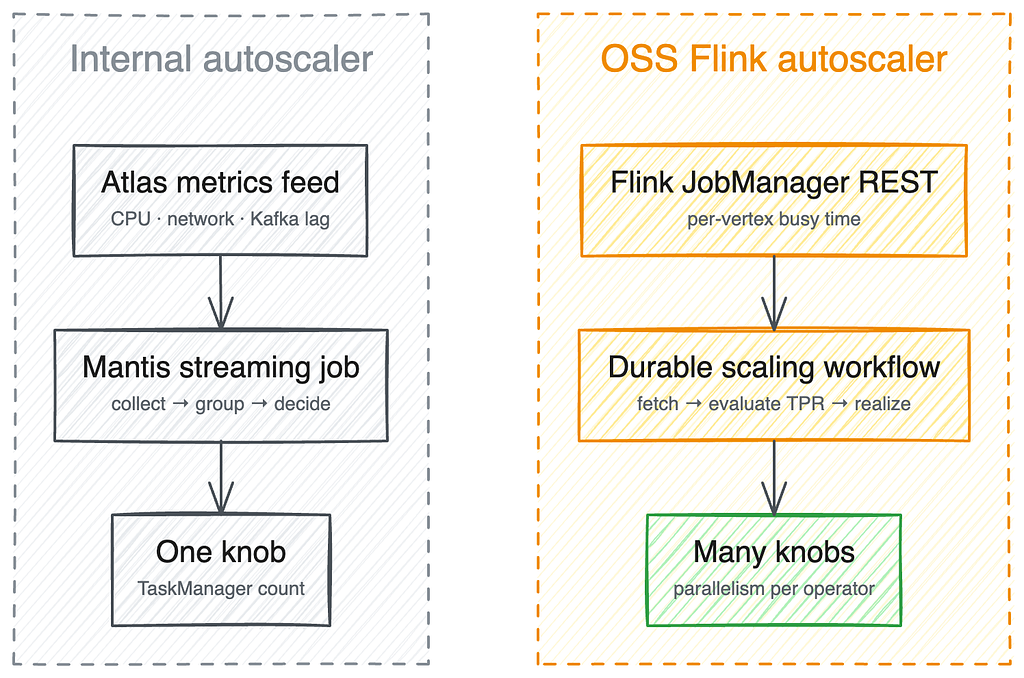
Samuel Yeboah , Francesco Di Chiara and Mingliang Liu Today, Netflix runs two Flink autoscalers. That is exactly one more than we want. We built the first one in-house years ago, when there was no mature option suited to our platform. The second came from the Apache Flink community, and it can scale workloads our homegrown system was never designed for. We now run both in production and are…
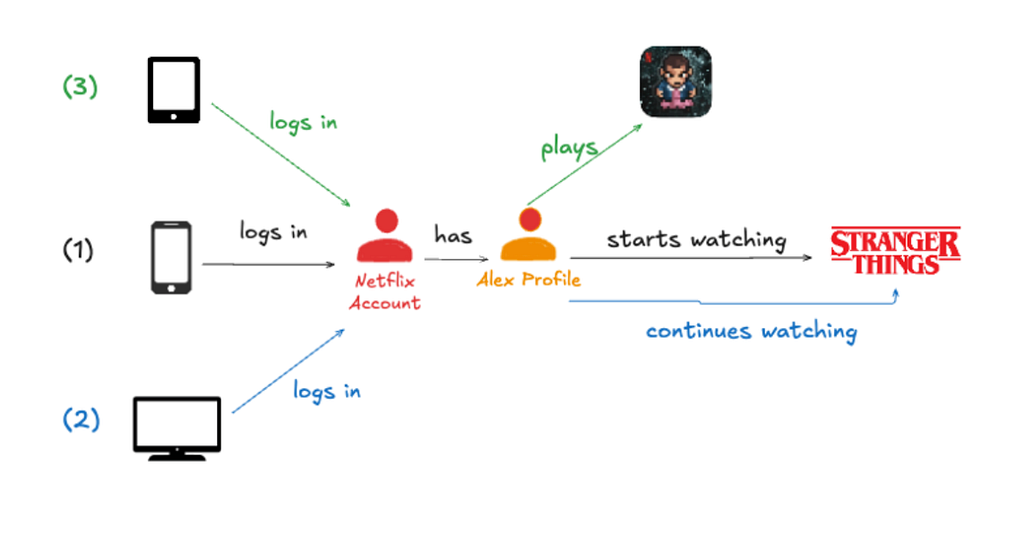
How and Why Netflix Built a Real-Time Distributed Graph: Part 3 — Querying the graph with gRPC execution API Authors: Nilesh Mishra and Ajit Koti This is the third entry of a multi-part blog series describing how we built a Real-Time Distributed Graph (RDG). In Part 1 , we discussed the motivation for creating the RDG and the architecture of the data processing pipeline that populates it. In Part…
by Aarti Laddha , Richard Diaz-Cool , Rishika Idnani , Venkatesh Selveraj Netflix supports a vast and evolving set of features and content types, ranging from 4K streaming and immersive audio to live streaming and cloud gaming, across a diverse ecosystem of devices. However, not all devices are created equal. Hardware limitations such as available RAM, CPU cores, display capabilities, or platform…
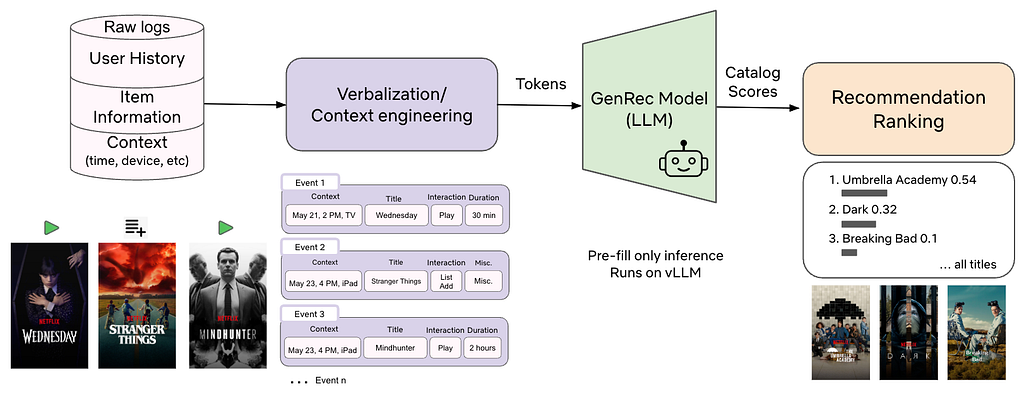
Authors: Ying Li , Arjun Rao , Shradha Sehgal Introduction Recommendations sit at the heart of the Netflix experience. Our current production models rely on thousands of hand‑crafted features over users, items, and interactions, along with specialized architectures for sequence modeling, feature interactions, and multi‑task objectives. This stack has evolved over many years to support diverse…
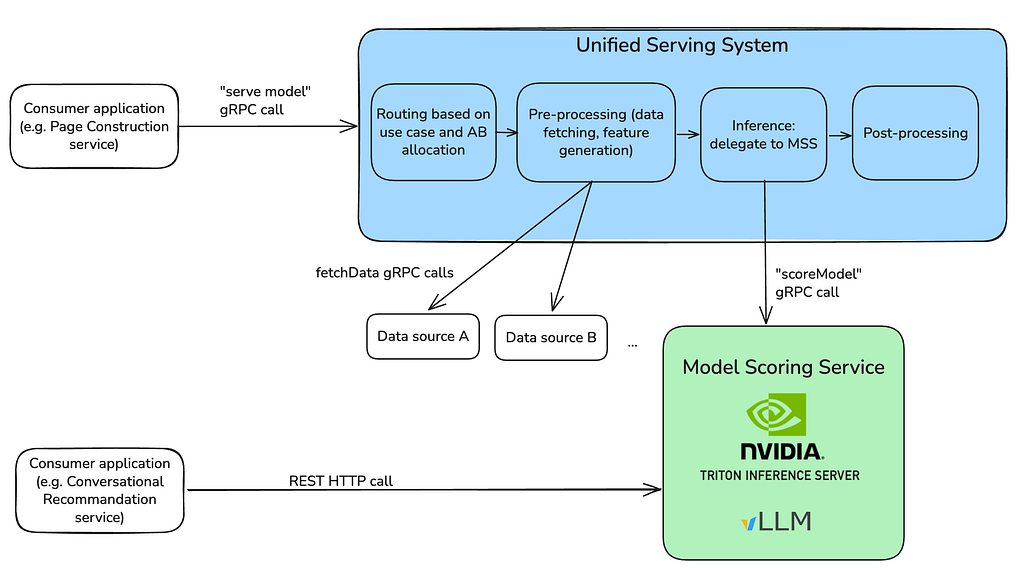
By AI Platform’s Model Runtime team and Inference team Introduction Most organizations consume LLMs through hosted APIs. Netflix went further — we run the full stack ourselves, from model deployment through inference, inside our existing production environment rather than a separate ML silo. Some of those decisions weren’t obvious, and a few revealed their trade-offs only under production load.…
By Parth Jain , Rakesh Sukumar , Yingwu Zhao , Renzo Sanchez-Silva & Nathan Fisher A deep dive into the engineering challenges of building a real-time service dependency map at Netflix scale: from streaming architectures and distributed aggregation pipelines to time-travel queries and the methodology that made it work. Introduction In our first post , we introduced the problem: engineers at…
Authors: Lequn Wang , J iangwei Pan , and Linas Baltrunas Figure 1. Autoregressive homepage generation. GenPage builds a Netflix homepage one row or entity at a time, each one conditioned on what’s already on the page and the user’s context. Introduction The Netflix homepage is the first thing users see when they open the app and the primary way they discover content to enjoy. Almost every part of…
By Zhuoning Yuan , Ta-Ying Cheng , Benjamin Klein , Bahareh Azarnoush Introduction At Netflix, we build technology to help storytellers bring their creative visions to life and to help members discover the stories they love. To connect stories with diverse audiences around the world, we produce promotional assets, including trailers, teasers, and social short‑form videos, that build on and elevate…
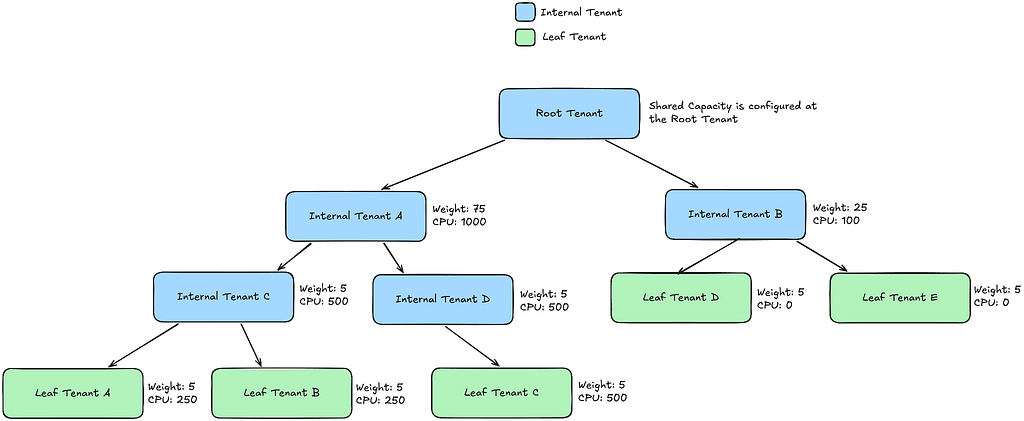
By Alvin Bao , Alex Petrov , Jennifer Lai , Aidan Sherr , and Samartha Chandrashekar As a part of the journey to transition Netflix’s compute infrastructure to be more Kubernetes-native, we have leaned into incorporating components from the Kubernetes ecosystem into our container platform Titus . One example of this is our use of Kueue , a cloud-native job queueing system for batch workloads,…