
Reviewed by Michael T. Bollinger, MD
For years, I have seen the wellness world conflate two very different ideas: eating more plants, and eating only plants. “Plant based” started as a description of a pattern of eating more vegetables, more fiber, more color on your plate (much like my 30 plants a week goal), but somewhere along the way, it got rebranded as a synonym for vegan. I hear the confusion constantly from readers and clients: “Should I be going more plant based? Does that mean I need to cut out meat?”
I want to answer that with actual data, not my opinion. Because when researchers sat down and did the math- real math, on real diets- the answer they found wasn’t “more plants are always better.” It was something much more interesting and much more useful for how you actually eat.
If you’ve spent any time at all in wellness spaces, you’ve absorbed some version of this idea: the more plant-based your diet, the healthier you are. Fully plant-based is framed as the gold standard, with anything short of that treated as a compromise. It’s a compelling story, and there’s real research behind some of the plant-forward benefits — more fiber, more polyphenols, more phytonutrient diversity.
But “more plants is better” and “all plants is best” are two different claims, and only one of them holds up when you actually run the numbers.
A team of French researchers set out to answer a very specific question using real dietary data from thousands of adults. They asked: what is the minimum percentage of protein that must come from animal sources in order to meet every other nutrient recommendation — vitamin B12, vitamin D, iron, zinc, omega-3 fatty acids, and more — without relying on fortified foods or supplements?
This wasn’t a study built to defend meat-eating. It was a mathematical optimization model, built to find the most efficient, most plant-forward diet possible while still hitting every nutrient target. Think of it as researchers trying as hard as they possibly could to prove a fully plant-based diet could work nutritionally, using unlimited creativity and every food combination available to them.
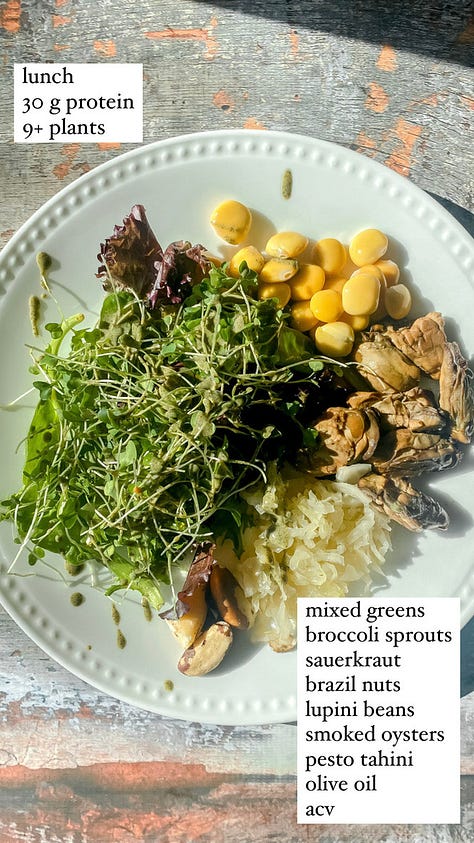
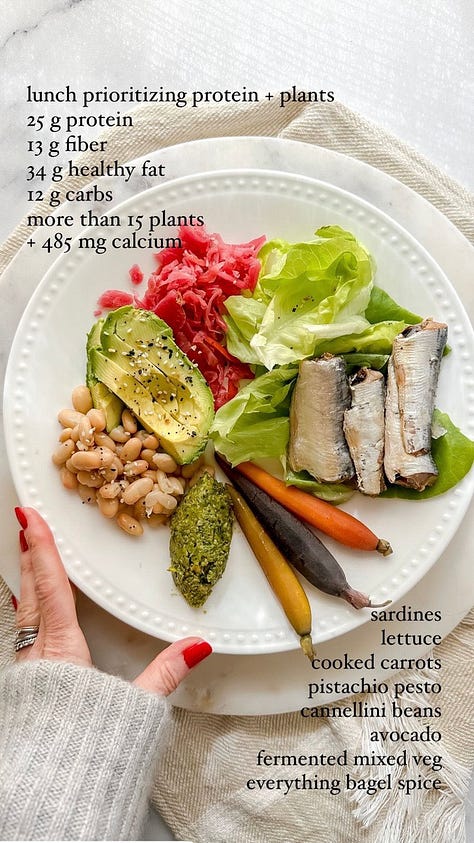
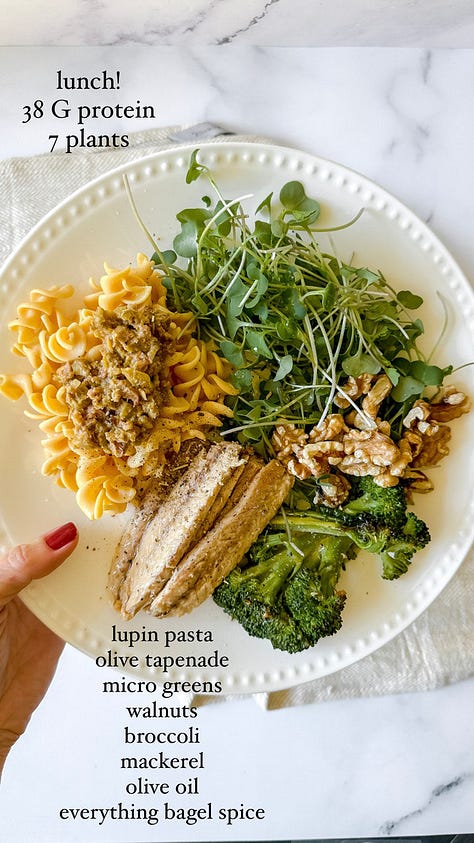
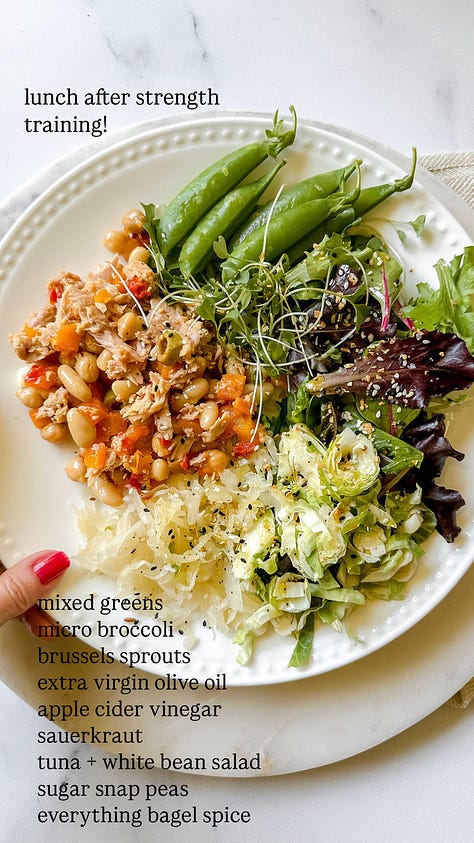
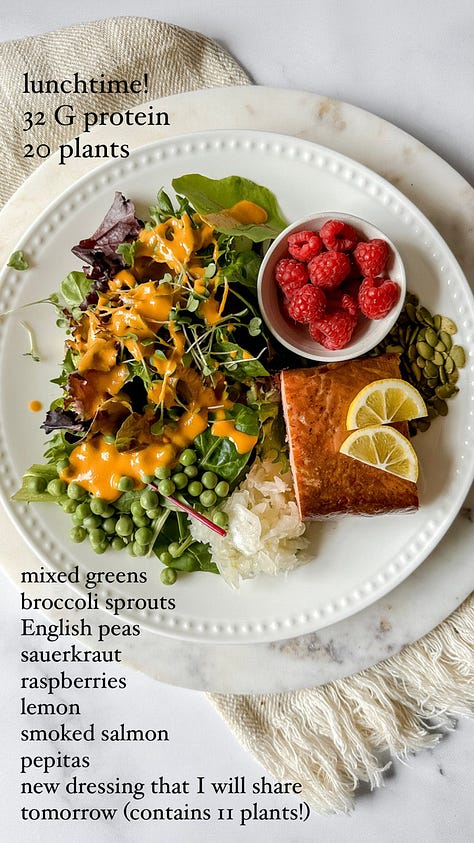
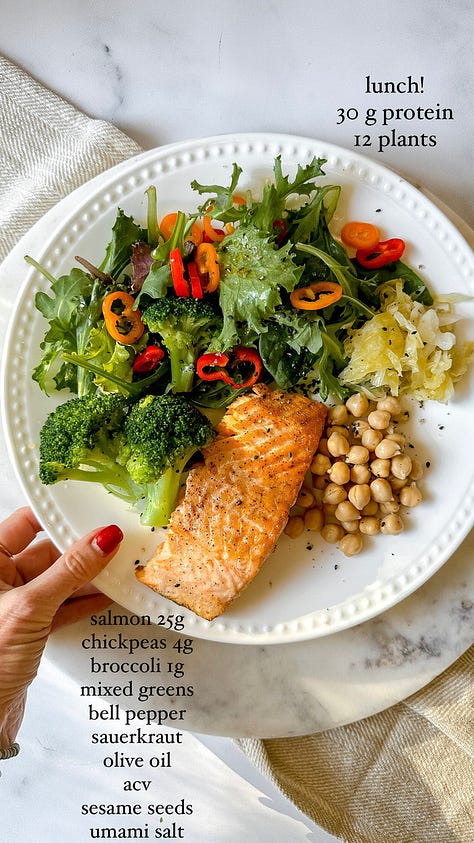
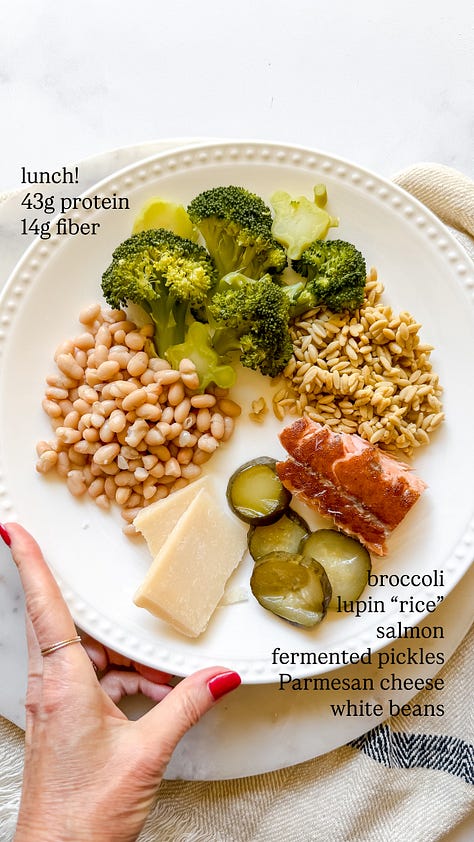
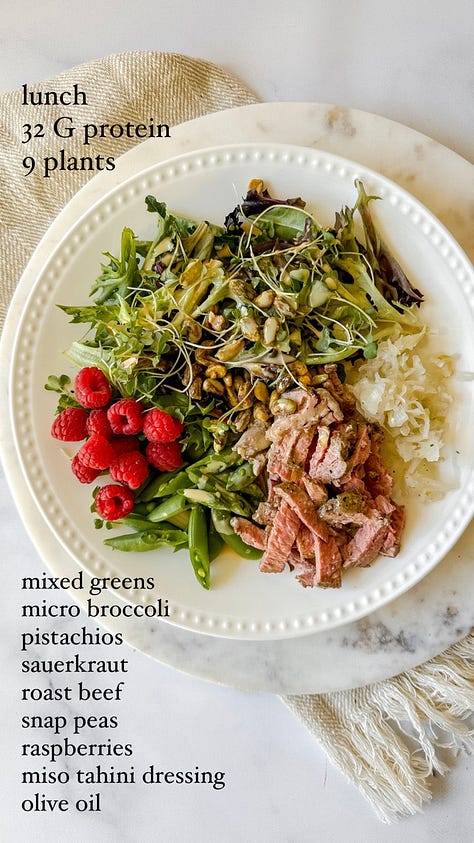
join me in my metabolic kitchen
Even in the best-case, most optimized scenario, 45 to 60 percent of total protein still had to come from animal sources — and that floor climbed higher for older adults and for women specifically. Adults over 65 needed the highest share of animal protein of any group studied.
This wasn’t a preference. It was a mathematical necessity. Below that floor, the model simply couldn’t find a combination of plant foods that closed the nutrient gaps.
Here’s the piece that gets lost in the plant-based conversation: some nutrients aren’t just harder to get from plants — they’re not there at all. Vitamin B12 doesn’t occur naturally in plant foods, full stop. Vitamin D is nearly absent from the plant kingdom too.
Other nutrients exist in plants but in a much less usable form. Iron from spinach or lentils is real iron, but it’s non-heme iron, and your body absorbs a fraction of it compared to the heme iron in meat. The same is true for zinc. And the long-chain omega-3s your brain and heart depend on — EPA and DHA — exist abundantly in fish, but only in trace, poorly-converted amounts in flax or chia.
None of this means plants aren’t valuable. It means they’re doing a different job than animal foods are, and neither one can fully substitute for the other.
There’s one more piece worth naming specifically, because it’s the one I see cause real harm: protein itself is structural. It’s not just muscle — it’s the literal matrix your bone mineral is built onto. You can get all the calcium in the world, but without enough complete protein, your body doesn’t have the scaffolding to use it well. This is where I’ve watched the theory and the real world collide.

I had a client come to me after a heart attack. His cardiologist’s advice pushed him toward a fully plant based diet, and understandably, he took it seriously — he went vegan, completely, out of genuine fear for his life. When we sat down and actually reviewed what he was eating, he was getting roughly 6 grams of protein at most meals. He couldn’t keep muscle on. He was doing everything he thought was right, and his body was breaking down in a different way than the one he was trying to prevent.
Here’s what’s interesting: the research on plant protein and muscle isn’t as one-sided as you’d expect. A 2021 meta-analysis in Nutrients found no significant difference in overall lean mass or strength gains between plant and animal protein — except in adults under 50, where animal protein showed a real advantage for building new muscle. That’s a different question, though, from how much animal protein it takes to hit every other nutrient target — B12, iron, zinc, omega-3s — which is where age pushes the number the other way: older adults need more total protein to begin with, and nutrient absorption becomes less efficient over time, so that requirement climbs rather than falls after 50.
A more recent controlled trial found that a vegan diet could match an omnivorous diet for muscle protein synthesis in older adults — but only when researchers deliberately and carefully matched the total protein intake between the two diets gram for gram. This required supplementing the vegan diet with plant protein sources such as “daily use of soy-based dairy alternatives as well as regular use of meat analogs that were predominantly based on pea protein isolates”.
Plant protein isn’t incapable of building muscle. But hitting an adequate protein target on a plant only diet takes real, deliberate engineering — the kind a research team controls for in a trial. It’s not what happens by accident at the dinner table. My client wasn’t failing because plants don’t work. He was failing because nobody had shown him what “enough” protein looks like, and 6 grams a meal was never going to get him there.
I met a woman a while back, just over 50, who told me with real pride that she'd been vegan for more than 20 years. She also mentioned, almost in passing, that she'd had several fractures in the span of just a couple of years — injuries that shouldn't happen from the small, ordinary things that caused them. She's severely osteoporotic, at just 50 years old. Two decades of what she believed was the healthiest possible diet, and her skeleton tells a different story.
I hear this echoed from my husband, Dr. B, from the other side of the operating table: In his surgical practice, he consistently sees vegan patients with strikingly poor bone quality — even ones who have been meticulous, careful, “doing everything right” by every plant based guideline available.
This isn’t just what I’ve happened to notice. A 2019 systematic review and meta-analysis in Nutrition Reviews, pooling 20 studies and over 37,000 participants, found that vegetarians and vegans had lower bone mineral density at the femoral neck and lumbar spine — and vegans specifically had higher fracture rates than omnivores. A large prospective cohort study out of Oxford followed nearly 55,000 people for over a decade and found the same thing: vegans had a meaningfully higher fracture risk, including hip fractures, that held up even after accounting for BMI, calcium intake, and other confounding factors. This is one of the more consistent findings in all of nutrition research — not a fringe theory, and not something I’m reading into a handful of patients.
I want to be careful here: these are individual stories, not a controlled study, and I’m not suggesting every vegan eater ends up this way. Plenty of people manage a plant-based diet thoughtfully, with real attention to protein quantity, quality, and the nutrients plants can’t provide. But I’ve seen this pattern often enough, in the exam room and in the OR, that when the French researchers’ math landed on “you need animal protein to hit your targets,” it didn’t surprise me one bit. I’d already watched it play out in front of me.
join me in my metabolic kitchen
This is where the science stops being abstract and starts being useful. The target isn’t “as plant-based as possible.” It’s roughly half your protein from plants, half from animal sources — adjusted slightly for your age and sex, with older adults leaning a bit more toward the animal side.
And if you’ve seen my plates, you know that I eat A LOT of plants and aim for a minimum of 30 different plants a week. This isn’t an argument against vegetables, fiber, or plant diversity — it’s an argument against the idea that only plants is the goal.
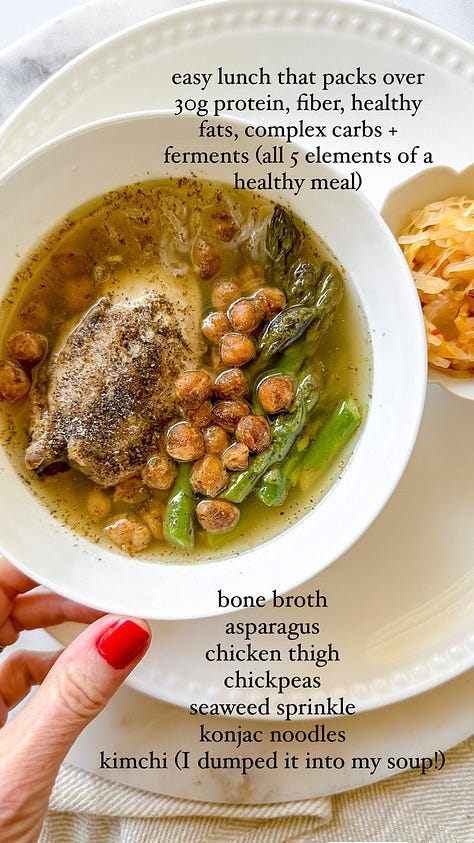
In practice, that looks like building meals where a legitimately high-protein plant ingredient — lupin, beans, lentils — sits right alongside real animal protein, rather than either dominating the plate. My foundational vs. complementary protein post walks you through the importance of foundational protein to metabolic health and gives many examples.
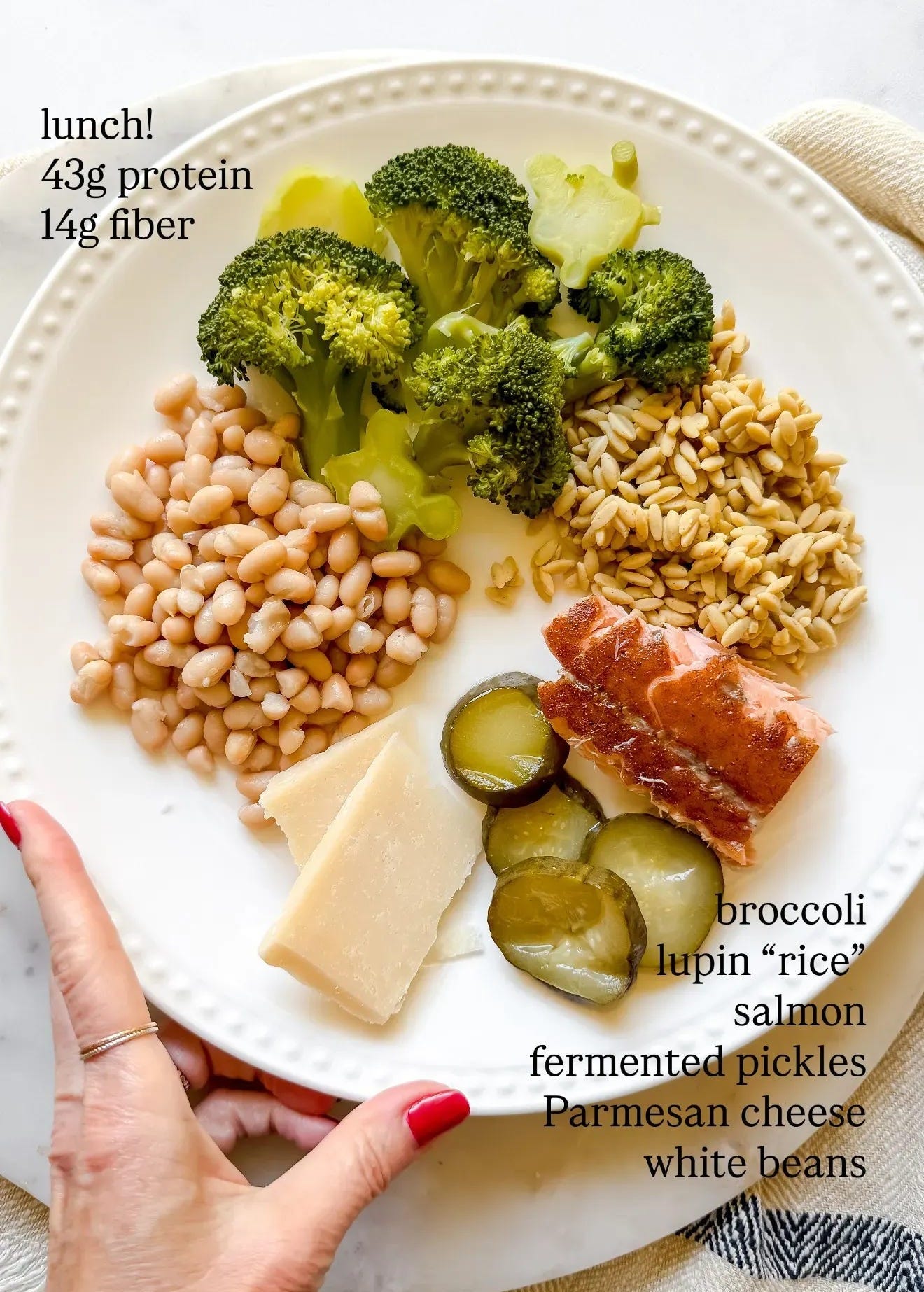
One more thing I want to say, because I care about your health: if you choose to eat fully plant-based, this is not something to DIY. Please, work with someone certified and knowledgeable about building a genuinely protein-forward plant-based diet — someone who will help you hit real protein targets, cover the nutrients plants can’t provide on their own, and monitor your labs along the way. This matters at every age, but it matters even more after 50, when your protein needs go up, not down, and the margin for error on bone and muscle gets smaller every year. A well-planned plant-based diet can be done; it is just not something that happens by accident.
I ran the numbers on a few of my own recipes to see where they naturally landed, and the results were a genuinely nice confirmation of what the research predicts:
Mediterranean sheet pan quiche — built on eggs, cottage cheese, feta, almond flour, lupin flour, and kale, this dish lands almost exactly at 55% animal / 45% plant protein — the precise floor researchers identified for women.
Chili pie — with lupin flakes, black beans, ground beef, eggs, and cheddar, this one comes in around 63% animal / 37% plant, still solidly within the range the study found necessary.
Tuna and white bean salad — with three cans of wild-caught tuna alongside garbanzo and white beans, this one comes in around 67% animal / 33% plant, on the higher end of animal protein but still well within the range researchers found necessary — and the two full cans of beans keep it genuinely fiber-rich alongside all that protein.
Lupin pasta and meatballs — hemp hearts folded into the meat mixture, served over high-protein lupin pasta, this one lands at roughly 57% animal / 43% plant — another dish that naturally falls right around the ratio researchers found necessary, without anyone trying to hit a target.
Spoon salad — roasted vegetables, chicken, feta, and a Greek yogurt-tahini dressing built over lupin flakes, this one lands at roughly 62% animal / 38% plant, with three separate animal sources and two strong plant protein contributors working together rather than one dominant ingredient carrying each side. This is probably the most nutrient-dense dish of the bunch — five vegetables, fermented food on the side, pomegranate, and nuts, all stacked into one bowl. The protein ratio alone doesn’t capture how much this one is actually doing for you.
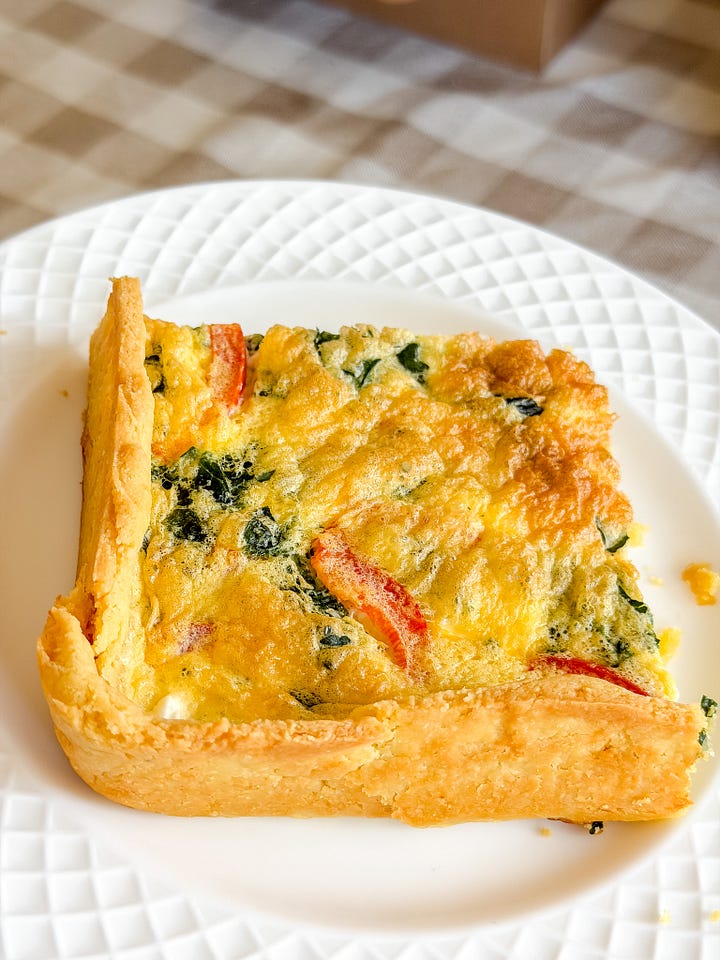
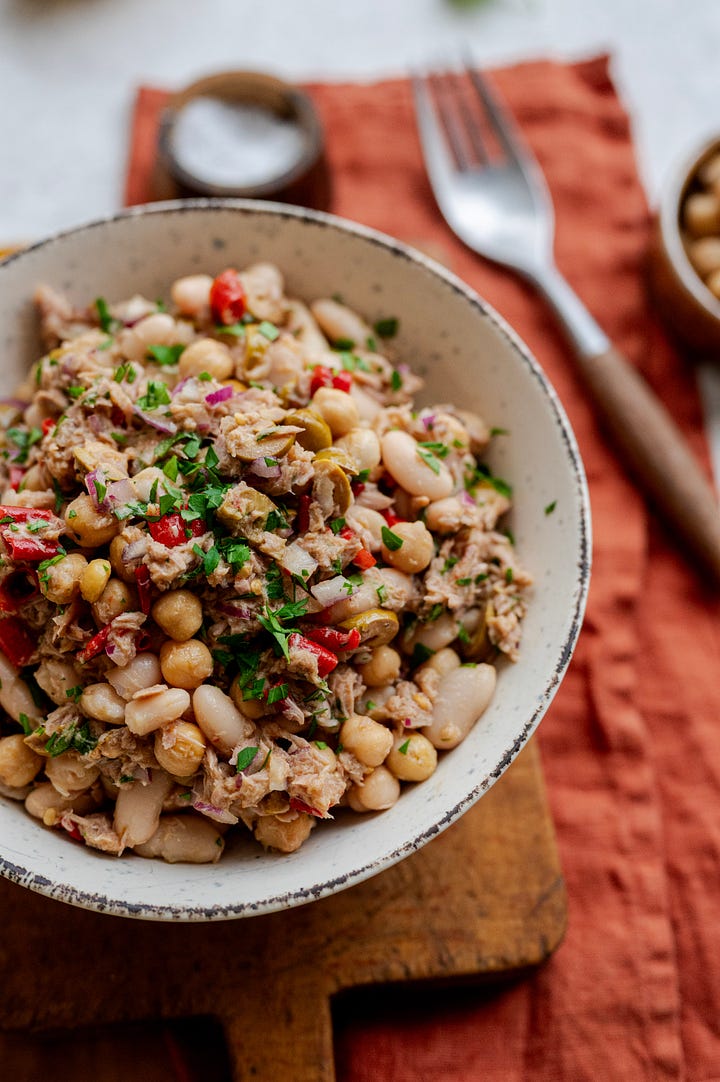
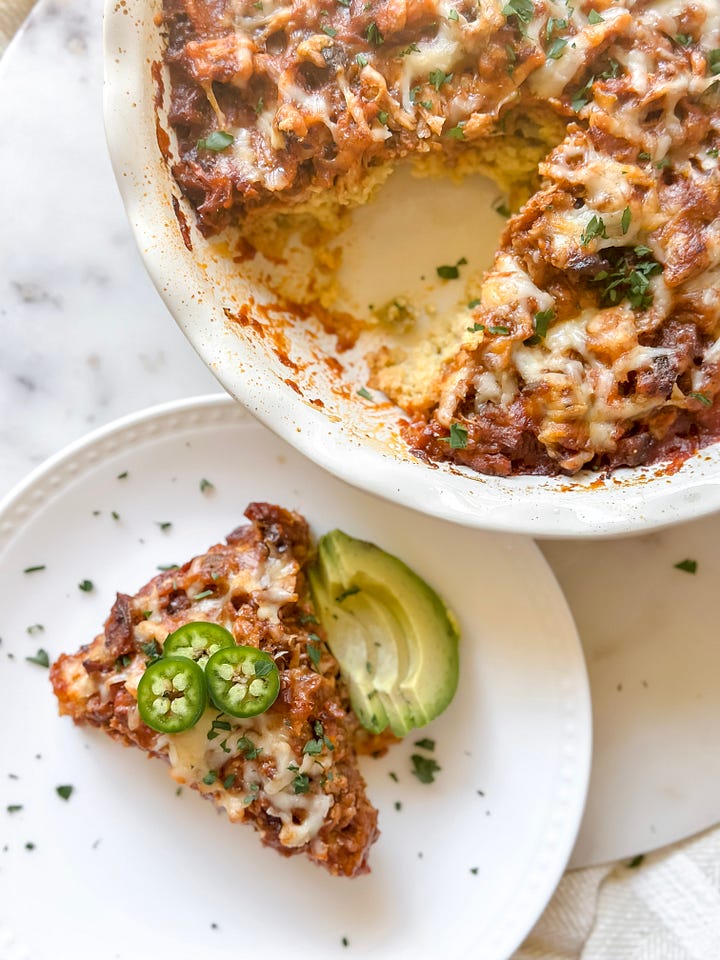
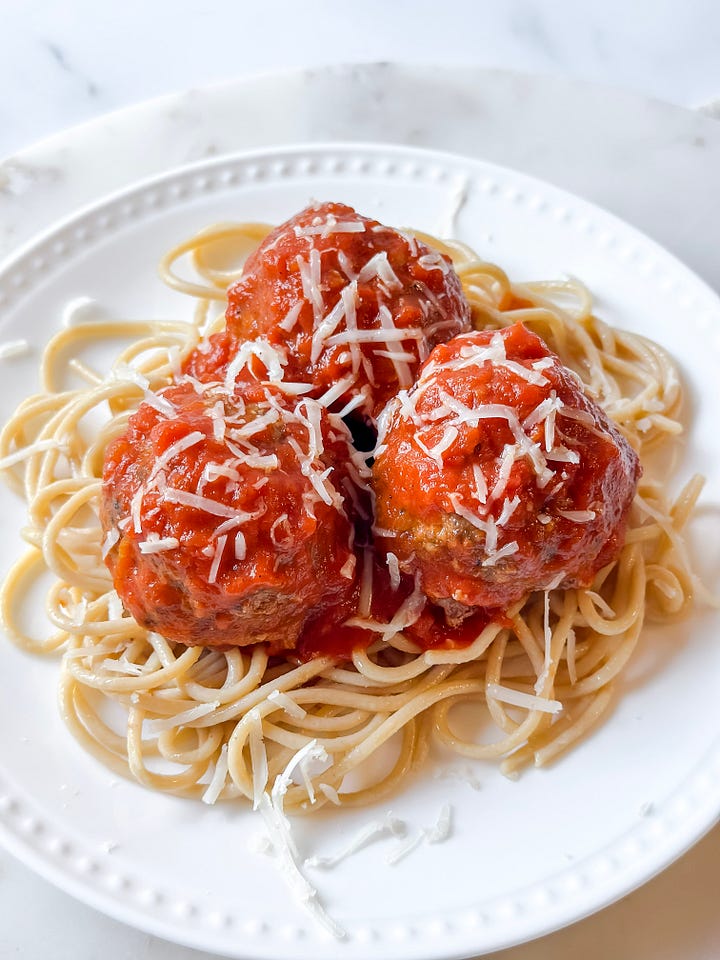
mediterranean quiche with lupin crust, tuna + white bean salad, chili pie, lupin spaghetti + meatballs
None of these recipes were built by trying to hit a ratio. They came out this way because building a meal around one strong plant protein and one strong animal protein, in real proportions, is simply what a well-designed plate looks like.
join me in my metabolic kitchen
“Plant-based” was never supposed to mean “plant-only” or “vegan”. The research is far simpler, and far more workable, than the version that’s been circulating: eat more plants than the standard Western plate has on it, and keep enough real animal protein in the mix to cover what plants alone cannot. Not a compromise, but the target.
Nourishing you always,

This newsletter wouldn’t be possible without YOU! A huge THANK YOU to all who support my work here on Substack.
The conversation around protein, bone health, and aging vibrantly is so critical for our long-term wellness. If this research changed the way you look at your plate, or if you know someone who could use this information, please share this post with them.🧡 Every “like” and “restack” means the world to me and helps this community grow!
Thanks for reading Nest Wellness by Beth Bollinger! This post is public, so feel free to share it.
If you enjoy Nest Wellness, share it with your friends and earn rewards when they subscribe!
Comments
Nothing yet. Say the first thing.
Sign in to join the conversation.