
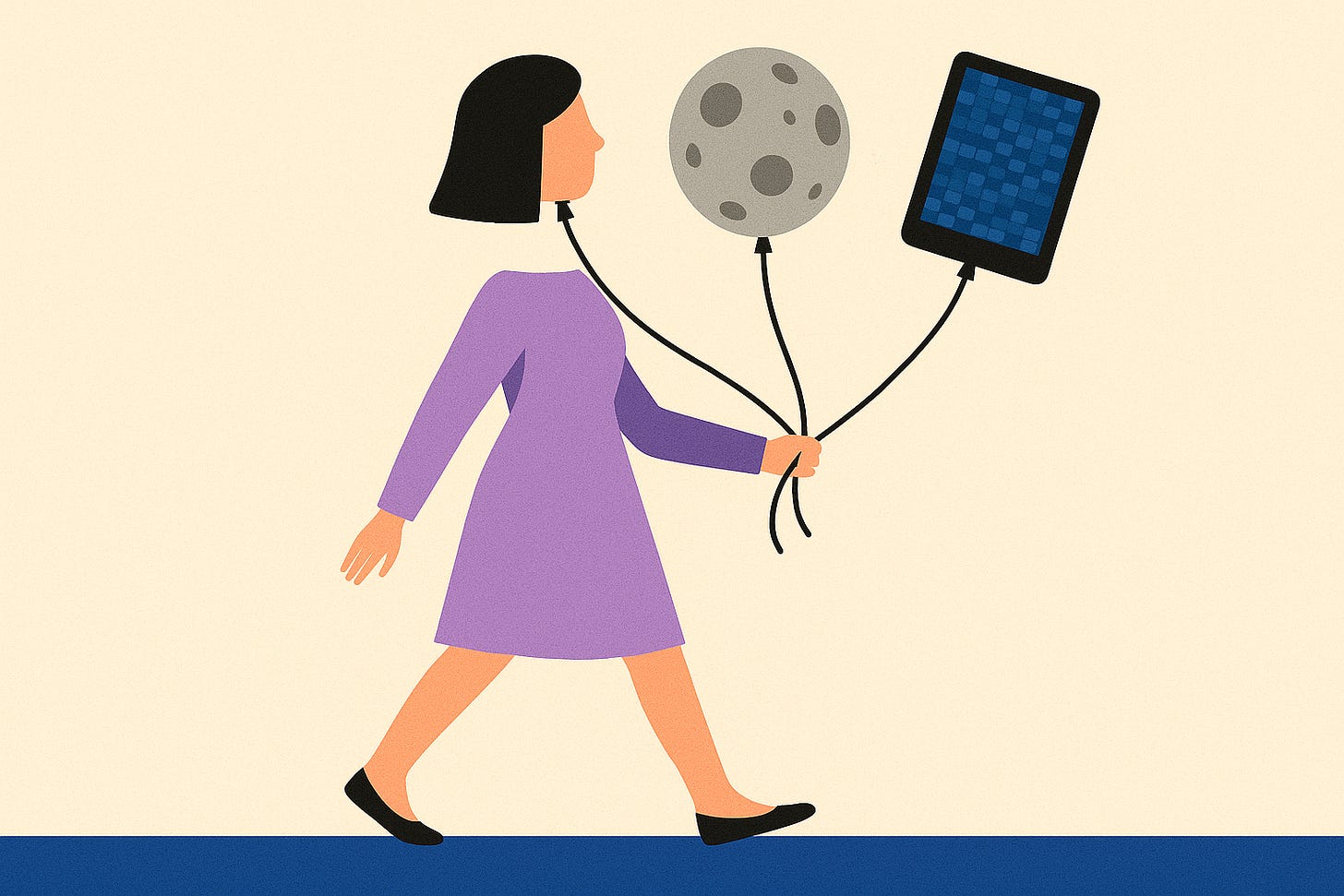
When I first meet new people, they automatically start apologising for their sleep behaviours. Friends will tell me how they watch old episodes of Schitt’s Creek to wind down, regularly take melatonin, have a shot of Nyquil to fall asleep when they’re jet lagged. There’s a pretext that I’m judging them; they’re apologetic, asserting that their behaviour is bad, wrong, unhealthy. The reality is that I’m not judging people. At all. Through my research – and personal sleep struggles – it’s clear that sleep can be really hard. And we do all kinds of things to make the experience of drifting off a tad easier.
The weird scientist thing I actually do in my head is map out my friend’s personality traits.
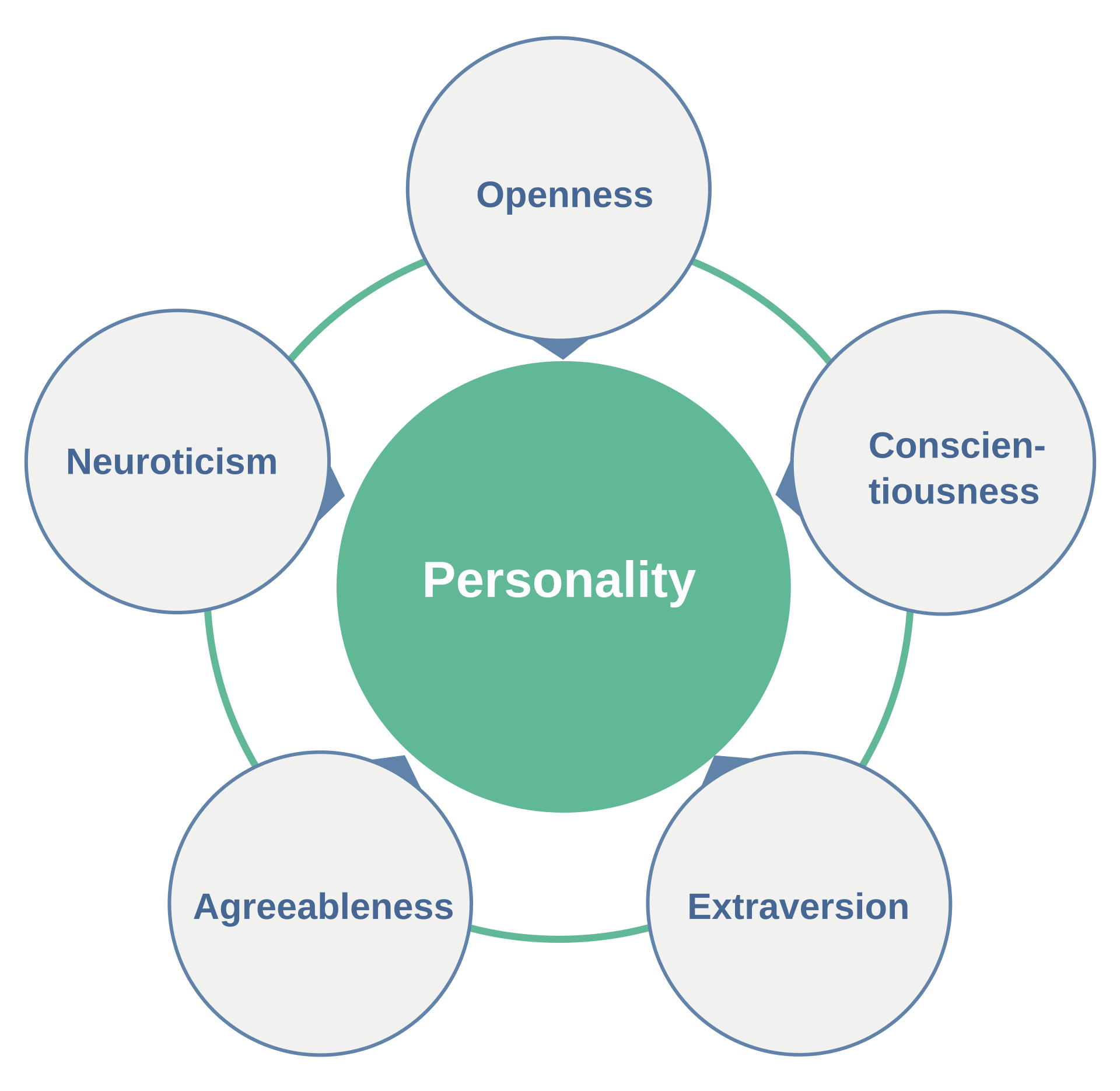
The main way personality is understood in research is through the Big Five model - where your traits fall on a spectrum of openness, conscientiousness, extraversion, agreeableness, and neuroticism. Personally, these traits help me understand others more compassionately than labelling people “boring”, “high-maintenance”, or “difficult” if we have differences of opinion.
If one of my friends has no interest in a new art gallery or travelling overseas? They’re not as open to new experiences. If someone gets stressed out easily, or is constantly offering me hand sanitiser? They’re probably higher in neuroticism. Where you land on these traits isn’t necessarily good or bad – rather it shapes how you experience the world and interact with others. And your personality can also affect your sleep.
In general, more conscientious people tend to be healthier. Not because this personality trait magically bestows good health, but because conscientious people are more likely to take medication, schedule and go to check-ups, and – in the case of sleep – practice healthy sleep behaviours.
Those with higher neuroticism – who often experience the lovely trio of racing thoughts, worry, rumination – often report poorer sleep quality and more difficulty falling asleep. But how some personality traits affect sleep are less intuitive.
One I find surprising is extraversion. Higher extraversion has been consistently linked to better sleep quality: longitudinal studies suggest more extroverted people show fewer sleep difficulties at baseline and years later, compared to their more introverted peers. Initially, I wondered if maybe that’s because this data is self-reported: are extroverts just more positive when filling out a survey? And this isn’t just my introvert jealousy, it’s definitely a thing – extraverts tend to report better moods. Still, device-based studies help us unpack what’s going on. Extraverts tend to have higher sleep efficiency: so there’s less time in bed trying to fall asleep or tossing and turning throughout the night, even though extraverts tend to go to bed later and at inconsistent times.
So why do extraverts tend to have better sleep quality? Some reasons why may include stronger social support, higher physical activity, and less worry and rumination around bedtime. So what does this mean for you?
Your personality can help explain why you experience certain sleep challenges. Are you more introverted or more neurotic? You may have trouble quieting your mind and falling asleep. (Possibly no one likes to admit they’re neurotic, though I am grimacing and nodding along). Are you extroverted? You may have trouble getting to bed at your intended time. The power of understanding personality is that it can help you figure out how improve your sleep in a way that actually fits you.
It can also help explain why we use screens at night.
Introverts and neuros might use screens at bedtime to calm negative emotions or explore niche interests. (I’ve just decided to use neuros to describe those who tend to be neurotic, because it makes us sound smart, and this is my blog so I can do whatever I want). Extraverts are more likely to use social media, or perhaps connect with friends while gaming.
And when you consider chronotype - your personal preference for early or late sleep timing - things get even more personal.
Evening types often have irregular sleep schedules, get fewer hours of sleep on workdays, and then binge-sleep on weekends to catch up. Kind-of-predictably, later bedtimes are common in evening types, and if you’re using screens late at night, it can push sleep even later. One large study found the effect of screen use on poor sleep quality was especially pronounced in self-identified night owls [ref]. (Early birds, by contrast, tend to avoid much of this weekend catch-up sleep, and maintain more regular schedules).
My own research has found that evening types are linked to higher bedtime procrastination. And – also not surprisingly – stress and anxiety are linked to both poorer sleep, and higher bedtime procrastination.
What does this all mean for you? Overall, these patterns help explain why some of us are more vulnerable to staying up late scrolling or streaming, and others seem to switch off easily. It’s not about willpower (I can’t stress this enough); it’s about psychological tendencies that shape how you use technology in the evenings.
So, if you’re a stressed-out-introverted-night-owl, it’s pretty likely you’d have trouble both getting to bed and falling asleep. And these sleep problems aren’t your fault! They’re not a moral failing – they reflect your unique psychology.
While personality traits and chronotype are relatively stable, the best thing you can do is manage your mental health and set up routines that match your temperament. Consider how you can quiet your mind: reduce stress, anxiety, worry, rumination. For some, that looks like specialised support, which can in turn help your sleep (my friend Ali Mattu, Ph.D. is an excellent anxiety coach and a great person to follow). For others, it might mean exercise, or a specific wind-down evening routine that can include screens.
And if you know you’re likely to push back bedtime, think about how your environment can cue you to go to bed. For me, I have smart lights dim at a certain time, bedtime alarms, a YouTube in-app timer, sleep mode on my phone (honestly, the works).
In the first few posts of this series, we looked at external factors that can shape sleep – like content type, devices, and light. Looking inward (which can be a tad uncomfortable) helps explain why some of us can watch a horror film and drift off instantly, while others end up in a 2am Reddit rabbit hole.
Understanding your own tendencies is like the secret little bridge between knowing the research and applying it to your own life. And – even when you know exactly what’s going on – it can still feel incredibly difficult to change your behaviour. Next week, we’ll unpack why sleep habits might just be the hardest habit to change.
Thanks for reading Dr Vanessa Hill! This post is public so feel free to share it.
No posts
Comments
Nothing yet. Say the first thing.
Sign in to join the conversation.