
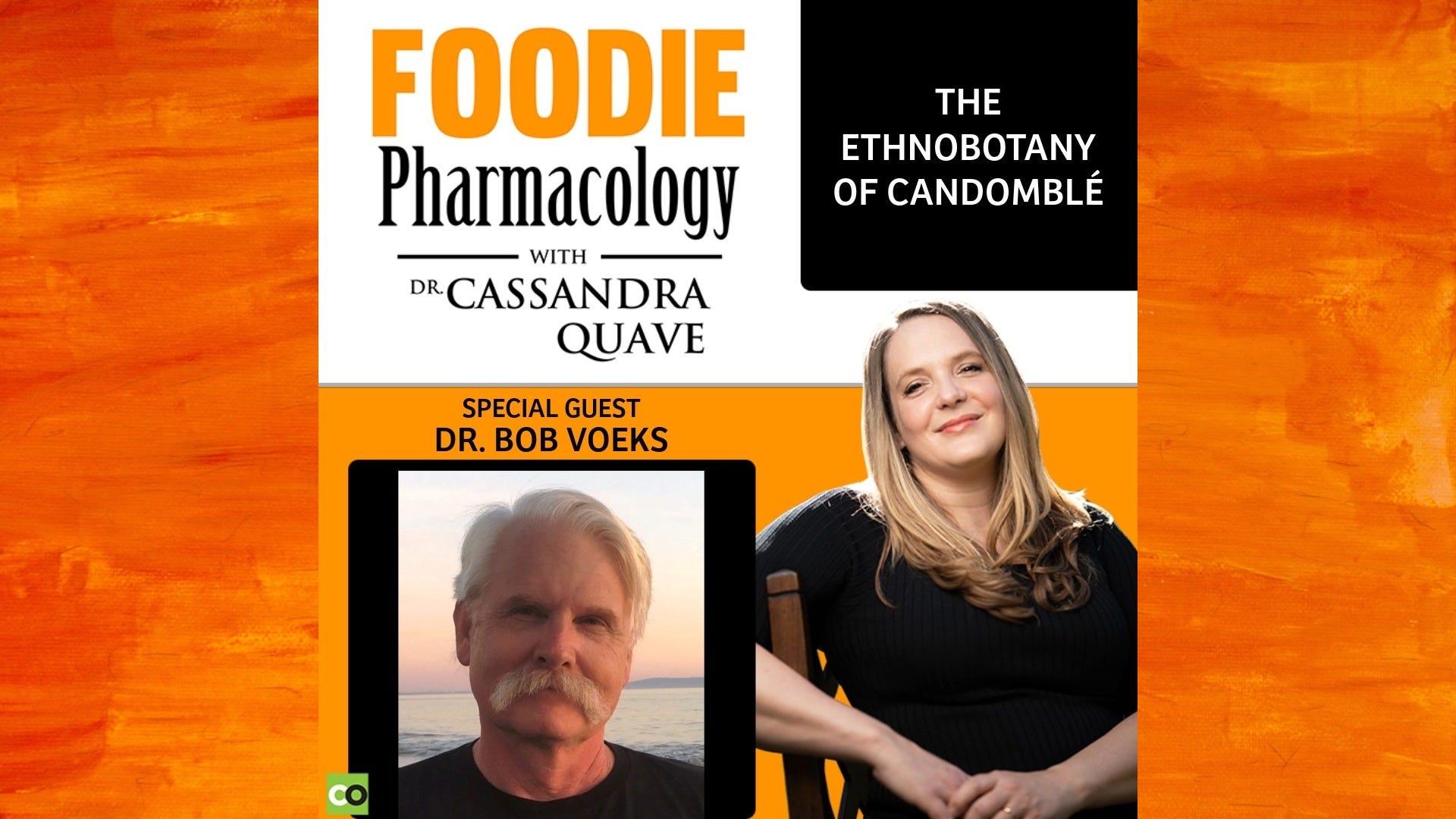
Journey to Brazil to uncover the hidden roots of Candomblé, an Afro-Brazilian spiritual tradition shaped by African plant knowledge, resilience, and cultural memory. In this episode, I speak with ethnobotanist Dr. Bob Voeks to explore how enslaved Africans preserved sacred healing traditions and foodways across the Atlantic, transforming plants into powerful symbols of identity and survival. From spiritual cleansing rituals with sacred leaves to the fascinating story of caruru, a revered okra dish tied to twin deities, we trace the remarkable journey of African plants through the diaspora. Along the way, we uncover surprising connections linking Candomblé, callaloo, and even Southern gumbo, revealing how food can carry history, spirituality, and culture across continents and generations.
Dr. Robert Voeks is a Professor in the Department of Geography and the Environment at California State University, Fullerton, where his work explores the relationships between people and plants across tropical landscapes. He earned his PhD in Geography from the University of California, Berkeley, and previously served as Editor-in-Chief of Economic Botany from 2008–2022. His research has taken him around the world, including Brazil, Malaysia, Brunei, Mozambique, Mexico, and the United States, with a particular focus on the movement of African plants and cultural traditions throughout Latin America. Dr. Voeks has authored more than 70 scholarly publications and several influential books, including Sacred Leaves of Candomblé: African Magic, Medicine and Religion in Brazil, African Ethnobotany in the Americas, and The Ethnobotany of Eden: Rethinking the Jungle Medicine Narrative. His current work examines the connections between food, spirituality, and traditional societies, including his forthcoming book, Dining with God: In Search of Seven Sacred Foods.
Candomblé is an Afro-Brazilian spiritual tradition with roots in the Yoruba cultures of West Africa that arrived in Brazil during the transatlantic slave trade. Despite extraordinary violence and oppression, enslaved Africans preserved their deities, rituals, and plant traditions, often blending them with Catholic practices to survive. Today, it remains a vibrant tradition deeply connected to healing, identity, and community.
Plants are at the heart of spiritual practice in Candomblé. Different deities, known as Orixás, are associated with specific plants used in rituals and healing traditions. Sacred baths made from carefully selected leaves are used for spiritual cleansing and wellbeing, reflecting a worldview where plants serve as bridges between physical and spiritual health.
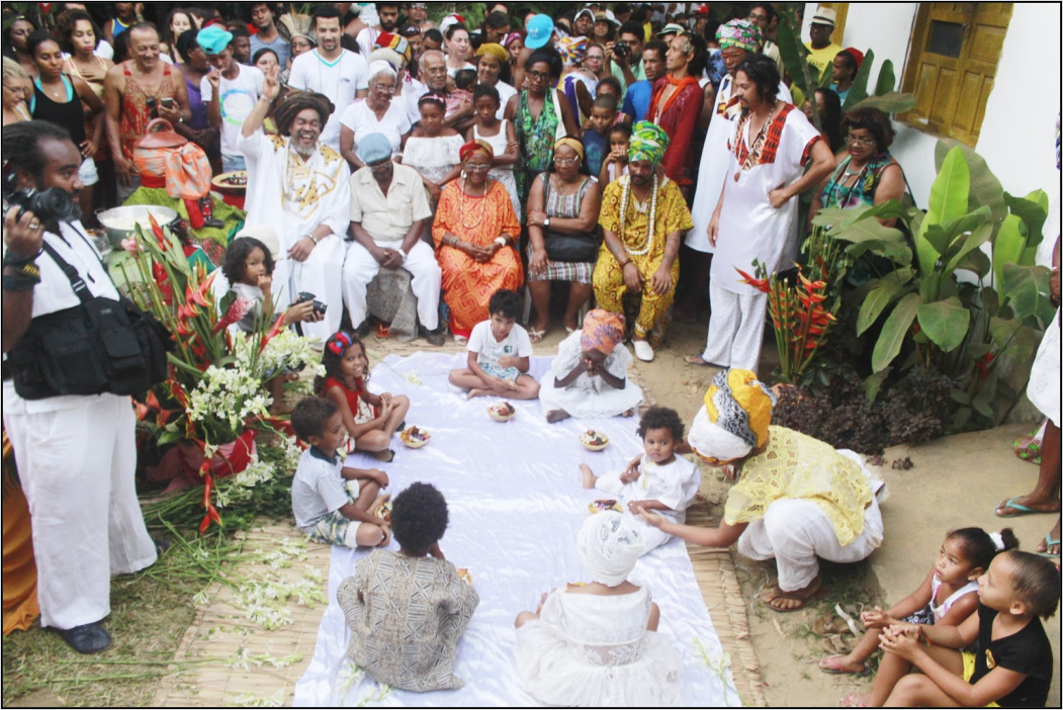
Okra is the key ingredient in caruru, a sacred dish associated with the twin deities known as Ibeji. More than just a meal, caruru serves as an offering, a celebration, and a reminder of ancestral connections. Through ritual foods like this, ordinary ingredients become vessels of memory and spiritual meaning.
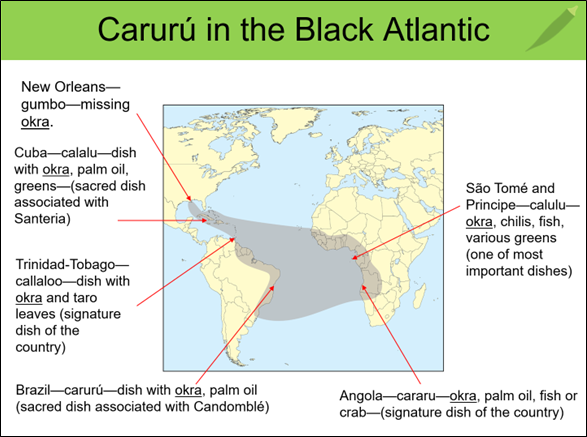
They may all be branches of the same African culinary story. Dr. Voeks traces fascinating links connecting okra-based dishes across Brazil, the Caribbean, West Africa, and the American South. A simple ingredient like okra reveals a hidden map of migration, cultural exchange, and resilience across the Black Atlantic.
Available exclusively on the Teach Ethnobotany YouTube Channel, you can catch the full video version of this episode and others!
Listen to the podcast on any of your favorite podcast streaming services. Subscribe to Foodie Pharmacology to access new episodes! If you enjoy this and other episodes, let me know! Give is a 5-star rating on Apple Podcasts so others can find it and enjoy!
Subscribe to Foodie Pharmacology
Yours in health, Dr. Quave
Cassandra L. Quave, Ph.D. is a Guggenheim Fellow, CNN Champion for Change, Fellow of the National Academy of Inventors, recipient of The National Academies Award for Excellence in Science Communication, and award-winning author of The Plant Hunter. Her day job is as Professor and Herbarium Director at Emory University, where she leads a group of research scientists studying medicinal plants to find new life-saving drugs from nature. She hosts the Foodie Pharmacology podcast and writes the Nature’s Pharmacy newsletter to share the science behind natural medicines. To support her effort, consider a paid or founding subscription to Nature’s Pharmacy or donation to her lab research.
Comments
Nothing yet. Say the first thing.
Sign in to join the conversation.