
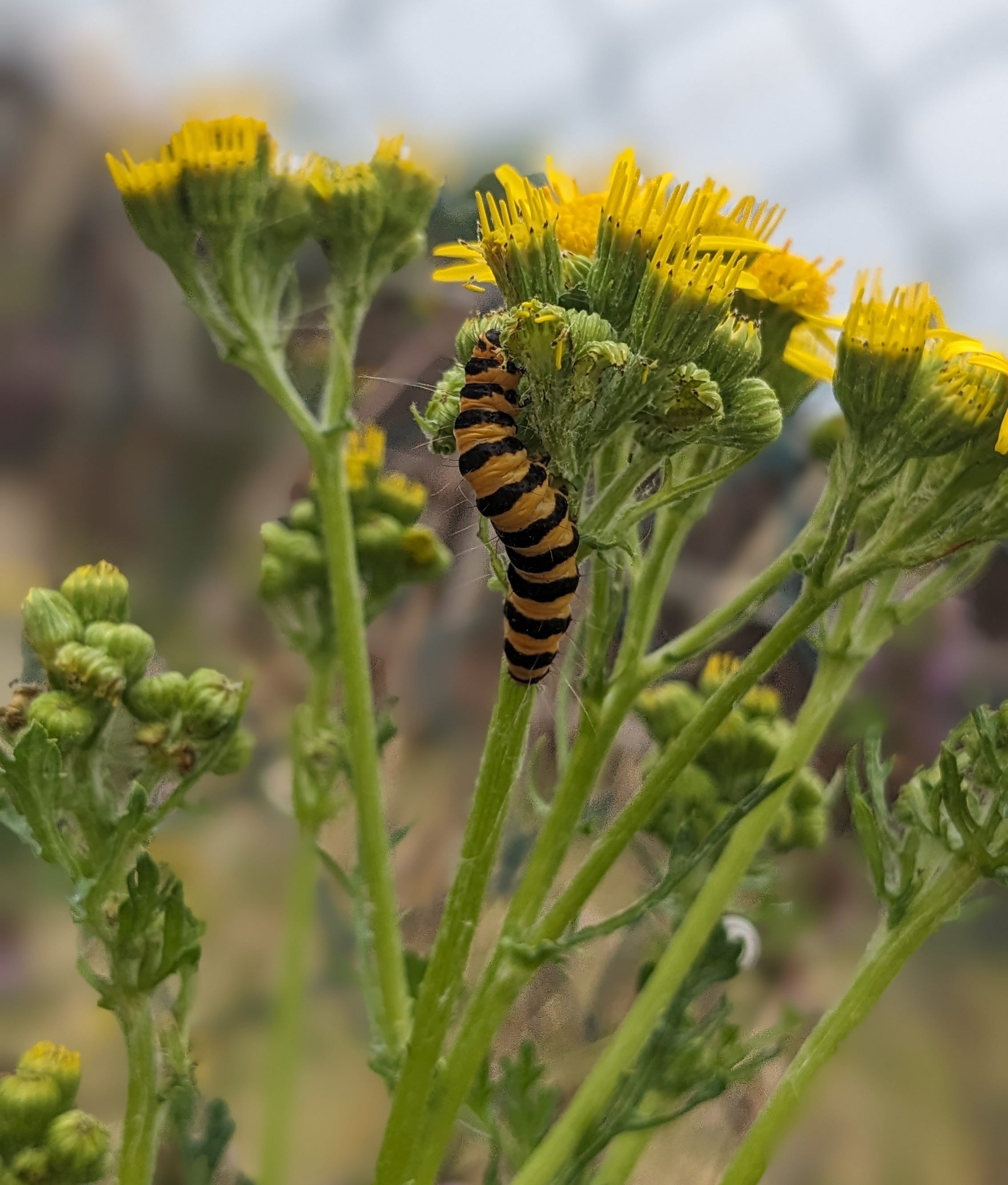
Seeing as I’m lucky enough to have a garden, I try to keep as much of it ‘wild’ as I can. Volunteer plants (plus a few wildflowers I have actually planted on purpose) mean there’s always some colour out there and - most importantly - some life! At this time of year, the garden is filled with grasshoppers, bees, butterflies, hoverflies, moths and more. Swifts fly low overhead, attracted by the insects that are attracted by the plants.
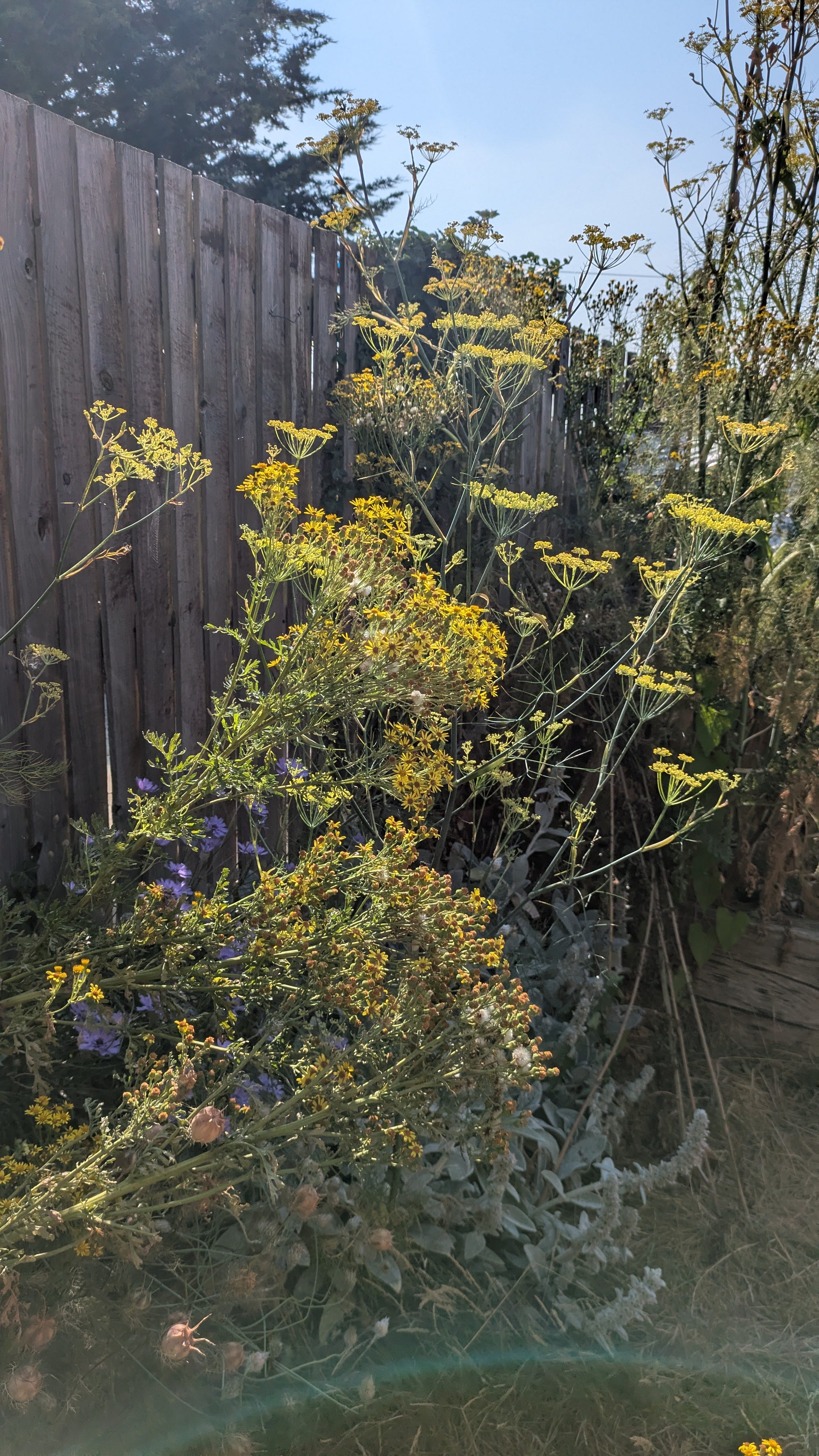
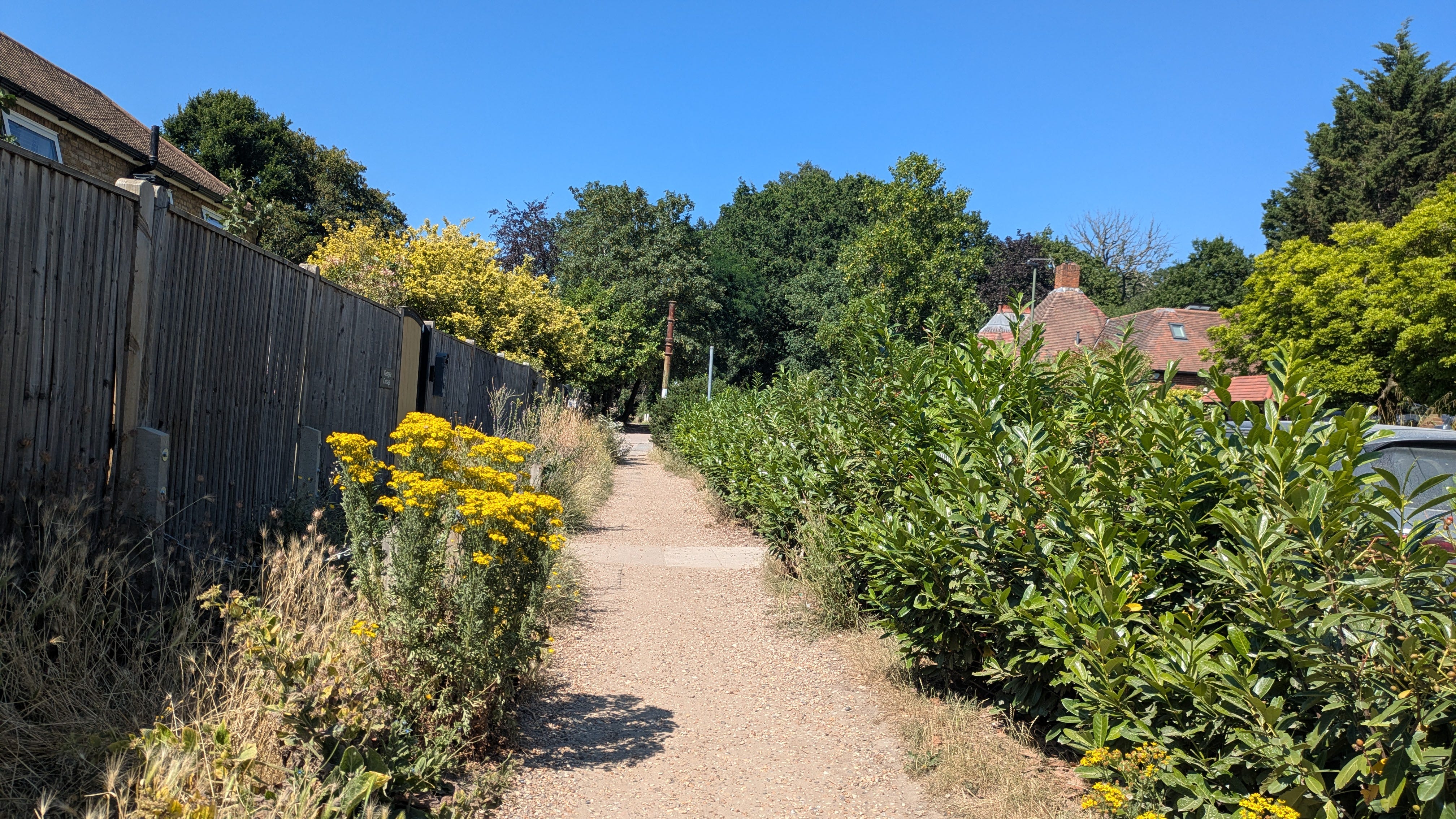
One plant in my garden that’s self-seeded, and does so every year, is much-hated by many: common ragwort (Senecio jacobaea). It’s got a terrible reputation which, I gather, is because it’s poisonous to horses, cows and other “livestock”, particularly when it’s dried into hay. However, these animals almost never eat ragwort (it’s incredibly bitter) and cases of death-by-ragwort are actually extremely rare, with inflated stats from the early 2000s still doing the rounds and contributing to the plant’s demonisation. This post outlines some of the myths and facts surrounding the plant and is well worth a read. Why so many people are concerned about this who don’t graze animals on their land is beyond me. I think it comes down to the hatred of “weeds” in general and the need for humans to feel they are in control. Personally, I’m grateful for the plants that spring up out of nowhere, planted by the wind, or by birds. I’ve managed to kill off at least half of the plants I’ve actually spent money on and planted myself!
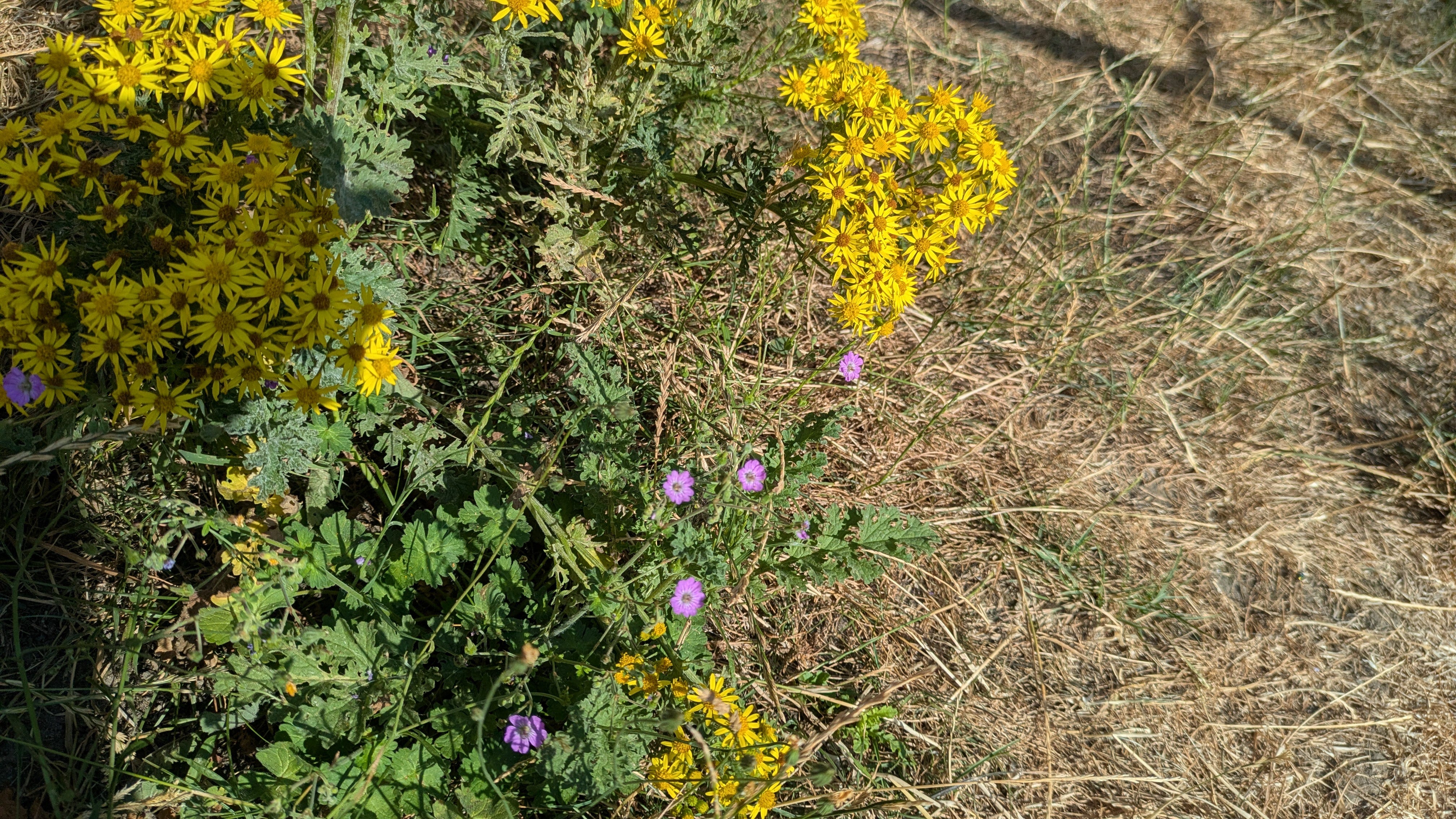
I don’t just keep ragwort in my garden because it’s colourful and fills the many gaps I am yet to fill, I keep it because it supports over 30 insect species, which depend on ragwort as a food source. According to this post, from Knepp, one study reported 178 different insect species visiting ragwort flowers, including 47 bees and 35 hoverflies.
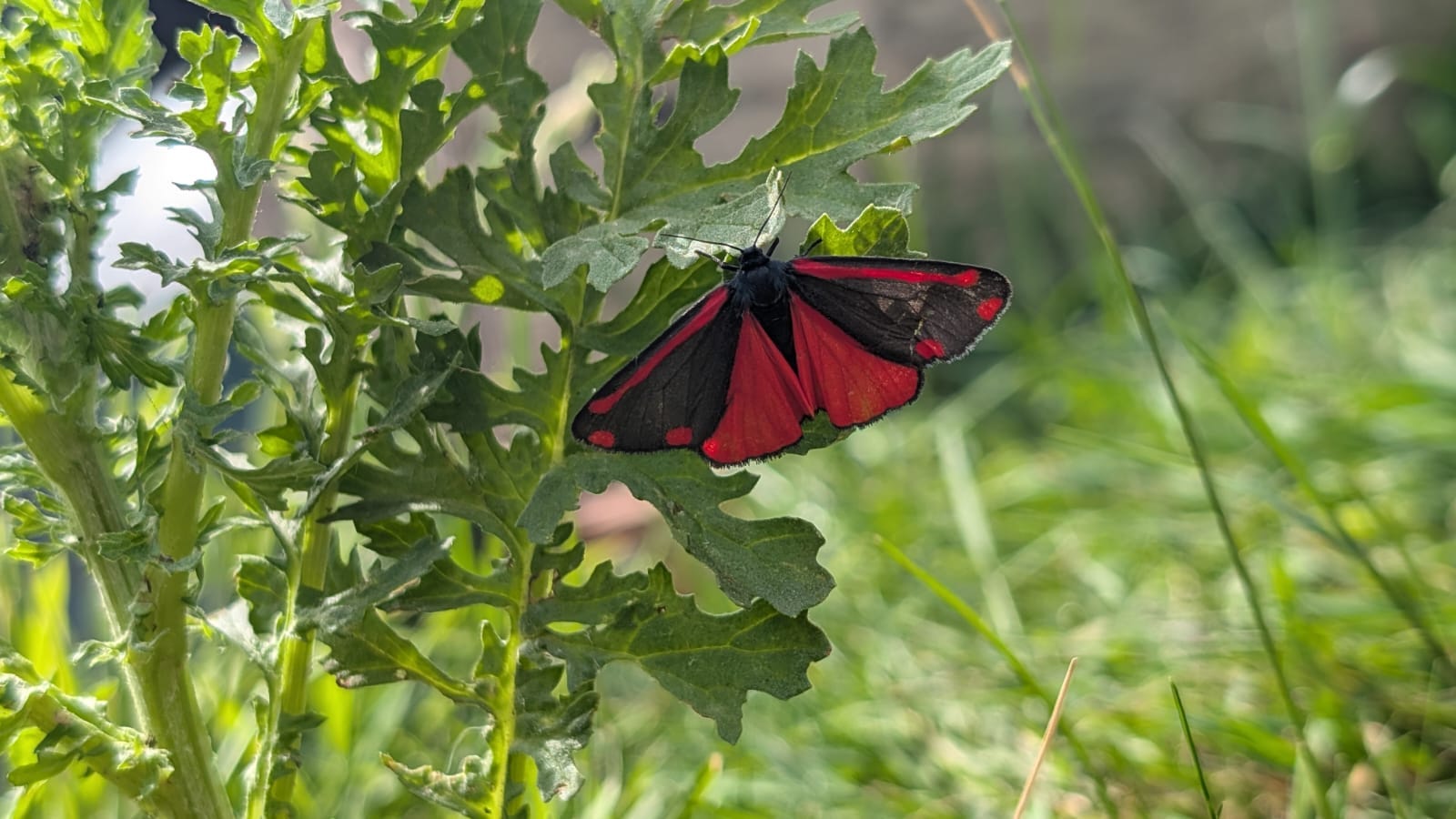
One of these insects is the cinnabar moth (Tyria jacobaeae), which relies on ragwort for its very survival, and is the initial reason I kept the plant around. Despite this, I haven’t actually spotted any in my garden yet this year, though my partner did see a moth on one of the teenier ragwort plants that has plonked itself directly in the middle of my garden path. Instead, our ragwort seems to have become a home for earwigs this year and is visited by many other insects throughout the day.
While I might not be spotting an abundance of cinnabars at home, I have been seeing them at the allotment. Thankfully I’ve not (yet) been told off by the allotment committee for keeping so many “weeds” around yet, because this year there are tons of cinnabar moth caterpillars on the groundsel that grows in my vegetable patches! Until this year, I didn’t know groundsel was also a foodplant for the species...perhaps I’ll collect some seeds and spread that around my garden too!
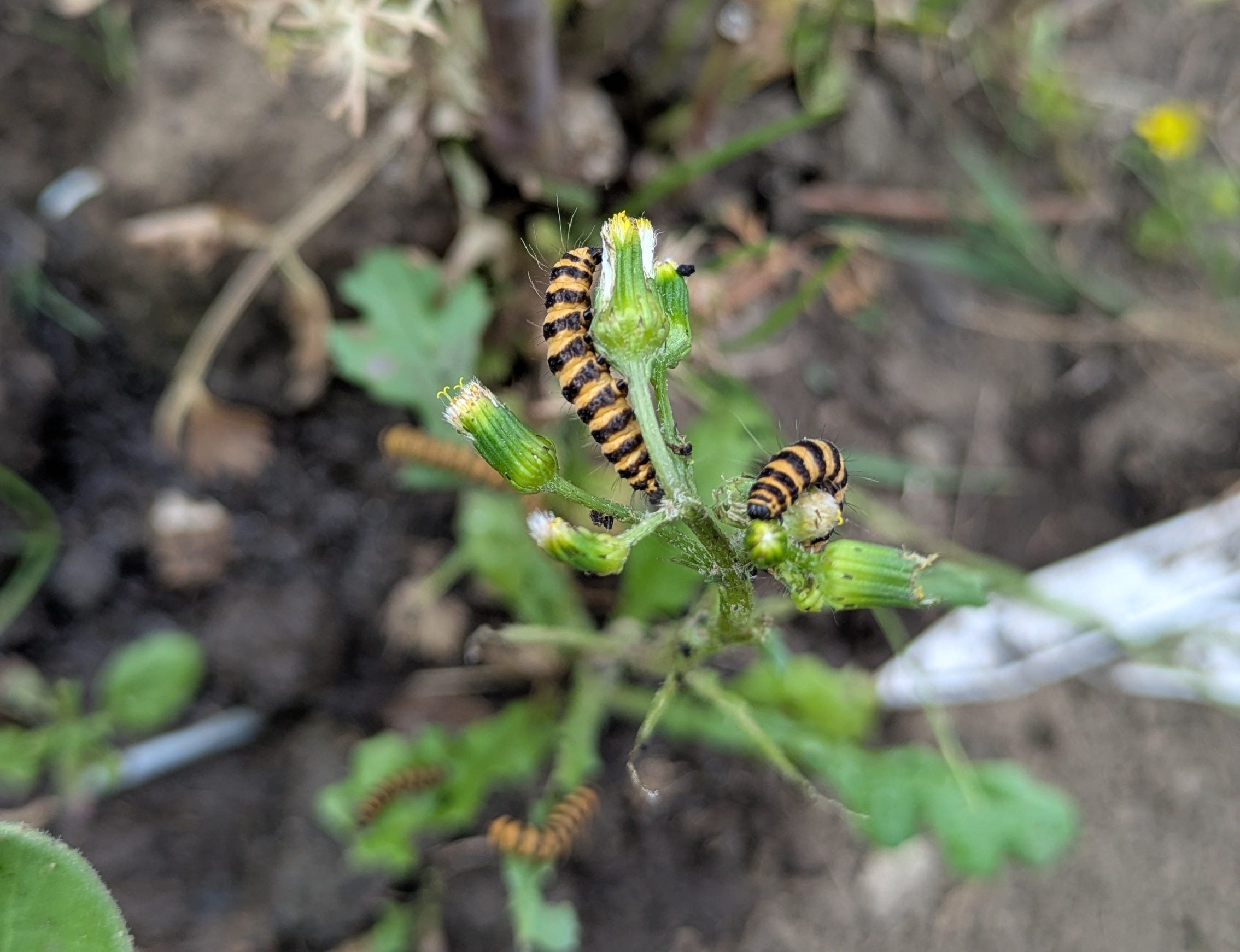
This week, I’d like to encourage you to notice the plants generally considered weeds and see if you can spot any of the species they are supporting. If you have a garden, perhaps you might like to consider introducing some... or allowing the plants to volunteer themselves! My plan this year is to try and encourage the ragwort in my garden to grow at the back of the borders so they can have a bit more support. Wish me luck!
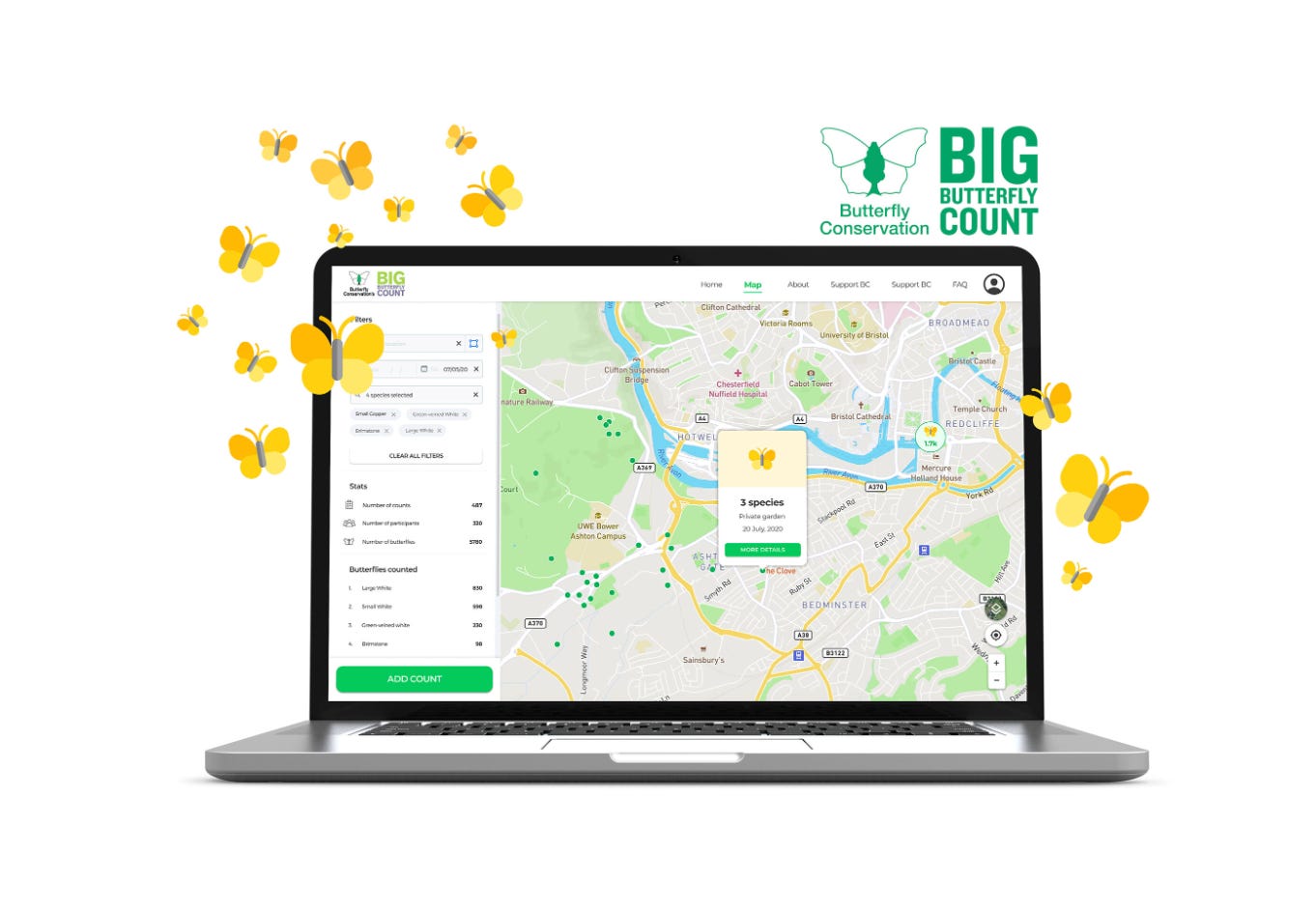
Butterfly Conservation’s Big Butterfly Count has just begun. It’s one of the loveliest - and easiest - citizen science projects to take part in throughout the year. By taking part in this UK-wide survey, you can help assess the health of our environment. All you have to do is spend 15 minutes counting butterflies between 17 July and 9 August. Find out more and download free ID charts and the app here.
Knepp - Ragwort: the plant we love to hate
The Urban Countryman - Ragwort: the good, the bad and the not so ugly
Butterfly Conservation - Cinnabar (Tyria jacobaeae) profile
The Wildlife Trusts: Common Ragwort (Senecio jacobaea) profile
Wild About Weeds by Jack Wallington - This is a lovely book which gives you tips on how to incorporate volunteer plants into your garden design. Over 50 “weeds” are profiled in the book, including ragwort. Incidentally, Jack Wallington has a new book coming out in September called Grower Gatherer, which is available to pre-order now and looks right up my street!
I came across this post by Charlie Moores after pressing send on this newsletter and it contains some more interesting ragwort facts, some information on why it’s so important to keep ragwort around and how cinnabar moth caterpillars use the plant’s toxicity for their own benefit (something I ran out of time to include above!):
Disclosure: If you buy books linked to this Substack, I may earn a tiny commission from Bookshop.org, whose fees support independent bookshops
Comments
Nothing yet. Say the first thing.
Sign in to join the conversation.