
It was our third day on safari in Tanzania. Our guide Sosy, who is also a wild cat biologist, drove us out into the vast Serengeti that morning and announced that we would be looking for Cheetahs. We rumbled along the pocked dirt roads as he began to explain the role the Cheetah plays on the Serengeti savannah.
There are three species of cats in the Serengeti, the Lion, the Leopard and the Cheetah and they are alpha in the Serengeti cat world in that order as well. Lions are literally the kings of beasts in the Serengeti, followed by the elusive leopard and then the more diminutive Cheetahs.
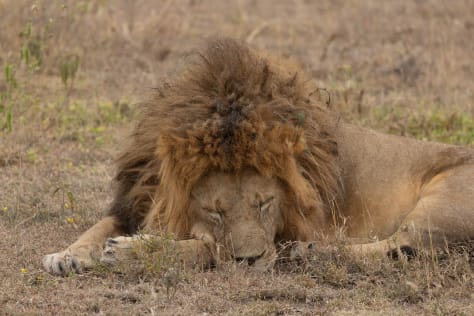
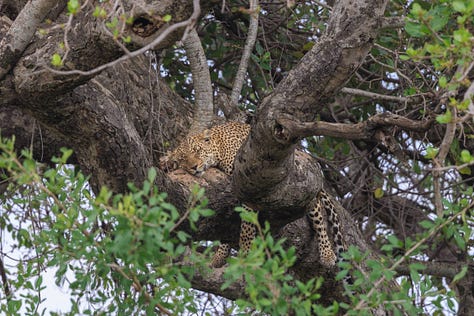
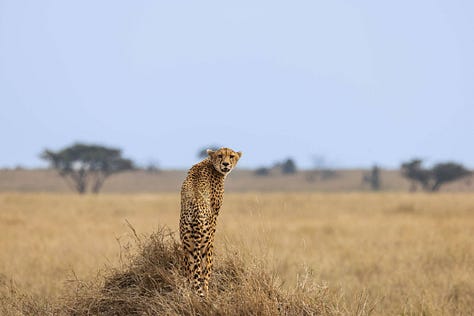
It is estimated that there are fewer than 500 Cheetahs in the Serengeti, they face stiff competition from other predators, including the lion, leopard and hyenas. Other challenging factors include habitat loss due to human encroachment and habitat fragmentation.
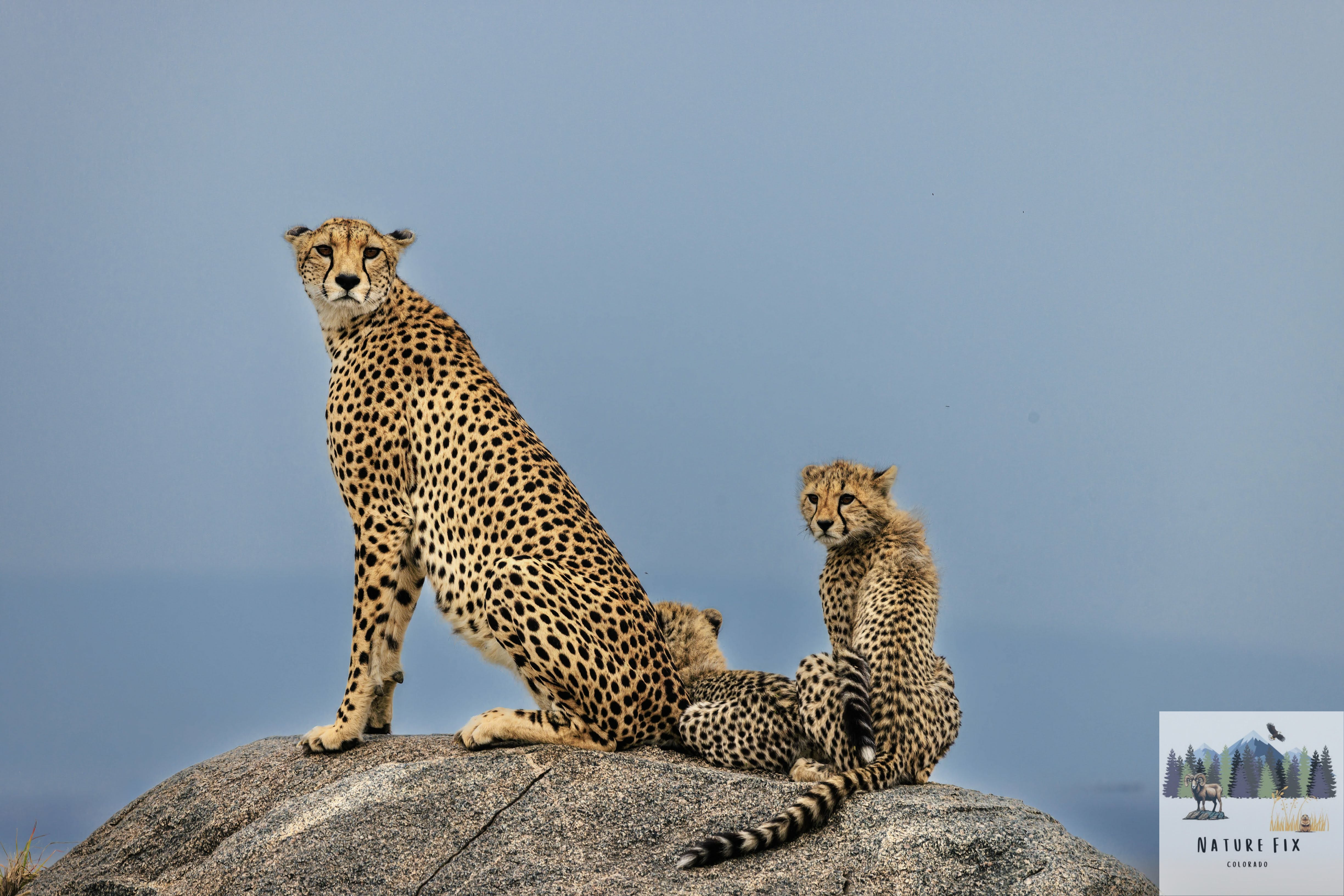
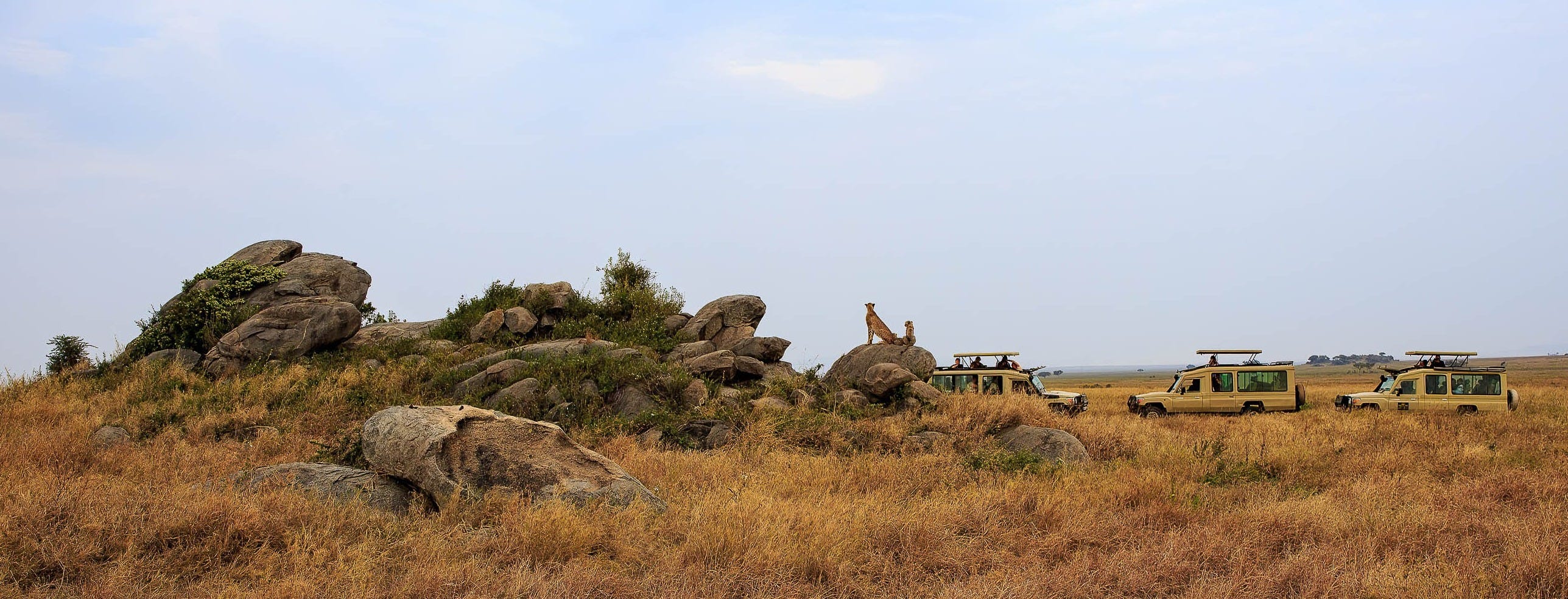
We soon happened upon a female cheetah with two cubs who were hanging out on a Kopje (Ko-pee), which is a type of rock formation found in certain parts of Africa. Sosy mentioned that this was unusual behavior and that we were lucky to see the mother and her two cubs on the rocks like this.
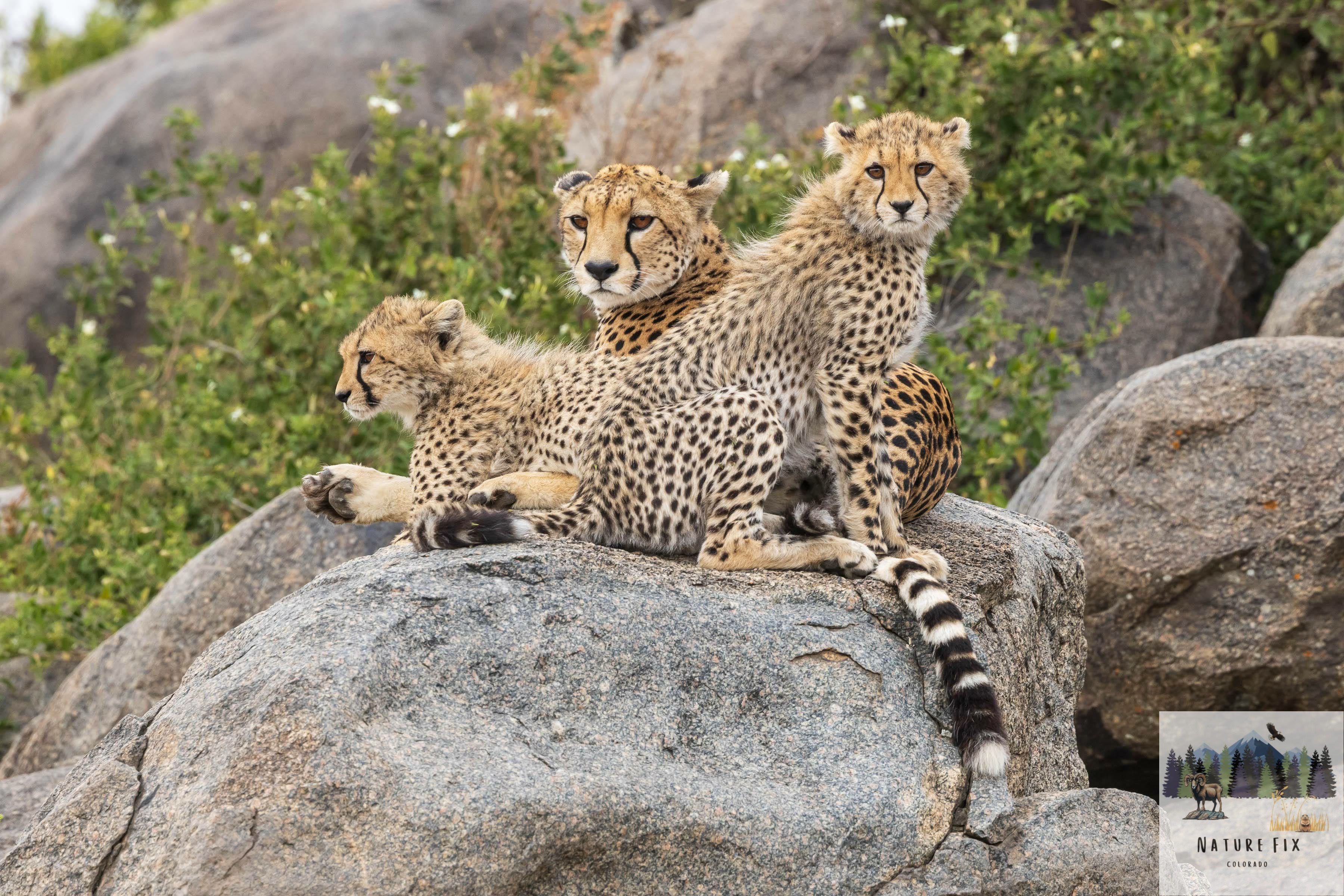
Many other range rovers full of tourists rolled up to the cat and her cubs to get a good look. She seemed vigilant but not concerned by the audience.
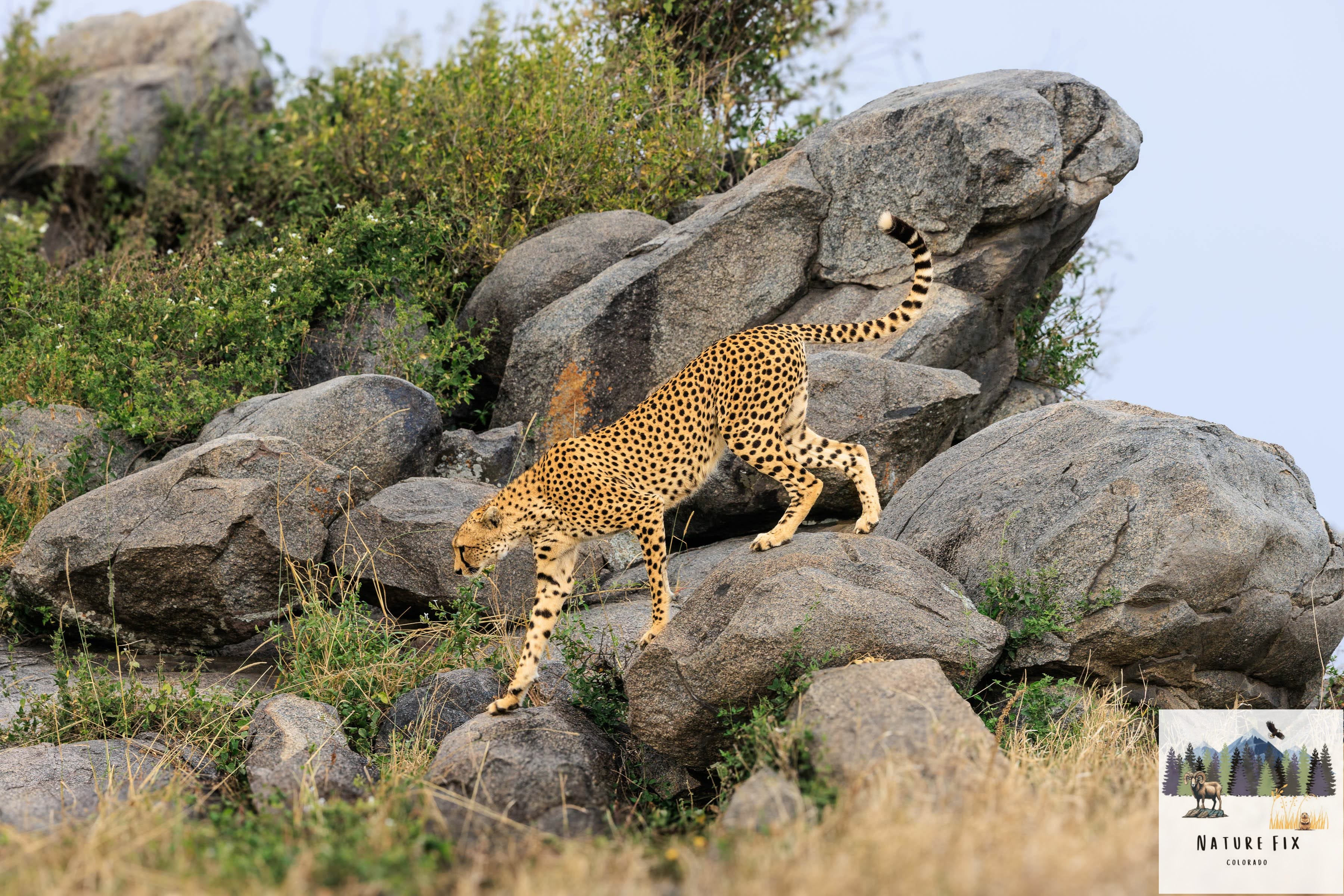
After a while she stood up, stretched her long body and walked down the rocks toward the cubs. Almost immediately our guide commented “She looks thin she needs to feed” as if she heard him she took off like a shot toward a small group of Thompson Gazelles. Within seconds it was over and she picked up her kill and crossed the dusty road as her cubs dutifully followed her.
I was unprepared for how quickly this hunt would unfold, so I didn’t get any video of this happening, but I found a Youtube short that shows the same type of action we saw, even though it’s not the same prey animal.
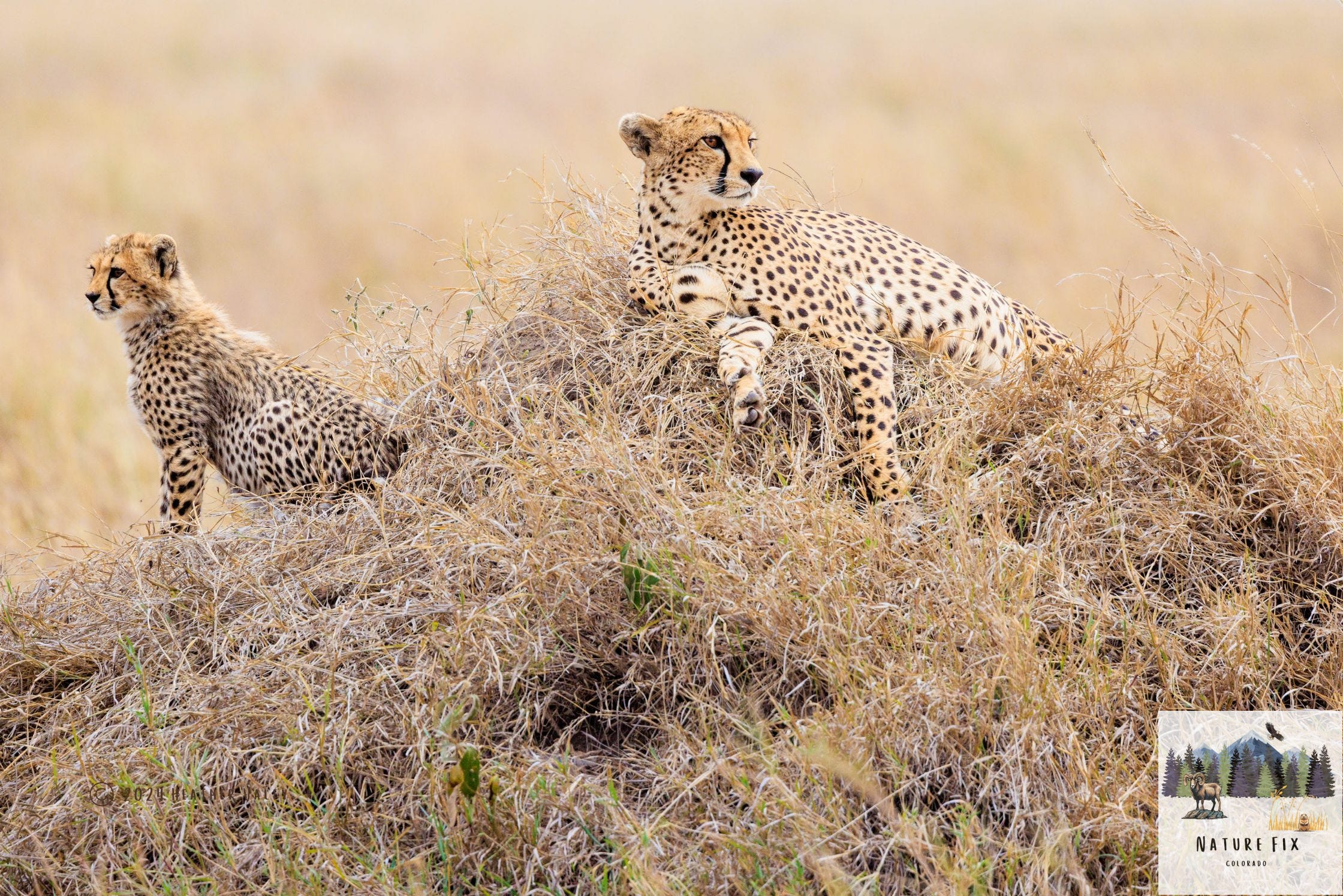
She stashed the gazelle in the tall grass and walked to an inactive termite mound and laid down. “She is tired from the kill” Sosy said “She needs to rest before she eats, but she will stay vigilant because her meal could be easily stolen from her by other animals like vultures, hyenas and lions.” She indeed was vigilant, looking around to make sure her kill and her cubs were safe.
I told the guide I was surprised that hyenas could be a problem and he said “Hyenas are always in everybody else's business. They are bad neighbors”
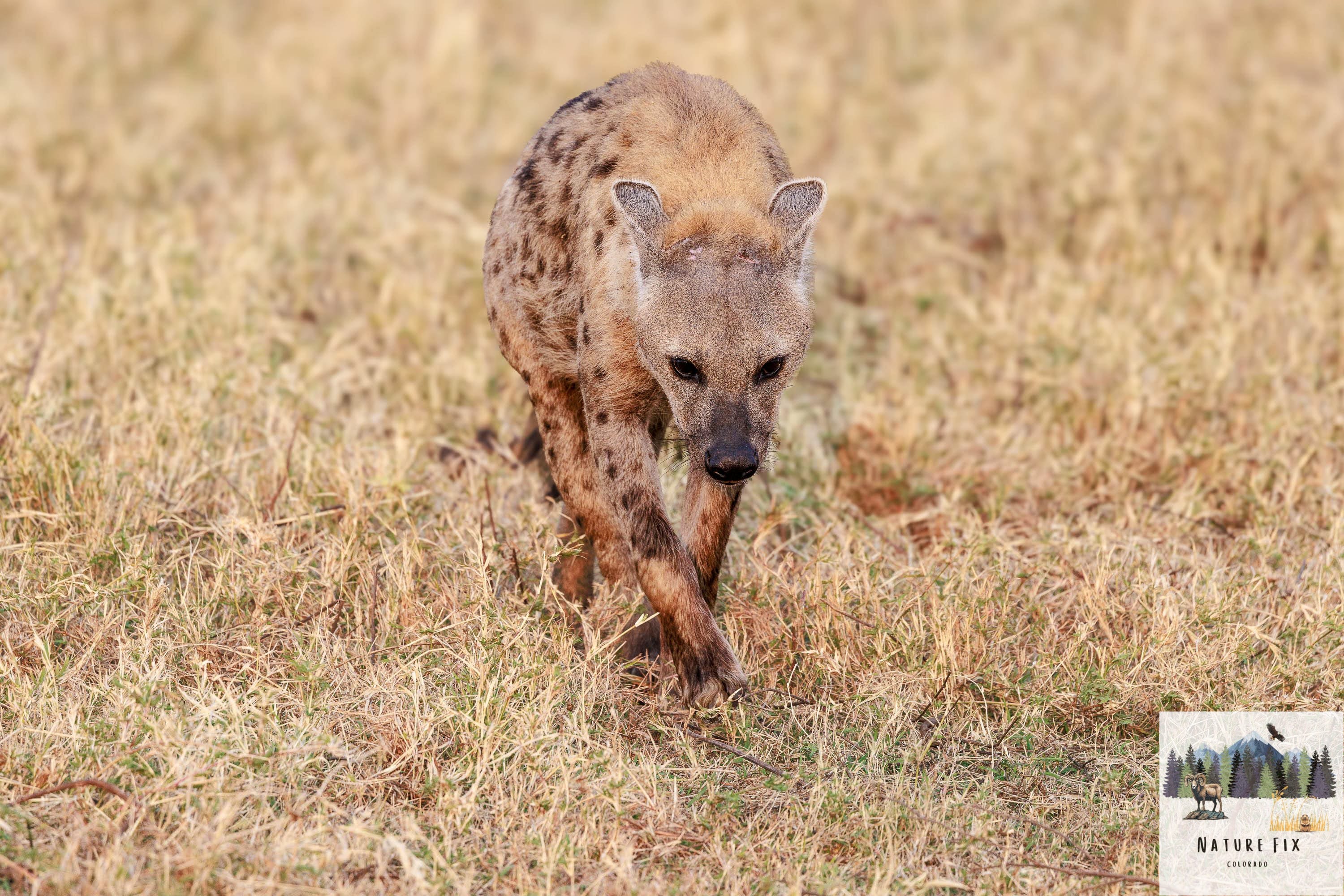
He also explained that the cheetah wasn’t able to defend themselves, especially with cubs, against hyenas, leopards and lions. They would rather abandon a kill than have to face any of these animals. Another tactic to keep the other predators at bay was to leave the carcass in tact and unopened until she was absolutely ready to eat.
We left the scene of the gazelle kill to give the cheetah’s some space and looked for lions for a few hours, on our way back the female cheetah had still not touched the carcass yet. We decided to watch for a bit again. Eventually she did rip open the carcass and her and the cubs dug in. We were rewarded with a bloody smile.

Comments
Nothing yet. Say the first thing.
Sign in to join the conversation.