The Sedge Stage
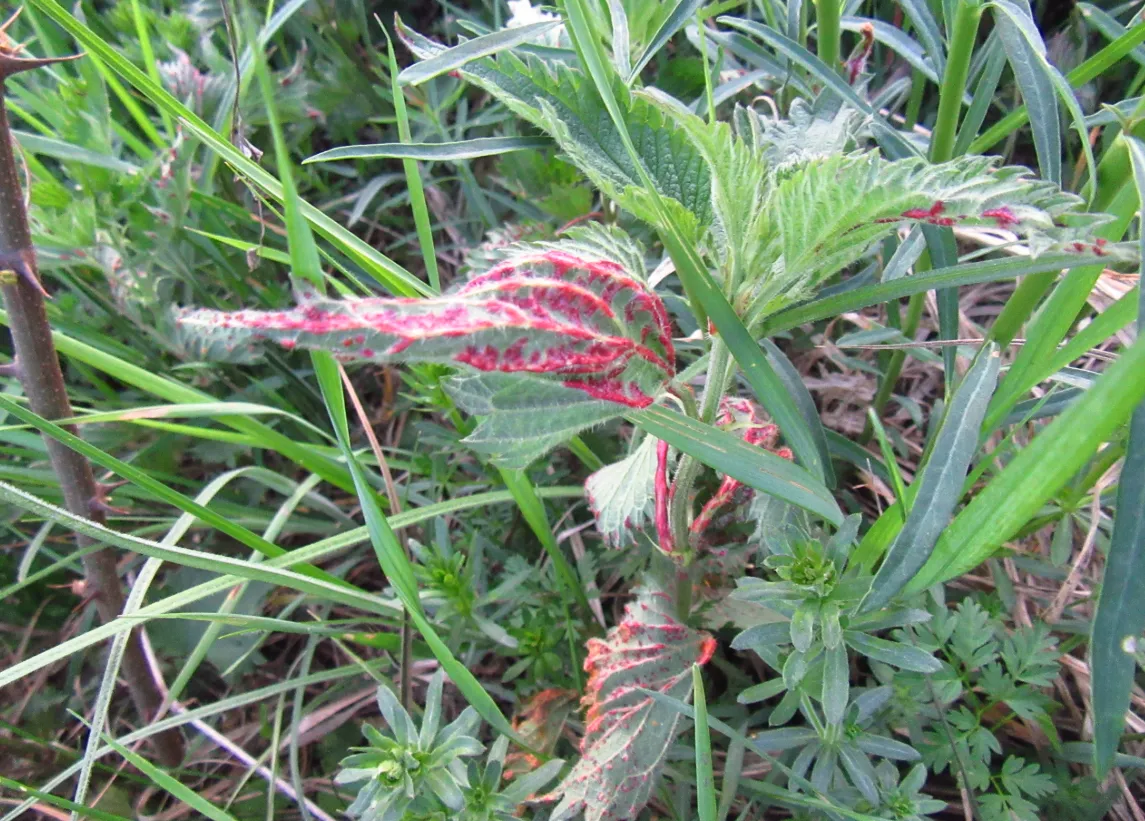
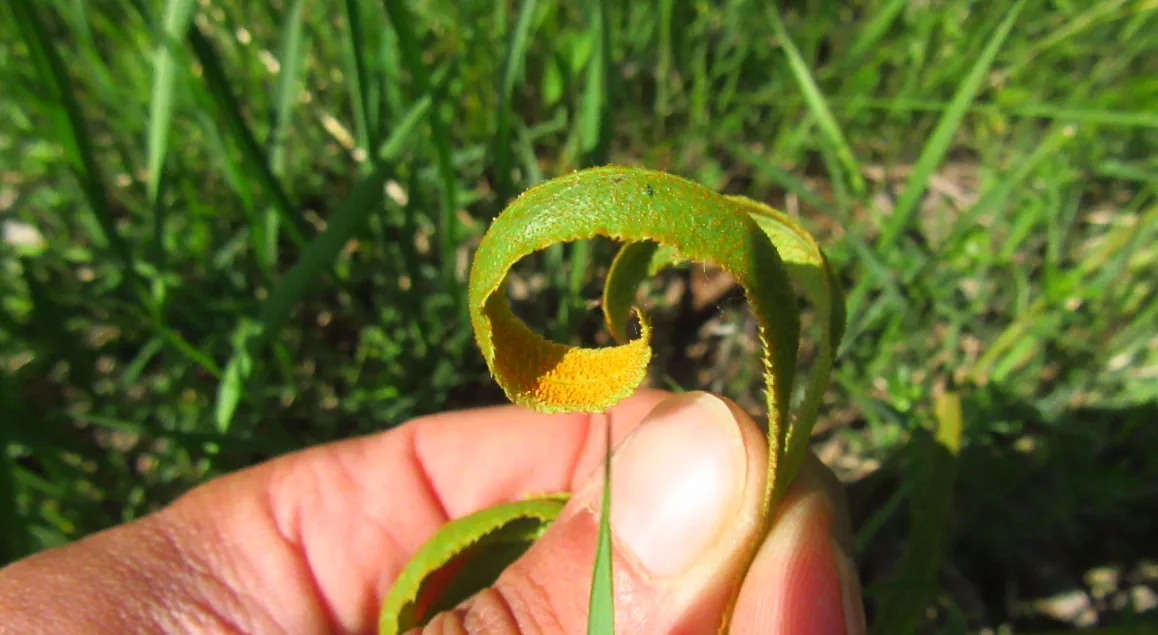
Last week: orange aecia on nettles. This week: the same fungus on sedges, five spore stages explained, and 160 million years of evolutionary complexity in a curled leaf.

Screenshot 2026-02-16 11 A slow-paced field journal documenting small ecological interactions across a rural landscape in southwest Hungary, from garden t...
Last week: orange aecia on nettles. This week: the same fungus on sedges, five spore stages explained, and 160 million years of evolutionary complexity in a curled leaf.
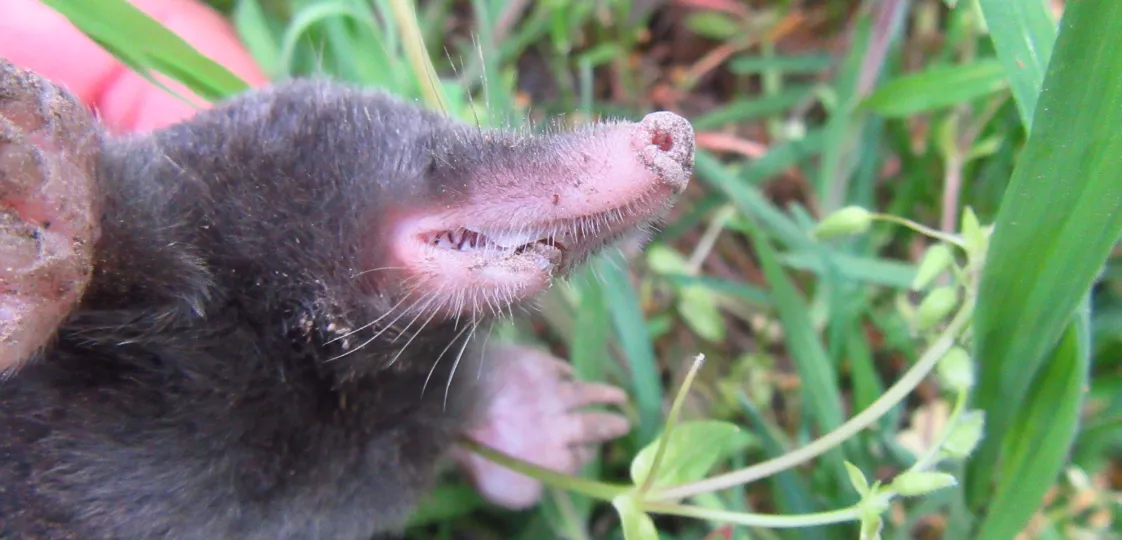
Finding a dead mole on a forest path raises a simple question: why do these underground animals surface at all?
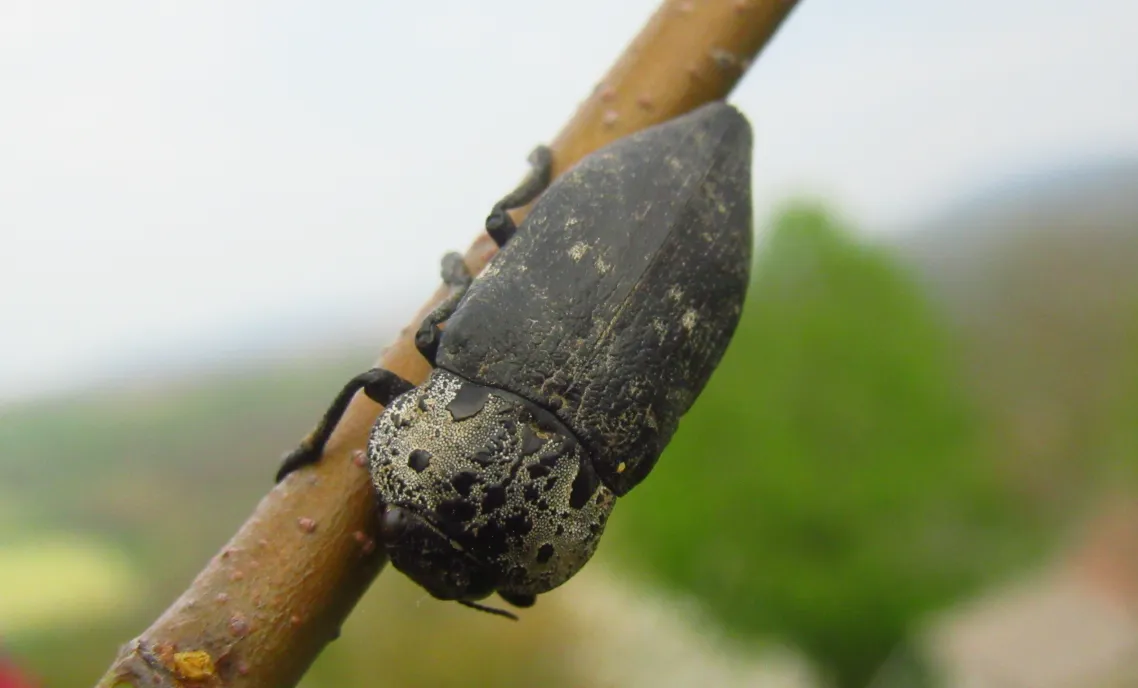
A close look at Capnodis tenebrionis, a wood-boring beetle found on a young quince tree, and the ancient life cycle hidden beneath the bark.
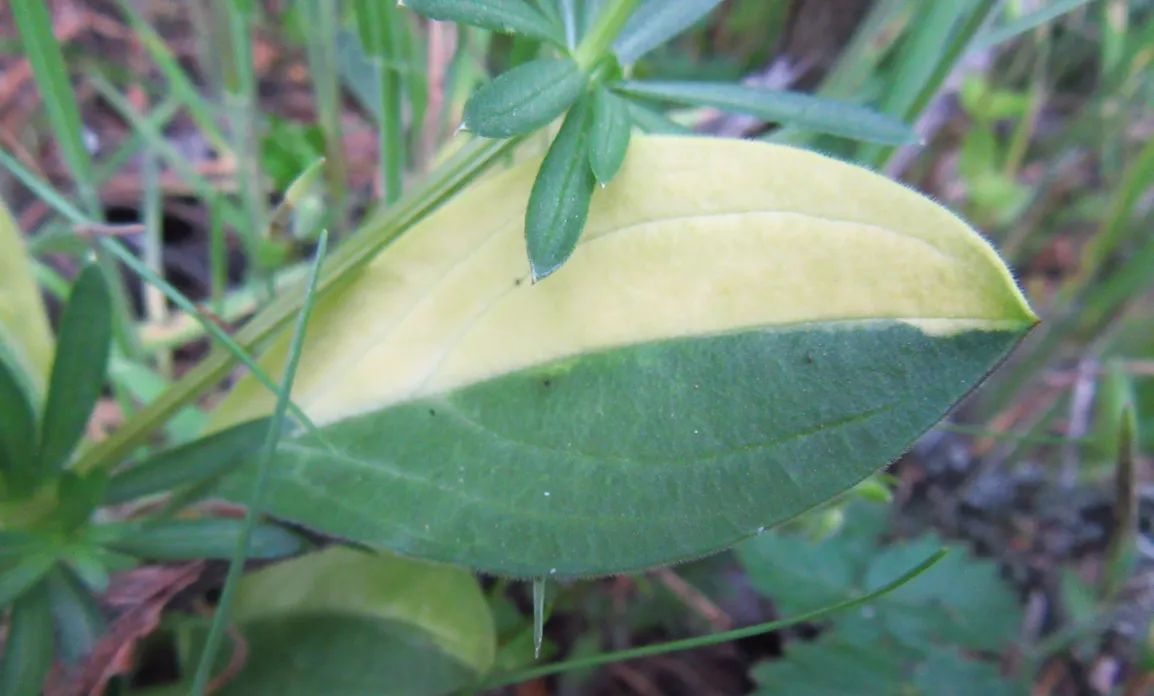
An unusual mutation in Plantago media creates a striking half-green, half-yellow leaf. A field observation of a rare sectoral chimera.
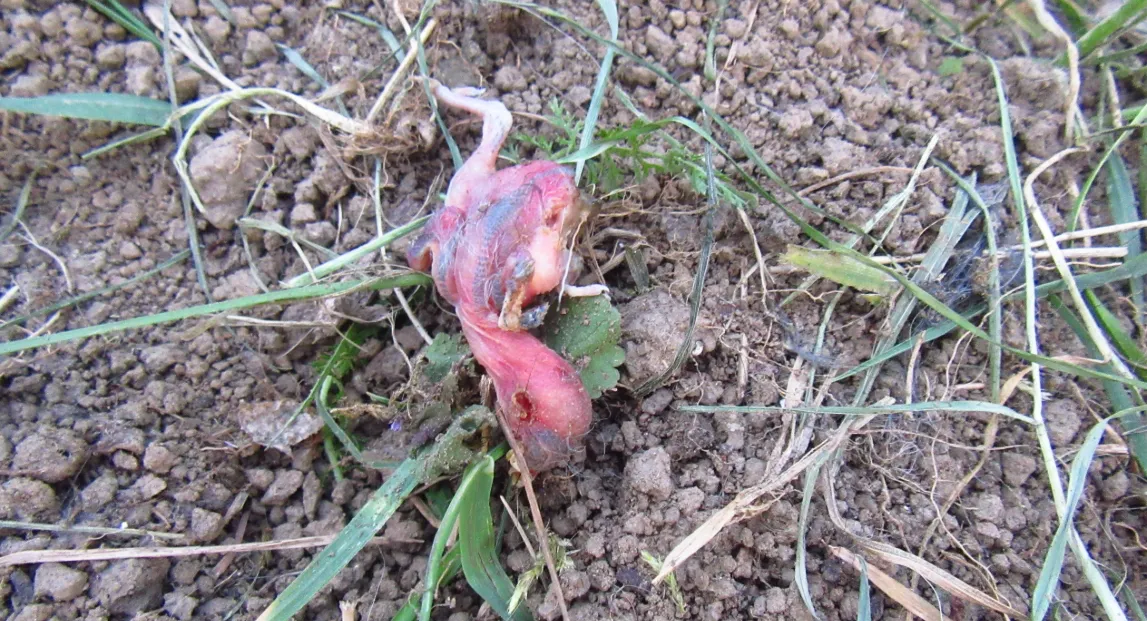
A cavity nest disturbed by a predator. Observations and clues from a garden edge reveal a quiet but complete predation event.
A nettle with swollen stems and orange blisters isn't sick. It's hosting a fungus that needs two completely unrelated plants to complete its life cycle.
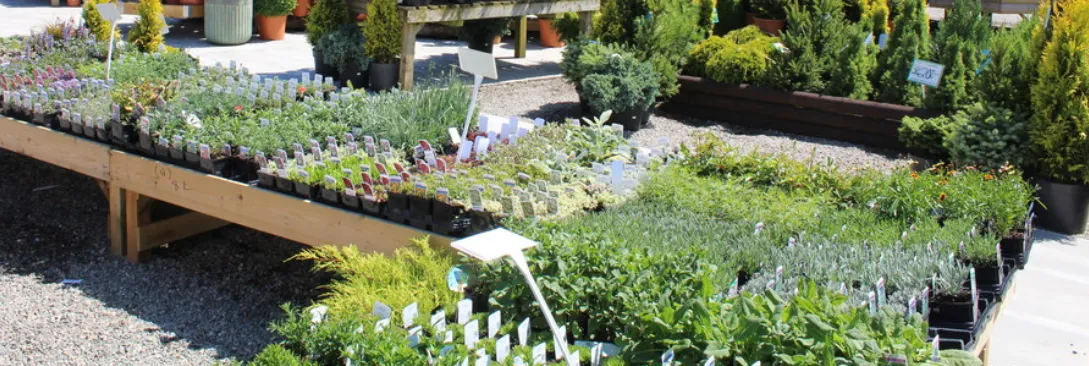
Nativars promise the best of both worlds, but genetic uniformity, altered traits, and sterility can quietly disconnect gardens from the ecosystems they depend on.
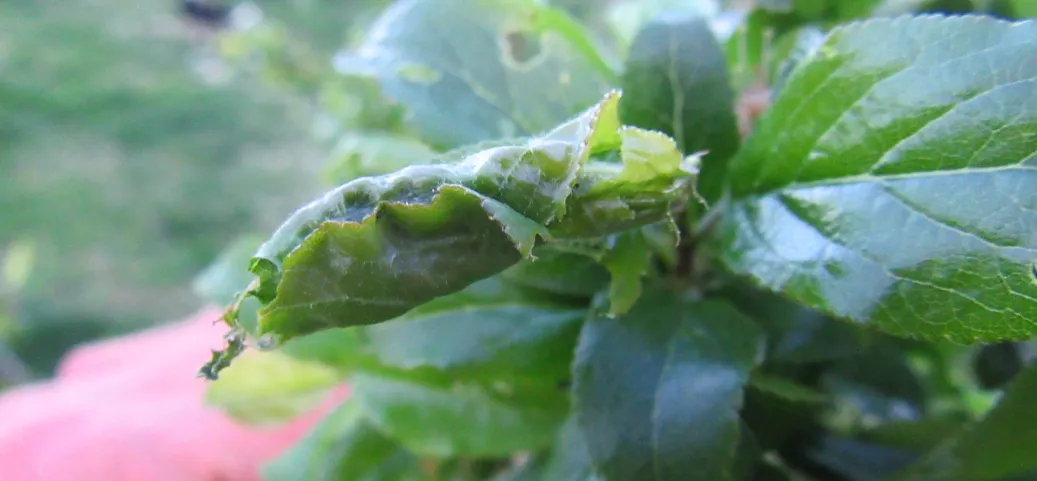
An aphid that builds shelters from living leaves, and a fungus that rewrites how a leaf grows from the inside. Found on the same morning, ten metres apart.
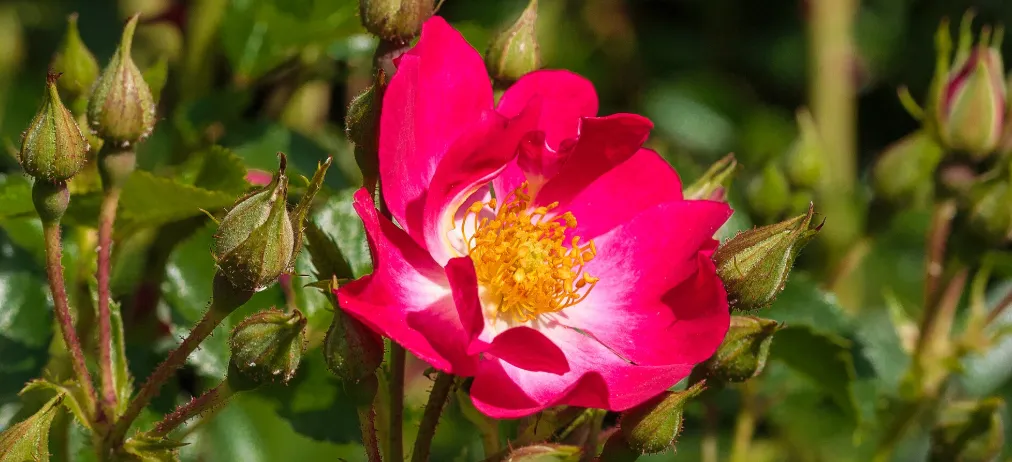
A look at the Rosaceae, the Rose family. This one is so common, that there is a pretty good chance that you already ate a member of this family today.
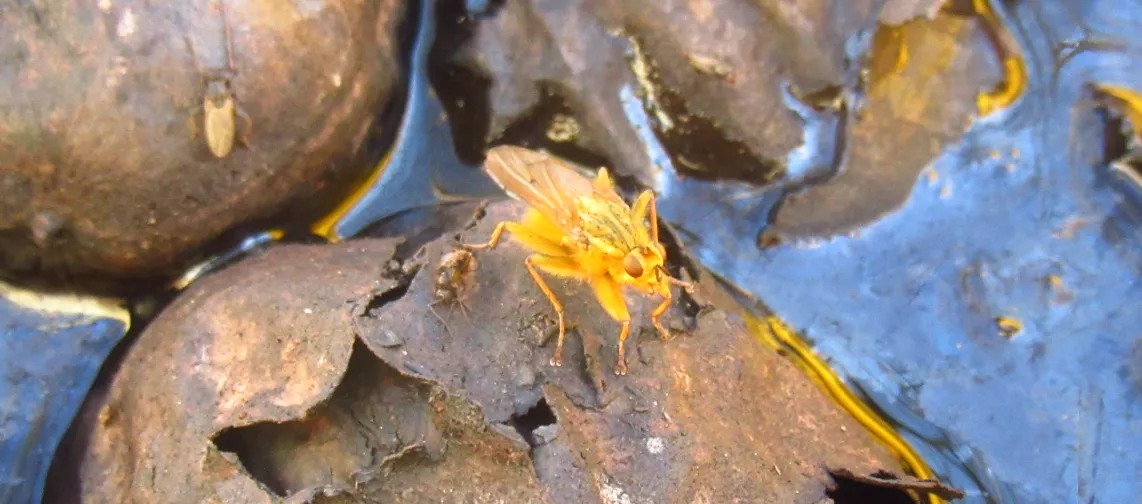
A golden fly with a bad name, a mating system that rewrote evolutionary biology, and a larva that cleans up pastures. The dung fly deserves better.