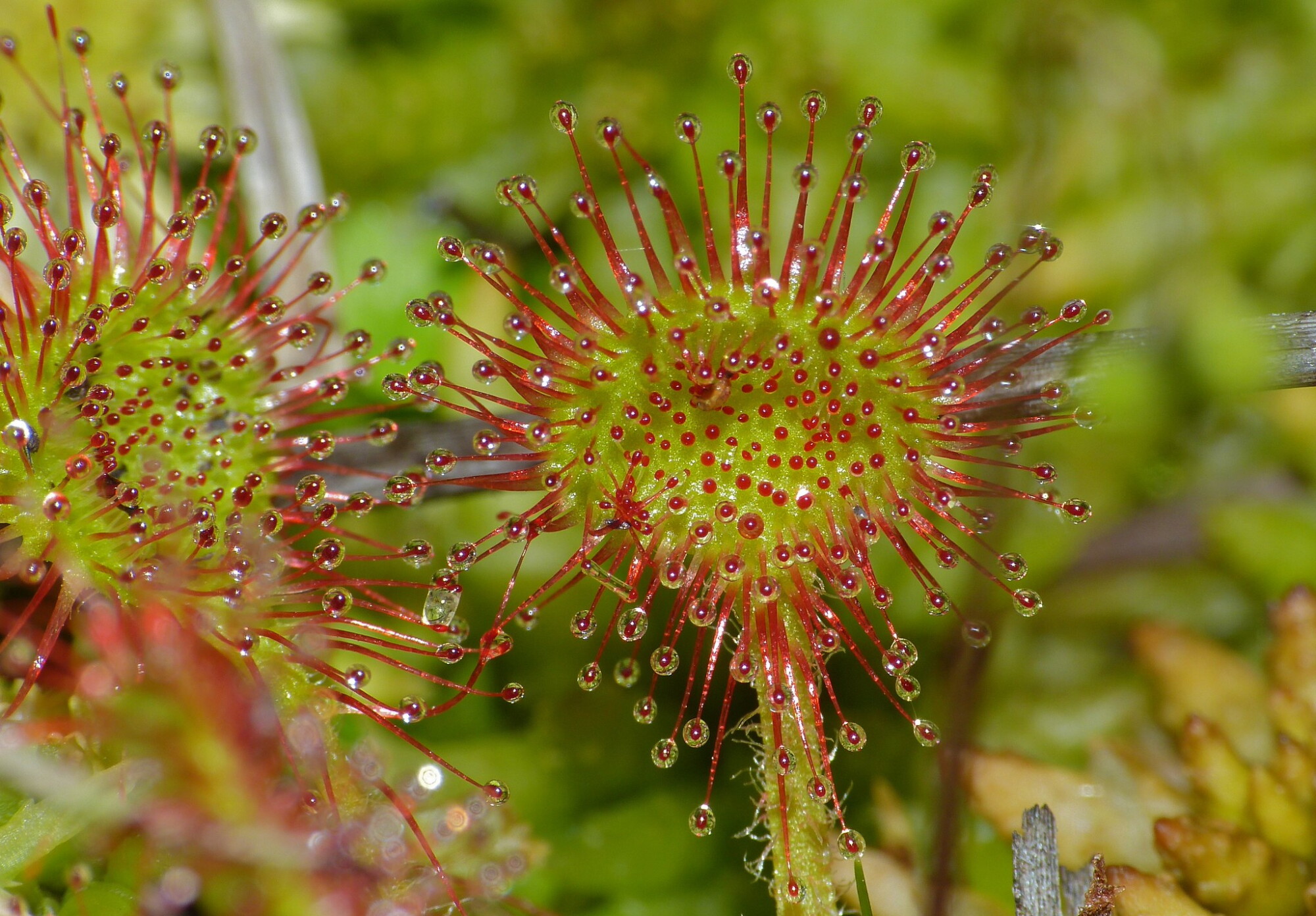
This carnivorous plant lives in North Dakota's Turtle Mountains
Dveryone has heard of the Venus flytrap, but North Dakota's Turtle Mountains is home to a different carnivorous plant — the round-leaved sundew.

Hosted by Chuck Lura, a biology professor at Dakota College in Bottineau. Chuck has a broad knowledge of “Natural North Dakota” and loves sharing that knowledge with others. Since 2005, he has written a weekly column, “Naturalist at Large,” for the Lake Metigoshe Mirror. His columns also appear under “The Naturalist” in several other weekly newspapers across North Dakota. Natural North Dakota is supported by NDSU Central Grasslands Research Extension Center and Dakota College at Bottineau, and…
Subscribe:.rss.atom.json.md.m3u.pls
Live Last read · last published · next check
Saves to your Listen queue, to pick up on another day or another device.
Dveryone has heard of the Venus flytrap, but North Dakota's Turtle Mountains is home to a different carnivorous plant — the round-leaved sundew.
The goldenrods are starting to put on their annual floral show. Much as the pasque flowers in bloom serve as harbingers of spring, the goldenrods are harbingers of fall. They are telling us that the days of summer are numbered and fall is fast approaching.
Two noteworthy celestial shows are coming up on August 12. The Perseids meteor shower is expected to peak that evening, and a partial solar eclipse is expected to be visible in parts of the state. So, get ready and hope for clear skies.
The United Nations declared 2026 the International Year of Rangelands and Pastoralists to “honor and raise awareness of the important role these lands play in creating a sustainable environment and economic growth for communities around the world.”
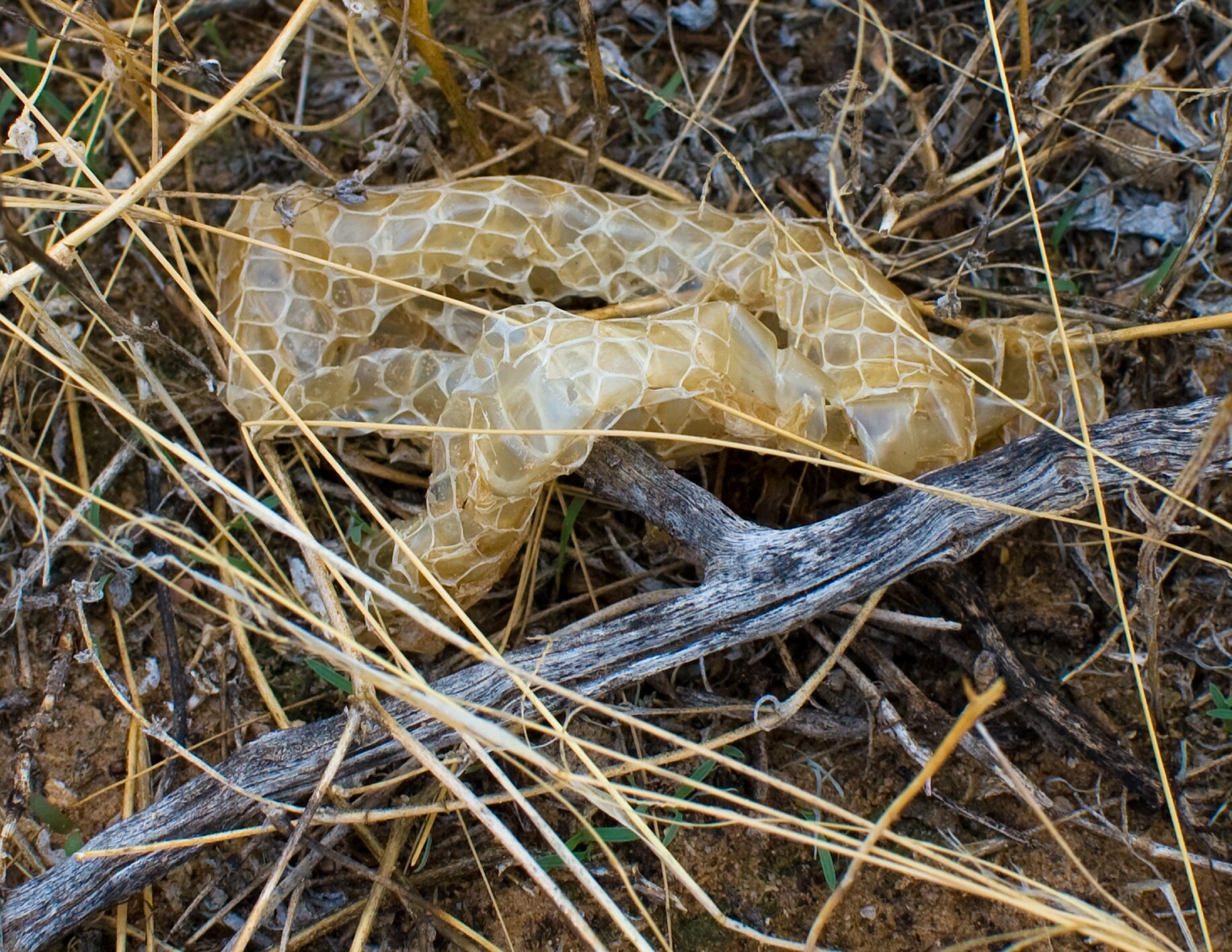
If you frequently walk through the prairies and woodlands, or perhaps even your own backyard, you may come upon a rather delicate, whitish translucent tube of thin material that’s several inches long and has a scale pattern that resembles the skin of a snake. Well, it probably is a snake skin.
A rather common sight across North Dakota during the summer months is a large hawk with broad wings and a wide, rounded tail soaring high overhead. Although there may be other species, the odds are good that it would be a Swainson’s, red-tailed, or ferruginous hawk.
It might come as a surprise, but an estimated 10,000 to 20,000 Mandan lived in and around the confluence of the Heart River and Missouri River in the 16th century. And the Heart River, particularly the area around the confluence, represented the “hearth” of the world and was important to their creation story.
Are you familiar with grosbeaks? They are birds, similar in size to an oriole, and known for their rather short and conical beaks. Three species can be found in North Dakota.
Elm trees, once abundant and widely distributed in North Dakota and highly valued as an ornamental died by the thousands, mostly in the 1970s. Something similar may occur with ash trees and the emerald ash borer.
A single cottonwood tree can produce a staggering number of small seeds each year. Estimates range from around 25-48 million. But of course, the chances of a seed becoming established and living to maturity are extremely slim.
Have you been noticing a 2-3 foot tall wildflower sporting a terminal cluster of conspicuous purple flowers? If so, it is probably Dame’s Rocket. That is not a native plant. It might look pretty, but as they say, looks can be deceiving.