
The England football team may be composed of multimillionaire ballcræftsmun jet-setting around the world, lighting up our stadiums and screens. Yet before they were famous, they were children. And while they aspired to football, had things not gone their way, they could have ended up having very different careers.
Last week, while reading Phoebe Stubbs’s excellent newsletter on the history of glassblowing in England, I learned that Jude Bellingham’s hometown of Stourbridge was once the home of glass. I suddenly imagined a world where young Jude had gone back in time and chosen glassblowing over football.
The England team hail from all over the country. All grew up in villages, towns, and cities that were once hubs of exceptional craft and manufacturing heritage.
Had they not become footballers, what types of craftsman could each player have become?
After some rapid research, I’ve assembled a team. Now, this is certainly not the team to pick on exclusively footballing grounds. I’ve elected to play certain players out of position, and there will be no centre backs. All decisions are inspired by stories of craft and industry rather than tactical excellence. But put these boys in a workshop, and they could wipe the floor with the Argentines.
Behold! The England Artisanal XI
Of course it will be controversial to drop Jordan Pickford. Yet, James Trafford’s real-world experience growing up on a family-run sheep and arable farm near Cockermouth in the Cumbrian Lake District means he’s well equipped to both feed and clothe the team with mutton and wool. Pickford may be a top shot stopper, but could he help a ewe give birth to a lamb on a cold, rainy evening in Stoke-on-Trent? For that reason alone, Trafford is the first name on the team sheet.
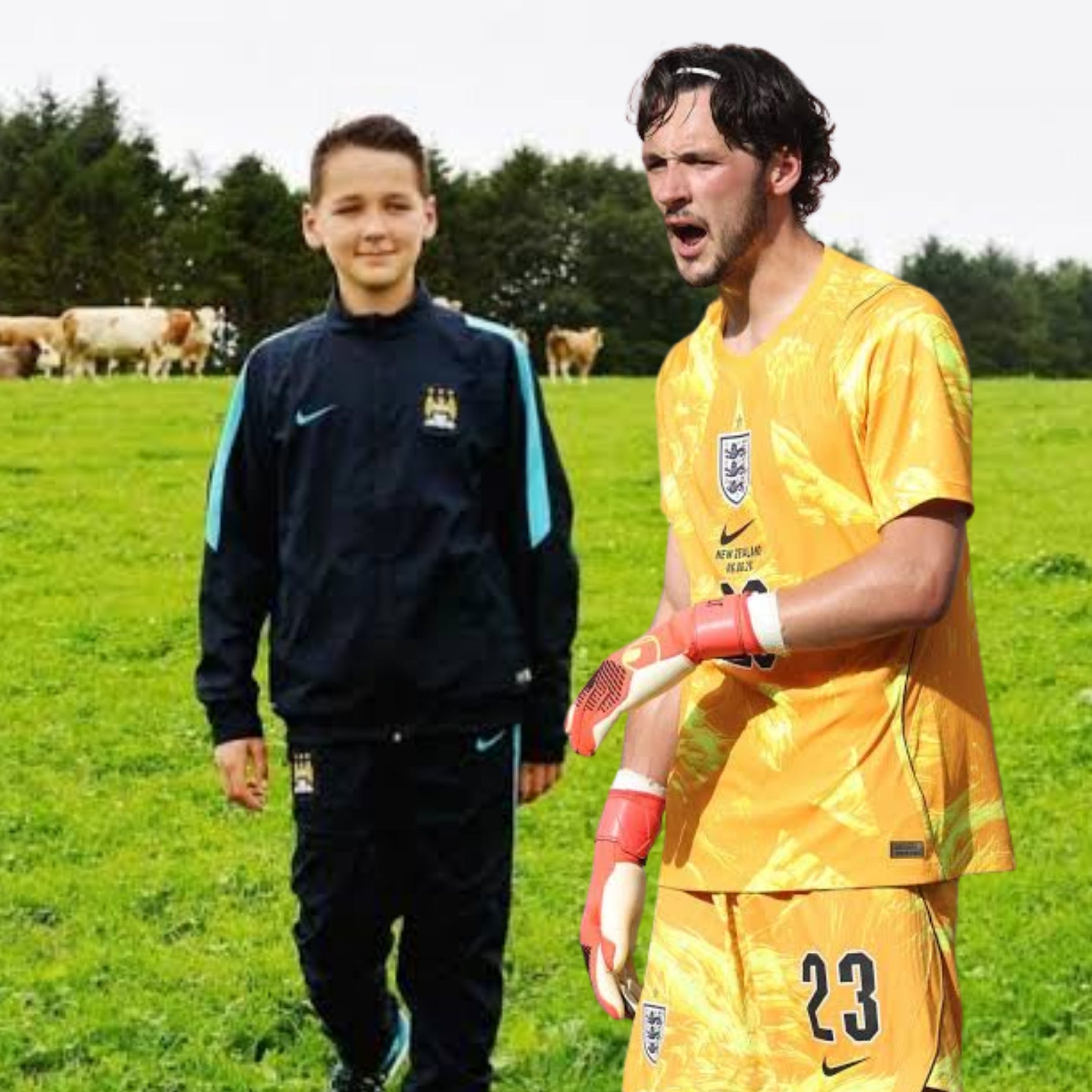
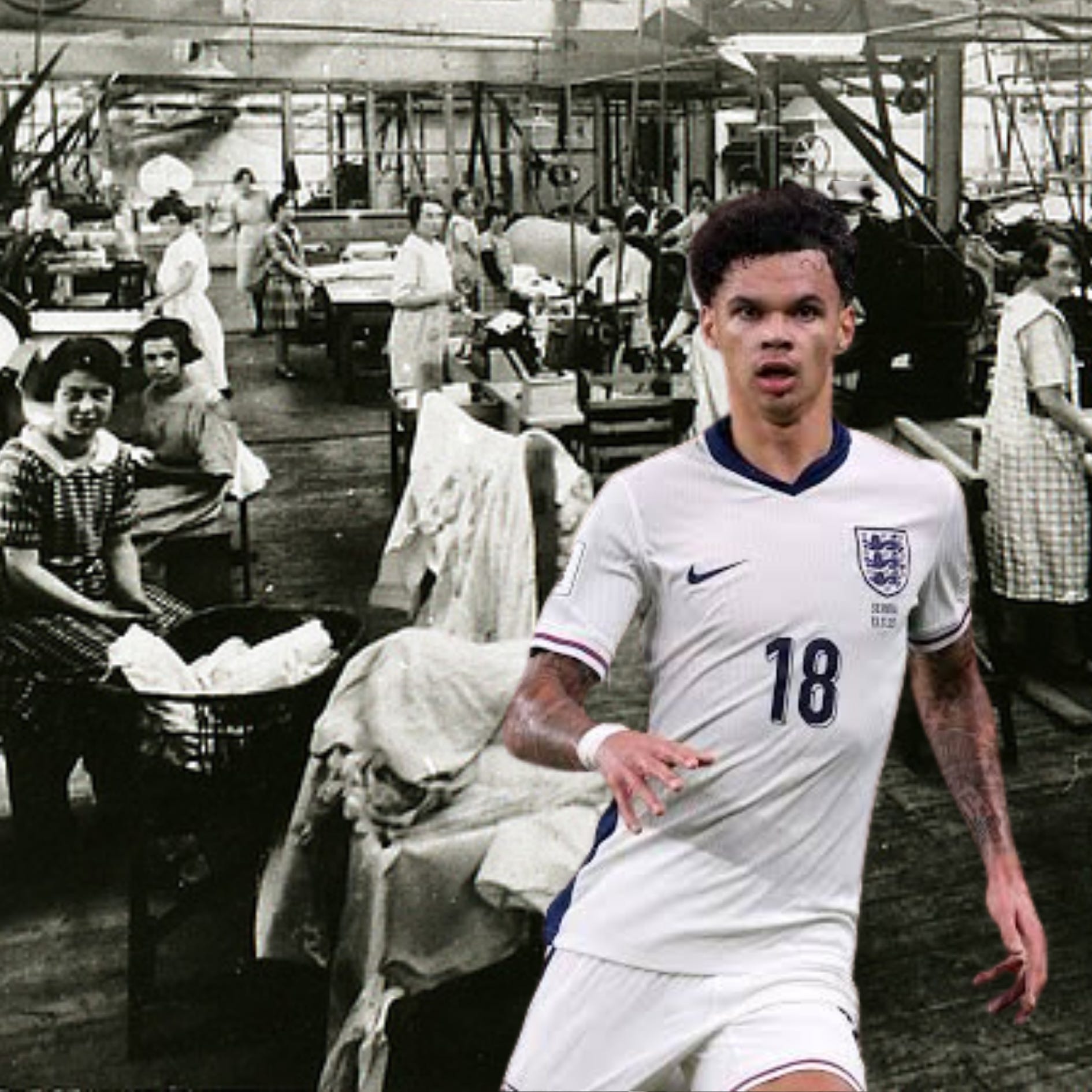
Raised in Collyhurst and Ancoats, the home of the steam-powered spinning jennies that forged Manchester’s reputation as Cottonopolis and a textile maker to the world, O’Reilly is trained in the art of threading the needle. Whether it’s around an ominous Argentine right wing or a beautiful sheet of cotton, O’Reilly will spin rings around whatever he needs to.
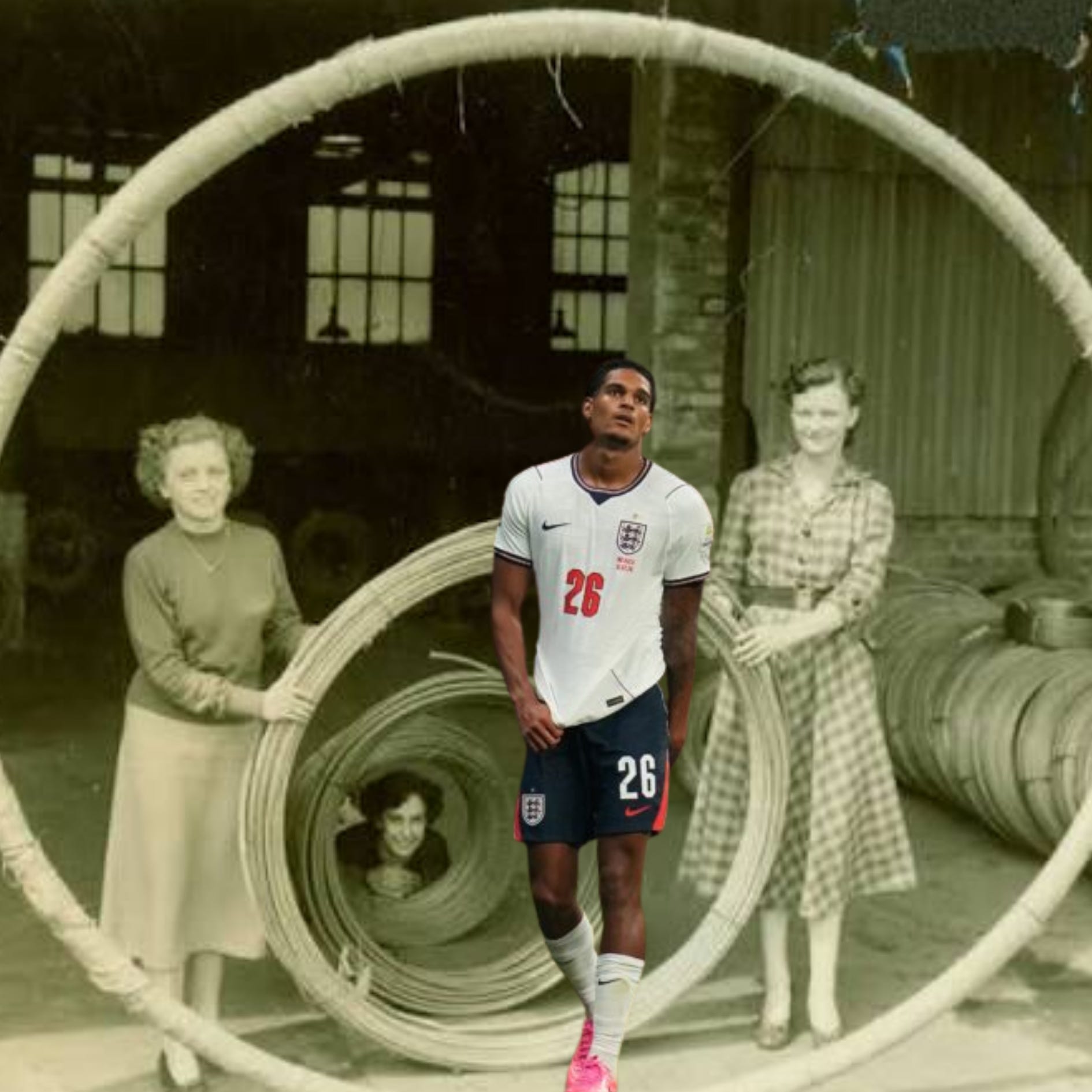
If O’Reilly’s wrapping Messi up with cotton, Quansah will trip him with wire. Having grown up in Woolston, on the edge of Warrington, Quansah will be well versed in the art of wiremaking. From the Atlantic telegraph cable to the barbed wire strung across the Western Front, Quansah hails from a town so defined by wire that its rugby side is simply called ‘The Wire’.
Born in Sunderland, once the greatest shipbuilding town in the world, Henderson knows a thing or two about floating under pressure. Though past his prime and injured by an advertising board, when the tide comes in, Henderson is well equipped to steer a steady ship.

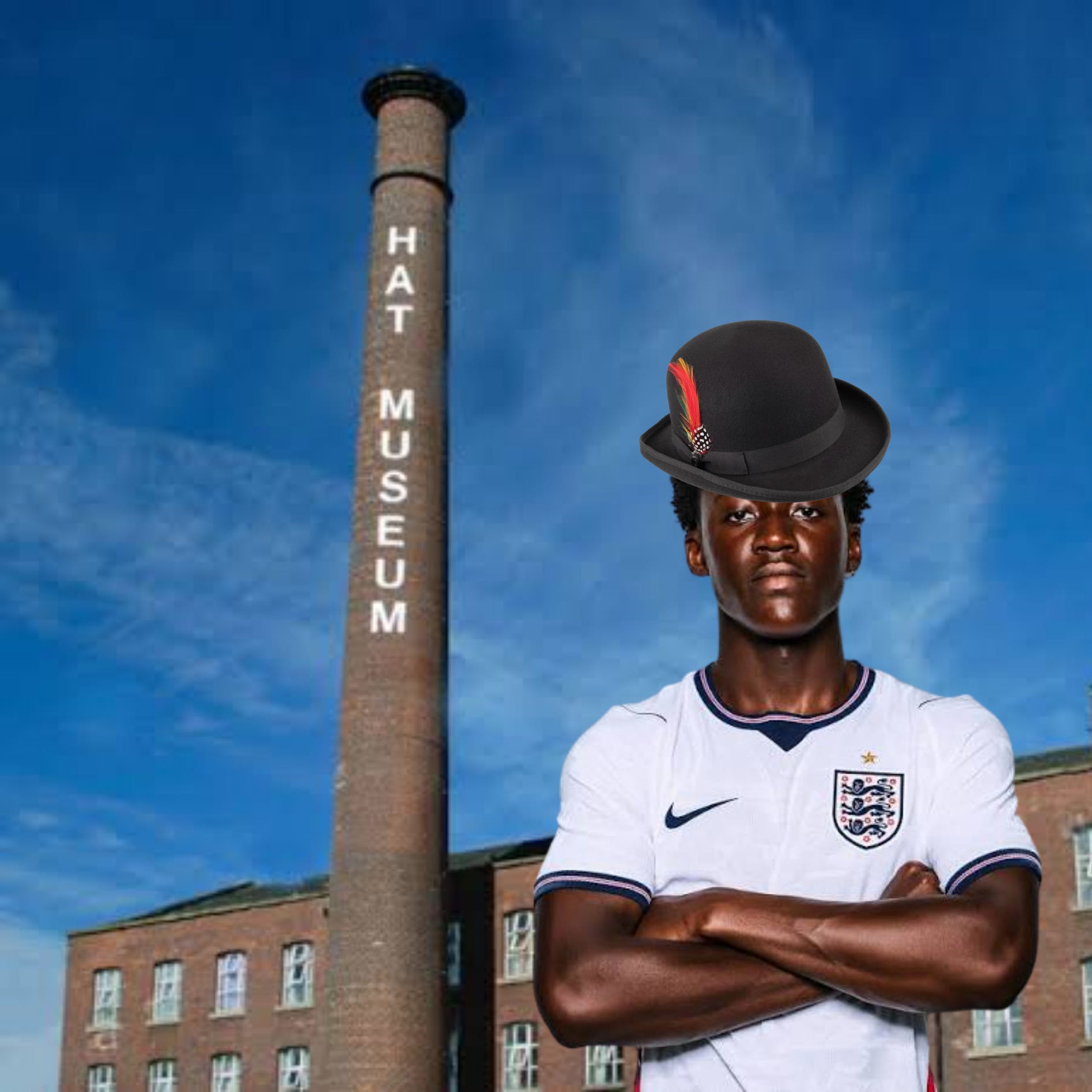
If you can keep your hat on while others lose theirs, then you’ll be a hatter my son. Raised in Cheadle Hulme in Stockport, which once housed over a hundred factories, made more felt hats than anywhere on the planet, and even to this day is the home to the Hat Museum, Mainoo promises to bring some glamour to the team who are mostly caught up in more utilitarian crafts.
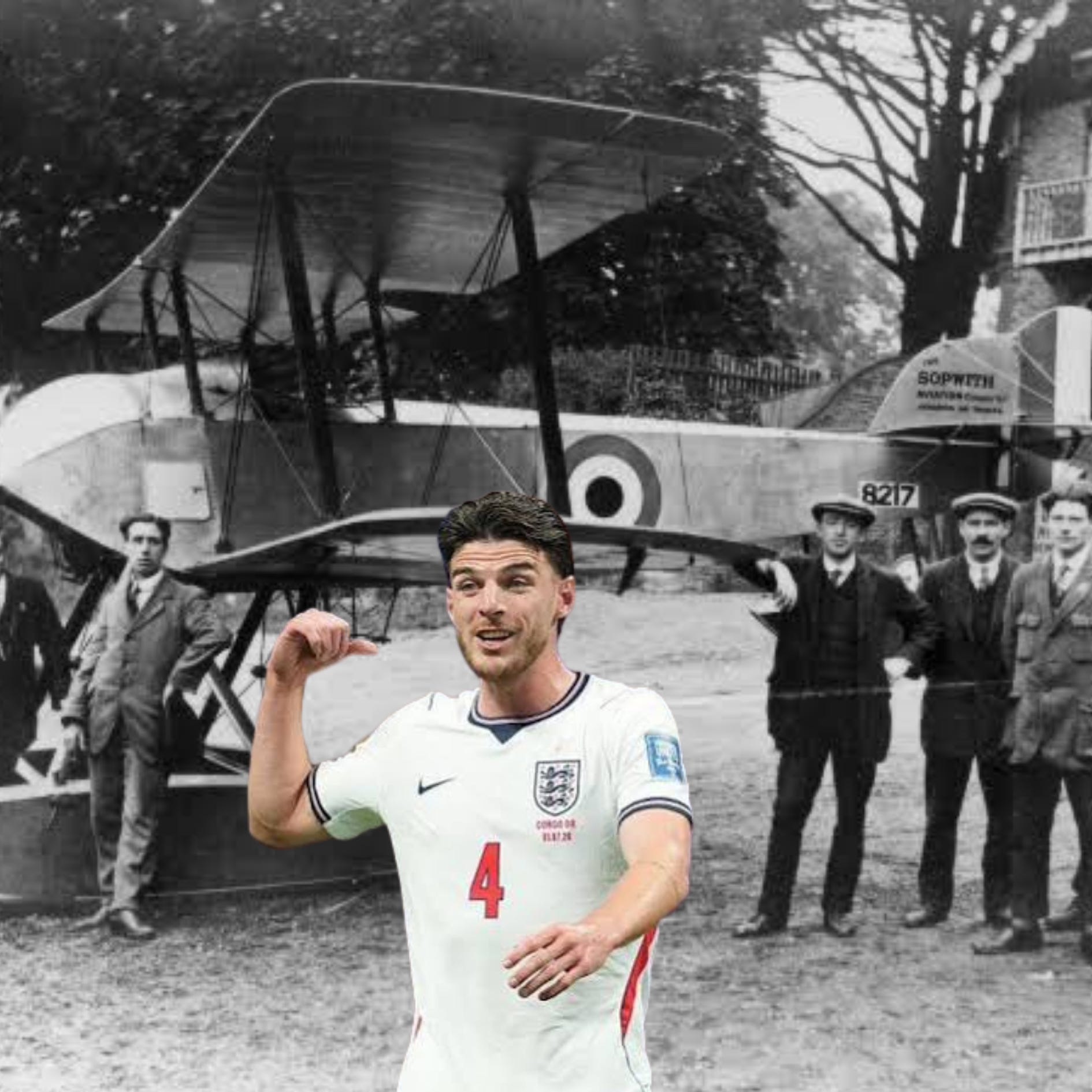
Rice learned his craft in Kingston upon Thames, the original home of Sopwith and Hawker, who built the fighter planes that powered the nation to victory in the Battle of Britain. Rice can cover serious ground box-to-box, clearing the goalline and launching deadly attacks, just like a Hurricane bomber.
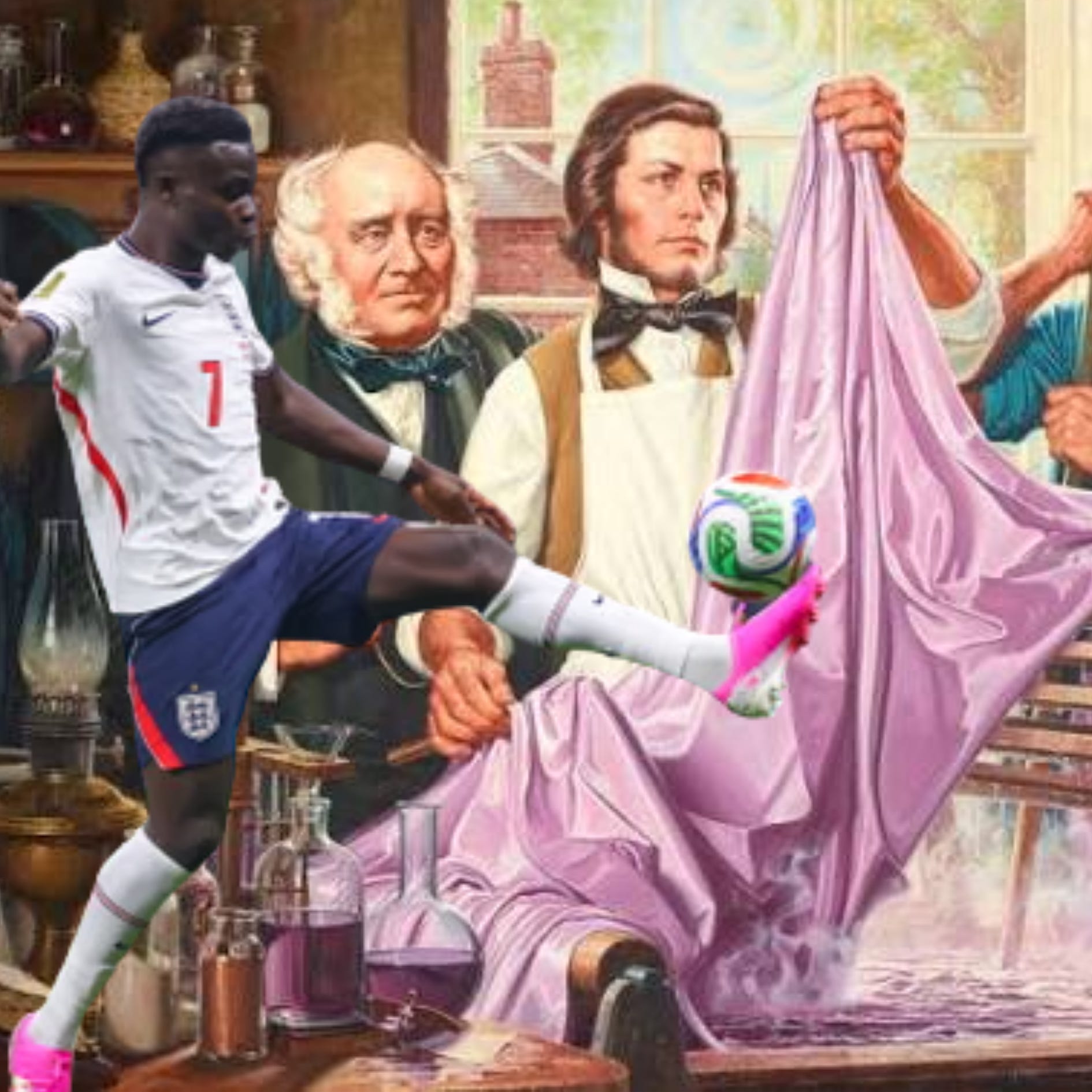
A Londoner, born and raised in Greenford, Saka is the heir to William Perkin — the inventor of the synthetic dye in 1856. While Perkin gave birth to the modern chemical dye industry, scaling the joy of colour in clothes and beyond, Saka too has the power to deliver techni-colour crosses deep in Argentina’s box.
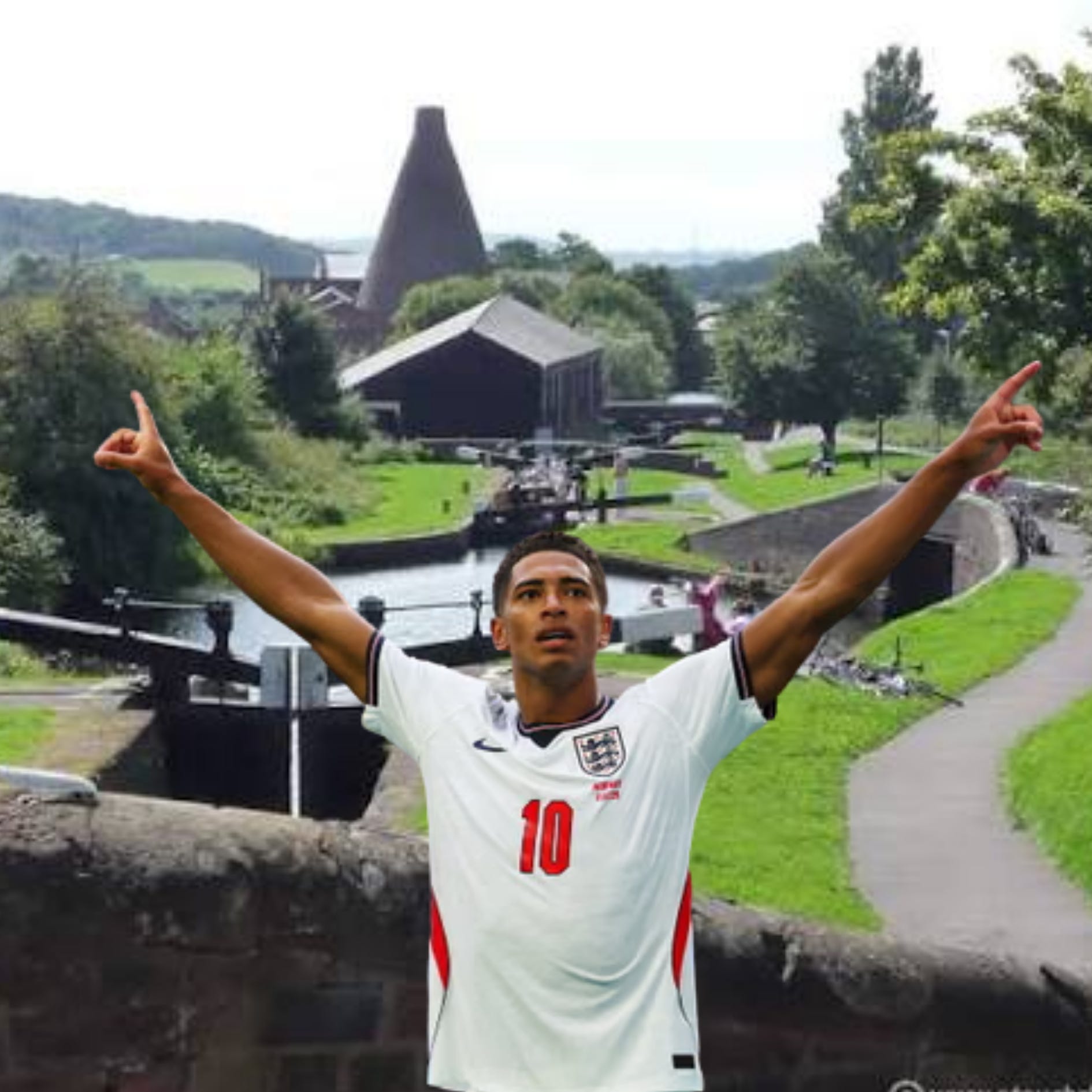
Bellingham hails from Stourbridge, the home of British glass. While it has been hot in Mexico City and Miami, Bellingham was born to handle the heat of the glasshouse. Without Bellingham, the England squad is molten and formless, but Jude knows how to hold his nerve amid the danger and sculpt into a thing of precision and beauty.
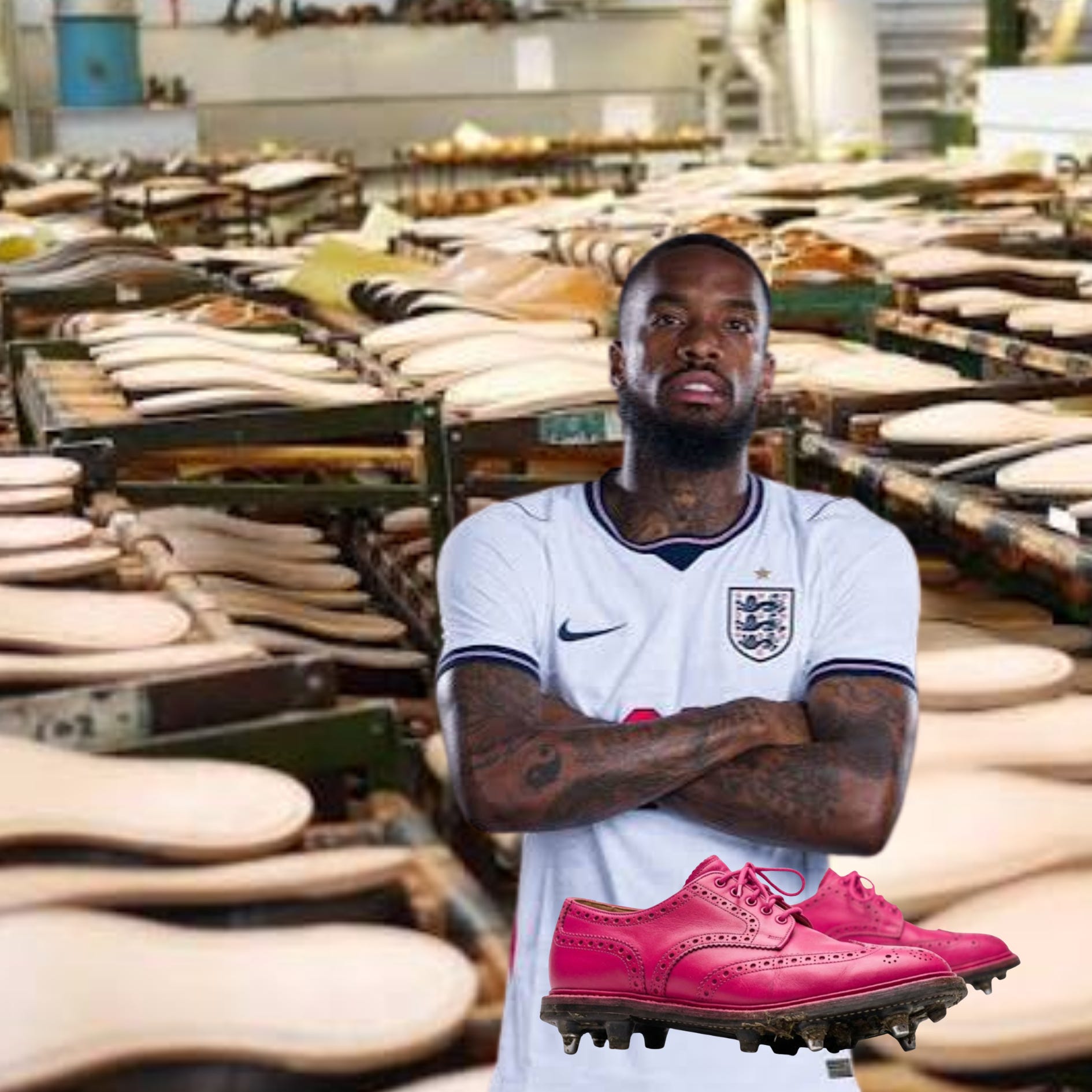
While he’s only in the squad as a dead-ball specialist for a potential penalty shootout, Toney’s got something else in his bootbag: the finest boots in the world. Born and raised in Northampton, the world home of shoemaking (documented in this very newsletter), Toney is a master of last-making and Goodyear welting. Keep your eye peeled for some studded brogues.
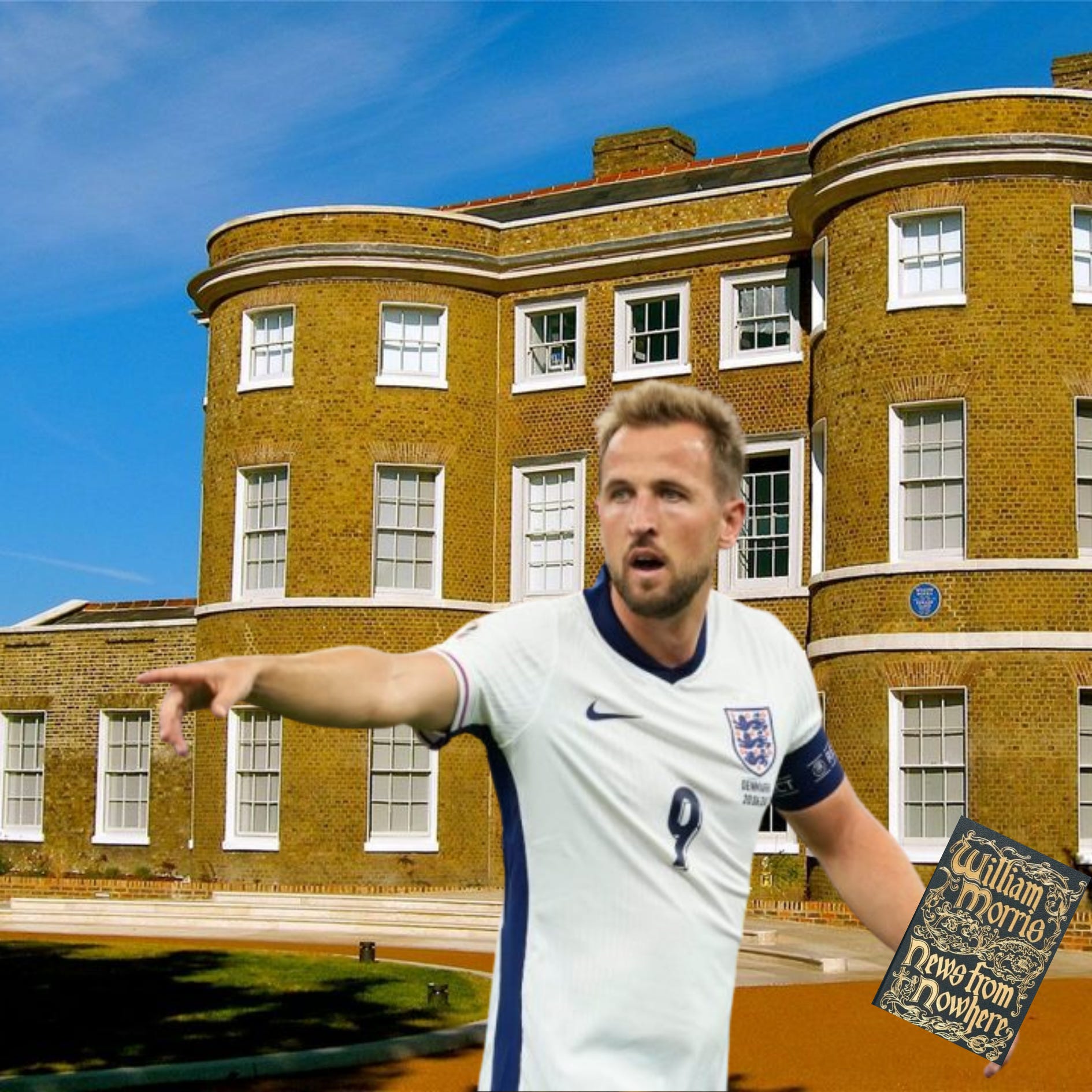
Captain Kane is not just a ballcræftsmun, but a doubly-inspired philosopher too. Hailing from Walthamstow, the home of William Morris, the patron saint of British craft, Kane is equipped with the intellectual foundations to lead his band of merry craftsmen. Yet, he’s not just a theorist, but a practitioner too, having gone to Chingford Foundation School, which also educated Sir David Beckham and, more importantly, Sir Jony Ive — the designer of the iPhone.
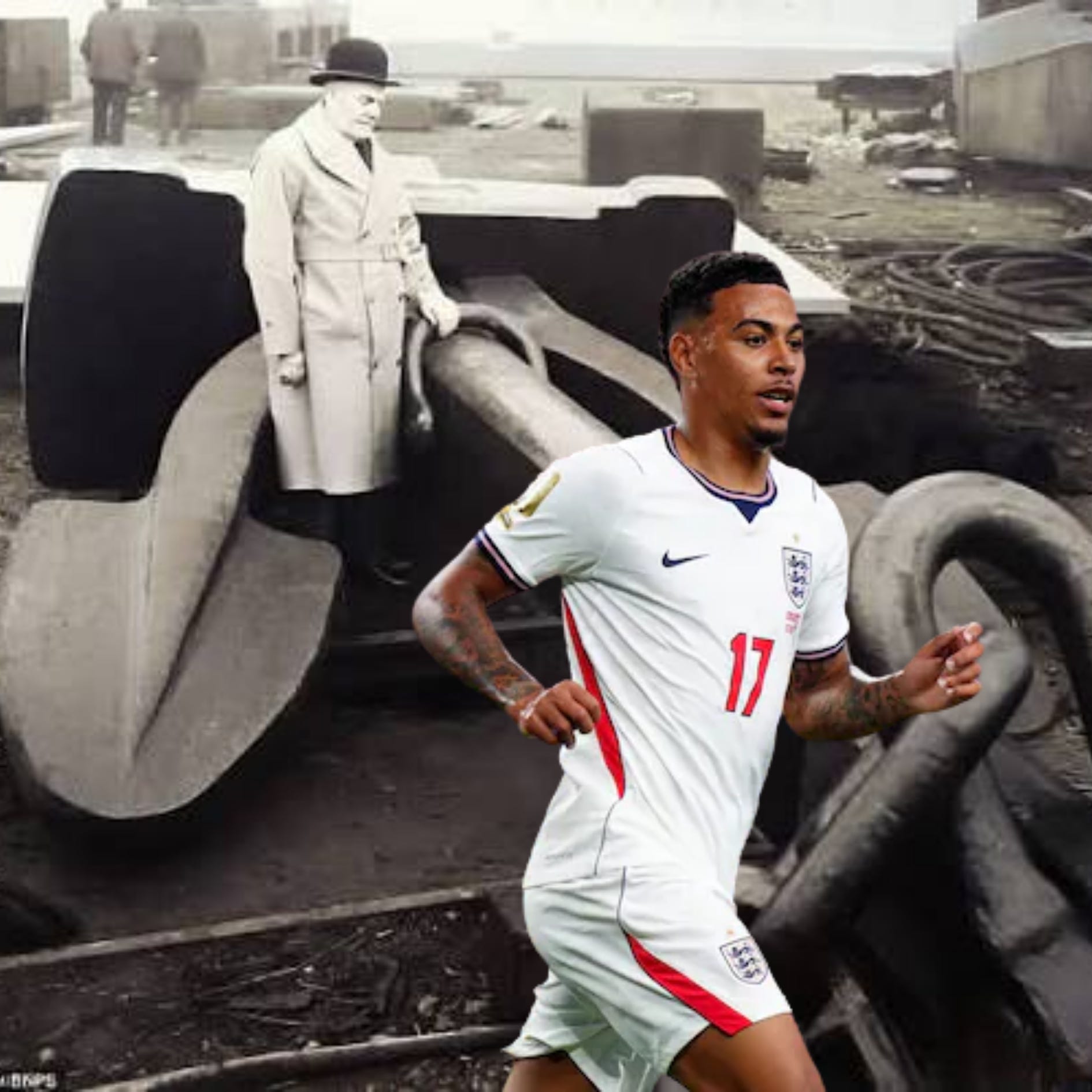
The final name on the team sheet is Bellingham’s childhood friend and Midlander Morgan Rogers. Raised in Halesowen, the Black Country’s chain-and-anchor heartland, Rogers will be no stranger to the forge where Walter Somers hammered out the Titanic’s anchor. Anchoring the team at 11, England will be unsinkable.
If you have scrolled this far, well done. I promise to resume more sparky thinking and beautiful filmmaking after the end of the World Cup (and heatwave).
A reminder that there are fewer than 2 months to go before the submission window to the £60,000 Cræft Prize closes.
Until next time.
Comments
Nothing yet. Say the first thing.
Sign in to join the conversation.