
This week, a micro-dispatch from a research lab at Imperial College London leveraging craft and cutting-edge technology to transform medicine.
From 3D printing bodies to train the surgeons of tomorrow on the trickiest procedures to using embroidery to stop knife crime: welcome to the other side of artisanal intelligence.
If you are a doctor, maker, or person of great means or influence and you want to scale the ambition of the lab, get in touch.
— Louis Elton, Founder of Nation of Artisans
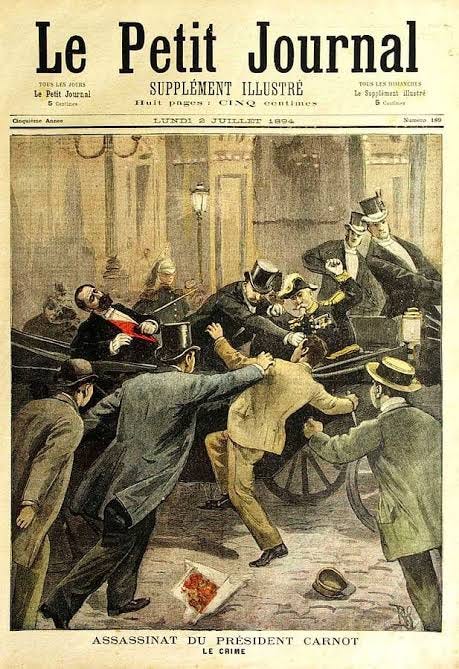
On 24th June 1894, Sadi Carnot, the President of France, was stabbed in the abdomen by an Italian anarchist as he left a banquet in Lyon heading to the theatre. Unable to repair a severed vein, surgeons were powerless to stop Carnot from bleeding out on the operating table.
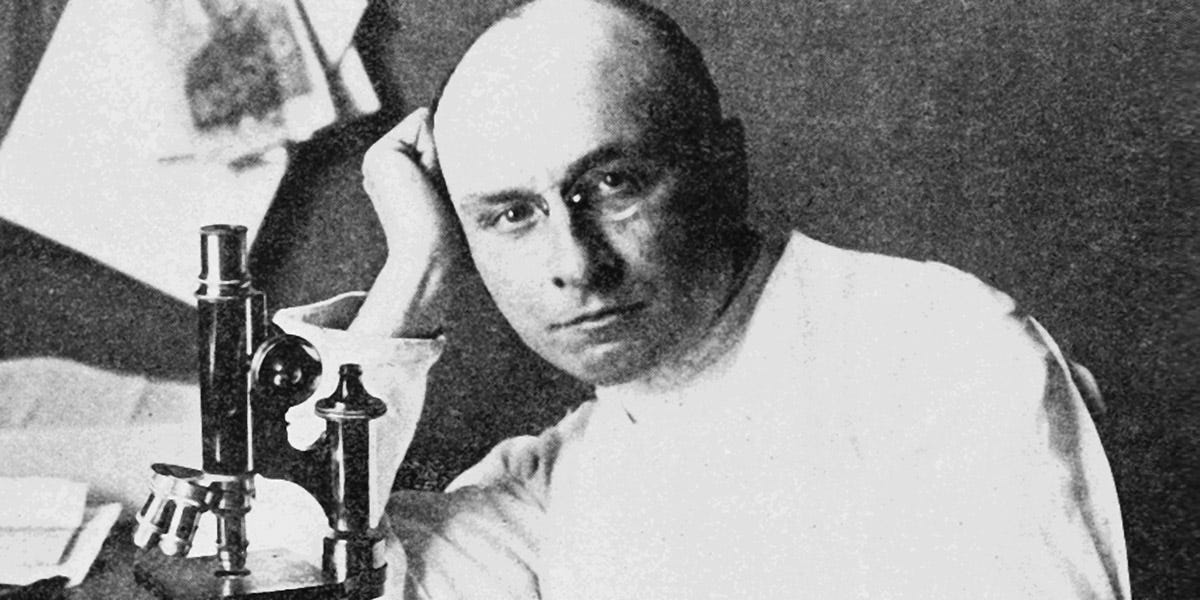
Sitting in the audience was a 20-year-old medical student named Alexis Carrel. Frustrated by the doctors’ inability to save Carnot, Carrel felt compelled to find a solution to the death sentence of severed veins.
In search of an elegant procedure, Carrel observed the work of fine lacemakers. Amazed by their precise thread management and remarkable dexterity, he wondered if their insights could be borrowed to repair severed blood vessels.
Learning fine needlework from both his mother and an expert silk embroideress, Carrel developed the “triangulation” stitching method. He reconnected severed blood vessels and practiced transplanting organs between animals. Then he perfected his method on humans, going on to win the Nobel Prize in 1912.
Medical innovation has accelerated at lightspeed in the last century — AI drug discovery, gene therapy, stem cells are the hot stuff of today. Yet the magic of crafty R&D is not dead yet.
Hidden away in a lab in Chelsea and Westminster Hospital in London, the spirit of Carrel is alive and well. The Imperial College Centre for Engagement and Simulation Science (ICCESS) is a font of craft and medical innovation. Co-directed by Professor Roger Kneebone and Professor Fernando Bello, with Dr. Sofia Chacon leading the SHARP project, ICCESS tackles the knottier human challenges in medicine — the sort of problems that AI will never fix.
I stumbled into ICCESS by the quirk of some diligent fandom.
In the depths of lockdown in 2021, I swallowed a book called Expert: Understanding the Path to Mastery by Roger Kneebone. Through a series of immersions in hyper-niche worlds of deep expertise, the book chronicles what it means to master one’s craft. From surgeons and lacemakers to taxidermists and magicians, Kneebone gets at the heart of what it means to be excellent at something. Expert is Nation of Artisans canon.
I wrote to Kneebone in January and we met for coffee. His background is unusual. He first trained as a general and trauma surgeon, working in the UK and then in the war zones of Southern Africa. In the late 1980s, he returned to England and spent 17 years as a general practitioner in Wiltshire. While a GP, he completed his PhD in surgical education and in 2000, he joined Imperial College London.
Ever since, Kneebone has been utterly obsessed with the art and science of exceptional performance. In 2016, alongside Professor Aaron Williamon of the Royal College of Music, he launched the Royal College of Music–Imperial College Centre for Performance Science. The programme brings together experts from across multiple disciplines: surgeons, musicians, magicians, puppeteers, potters, tailors, fighter pilots, jazz musicians, and lacemakers. The centre studies how expertise is acquired and performed across radically different fields. Kneebone himself is also a harpsichord maker. He is artisanal intelligence incarnate.
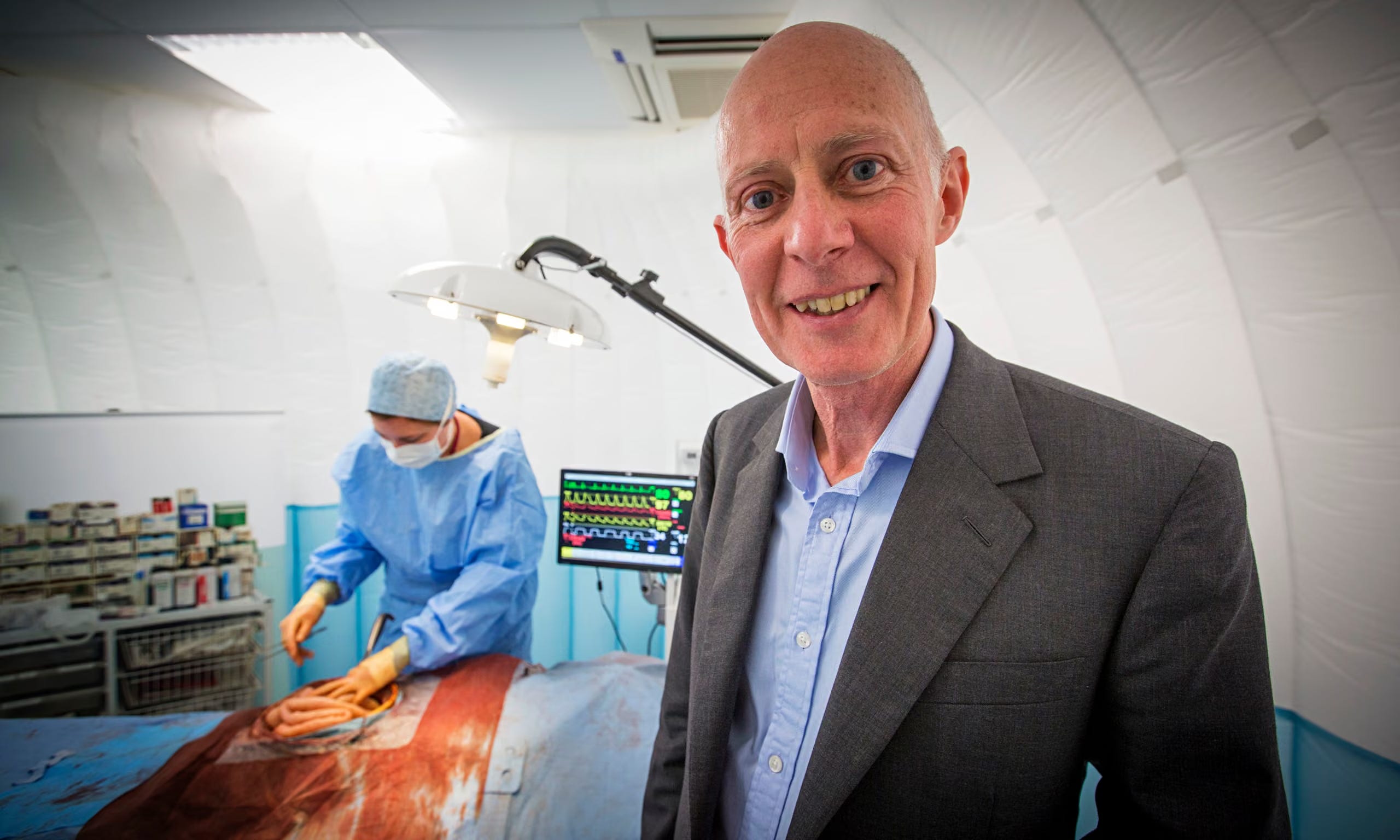
Kneebone was kind enough to invite me to ICCESS to talk through their latest research. While ICCESS spins many plates, Kneebone and Chacon took me deep into two strands of work: one addressing knife crime through simulation and unconventional storytelling, another using 3D-printed neonatal bodies to train surgeons for the rarest and most difficult operations.
If you went to school in Britain, you’ll know that knife-crime prevention education is something of a blunt instrument.
As a child, one of my best friends got kidnapped by his teachers, left in an abandoned room with a (supposed) actor playing the role of a drug addict. The actor attempted to sell them drugs, then threatened to stab them all. Suffice to say, it traumatised my friend. Yet, many of his classmates went on to get involved in drugs and knife crime.
This “terror theatre” approach has been the standard model for decades. The idea that shock sparks behavioural change sounds good, but the evidence suggests otherwise. A systematic review by the Youth Endowment Fund found six evaluations of knife crime education programmes across the UK and US. None measured any impact on reducing actual violence.
Worse, research on “Scared Straight” programmes — which used prison visits and inmate confrontation to deter juvenile offending — found that the intervention causes more harm than doing nothing.
The meta-analysis concluded that the more brutal and vulgar the presentation, the more likely it produces a backfire effect, intensifying rather than deterring the behaviour it sought to prevent.
Rather than attempt to scare children straight, Kneebone and Chacon have pursued a different path, called “sequential simulation”.
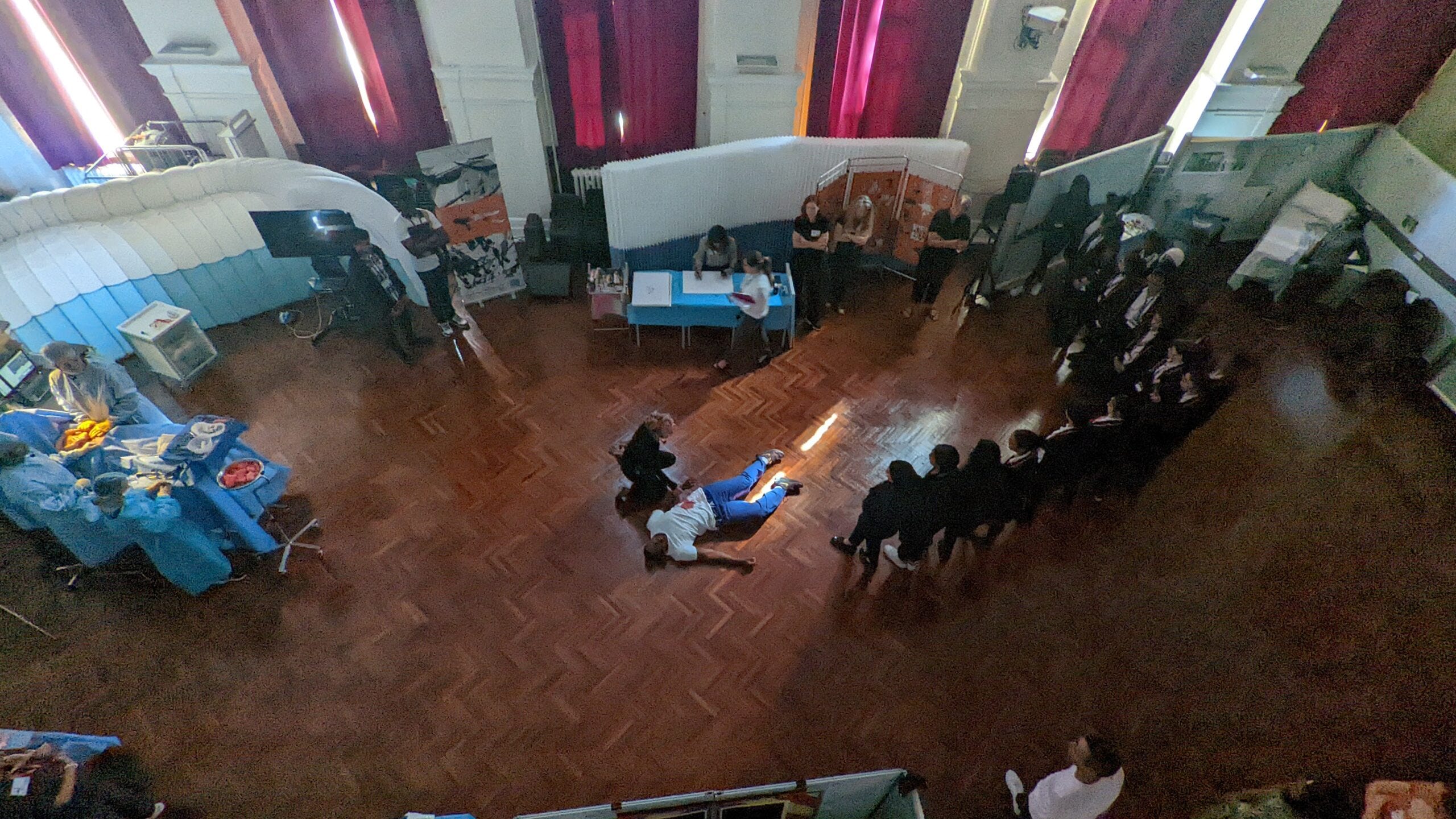
Developed at ICCESS, these simulations avoid presenting knife violence as a spectacle of terror. Instead, they deliver highly immersive journeys of cause and consequence, based on real-life stories and experiences of young people affected by serious violence. Participants first engage with the story through immersive virtual reality before transitioning into carefully designed physical simulation environments—ambulances, operating theatres, hospital rooms—where they experience the clinical and personal consequences of serious violence.
These exceptionally realistic simulations feature handmade silicone models representing traumatic injuries, allowing clinicians to demonstrate lifesaving procedures such as bowel surgery and stoma formation. But Kneebone notes that “young people often come in expecting to see the violence itself, but that’s rarely what stays with them. What they remember are the consequences: the ambulance journey, the emergency surgery, the conversations with family members.”
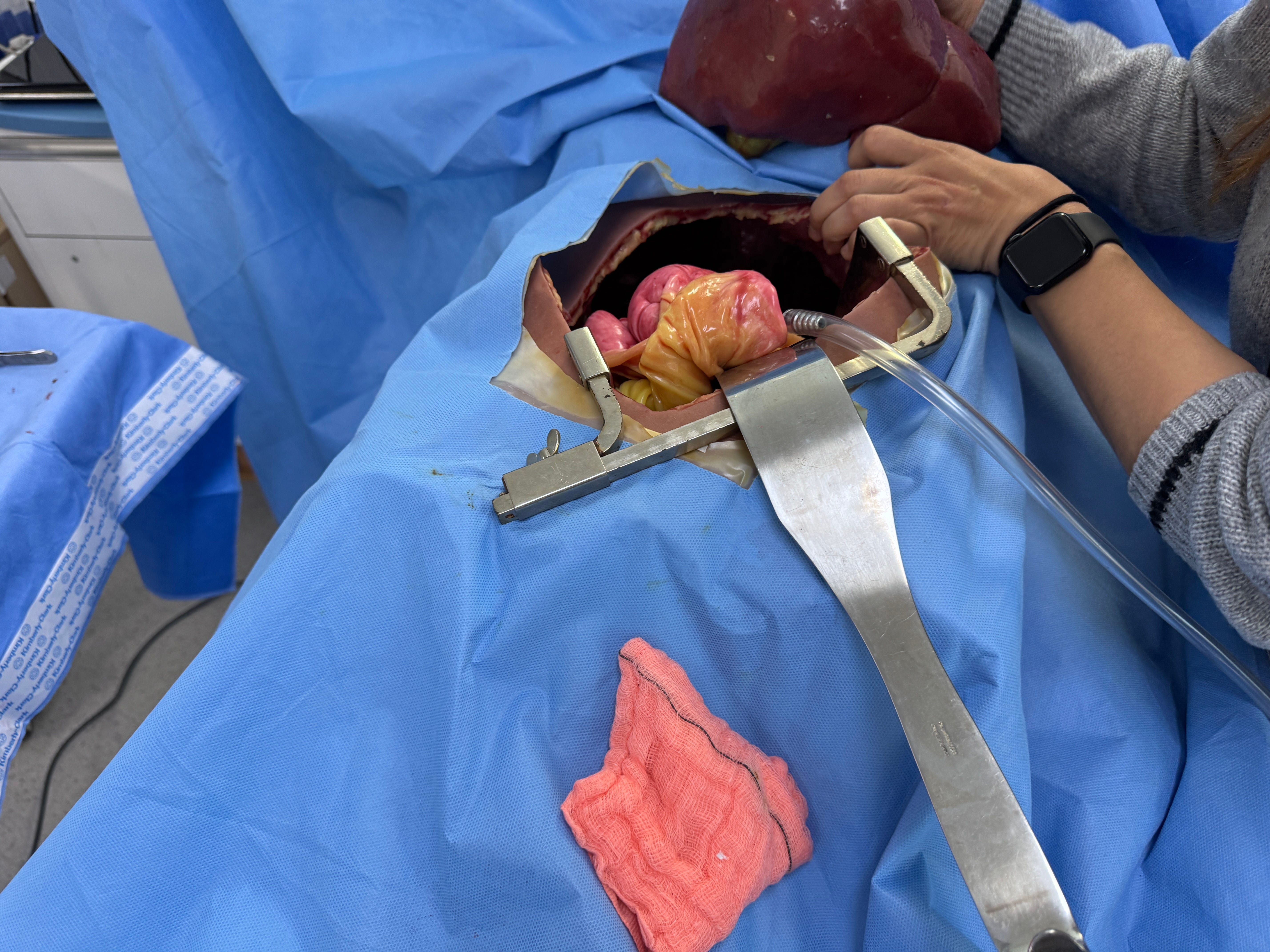
By involving real paramedics, surgeons and healthcare professionals, and by focusing on authentic experiences rather than shock tactics, Kneebone’s programme pursues what medical educators call “embodied learning” — which has been consistently proven to generate more enduring behaviour change.
The programme has a two-phase structure. Participants complete the first stage, then return weeks later. In that time between, something shifts. Kneebone explains: “The time in between gives young people space to reflect, talk with peers and family, and process what they have experienced. When they return, many engage in deeper conversations, ask more challenging questions and show a greater awareness of how knife violence can affect individuals, families and communities. For us, that’s where the real learning happens.”
A paper in Advances in Simulation by Tribe, Harris and Kneebone found that the vast majority of participants recalled details of the experience and declared high reluctance to carry a knife.
Elsewhere in the ICCESS lab, Kneebone and Chacon showed me something one would more likely expect to find in the V&A than a hospital: a hand-embroidered textile storybook representing the human body after a stabbing injury.
Inspired by Alexis Carrel’s interest in lacemakers and the craft-science continuum, Kneebone invited Fleur Oakes, a lacemaker and 3D embroiderer, to translate the wisdom the other way. Fleur is one of the world’s leading textile artists. When she and Kneebone first met, he was astonished by her delicacy and precision with needles and thread.
Trained in fine art and fashion design, Fleur had never been in an operating theatre. Kneebone arranged for her to become the embroiderer-in-residence at Imperial College’s vascular surgery unit in 2012. She spent the next few years observing Professor Colin Bicknell and his team carrying out complex operations on patients with diseased arteries and veins, then creating unique works of textile art.
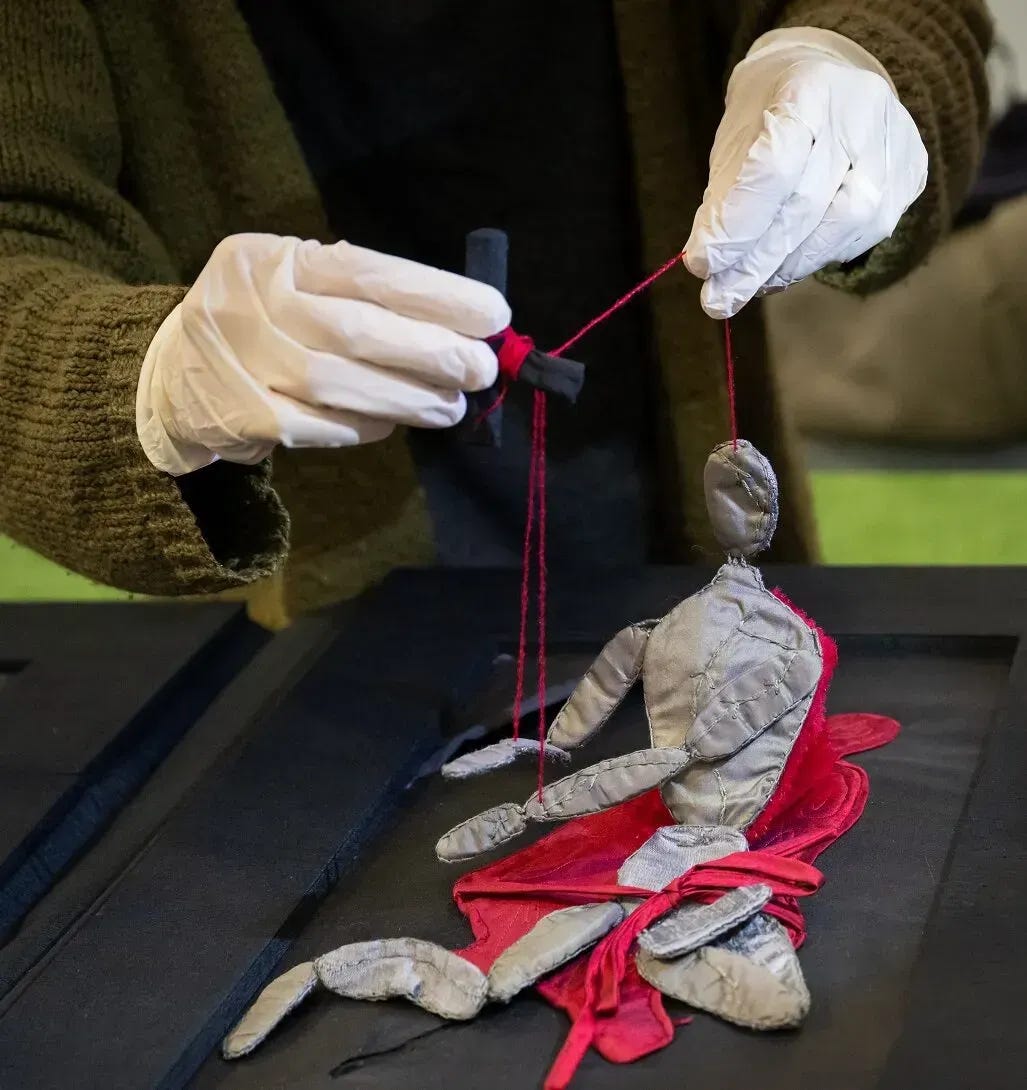
After eighteen months of observation and creation, Oakes produced Somebody: a textile representation of the body’s layers, with exquisite fabrics representing different kinds of physical damage mirrored by unseen psychological scars. Kneebone sees the work as more than a book, but a work of art. It’s performed to young people by theatre director and puppeteer Rachel Warr.
A stab wound is a horrifying thing. High-fidelity storytelling and images can have the same effect of scaring children into justifying carrying a knife for protection. But Oakes’s storybook and Warr’s puppetry work differently —hypnotic without being didactic, simply explaining the medical and human anatomy of a stabbing, creating space for children to reflect and draw their own conclusions without relying on fear-based messaging.
This is a perfect example of actually existing artisanal intelligence in a very specific domain.
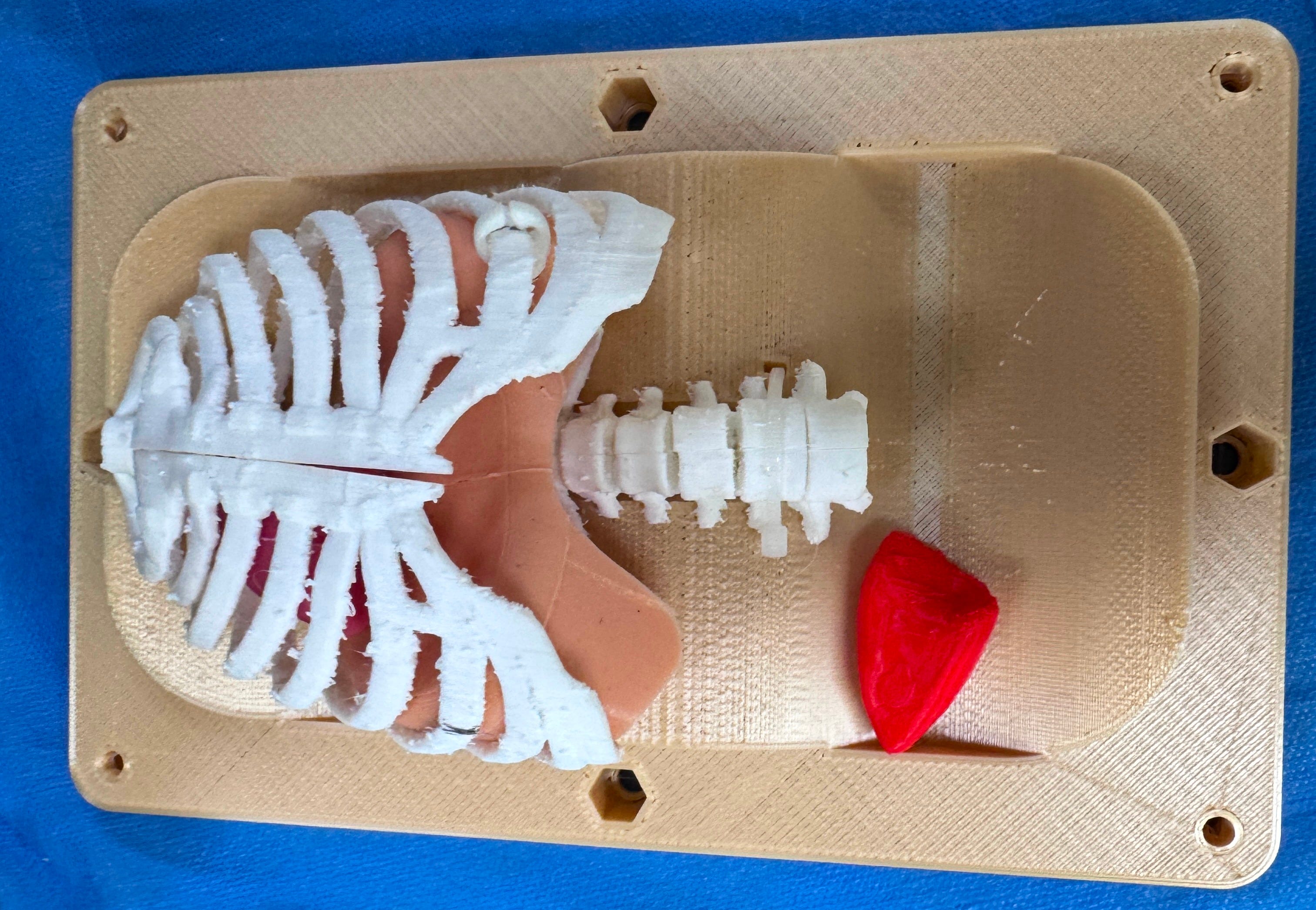
From knife crime to precision surgery, the remainder of my tour explored the role of 3D printing in transforming elite performance in surgery.
On the workbench sat models of ribcages, silicone organs, and tiny anatomically accurate 3D-printed neonatal bodies. Beyond SHARP, ICCESS is pioneering a programme that 3D prints moulds, casts them in silicone, and builds surgical phantoms for practice. For Chacon, this work sits at the intersection of what medicine has always been: “a craft as much as a science.” What ICCESS does is take something that exists only as pixels on a screen — a CT scan — and turn it into something that can be held, explored and learned from. An engineer’s understanding of materials combines with a surgeon’s understanding of anatomy.
Chacon trained as a paediatric surgeon in Venezuela, where simulation barely existed. She learned because she had to — there was rarely the luxury of rehearsal. That experience shapes her conviction now: medicine depends on opportunities to practise, reflect and make mistakes in a safe environment before it matters most.
Chacon explains that conditions such as oesophageal atresia with tracheoesophageal fistula occur when a baby is born with the oesophagus ending in a blind pouch and an abnormal connection between the oesophagus and the trachea. Surgery must happen within 48 hours. It’s so rare that many paediatric surgeons will operate only a handful of times in their career.
One simply cannot learn these procedures by watching, but failure is catastrophic. The ICCESS team, led by Fernando Bello, 3D printed these models from CT scans of actual patients. The ribcage is printed rigid. The internal structures—oesophageal pouches and veins—are cast in platinum-catalysed silicone with exactly the right hardness to feel like tissue.
While still in early stages, an initial survey of forty paediatric surgeons validated the model, rating it 4.9/5 for surgical utility.
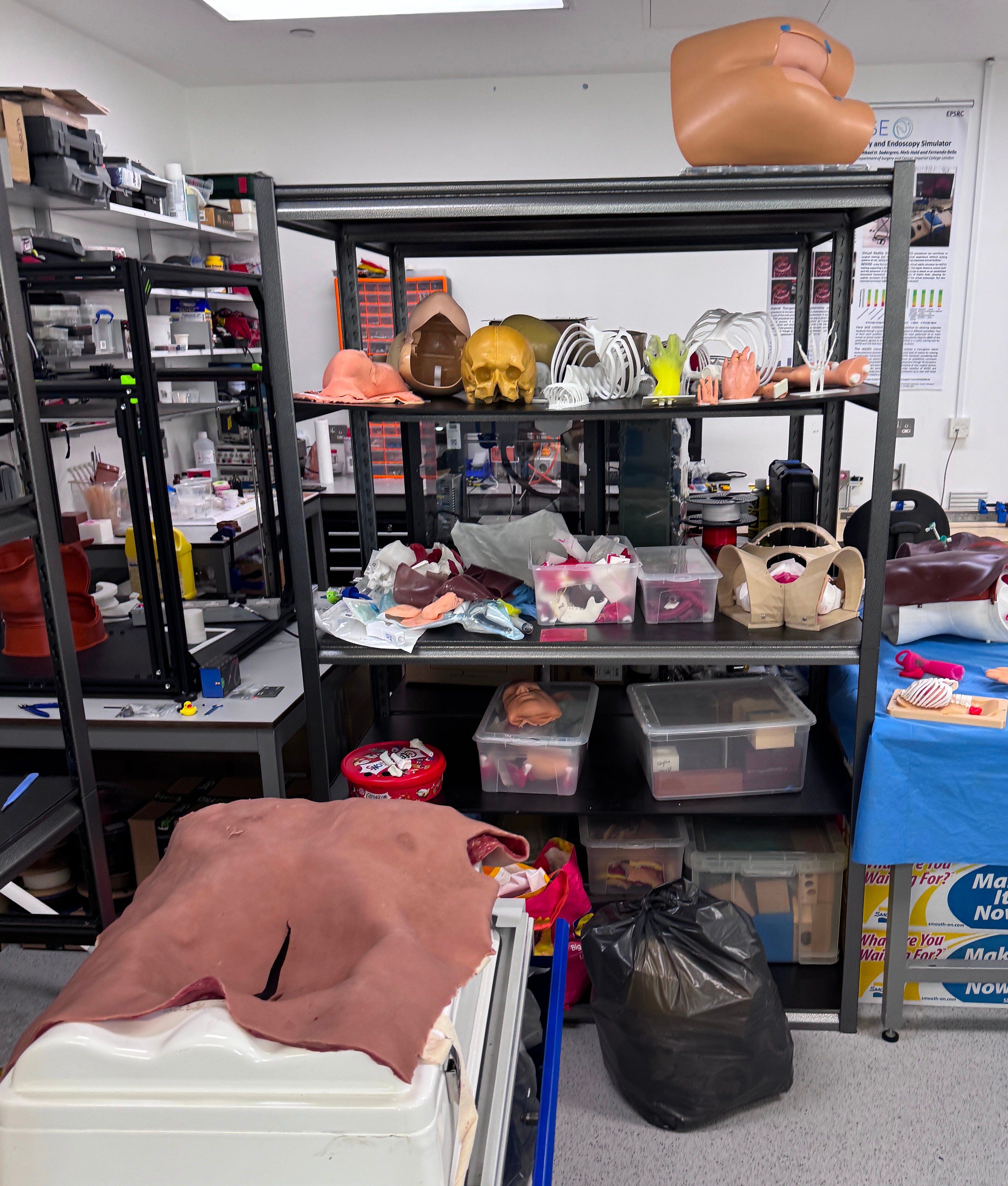
Without going too techno-craft-utopian, ICCESS’s adventures in craft and technology are illustrative of a different way of conceiving the future of work, health, and technology.
There is endless discourse around automation and cutting-edge technology destroying jobs. Yet few talk about how technology—in symbiosis with an artisanally intelligent way of thinking about the world—could solve problems so difficult and so historically expensive to address that nobody bothered until now.
The work at ICCESS rests on a simple conviction that treating sick and injured people depends not just on science and medical knowledge, but on craftsmanship and emotional sensitivity. The same applies to engaging with young people about knife-related harm. SHARP combines all four — science, medical knowledge, craftsmanship, emotional sensitivity — with young people themselves at the centre. It’s that combination, Kneebone believes, that might help them grow up in a safer world.
Long-time readers of Nation of Artisans already know that I am fascinated by how craft and technology can come together to transform culture and aesthetics, but my interests go much further and ICCESS is the exact type of frontier I want to explore further through the £60,000 Cræft Prize.
Where else could craft, science and technology come together? In mental health treatment? In disaster response? In designing cities? In education itself? If you have ideas, get in touch.
If you’re a maker, doctor, technologist, educator, or institution interested in the work that ICCESS is doing—please also get in touch. Particularly if you want to see ICCESS work go further.
Comments
Nothing yet. Say the first thing.
Sign in to join the conversation.