
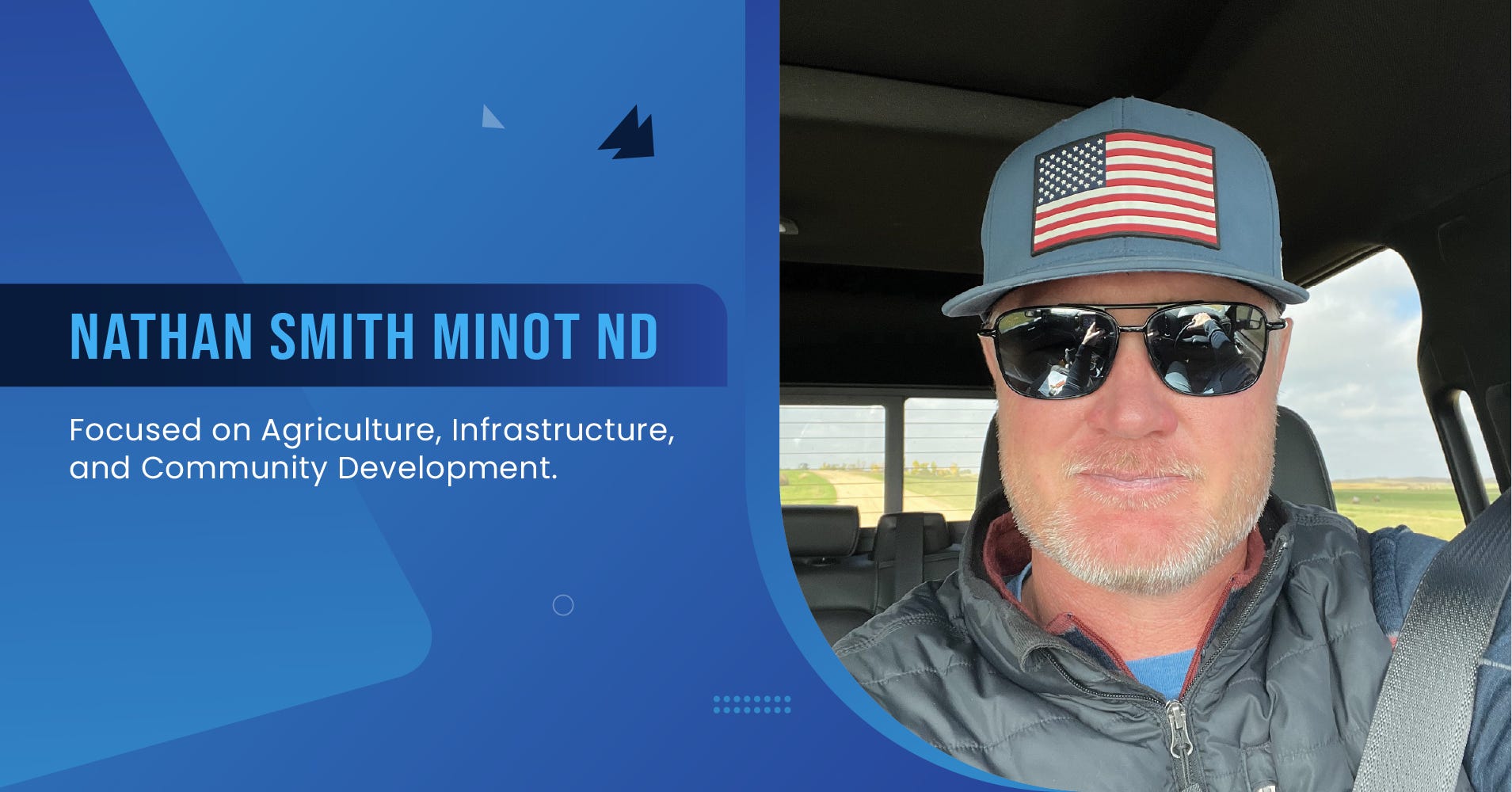
As noted by Nathan Smith Minot ND, farming is no longer just about soil, seeds, and weather. It is becoming a data-driven system where decisions are guided by technology and real-time insights. This shift, often called digital agriculture, is changing how farmers grow food, manage land, and sell their crops. It is helping create a more efficient and predictable farming system, especially at a time when climate change and rising costs are putting pressure on global food production.
At the heart of this transformation is data. Farmers can now collect information from sensors placed in their fields. These tools measure soil moisture, temperature, and nutrient levels. Instead of relying only on experience or visual checks, farmers can make decisions based on actual numbers. This reduces guesswork and improves results. Even small changes in irrigation or fertilization can lead to better crop health and higher yields.
Weather prediction tools are also becoming more accurate and accessible. Farmers can check forecasts on their phones and plan their activities more effectively. For example, they can avoid planting right before heavy rain or schedule irrigation during dry periods. This helps reduce crop loss and improves overall efficiency. In many regions, this simple access to weather data has already made a noticeable difference in farm productivity.
Another major change is how technology helps with pest and disease control. In traditional farming, pests are often noticed too late, after damage has already spread. Now, digital monitoring systems can detect early signs of infestation. Farmers receive alerts and can take action quickly. This early response reduces the need for heavy pesticide use and helps protect both crops and the environment.
Training and knowledge sharing have also become easier. Farmers can learn new techniques through online videos, digital guides, and virtual training programs. This fast flow of information helps them adopt better practices without waiting for in-person support. It also encourages younger generations to stay involved in agriculture, since farming now feels more connected to modern technology.
Despite all these advancements, human experience still plays a key role. Technology does not replace farmers. Instead, it supports their decisions. The best results come when traditional knowledge and digital tools work together. A farmer’s understanding of land conditions, combined with real-time data, creates stronger outcomes than either one alone.
The future of farming will likely become even more connected. Artificial intelligence may help predict crop diseases before they appear. Automated machines may handle planting and harvesting with greater precision. However, the goal will remain the same. It is about producing more food with fewer resources while protecting the land for future generations.
Digital agriculture is not just a trend. It is a long-term shift in how food systems operate. As more farmers adopt these tools, agriculture becomes smarter, more stable, and more sustainable. This transformation is already underway, and it is reshaping farming into a more resilient and technology-driven industry.
No posts
Comments
Nothing yet. Say the first thing.
Sign in to join the conversation.