
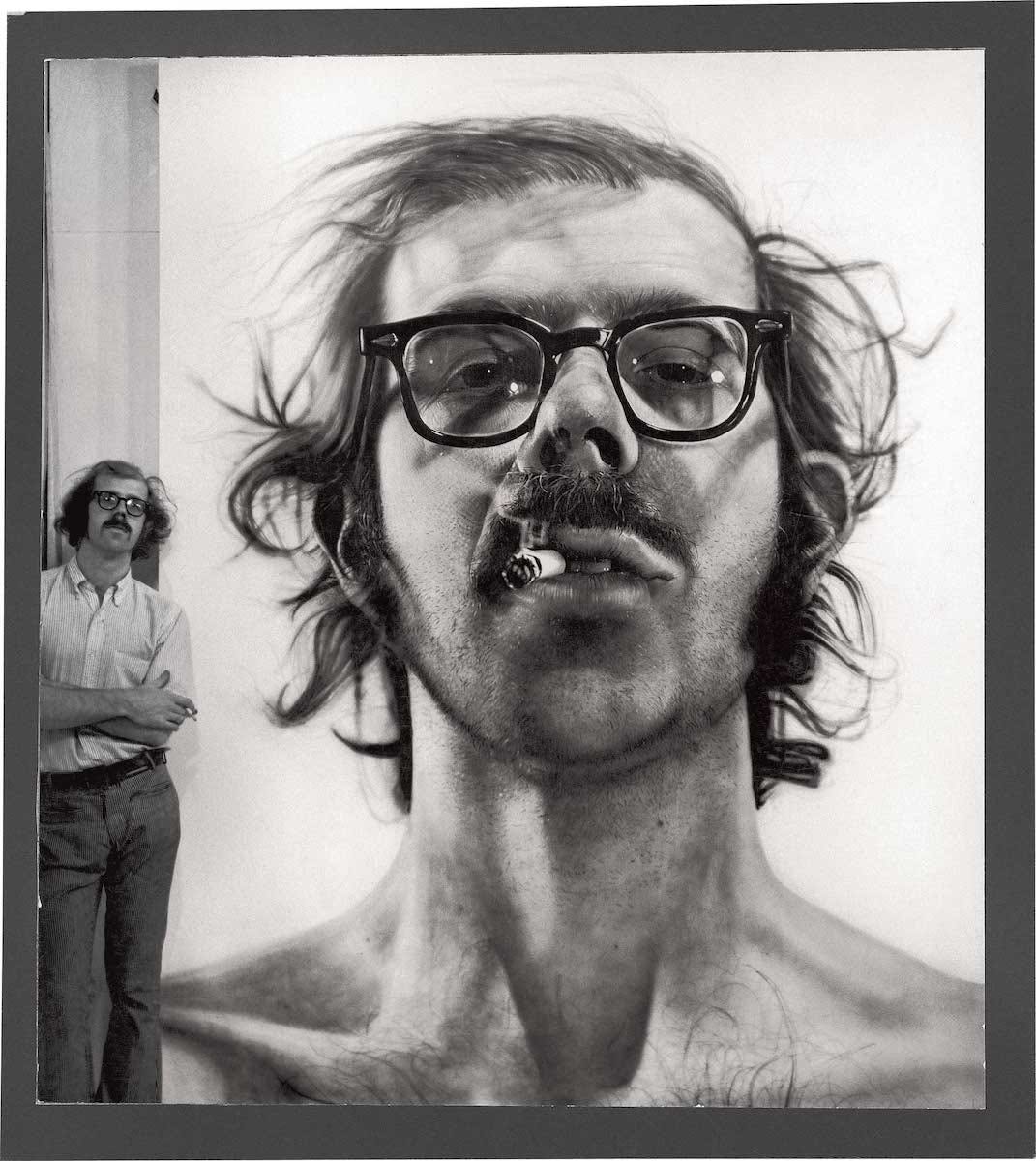
It’s a cliche, but I really do believe in what Chuck Close said about artistic practice: “Inspiration is for amateurs. The rest of us just show up and get to work.”
You should make your art with regularity. You should stick to it. You should show up.
If you only make work when you feel moved to do so, the focus of your practice remains on you. This means your art is determined by whim, accident, and circumstance. It sets you up to make work that is necessarily attached to your individuality, your personality, your ego.
Waiting for inspiration is kind of just waiting until you feel like it.
More importantly, tying your artistic practice to inspiration DOESN’T WORK. Most of us—pretty much all of us—who make any kind of art have to do it in the small pockets of time we can find when we’re not working for money, going to school, taking care of kids, cleaning up our homes, or running errands. We don’t get to do it when we feel like it. We get to do it when there’s time to do it.
Artists who can wait for inspiration before they start working are the people who don’t have to go to a dumb job. They have other people clean their homes and help with their children. They’re rich people. And I don’t care about the art they make.
You’re a real person and want to make art. You deserve to get to do it. You don’t need inspiration, you need a schedule. It needs to be a realistic schedule, and you need to stick to it. That’s how you’ll make stuff.
Comics are particularly good for this. With comics, you can decide on a predetermined grid, or number of panels that you want to fill every day (or every other day, or every weekend). Then, you adapt your idea to fit that number of panels. You don’t waste time figuring out the format or the shape your idea needs to take, you’ve already decided on that.
That means you can just show up and get to work.
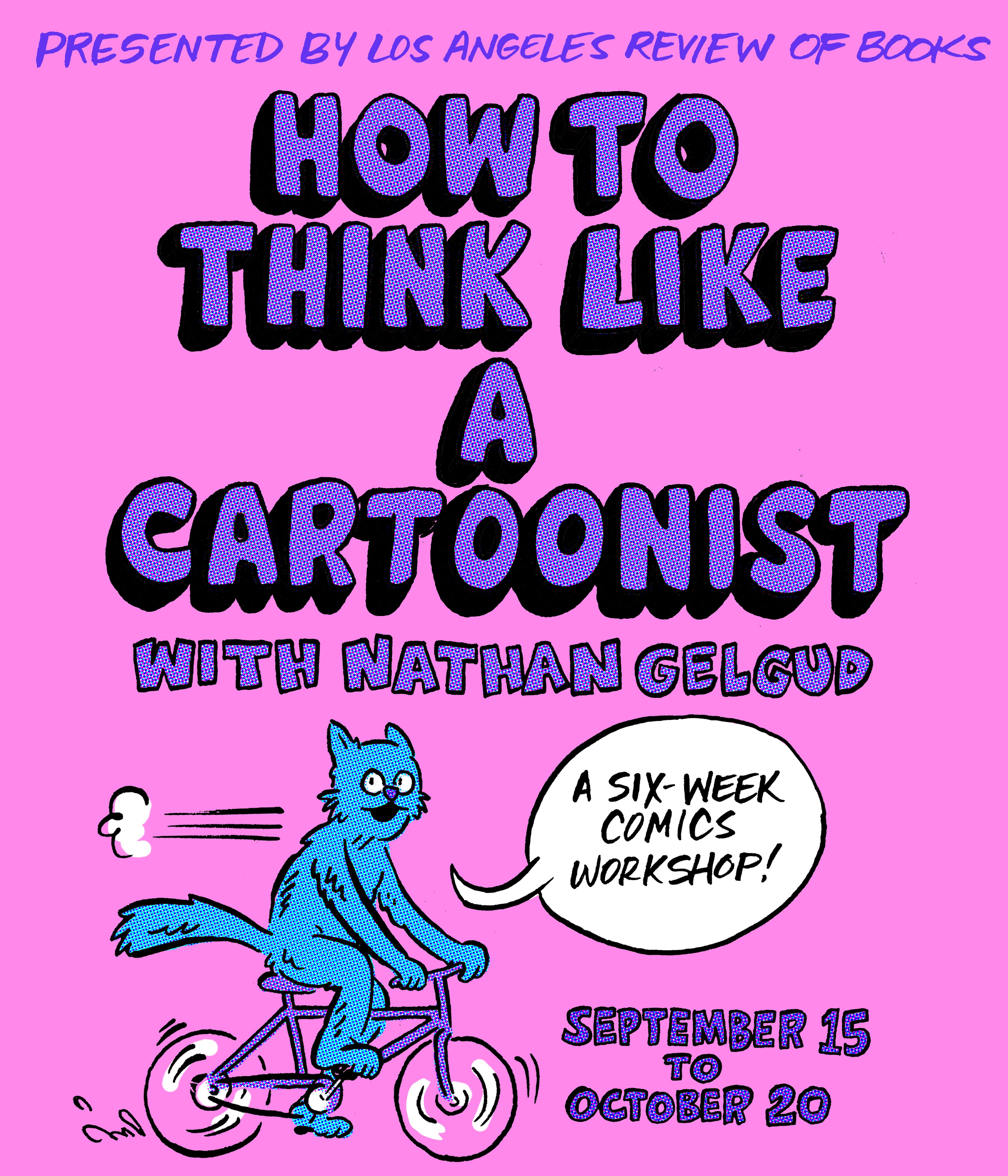
I’ve teamed up with the Los Angeles Review of Books to teach a SIX WEEK online comics workshop starting in September. For the past few months I’ve been running 3-hour single-session workshops and anyone who has taken one can tell you they are DENSE. This series will give me the opportunity to open things up a bit. And it will be a chance for participants to:
work together from week to week
develop a writing and cartooning schedule that actually works
read and discuss the work of other cartoonists whose comics will help you make more of your own work
You don’t have to be good at drawing. You don’t need to know a lot about comics.
Each class is two hours. Every participant will also receive (if they want it) a one-on-one workshop with me where we can discuss whatever you think I can help you with. The focus of the class is getting you to MAKE COMICS.
No posts
Comments
Nothing yet. Say the first thing.
Sign in to join the conversation.