
The following is an essay I wrote in 2024, before I moved to Substack, in the midst of the last election cycle. But while the global stage is discussed here, I hope this piece successfully shifts your focus from that to the true heart of the matter. A more personal matter.

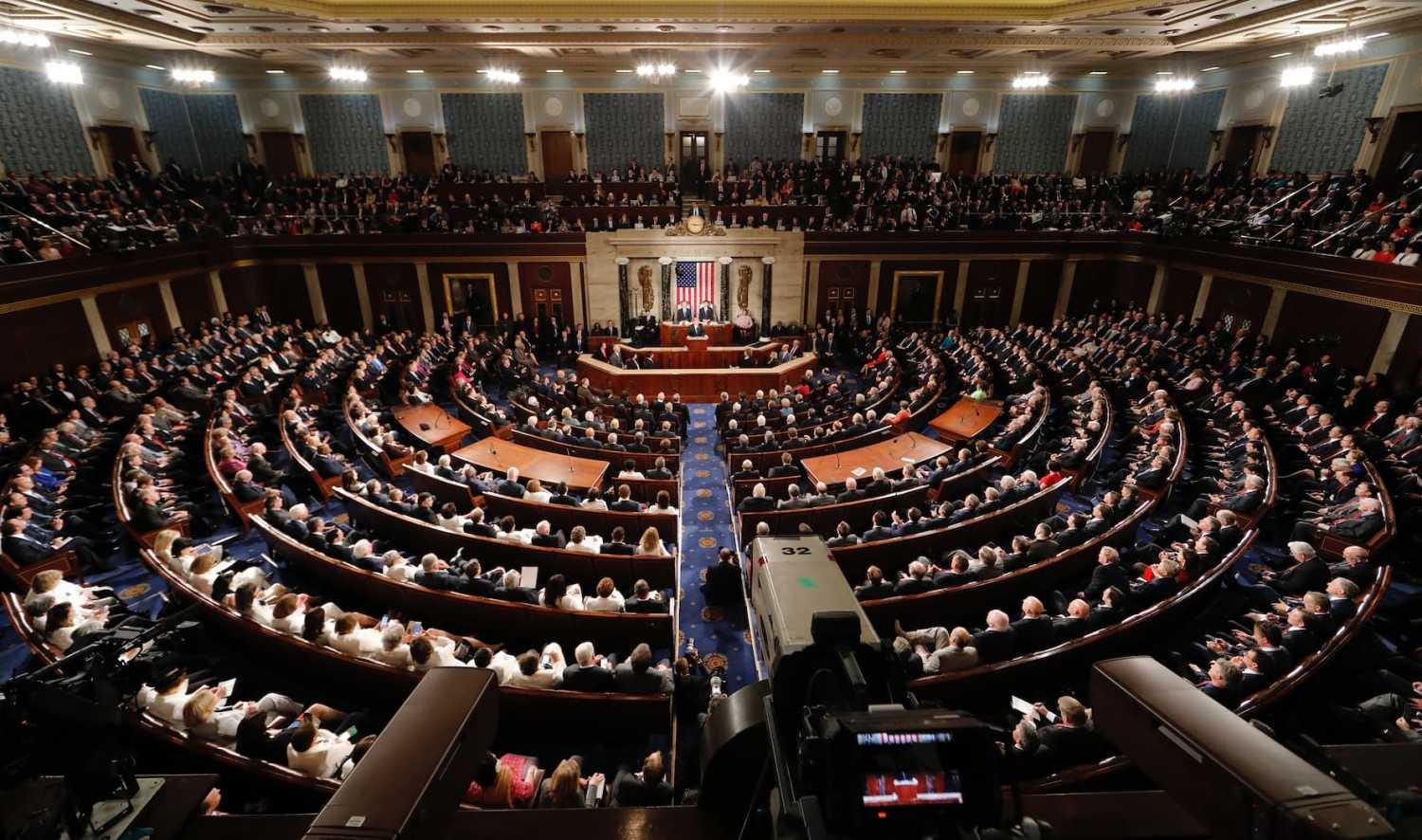
I’m part of the death camps, the gulags, and the genocides.
I’m part of the bi-partisan corruption, the tyranny of the elite, and the self-destructive activists.
I’m part of the absent fathers, the abusive husbands, and the resentful sons.
I may try to justify my innocence, saying I have nothing to do with the sins of the world, that I’m merely an inheritor of circumstance, that surely I would never do such things—yet, the same devils that presided over the gas chambers and in the halls of parliament live in me. And they live in you.
Whenever we recount history, there seems to be an assumption that no one character represents another: Hitler did not represent the German people; the Rape of Nanking did not represent the sentiments in the homeland; political assassins are a small minority that had no bearing on the character of the country as a whole; the liberals and the conservatives are independent of each other and are just as much opposing forces as good and evil, and one must win.
It seems that whenever we observe such societal problems, there’s a tendency to view each player on the world stage as separate, independent actors. But what if this has never been the case?
What if every faction of a society, whether on the domestic stage or the global stage, whether big or small, not only played a part in defining the rest but is also, in some way, a reflection of them?
Put in other words, what if a madman world leader is an avatar of a country that has gone mad?
Carl Jung believed that mankind is a slave to their unconscious. This universal underground basement of the psyche overflows with the accumulated experiences and stories of humanity across time and cultures.
So rather than being independent actors, the players on stage are stringed together in the web of the colossal, mythic drama. Whether we like it or not, whether we acknowledge their reality or not, there are demons lurking below. And these shadows have a nasty habit of erupting onto the societal scene.
Think of nations thrown into the fervor of war. Or the habit of scapegoating entire ethnic populations. Or charismatic leaders who tapped into the minds of their countrymen, unleashing a torrent of emotions that drowned out reason and humanity.
In Jung’s view, policy and power are just proxies: poorly-carved chess pieces in the constant dance with the instincts that lurk within the collective psyche. The challenge before us in our present time is to bring those unconscious motivations into the light, before they drag us into the dark.
Within the unconscious live the archetypes, characters that anthropomorphize the universal patterns and narratives that echo across the ages. They give rise to the recurring themes that weave through the tapestry of human history: the rise of the hero, the descent into tyranny, the advocating for the marginal, the suffering, and the strange.
Viewed through this lens, the charismatic leader is not simply an individual, but an embodiment of an archetype, be it the Wise King, the cunning Trickster, the valiant Hero. A nation in crisis may yearn for such a leader, a bold and decisive defender who would deliver them from the beasts of economic hardship or foreign threats. The populace projects their hopes onto this figure, imbuing him with mythic proportions.
Here we see that the leader is connected to the people by the spirit of the time.
Indeed, we have seen certain charismatic leaders who tapped into the bitterness of his people and ultimately unleashed great monsters upon the world.
And just as the line between light and shadow run through every human heart, so every archetype has two faces. The Wise King, embodying benevolence and foresight, casts the shadow of the Tyrant who holds the world in his rigid fist. The Warrior, fighting against chaos and tyranny, can morph into the face of the ruthless Zealot that seeks to conquer all with unwavering conviction. The nurturing Mother, compassionate for the needy and the outcast, is also the Devouring Mother that snarls at the outside world and stifles her young until they suffocate and self-destruct.
We’ve seen all too often, and are still seeing right now, how easily and quickly these archetypes shift the currents of society. Revolution after revolution.
It may sound strange to you to use the language of being “acted upon” by forces beyond you. Are these ‘spirits’ or mere whimsical emotions? Are they manifestations of a fallen nature, or unseen beings fighting a spiritual war?
The thought of being mere puppets of an unseen world sound foreign and superstitious. But regardless of what they might be, if we think about it, are we really masters of our every thought, emotion, and action? Can we truly claim independence of mind?
We don’t choose our desires and instincts. More than we realize, we live as puppets to their fancies of power and pleasure, and their fancies in turn are influenced by the psychic forces within them. This is why Jung said:
“Until you make the unconscious conscious, it will direct your life and you will call it fate.”
But we don’t have to be puppets dancing at the whim of these archetypes. We can be their partners. This is the work the individual has to do: to integrate the disparate faces in their own psyche.
Because all a society is is a collection of individuals, so the collective is merely a macrocosm of the individual. The only way to heal the many is to heal the one. This is why Aleksandr Solzhenitsyn believed that the individual, while not sharing the collective’s guilt, shares equally in its responsibility.
The leadership of an integrated individual who has done the work is a dance with our shadows. A leader attuned to these primal forces can inspire and unite. To understand world currents, we must delve deep into the wellspring of the human psyche, for it is there that the archetypes reside, wielding the power to elevate or corrupt.
By definition, the shadow is the part of us that we suppress, ignore, and try to pretend doesn’t exist. In addition to suppressing it, we project it onto an external object. We take all the nasty things in the dark corners of our hearts and create a caricature to bear all our evils, a scapegoat that allows us to diassociate the darkness from ourselves.
In this way we create the Devil, that archetypal spiritual enemy on whom we can pin the cause of all our temptations and misdeeds.
We have likewise created lesser devils out of other people, projecting our internal conflicts onto external enemies. We thus justify our thirst for righteous vengeance. The wars we then wage against these scapegoats become the external substitutes for the war that ought to be waged within ourselves. How silly and predictable for humans to treat the symptoms for our maladies rather than the root of the evil.
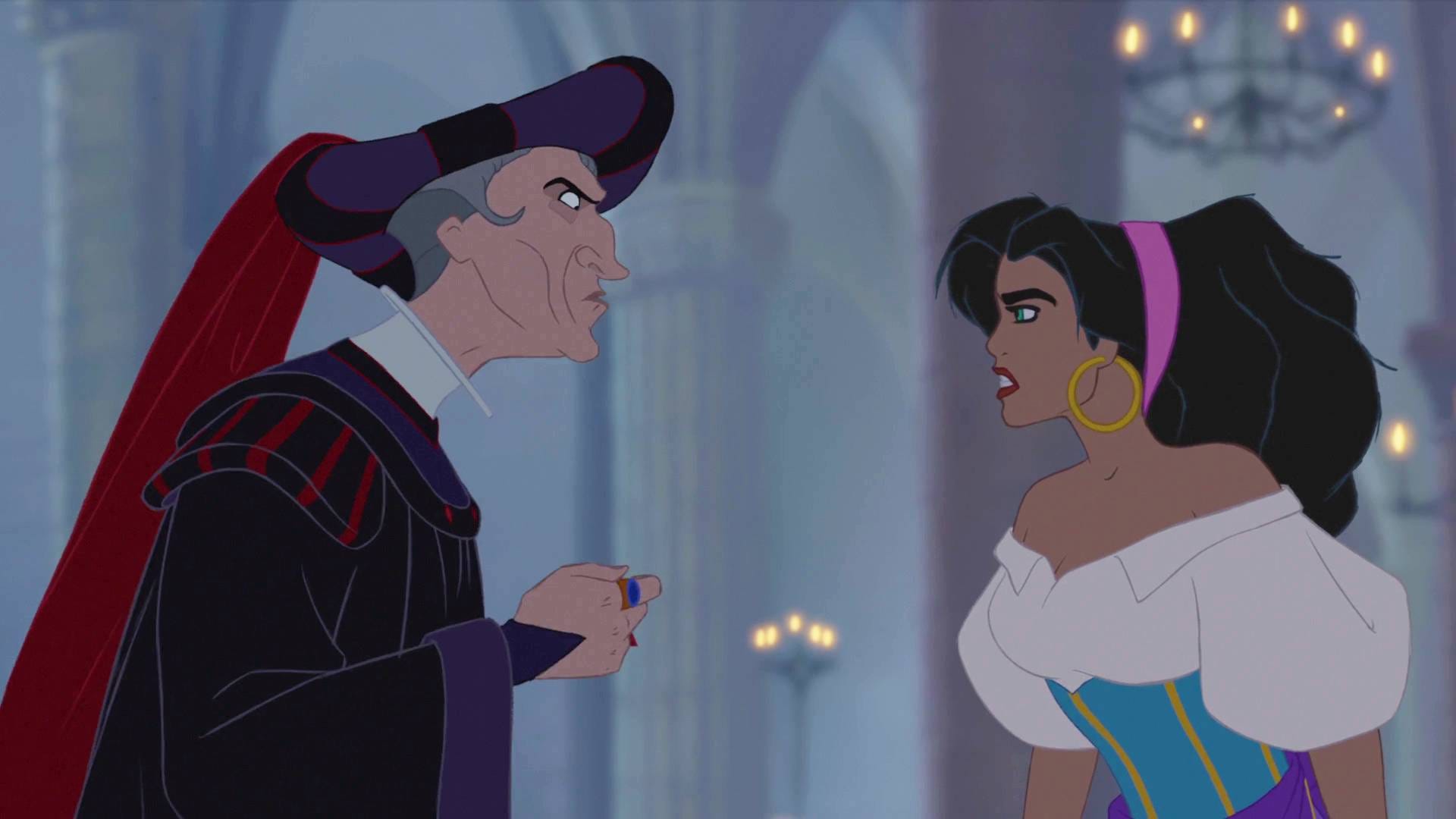
I’m reminded of the character of Frollo in Hunchback of Notre Dame, who struggled with his passion for Esmerelda. Shocked and disgusted by his uncontrollable desire, the archdeacon attempted to disassociate from the perceived evil by identifying the gypsy girl as someone sent by the devil to cause his downfall. He made the internal battle into an external one, and rather than seeking to conquer the devil within, he sought to exterminate the one without.
And he tragically succeeded. The character of Frollo deserves an entire dedicated psychological analysis.
Entire nations and cultures can become possessed by this spirit of the shadow. When Jung observed the Cold War, he believed this was exactly what was happening: each nation convinced themselves that the one on the other side of the Iron Curtain is of the devil. It was always the ‘other’ who was the authoritarian, the corrupt, and the inhumane. Not themselves. Propaganda became the language of the collective deluding itself.
This language continues today: “A threat to democracy;” “A violation of human rights;” “A danger to our way of life.” The enemy is always quite conveniently on the other side of the chasm.
Humanity stands—as it always has—at a crossroads. If we continue the collective refusal to confront the fractured soul within, all talks of “for the greater good,” “for democracy and freedom,” and “for the glory of God” are hollow and inconsequential. They are the words of puppets unaware that they are re-enacting a play that has repeated itself for as long as tribes have existed.
The battleground, then, lies not on distant fields, but within the very fabric of the human soul. It is a battle of self-knowledge, a struggle to bring what is dark into the light, and a necessary step on the weary road towards collective healing and wholeness. For wholeness cannot be achieved by suppressing a whole part of ourselves, even the things that strike us as utterly evil. We attempt to eradicate it, but it’s never gone. Like the dragon under the mountain, it only sleeps.
The way out of these chains is the very same path demonstrated by the archetypal Christ. He did not shy away from evil, but walked into it, became it, and swallowed it whole, with all its anguish and torment. While others saw the enemy in his accusers, he saw the enemy within. He descended into hell… and redeemed it. The soul that does this will arise from the ashes “with healing in their wings.” And from their example, others will know the same wholeness. The individual work will result in collective fruit, and thus will society be transformed. This is why it is said that the nation who walks in these footsteps will be a spring in the desert and will know only peace and blessing.
Comments
Nothing yet. Say the first thing.
Sign in to join the conversation.