
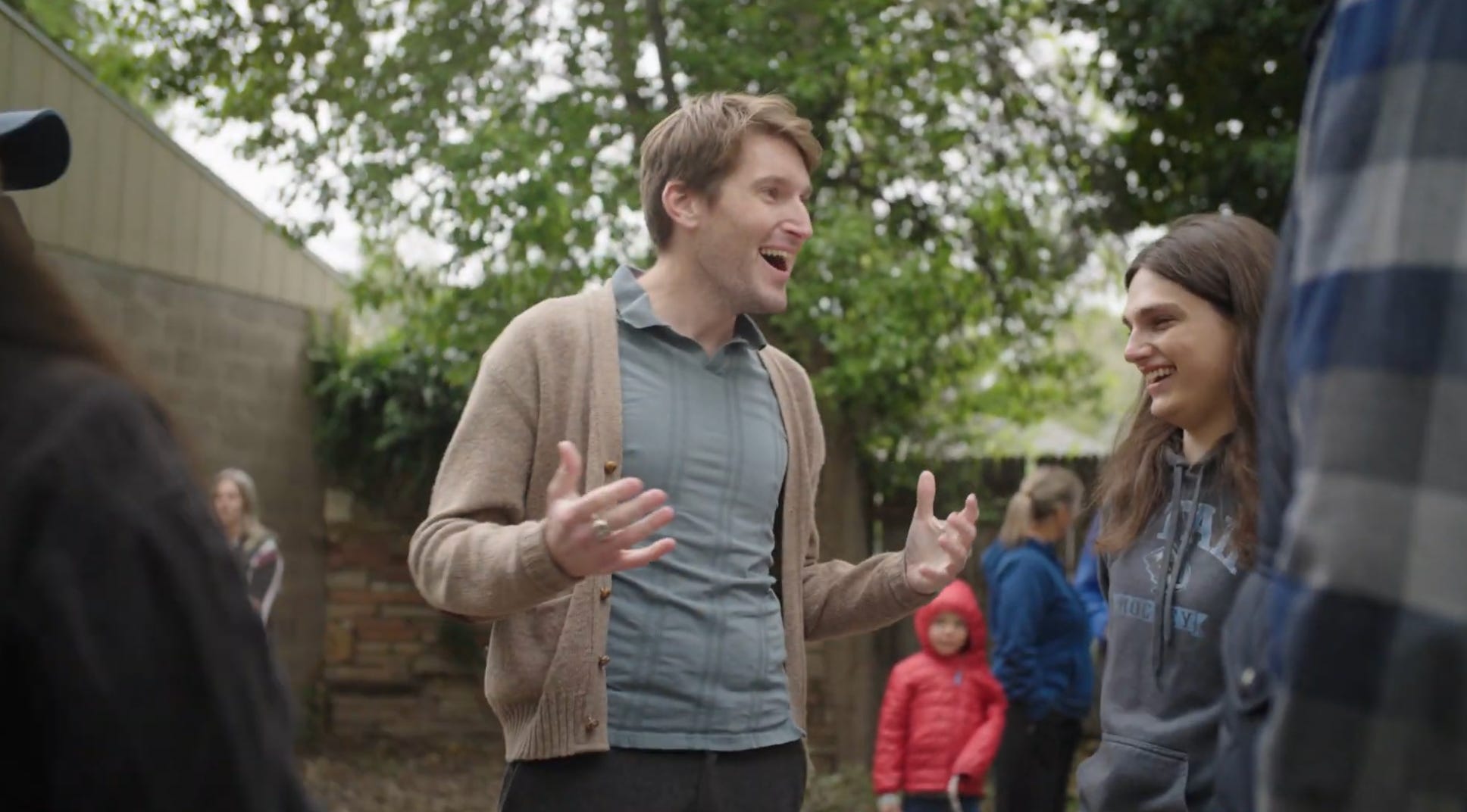
I’ve never thought that being an effective legislator was about taking credit. It’s about showing up when people need you, listening to them, and using whatever power you have to help make things better.
As a legislator, that has meant bringing Great Salt Lake youth advocates to the Capitol so they could speak directly to lawmakers. It has meant helping refugee families find legal support. It has meant fighting harmful legislation and calling out provisions buried deep in bills that otherwise would have slipped through unnoticed. It has meant standing with people who felt like nobody in power was listening.
Recently, my friend Casey shared a video talking about his experience with incarceration and reentry to society. During one of the hardest periods of his life, I visited the prison to talk with incarcerated Utahns about opportunities for change and rehabilitation. After Casey was released, he came to the Capitol to share his lived experience and advocate for reforms that would help others succeed after incarceration. I made time to meet with him and make space for him to share his story on the floor, because his perspective mattered. It creates opportunities for change when lawmakers get to hear the stories of real people and how policy affects him.
That’s what public service should be.
I answer to my community. I show up. I listen when they have concerns. I don’t answer to corporate PACs, billionaire donors, or special interests. My job is to represent the people who sent me to the Capitol.
But I’ll be honest: trying to be everywhere, all at once, can be exhausting.
So I thought I’d give you a glimpse into what campaigning actually looks like.
Most people see the speeches, debates, and social media posts. What they don’t see are the hundreds of small moments that fill every day.
Most weeks start the same way: team meetings, emails, texts, calls, and a calendar that’s already overbooked before Monday morning.
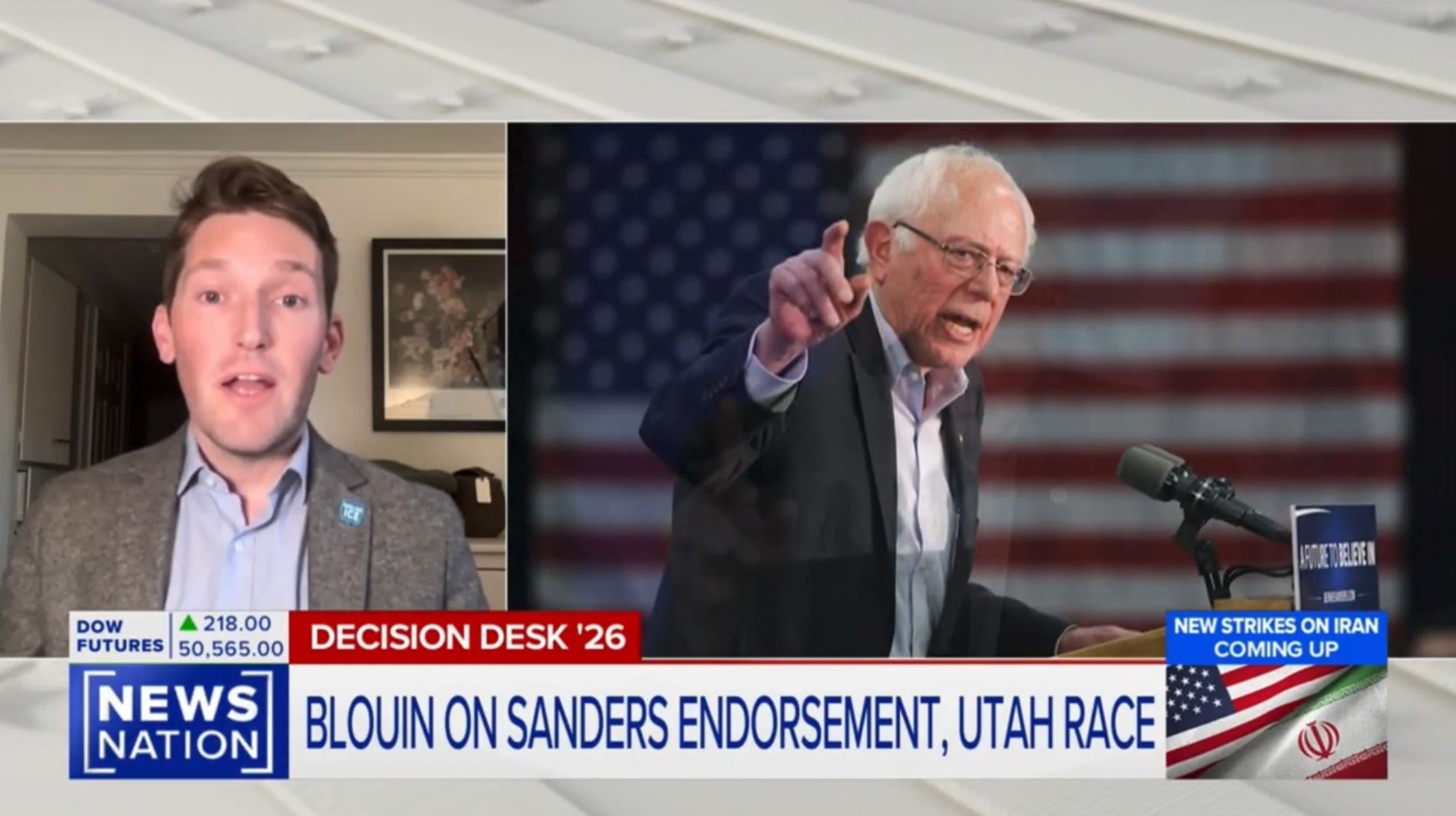
Because we’re running a grassroots campaign without corporate PAC money, media coverage matters a lot. Every interview is an opportunity to reach voters, tell our story, and bring new people into this movement.
That means making myself available whenever possible.
Some of the conversations we’ve said yes to include local outlets like the Deseret News and Salt Lake Tribune, radio appearances with Kearns 411 and NPR’s Washington Desk, streamed interviews with Hasan Piker and Michael Fanone, and national outlets like MSNBC and NewsNation. If someone wants to talk about Utah’s future, I’m happy to have the conversation. Just last week I spoke with Utah News Dispatch, the New York Times, and Telemundo.
Last week included a lively Town Hall with the 71% Coalition and community partners. I committed to holding regular town halls because accountability shouldn’t stop on Election Day.
I had meetings about the future of progressive organizing in our state, and how we can come together to build lasting power for working Utahns. We also popped into a candidate forum downtown to discuss foreign policy, healthcare, and environmental issues.
I participated in a rural Democratic caucus candidate forum. If elected, I won’t just represent one neighborhood or one city. I’ll be the only Democratic member of Congress representing Utah, and that means listening to people across the state, including rural communities that often feel ignored by both parties.
On Thursday evening, I stopped by a Bakers for Palestine fundraiser for ICE protestors before heading to the 999 Ride, a weekly community bike ride in Salt Lake City. It’s become a space for people to gather, build community, and experience joy together - despite the rising presence of cops. In a moment when so many institutions seem determined to make life harder, simply gathering together is an act of resistance.
Friday started with a few hours volunteering at the Homelessness Resource Fair because campaigning should still be rooted in service.
Later that night, I attended Venture Out, a family-friendly field day at Churchill Junior High. Not everyone has the capacity to attend political events, especially when there isn’t built-in childcare, so it’s important to meet working families where they are.
The night ended at Quarters, playing games and hanging out with volunteers. They power this campaign. Every text sent, every door knocked, every voter contacted is possible because ordinary people have stepped up and decided they want to build something better.
Whenever I had a free hour over the past week, I was out knocking doors.
Talking to people on their doorsteps is the best part of campaigning, hands down.
It also reminds me how much of a political bubble many of us live in. Plenty of people don’t even know there’s an election happening. But they care deeply about what’s happening in their lives.
They care about housing costs.
They care about healthcare.
They care about wages.
They care about whether anyone is willing to stand up to corporate power.
The other day I met an older gentleman who had spent the entire day working in his garden under the hot sun. We talked politics for a few minutes, and what mattered to him wasn’t party labels or insider strategy. He wanted someone willing to take on powerful interests and fight for regular people.
You can spend hours looking at polling data, reading reports, and debate strategy. Then you knock on a door and have a real conversation with someone worried about rent, healthcare, wages, or whether anybody in politics actually understands what they’re going through.
That’s where the work happens.
That’s where you remember why you’re running.
And then there was call time, lots and lots of it. Every day.
Because we don’t take corporate PAC money, we rely on regular people chipping in what they can. We have over 10,751 donors who have given an average of $45. That’s something I’m proud of.
But it also means spending a lot of time on the phone asking people to invest in this campaign.
It’s not glamorous. It’s rarely fun. But it’s necessary. A special shoutout to our Finance Director, who has spent countless hours with me on Google Meet throughout this campaign, listening to me chew Clif Bars between calls and encouraging me to keep going when the fundraising grind gets tough.
This all happened in a week. Here’s a look into one single day:
Saturday started with a run.
Then call time.
Then a canvass launch at Fairmont Park.
Then West Valley Pride.
Then Lake Fest at Great Salt Lake State Park.
Then the Heart & Soul Music Stroll in Sugarhouse.
Then it was on to the Murray Block Party.
I wrapped up the day at the Sunset Protest at the ICE detention center.
And somewhere amidst all the campaigning, I try to answer emails, go grocery shopping, and spend time with my wife, Jackie.
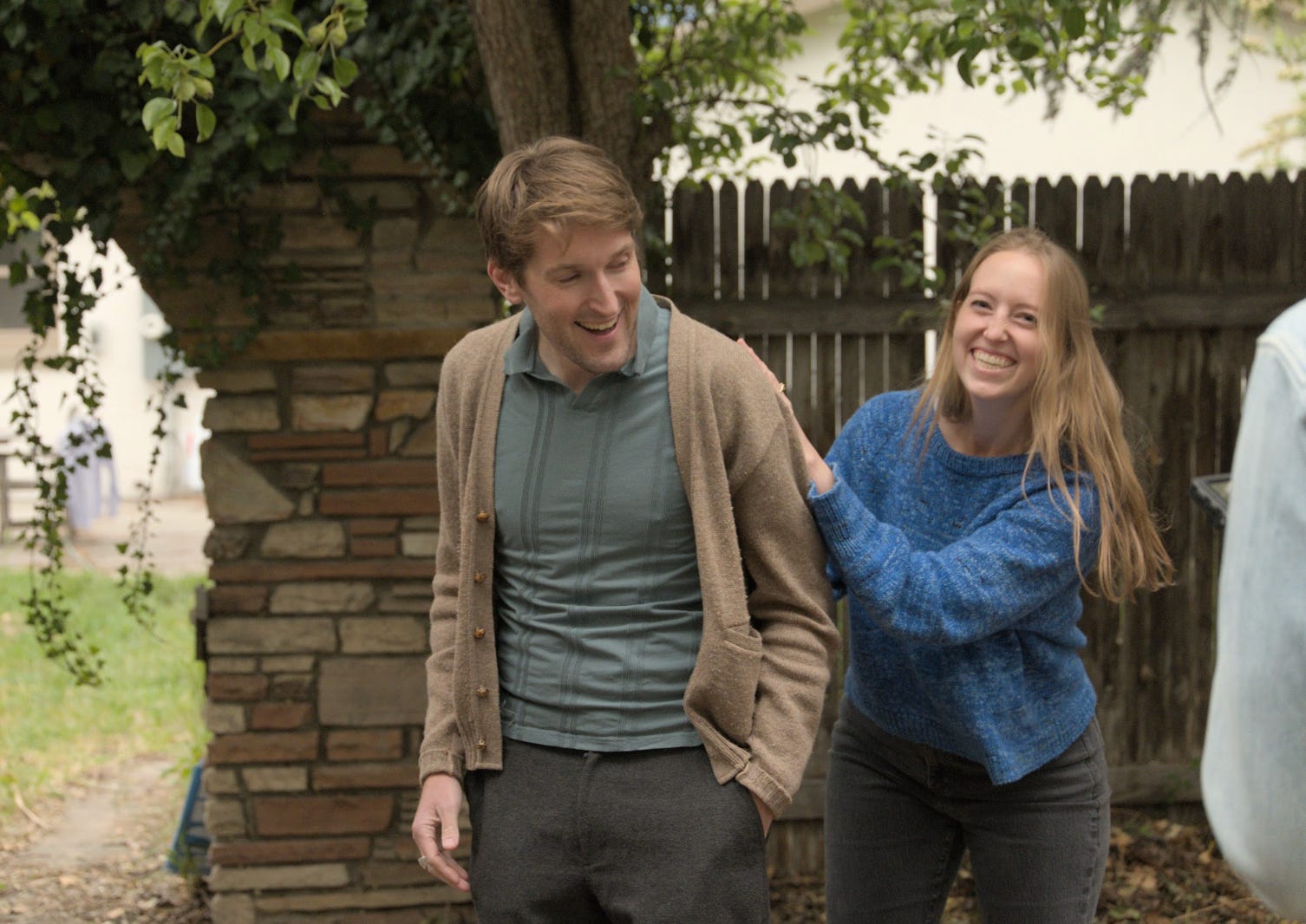
Running for office isn’t easy.
It requires thick skin, endless energy, and a willingness to be under a microscope by thousands of people. That’s the job.
But when people ask me what success looks like, my answer is simple:
Success means showing up and fighting every day.
Showing up for the Great Salt Lake. For workers on picket lines. For refugee families and LGBTQ+ youth. For folks who want to share their story in places of power and for communities that have been told their voices don’t matter. For calling out injustice and pushing a broken system to something better.
The reason this campaign has become a movement is simple: people are hungry for representation that fights for them.
Not billionaire donors.
Not corporate PACs.
Not the political establishment.
People who are tired of being told to wait their turn and accept less deserve leaders willing to stand up and fight.
Because that’s how change happens. One conversation, one community event, one door, and one voter at a time.
We’re in the final stretch. Chip in today to help us reach the voters who still haven’t turned in their ballots before Election Day.
In solidarity,
Nate
No posts
Comments
Nothing yet. Say the first thing.
Sign in to join the conversation.