
Summary of this article: If you’ve been in the scanner hobby for a long time, you might have started with a tunable receiver, migrated to crystal scanners, moved on to programmable scanners and now are using computers to program your scanners. Follow along below as the editor discusses where we’ve been and all the changes over the past 70 years.
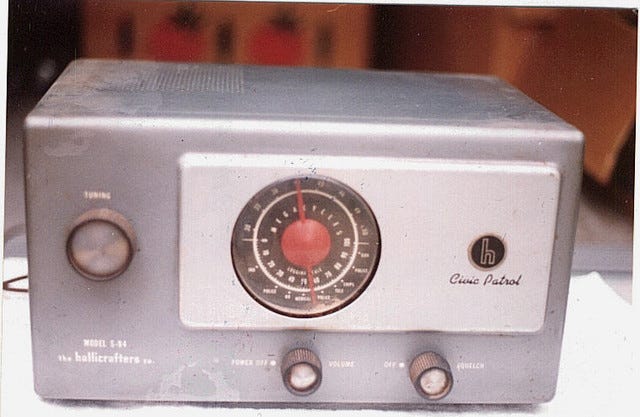
The past seven decades has given me a front seat to an amazing ride in the scanner hobby. As I look back, it’s incredible to think about how far we’ve come — from tunable VHF receivers to plugging in individual quartz crystals, and finally arriving at today’s computer-programmable radios. Today’s modern scanners give us real-time intelligence and insight into local radio traffic that monitorists of decades past could only dream about. Come along below as we look back at where the hobby began and where it is today.
Comments
Nothing yet. Say the first thing.
Sign in to join the conversation.