
Over the past two months, NACARE chapters have continued educating communities, expanding harm reduction efforts, and promoting evidence-based solutions to the opioid crisis. This month, we take a deeper look at one of today's biggest public health questions!
When discussing the opioid crisis, one of the first solutions that comes to mind is naloxone (Narcan). Over the past decade, increased access to naloxone has saved thousands of lives by reversing opioid overdoses and giving individuals another chance at recovery. Organizations like NACARE have worked to expand naloxone education and distribution, ensuring communities are prepared to respond in emergency situations. However, as overdose deaths continue to impact families across the country, an important question remains: Are we placing enough emphasis on preventing addiction before it begins?
To explore this topic, NACARE interviewed Ken Gutierrez, Prevention Manager at HIV Alliance, and Dr. Caleb Banta-Green, Research Professor at the University of Washington and Director of the Center for Community-Engaged Drug Education, Epidemiology, and Research. Although their professional backgrounds differ, both experts shared a common message: naloxone is an essential part of the solution, but it is only one piece of a much larger public health response.
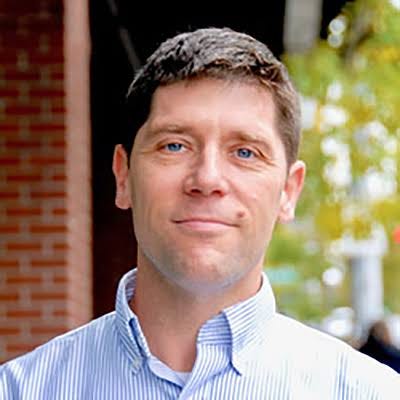
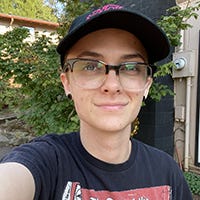
Both experts agreed that naloxone remains one of the most effective tools available to prevent fatal opioid overdoses. Every overdose reversal represents an opportunity for someone to receive treatment, reconnect with loved ones, and continue their life. Yet they also emphasized that naloxone should not be mistaken for a solution to the underlying causes of addiction.
Gutierrez explained that while naloxone prevents overdose deaths, it does not prevent overdoses themselves. Instead, it serves as an emergency intervention after an overdose has already occurred. Dr. Banta-Green echoed this idea, describing naloxone as the beginning of a much larger conversation. He explained that simply distributing naloxone without improving access to treatment, recovery resources, and education leaves many of the root causes of opioid use disorder unaddressed.
When asked what true prevention looks like, both experts shifted the conversation away from drugs themselves and toward the experiences that often precede substance use.
Gutierrez emphasized the importance of addressing social determinants of health, including stable housing, food security, employment, mental health services, and supportive communities. Without these basic needs, many individuals turn to substances as a way to cope with chronic stress or trauma.
Dr. Banta-Green focused on childhood and adolescent experiences, explaining that adverse childhood experiences, trauma, and unmanaged emotional stress are among the strongest predictors of future substance use disorders. He stressed that prevention begins by supporting families, schools, and young people with the resources needed to build resilience and healthy coping strategies long before substance use ever begins.
Together, these perspectives reinforce an important idea: preventing addiction requires investing in people before they ever reach a point of crisis.
One of the most thought-provoking questions asked during the interviews was where additional funding should be directed if resources were limited.
Dr. Banta-Green shared that his highest priority would be expanding access to evidence-based medications for opioid use disorder, such as buprenorphine and methadone, while also improving access to mental health care, housing support, and counseling services. He noted that treatment, recovery, and harm reduction should not compete with one another but instead work together as complementary approaches to care. Recovery is rarely a straight line, making continued support essential throughout an individual’s journey.
Similarly, Gutierrez highlighted the importance of investing in prevention efforts that address the underlying conditions contributing to addiction, emphasizing that long-term improvements require looking beyond emergency response and strengthening community support systems.
One area where the interviews offered different, yet complementary, perspectives was naloxone distribution.
Gutierrez expressed hope that carrying naloxone will eventually become as common as carrying a first aid kit or knowing CPR; which is a normal part of community preparedness that reduces stigma and empowers individuals to respond during emergencies.
Dr. Banta-Green agreed that naloxone should always be available to those most likely to encounter an overdose, particularly individuals who use opioids and the people closest to them. However, he also emphasized that if communities have an opportunity to educate the public, those conversations should extend beyond overdose response to include recognizing opioid use disorder, reducing stigma, understanding treatment options, and learning how to support someone seeking help. Education, he believes, has the potential to create lasting change that extends far beyond a single emergency.
At Narcare, our mission has always been rooted in education, prevention, and compassionate community outreach. While naloxone distribution remains one of the most visible aspects of overdose prevention, these interviews reminded us that meaningful progress requires a comprehensive approach.
Preventing addiction begins long before an overdose occurs. It starts by supporting mental health, addressing trauma, expanding access to healthcare and treatment, reducing stigma, and ensuring individuals have the resources needed to thrive. At the same time, continuing to educate communities about overdose recognition, naloxone administration, and harm reduction remains essential because every life saved represents another opportunity for recovery.
As we continue our work throughout Washington and beyond, Narcare remains committed to empowering individuals with evidence-based education while advocating for prevention, treatment, recovery, and harm reduction as interconnected components of a healthier future. By working together as communities, healthcare professionals, educators, and advocates, we can move beyond simply responding to overdoses and begin creating lasting solutions that prevent addiction before it starts.
If you would like to stay up to date with our activities, consider filling out this interest form to receive information about our events via email.
No posts
Comments
Nothing yet. Say the first thing.
Sign in to join the conversation.