
Summary: Once a pantry staple with a utilitarian reputation, tinned fish has re-emerged through artisanal processing, expanded varieties and increasingly elaborate packaging. Georgeanne Brennan traces that shift through anchovies, sardines and other preserved seafood, drawing on experiences in France, Spain and Italy and explaining how traditional methods shape flavor and texture. She also offers practical ways to serve and cook with tinned fish, from anchovies with butter and lemon to pissaladière, radicchio salad and tuna with white beans.
“The sharp citrus, the creamy butter, the unctuous olive oil and the firm, faintly salty fish aligned to make each bite memorable.” — Georgeanne Brennan
Tinned Fish Comes Back to the Table
by Georgeanne Brennan
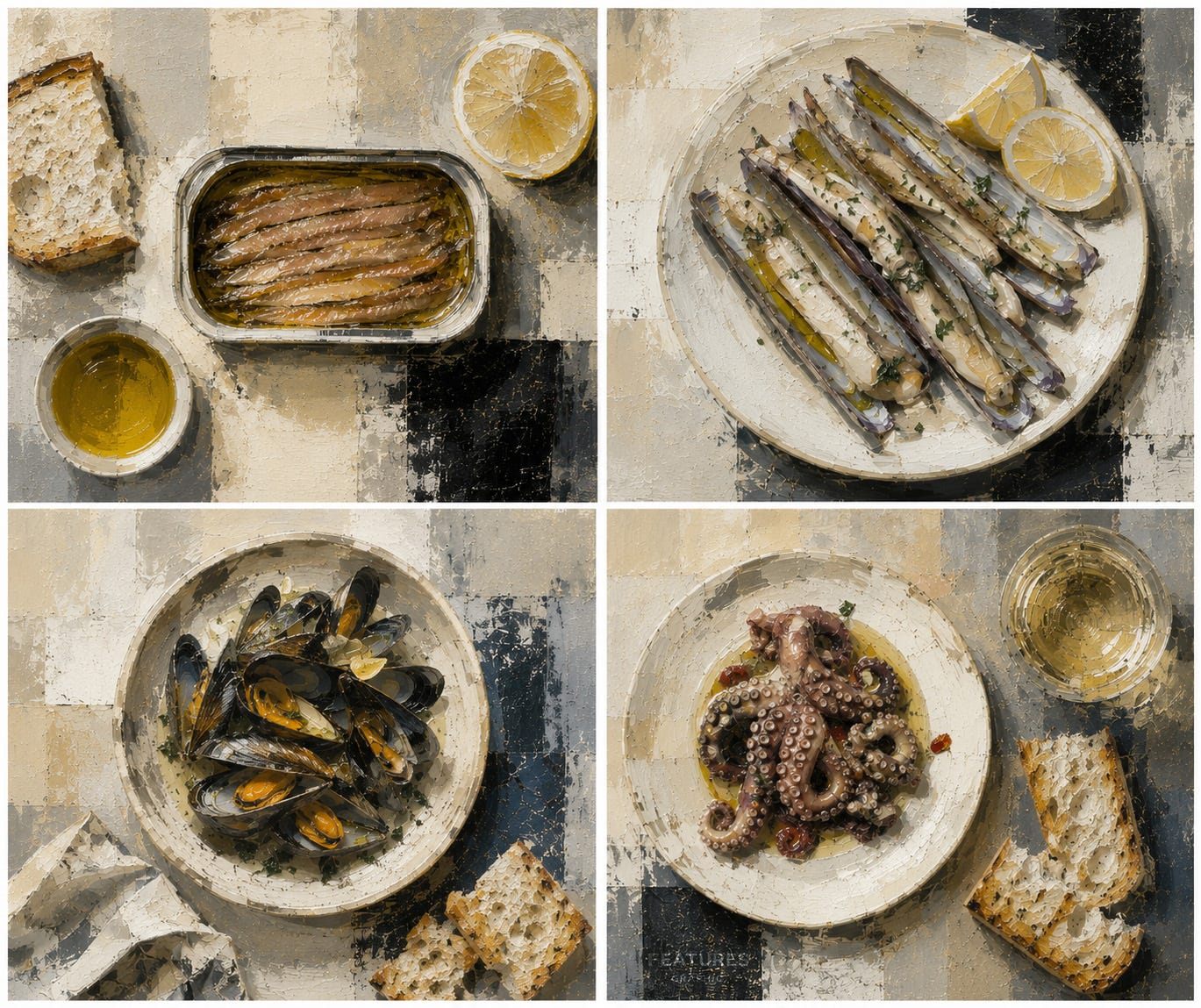
NAPA VALLEY, Calif – Boring tinned fish has gotten a serious makeover. Now, in addition to anchovies, sardines, mackerels and tuna, you can choose among tinned razor clams, baby octopus, scallops, mussels, whelk, garfish and many more, pure or with exotic seasonings or sauces. Dozens of brands from around the world compete for our taste buds. Traditional hand processing methods have been revived and sustainability and sourcing appear on the labels. Packaging isn’t just attractive – it’s more like an international art competition.
DECANT Bottle Shop & Bar in Napa showcases it all. There you’ll find a massive selection of tinned anchovies, sardines, trout, shellfish and so much more. You can purchase tins to take home, order one or many a la carte, plated or for the table, or sit back and enjoy an entire “Conservas” lunch complete with a choice of tinned seafood, accoutrements and a glass of wine.
Wine bars and bistros in Paris also offer a selection of tins on their menu. Your tin will come to you opened, the contents ready to spread on bread or crackers, often with butter and a selection of crudité as well. Saltie Girl Seafood Bar in Boston has a “Tin List” of over 100 different items encompassing more than a dozen varied species of fish and shellfish. The tin of your choice is served with bread and a selection of condiments.
In France, there are as many supermarket shelves devoted to tinned seafood as there are to cookies. I’ve purchased globally-sourced, beautiful (and tasty) tins in German gift shops, Italian delis and Spanish supermarkets. Increasingly, tinned seafoods are showing up in our markets and wine bars as well, to some extent driven by packaging but also by the revival of traditional methods and adherence to sustainability.
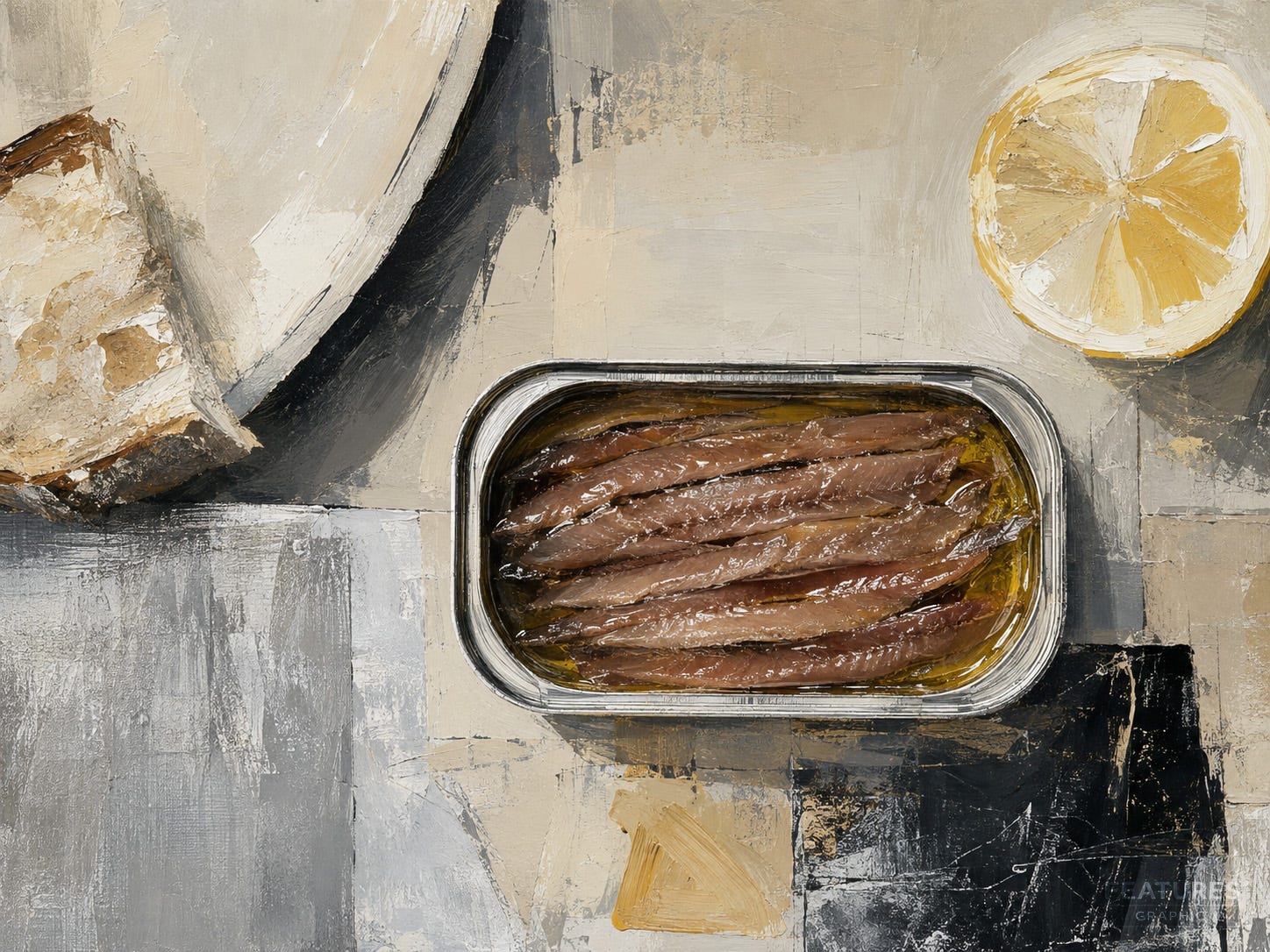
Anchovies are often reviled by Americans. I urge rethinking. I had my personal revelation about them years ago when I was a lunch guest at a modest home in Sanary-sur-Mer, a small fishing village on the Mediterranean. There were six of us – four friends, me and a neighbor. I had been introduced to the neighbor as an American food writer and cookbook author, which didn’t impress him. Just a slight sniff to acknowledge the absurdity, but well short of being rude. A bottle of rosé from nearby Bandol was opened, a basket of freshly sliced baguette set upon the table, followed by a dish of butter (which surprised me), another dish filled with anchovy fillets in olive oil and a final bowl of lemon quarters.
“This may well be the best thing you will ever taste. And don’t you dare put it in one of your cookbooks. Now do as I do.”
Adequately intimidated, I picked up a piece of bread, buttered it as instructed, then covered it with anchovy fillets.
“Now squeeze lemon over it. Then eat it.”
I did as I was told. Unbelievable. The sharp citrus, the creamy butter, the unctuous olive oil and the firm, faintly salty fish aligned to make each bite memorable.
Thus began my road to discovering high quality, artisanal anchovies. Until that moment I had only known very fishy anchovies, packed in generic oil in narrow, flat, green tins. Sometimes they were mushy and even had bits of fine bone. I didn’t love them, but I used them in cooking when required.
The anchovies I was served that day, I was told, came from Maison Roque in Collioure, one of the oldest anchovy conserveries, or canneries, in France, located on the Mediterranean near the Spanish border. Consequently, a few years later when I was doing research for my book, “Savoring France,” I went to Collioure and saw for myself the traditional, artisanal way the anchovies were prepared and preserved. And I ate my fill at a small, waterfront bistro.
Last year, I was back in Collioure, and in addition to Maison Roque’s factory store I had visited before, there were now two additional stores, one in the pedestrian shopping district, where I bought several jars (they preserve in jars instead of tins) to bring home before proceeding to the waterfront, where I ordered a plat d’ anchois – an array of extra-virgin olive oil-preserved anchovies accompanied by roasted red peppers, grilled toasts and slices of Spanish chorizo. Delicious.
So, what is the difference between artisanal and industrial anchovies?
A primary difference is that artisanal ones, whether from France, Spain, Italy or elsewhere, are handled in the traditional way, completely by hand. They are processed within 24 hours of being caught, packed in barrels between layers of sea salt, and then pressed with heavy wooden rounds. There they remain for a minimum of six months and up to 24 months. Once taken from the salt they are washed, dried and filleted by hand. The fillets, an evenly colored, pinkish brown, will be packed in extra-virgin or pure olive oil. The extra-virgin olive oil contributes to the flavor, while pure olive oil is neutral. The longer the fish is cured in the salt, the more complex the flavor will become.
Industrial anchovies are machine-processed and packed in salt for a shorter period of time, four to six months, and then, once filleted by machine, packed either in olive oil or more typically sunflower oil. Due to the shorter time of curing, they have a sharper, one-note fishy flavor. If too short a curing time, they may be mushy and tear easily and exhibit an uneven, splotchy color.
The very best anchovies are said to come from the artisanal canneries located along the coast of Spain’s Cantabrian Sea at the southern end of the Bay of Biscay. The anchovy fishing season is a precise window from March to June, when schools of anchovies come up from the cold, deep waters of the Atlantic’s Bay of Biscay and head to the warmer waters near the shore, where they are caught by the thousands. They are plump, the flesh firm, and they have a good balance of fat.
Other premium artisanal anchovies come from the Mediterranean waters of Sicily, Liguria and Sardinia in Italy, and from Collioure in French Catalonia. Some are packed whole in salt, to be rinsed and filleted on your own. Artisanal producers in Spain produce boquerones, the white anchovy fillets packed in vinegar, which have an entirely different taste than the salt-cured or so-called brown anchovies.
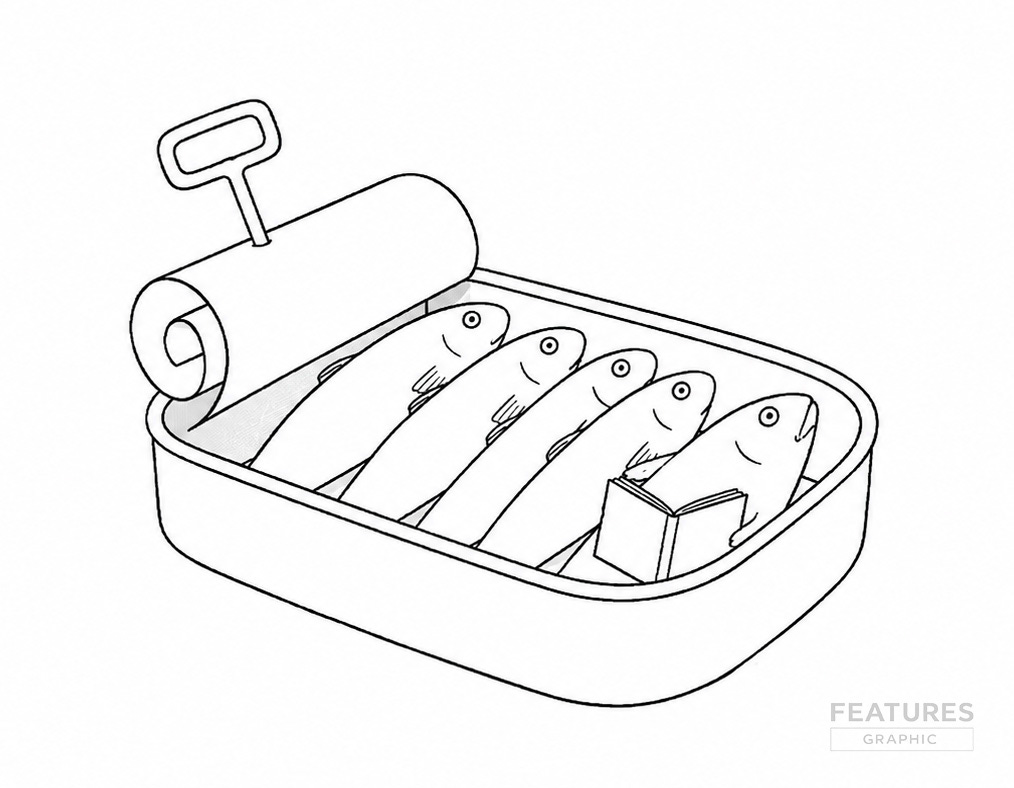
More recently I have become enamored with tinned sardines, most notably those from La Belle-Iloise in Quiberon, Brittany. Family-owned and founded in 1936, they are artisanal producers of sardines, tuna and salmon, with fish coming primarily from the Atlantic waters of Quiberon. There are 90 Belle-Iloise stores across France, each dedicated to their products. The stores are dazzling, with the walls and display tables of the shops lined and stocked with tinned fish, with myriad flavorings from Piment d’Espelette to lemon and harissa. The individual tins are printed with such colorful, bold graphics I want to buy them all. Best of all, there are gift boxes of large, gorgeously printed tins, holding eight, 12, 16 different individual tins. And yes, I’ve purchased several and brought them home in my suitcase. This brand is not, to my knowledge, exported to the United States, I’m sorry to say.
The best artisanal sardines which, like anchovies, are traditionally prepared by hand, are said to come from Portugal and Spain, fished from the waters of the Atlantic. Unlike anchovies, whole sardines, once headed and gutted, are cooked first, usually steamed, smoked or fried. They may be packed in water, brine, olive oil or sauce. One of my particular favorites is packed in mustard sauce. They may or may not include various flavor additions, like herbs, citrus or spices. Excellent canned sardines also come from the Baltic Sea. Those from the Baltic are actually a different species, but legally fit into the sardine category.
Fishwife, a California-based tinned fish brand founded in 2020 by two women, offers a variety of fish and shellfish, including sardines, trout, tuna, mackerel and mussels. The product is readily available across the country. They have an in-house designer who is responsible for the striking artwork and packaging design. Like the stylish Portuguese brand José Gourmet, Fishwife does not have its own canneries. Instead, it works in partnership with artisanal, sustainable canneries in Europe and the United States. José Gourmet has recently started operating a small, boutique cannery of its own, but primarily partners with sustainable, artisanal canneries, while focusing on producing high end labels for their product.
Something fishy is hiding in plain sight. One phrase conceals the name of a fish across two words. Can you spot it? Find the answer at the bottom of the page.
I encourage you to try various brands of tinned fish to see which you like. I keep on hand at all times Talatta artisanal anchovies, produced by a family-owned cannery in Sicily, and Ortiz Tuna Belly, from an artisanal, family-owned cannery in Spain. These are easy to find and excellent quality. For sardines, I choose all different ones with different flavorings. I also keep tinned mussels, octopus and trout from various brands on hand for special occasions.
I can’t begin to enumerate all the ways to use tinned fish. I can, however, recommend Chris McDade’s cookbook, “The Magic of Tinned Fish,” which is loaded with creative recipes.
Nevertheless, here are a few of my favorite recipes.
This is my all-time favorite for aperitif time, perfect with rosé wine or pastis.
Good quality, olive oil-packed anchovy fillets, 2-3 per slice of baguette
Your favorite salted butter, room temperature (unsalted OK too)
3-4 slices of fresh baguette per person
3 lemon quarters per person
Butter the bread, drape with 2 or 3 anchovy fillets, squeeze over with lemon.
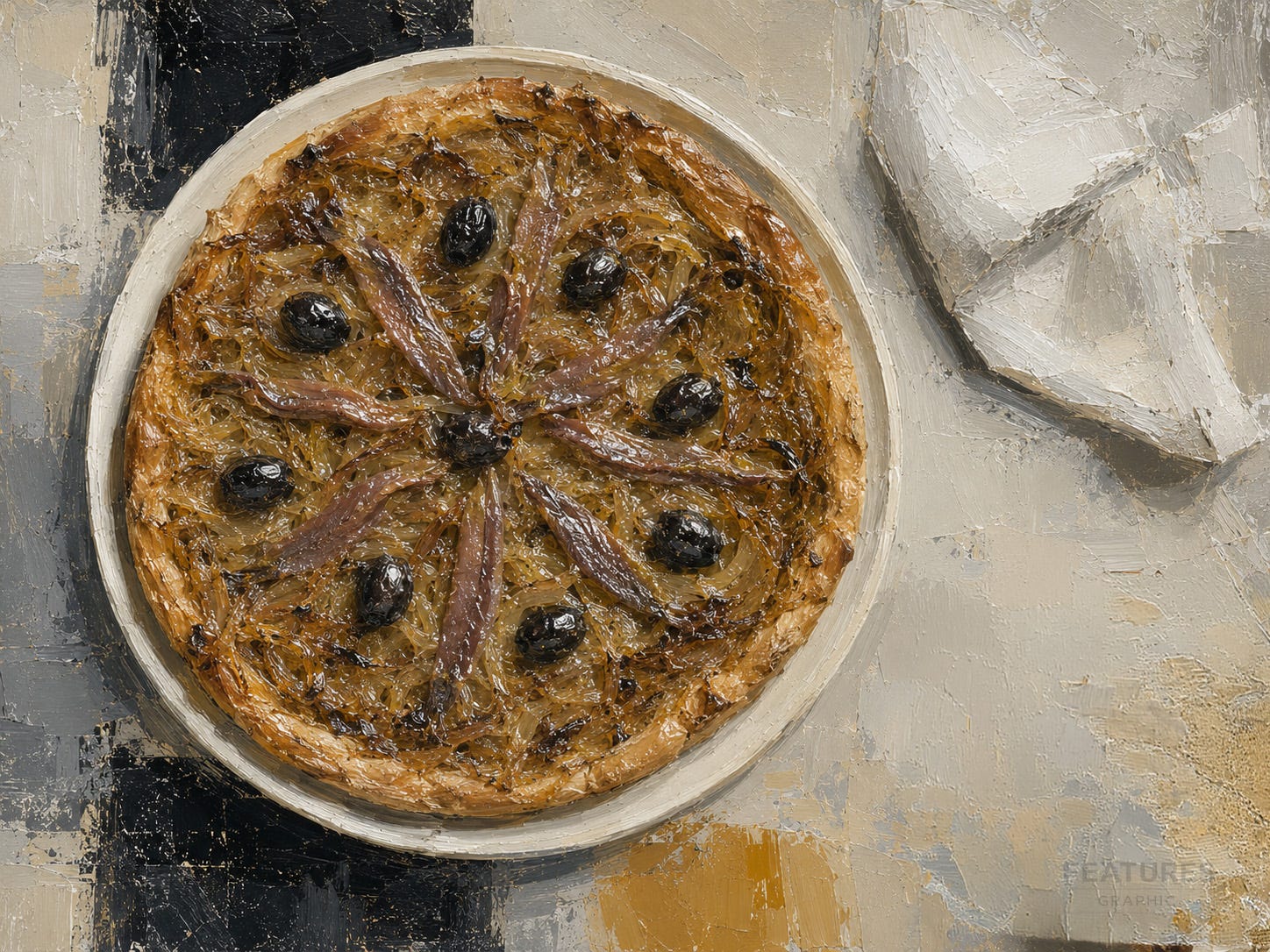
This is one of the great street foods of France, sold in slices at most bakeries, along with small quiche and pizza slices. It can be made with pizza dough, but this classic pissaladière dough makes it even better. A thick layer of caramelized onion tops the dough, followed by a crisscross of anchovy fillets and dottings of black, Mediterranean-style olive oil-cured olives.
Perfect for lunch, as an appetizer or, along with a green salad, for dinner.
2 envelopes (2 scant tablespoons) active dry yeast
1 cup warm water (105 F)
1 teaspoon sugar
1 teaspoon sea salt
3 1/2 cups all-purpose flour
Extra-virgin olive oil
1/4 cup yellow cornmeal
8 tablespoons extra-virgin olive oil
4 tablespoons unsalted butter
15 yellow onions, about 5 pounds, peeled and thinly sliced (7 cups)
4 fresh or 2 dried bay leaves
1 tablespoon sugar
1 teaspoon salt
2 tablespoons dry white wine
1/4 cup fresh oregano leaves, chopped
1/4 cup freshly grated Parmesan cheese
12 salt-cured Niçoise black olives
12 olive-oil packed anchovy fillets (or more)
1/4 cup fresh oregano leaves, chopped
In a small bowl, dissolve the yeast in the warm water, add the sugar, and let stand until foamy, about 5 minutes. In a food processor fitted with a metal blade, combine the yeast mixture, salt and 1¾ cups of the flour. Process for several minutes and add the remaining 1¾ cups of flour. Process until a dough ball forms, about 2 minutes. Turn the dough out onto a lightly floured surface and knead until the dough is elastic, 8 to 10 minutes.
Gather the dough into a ball and place in a bowl lightly coated with olive oil. Turn the dough to coat the surface with the olive oil. Cover with a clean dish towel and let rise in a warm dry place for 1 hour.
While the dough is rising, prepare the topping. In a large, heavy-bottomed Dutch oven or saucepan, combine 6 tablespoons of the olive oil and the butter and melt over medium heat. When the butter begins to foam, add half of the onions, 2 bay leaves, half of the sugar and half of the salt.
Stir to coat and add the remaining half of the onions, bay leaves, sugar and salt. Cover the onions, reduce the heat to low, and cook for 20 minutes. Stir the onions and increase the heat to medium.
Cook another 15 to 20 minutes, stirring occasionally. Increase the heat to high and cook, stirring constantly, until the onions caramelize to a deep golden brown, about 10 minutes. Deglaze the onions with the wine and scrape any browned bits from the sides and bottom of the pan. Cook for another 5 to 10 minutes, remove from the heat and set aside.
Preheat the oven to 500 F.
On a lightly-floured board, roll the dough out to a 30 by 20-inch rectangle. Sprinkle the cornmeal onto a baking sheet. Drape the dough over the rolling pin and transfer the dough to the pan. Gently press the dough to the edges of the pan, pressing upward to create an edge. Rub the remaining 2 tablespoons of olive oil over the surface. Remove the bay leaves from the onions and spread the onions over the surface of the dough. Evenly sprinkle the cheese and olives over the top. Arrange the anchovies across the onions in a crisscross fashion. Bake until the crust is golden brown and cooked through, about 20 minutes. Remove and let rest for 10 minutes. Cut into squares and serve hot or at room temperature.
Serves 10 to 12
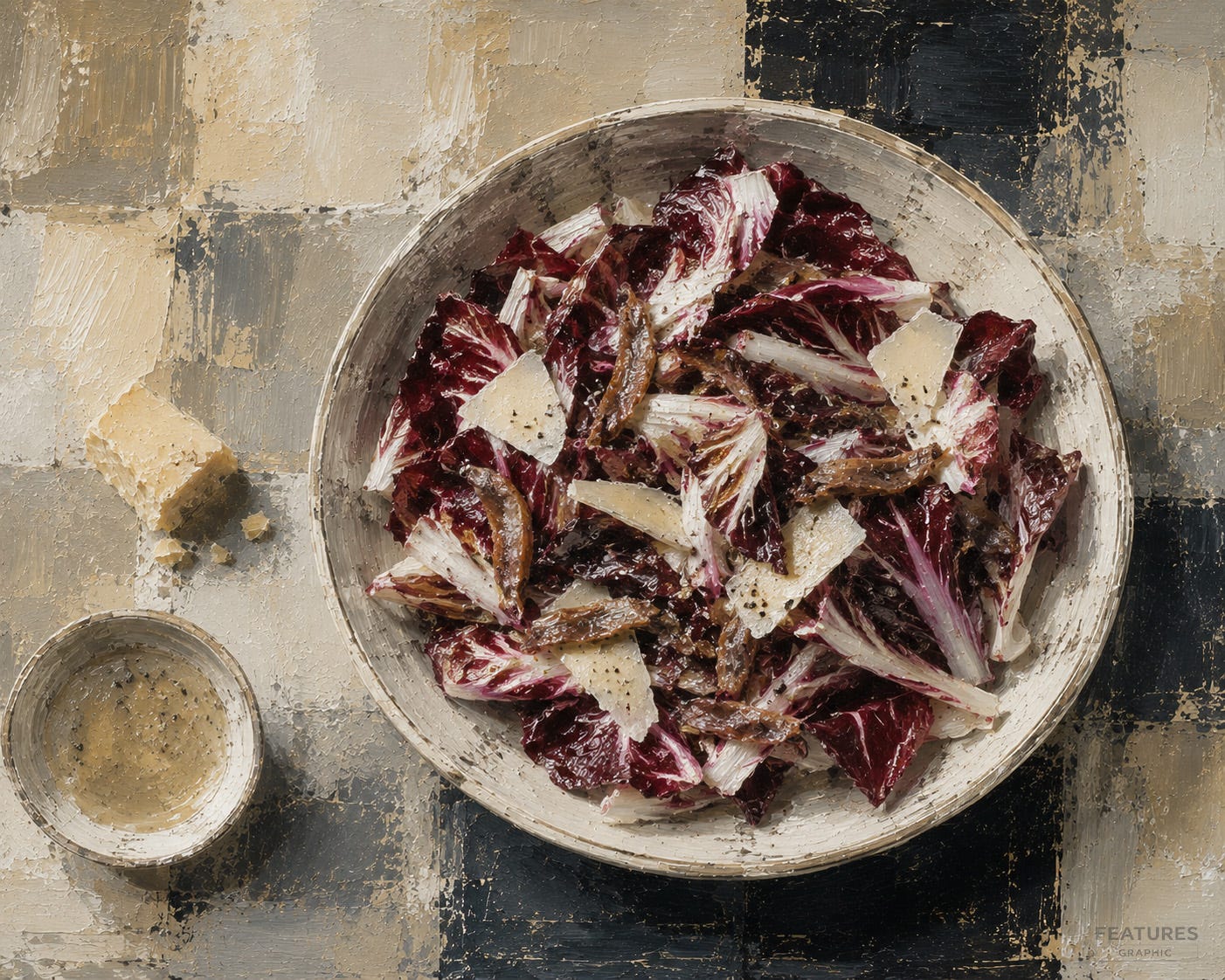
Sometimes a big plate of this salad is all I want for dinner. The flavors are deeply rich and satisfying. The dressing is good with romaine too. To make it a Caesar salad, just add homemade fried croutons.
2-3 garlic cloves, halved
Pinch coarse sea salt
6-8 good quality, olive oil-packed anchovy fillets, plus more for garnish if desired
4 tablespoons extra-virgin olive oil
1 tablespoon plus 1 teaspoon red wine vinegar
½ cup freshly grated Parmesan cheese, plus extra for garnish if desired
1/8 teaspoon freshly ground black pepper
3 cups shredded radicchio, about 1 small head
Place the garlic in a mortar with the sea salt and crush to a paste with a pestle. Add the anchovies, crushing them into the garlic and salt paste until incorporated. Scrape the mixture into a bowl and add the olive oil and vinegar. Whisk well, then add the cheese and pepper and whisk again.
Add the radicchio and toss together. Divide among two salad plates and garnish with additional anchovies and cheese, if desired.
Serves 2
A favorite lunch at my house, especially loved by my French son-in-law, are thin slices of sturdy rye or baguette, spread first with butter, then with smashed sardines. So simple and so good.
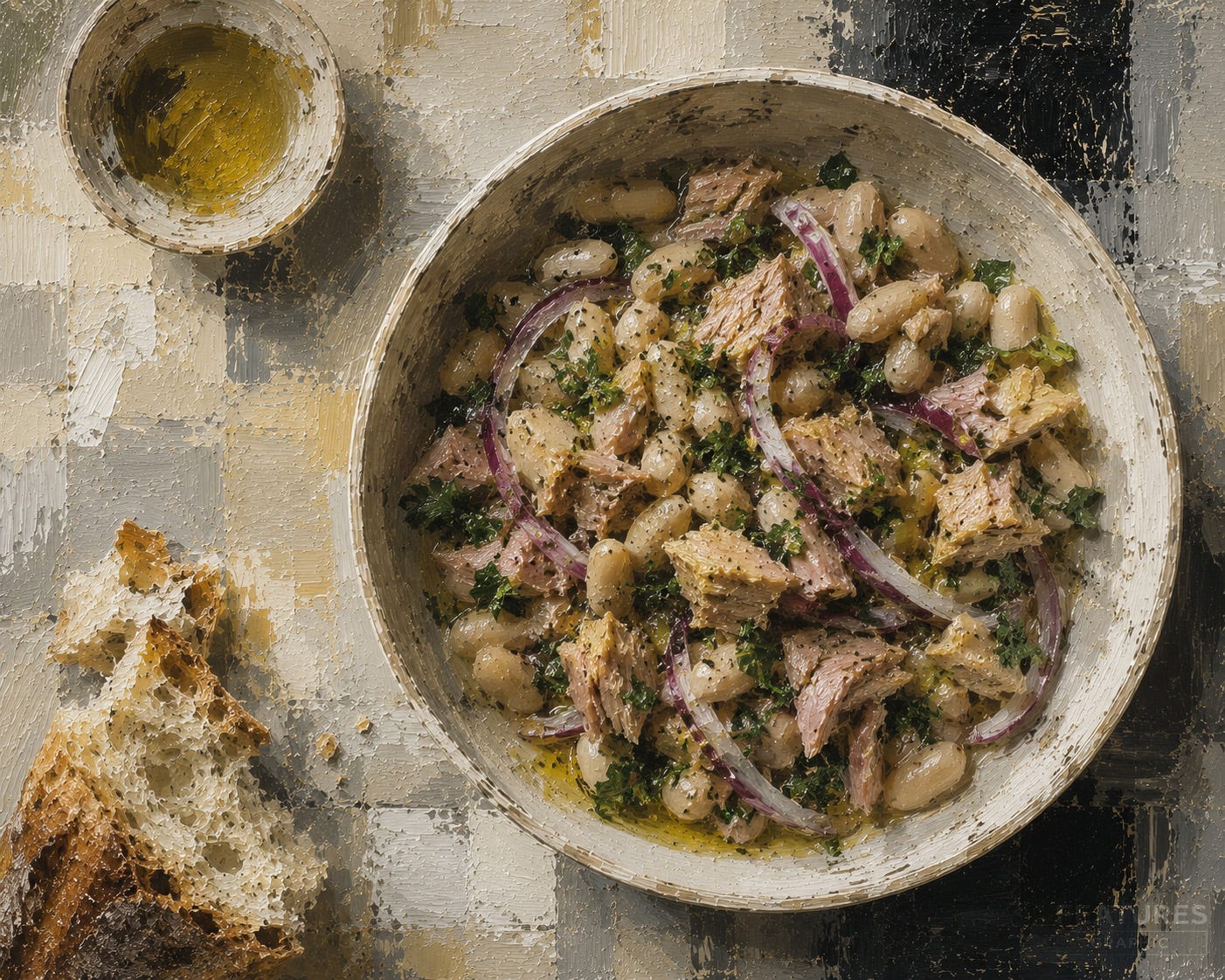
This is a simple and delicious salad. Versions of it are found all over France and Italy. For best results, cook your own dried beans, but canned work well too. However, tuna packed in water will not produce the same flavors.
½ red onion, thinly sliced
1 tablespoon red wine vinegar
¼ cup extra-virgin olive oil
2 tablespoons freshly squeezed lemon juice
½ teaspoon Dijon style mustard
½ teaspoon sea salt
½ teaspoon freshly ground black pepper
¼ cup minced fresh parsley
3 cups cooked, drained, dry cannellini or Great Northern white beans (reserve ¼ cup of the broth) or 2 15 oz cans of either bean, drained and rinsed
2 6 oz jars or tins of olive oil-packed tuna, drained and flaked
Combine the onions, olive oil, vinegar, lemon juice, mustard, salt and pepper in a bowl large enough to eventually hold the beans and tuna and mix well. If using cooked, dry beans, add 2 tablespoons of the broth and mix again. Set aside for 15 to 20 minutes.
Add the beans and the flaked tuna and gently turn to coat the beans and tuna. Taste, adjusting for seasoning. Remove to a serving bowl and garnish with the parsley.
Serves 4 to 6
And a final note: All these lovely tinned, fatty fish are really good for you.
—
Georgeanne Brennan is an award-winning cookbook author who divides her time between her farm in Northern California and a home in Provence. Learn more about her at her website.
By Marianne Moore
Text within this block will maintain its original spacing when published
wade
through black jade.
       Of the crow-blue mussel-shells, one keeps
       adjusting the ash-heaps;
              opening and shutting itself like
an
injured fan.
       The barnacles which encrust the side
       of the wave, cannot hide
              there for the submerged shafts of the
sun,
split like spun
       glass, move themselves with spotlight swiftness
       into the crevices—
              in and out, illuminating
the
turquoise sea
       of bodies. The water drives a wedge
       of iron through the iron edge
              of the cliff; whereupon the stars,
pink
rice-grains, ink-
       bespattered jelly fish, crabs like green
       lilies, and submarine
              toadstools, slide each on the other.
All
external
       marks of abuse are present on this
       defiant edifice—
              all the physical features of
ac-
cident—lack
       of cornice, dynamite grooves, burns, and
       hatchet strokes, these things stand
              out on it; the chasm-side is
dead.
Repeated
       evidence has proved that it can live
       on what can not revive
              its youth. The sea grows old in it.
About the author: Marianne Moore (Nov. 15, 1887-Feb. 5, 1972) was an American poet, critic and editor and a central figure in literary modernism. Born near St. Louis and raised largely in Carlisle, Pennsylvania, she studied biology and histology at Bryn Mawr College before teaching at the Carlisle Indian School and later moving to New York. Her work appeared alongside that of H.D., Ezra Pound, William Carlos Williams and other modernists in magazines including “The Egoist” and “Poetry.” H.D. arranged Moore’s first collection, “Poems,” in 1921. Moore later served as editor of “The Dial” from 1925 to 1929, placing her at the center of American modernist literary culture. Her precise, idiosyncratic poetry earned the admiration of contemporaries including T.S. Eliot and Williams, and she later became an important friend and mentor to Elizabeth Bishop.
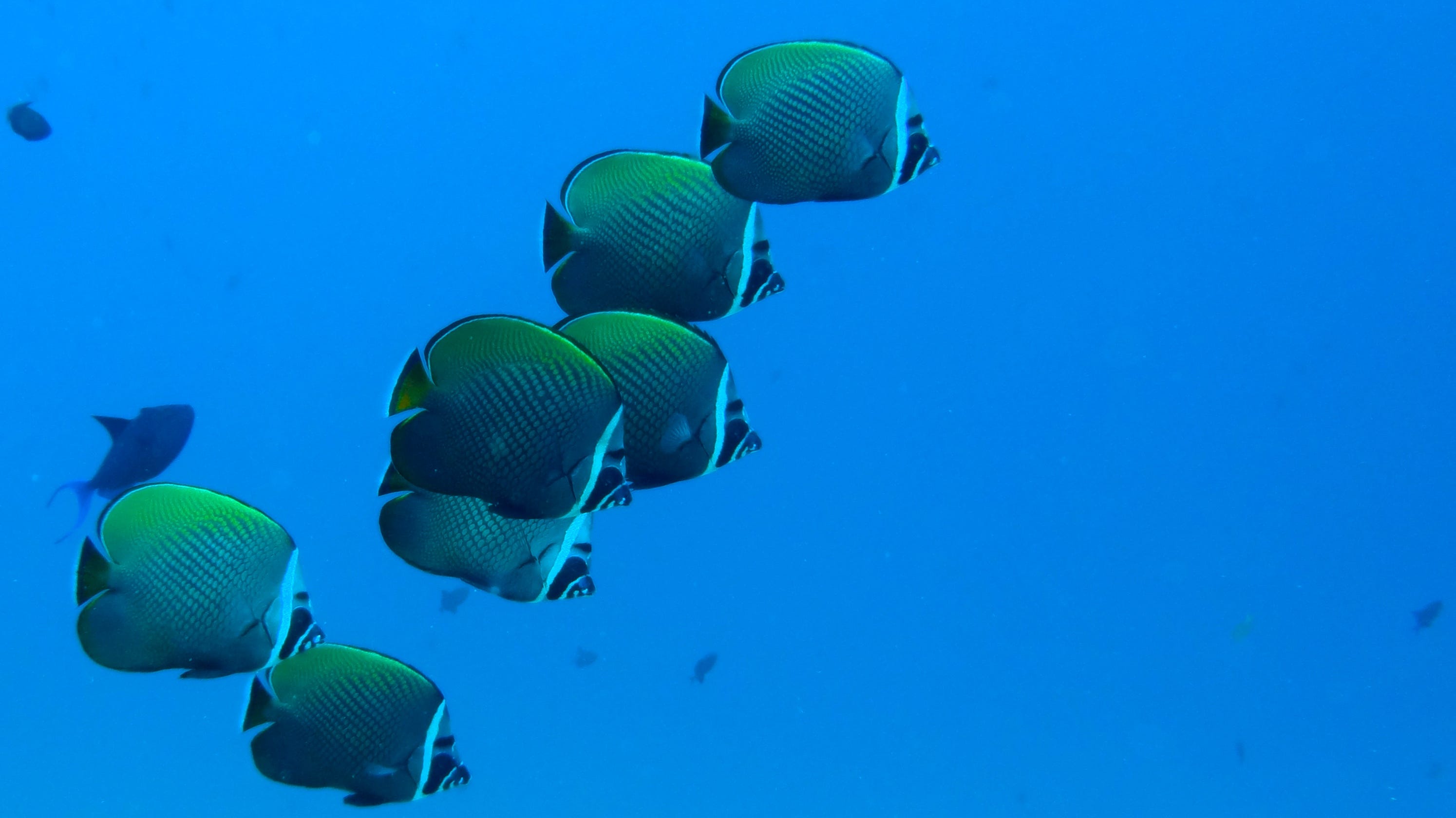
Moore’s poetry is known for exact observation, compressed language, unusual syllabic structures and a persistent interest in animals and the natural world. “The Fish” displays those qualities at an early stage: Its broken lines and tightly controlled stanzas slow the reader’s eye as Moore assembles an underwater landscape from mussels, barnacles, jellyfish, crabs, stone, light and moving water. The poem resists sentimentalizing nature. Its beauty is inseparable from abrasion, age and endurance, ending not with the fish themselves but with the battered cliff in which “the sea grows old.” Moore’s combination of close observation, formal experiment and indirect emotional force proved influential well beyond her generation. Bishop carried forward aspects of her exacting descriptive method, while later poets including John Ashbery acknowledged Moore as an important predecessor.
Are you a poet, or do you have a favorite piece of verse you’d like to share? Napa Valley Features invites you to submit your poems for consideration in this series. Email your submissions to napavalleyfeatures@gmail.com with the subject line: “Poem of the Day Submission.” Selected poets will receive a one-year paid subscription to Napa Valley Features (a $60 value). We can’t wait to hear from you.
Pick your favorite caption or add your own in the comments below.
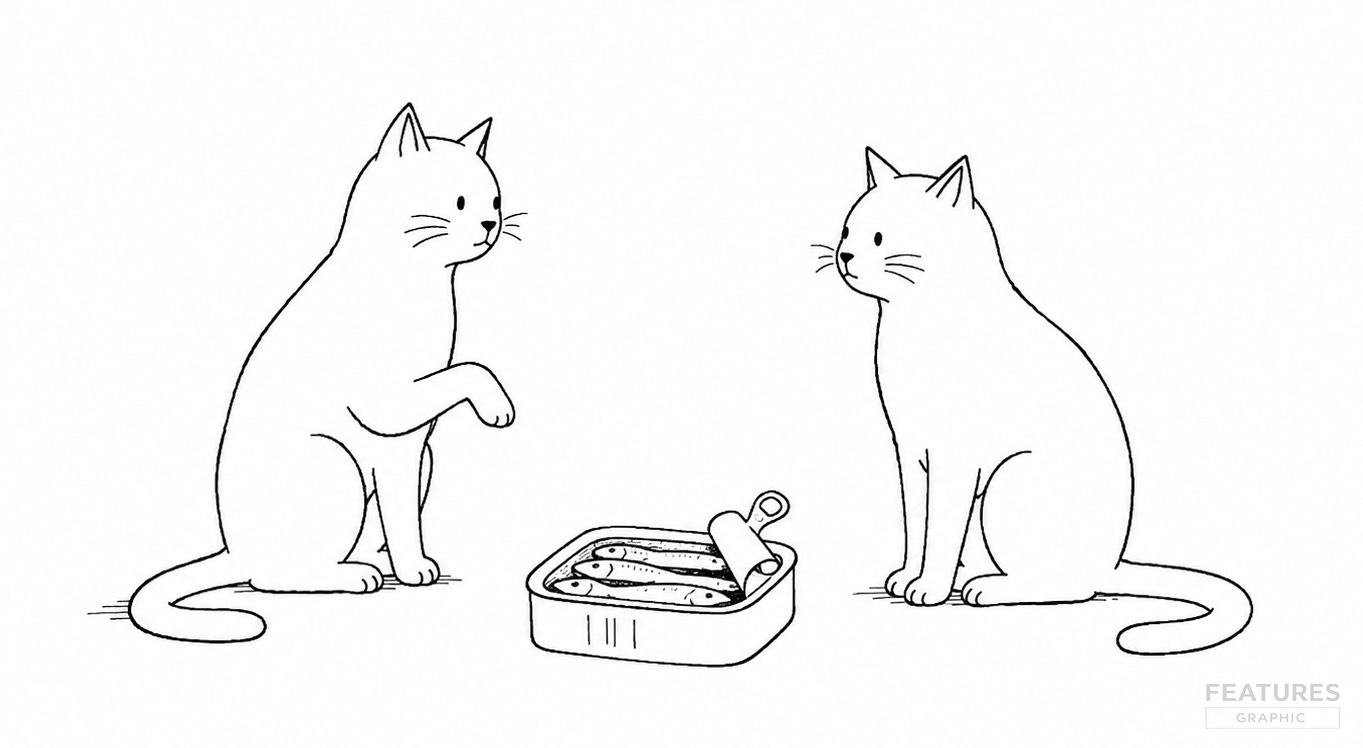
“I’m suddenly curious about the paperwork.”
“More of a catch-and-release guy, myself.”
“Technically, I did catch them.”
“Are we sure these are free-range?”
“I am starting to understand humans.”
In “The Tortoise and the Husky,” the winning caption was “We agreed: one coffee, then the park,” with 59% of the votes.

“My co-worker contributes very little and remains extremely confident.”
“This is what happens when you hire someone with no desk experience.”
“We agreed: one coffee, then the park.”
“I asked for feedback. The dog gave me paws for thought.”
“My dog said the job was ruff. I said, ‘Join the club.’”
A) A disco dance
The fish is cod, hidden across the word break in disCO Dance — the last two letters of “disco” plus the first letter of “dance.”
—
—
The views, opinions and data presented in this article are those of the author and do not necessarily reflect the official policy, position or perspective of Napa Valley Features or its editorial team. Any content provided by our authors is their own and is not intended to malign any group, organization, company or individual.
Our illustrations are produced through a multistep process of generative tools, digital sketching and photo editing, often starting from our own images or sketches.
No posts
Comments
Nothing yet. Say the first thing.
Sign in to join the conversation.