
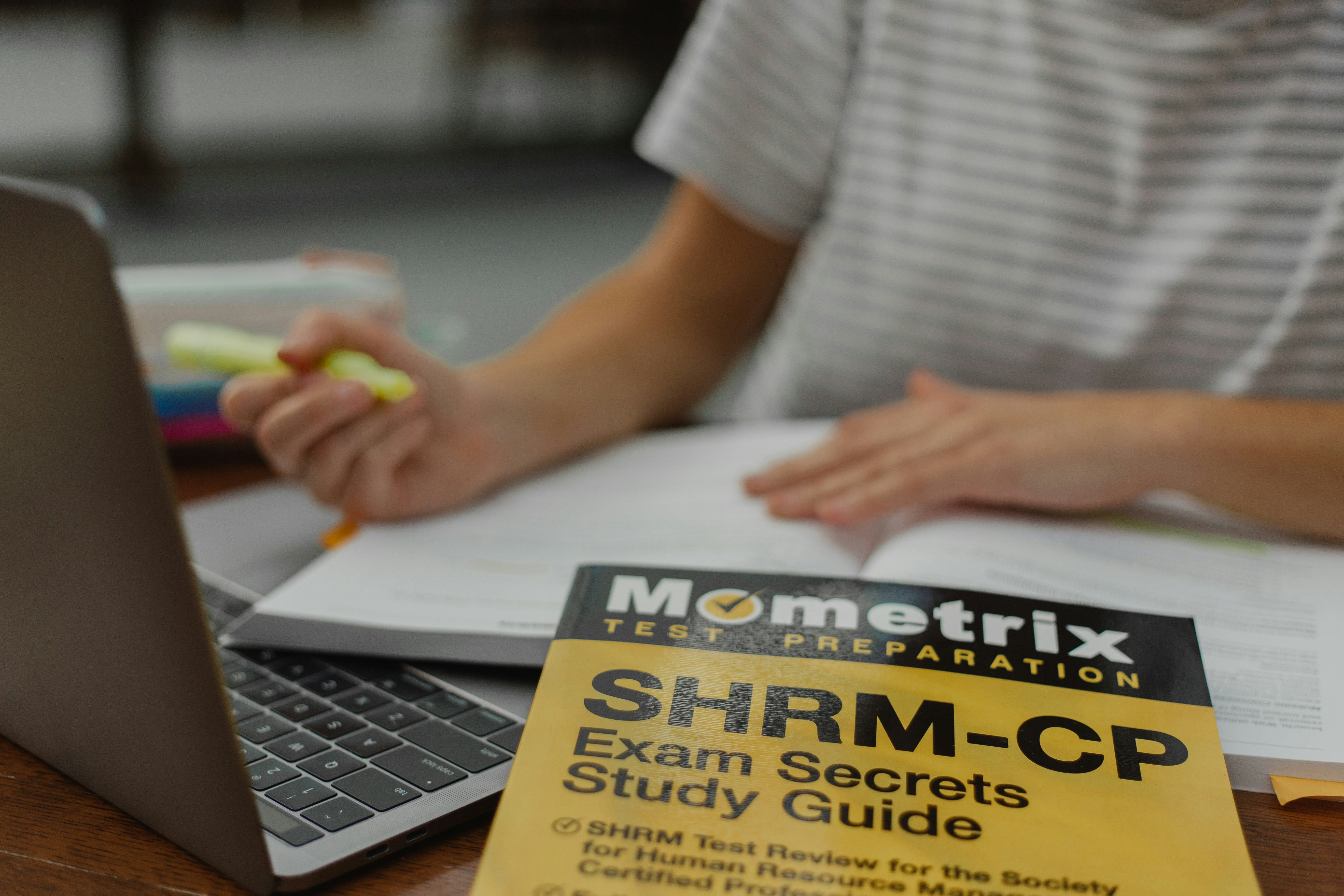
It’s finally here. The week that teenagers have been building towards for at least the last two years, and possibly the last five. The week that people have nightmares about for years before and sometimes years after.
The week when schools hand out brown paper envelopes with GCSE results.
For some, those envelopes will contain glory, a confirmation that they are the ‘cream of the crop’. Those teens will have their pictures in the newspapers. They’ll be given prizes and celebrated.
For others, those envelopes will confirm that they are the failures, that those years of schooling have ended in nothing. They will not be in the papers. They’ll be back doing English and Maths again in Sept, shackled to a system which prioritises exam results over everything else. They may feel intense shame.
So here are a few things I think that all teens should know about GCSEs, and which, in my experience, they often don’t.
GCSEs are designed so that a third of teenagers fail. A GCSE is not a test of competence, it is a comparison. If everyone does particularly well one year, then they’ll move the grade boundaries so that some people still fail. Not all exams are like this - the driving test is an example of a competency test. It doesn’t matter how everyone else does, if you’re a capable driver you can pass your driving test. This isn’t the case for GCSEs.
GCSEs are a very narrow and specific way of assessing people. They measure how good you are at sitting in a room for several hours and remembering a lot of information without looking anything up. This is not a skill which many adults use regularly. In fact, it’s pretty well impossible to find opportunities to exercise this skill once you have finished with education. You’d have to pay someone.
You probably won’t use quadratic equations in the future. Schools sometimes tell you that what you are learning in your GCSEs is vitally important - this mostly isn’t, in my experience, true. Of course if you go onto study Maths, you’ll need quadratic equations, but otherwise the specific things that you study in your GCSEs are likely to fade into insignificance as you get older. You really can forget a lot of it once they are done. In fact, as a person who enjoyed maths and did Maths A-level, when it came to helping my children with GCSE Maths, I could not remember how to solve quadratic equations. My daughter sacked me as a tutor after I taught her how to do them wrong.
GCSEs do not define your worth as a person. Schools are set up so that those who do well academically are praised, while those who do not are told to try harder. Now that school is over, you’ll find that academic work is not the other thing that matters, and there are many other ways to thrive. This is the start of something better.
There is life beyond GCSEs. No matter how badly you did. No matter if you didn’t sit them at all. They are a hurdle to jump, but they don’t have to define the rest of your life. It feels like everything when you are sixteen, but life will carry on whether or not you failed your GCSEs.
None of this is meant to dismiss how important this all feels right now. I know failing can feel like the end of the world, but I also know that it isn’t. These very high-stakes exams are a feature of adolescence, but not, for the most part, of adult life. It’s a strange cultural ritual we put our teens through. You will come out the other side.
There will be a bright and more interesting future out there for all of you. Congratulations.
No posts
Comments
Nothing yet. Say the first thing.
Sign in to join the conversation.