
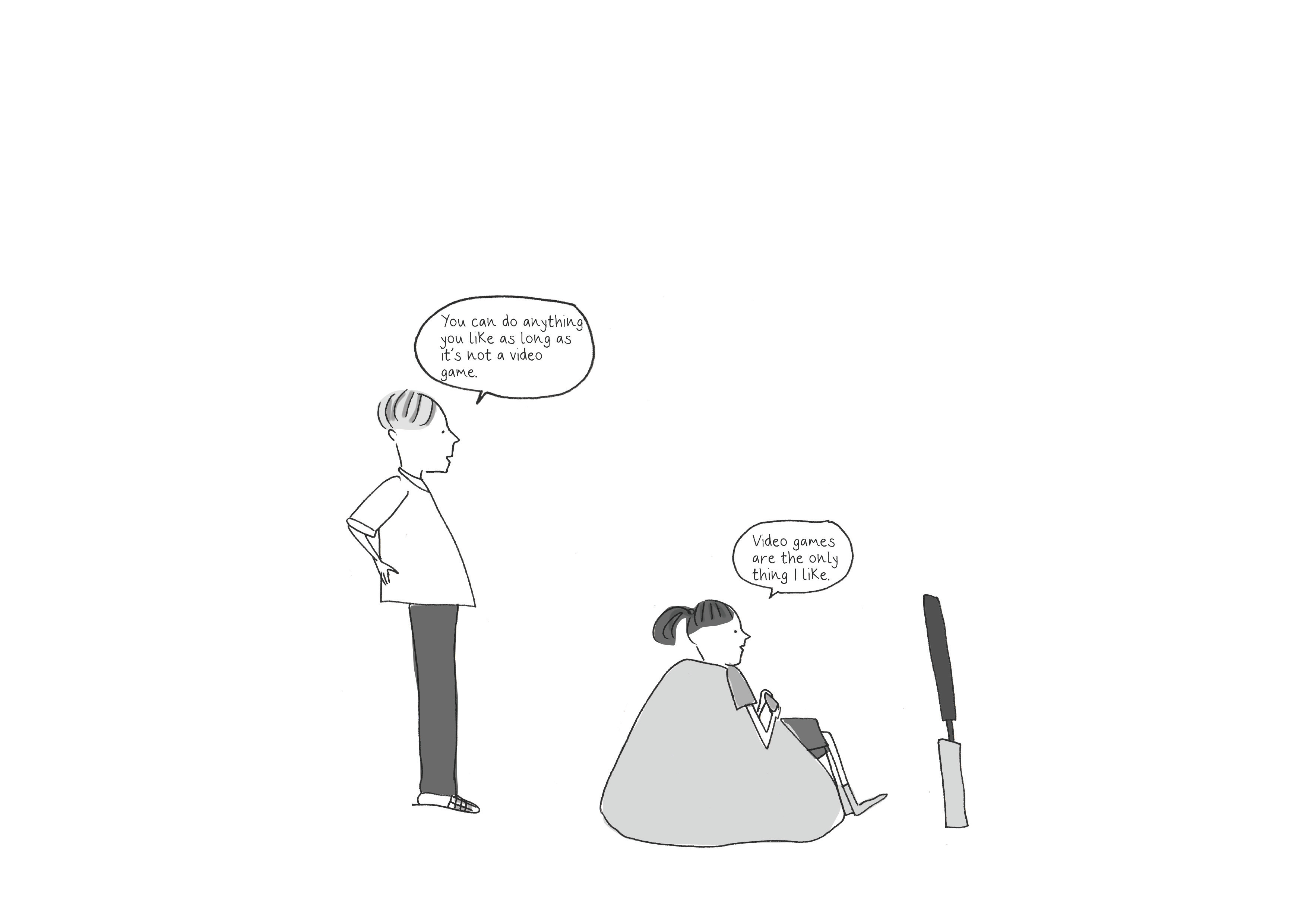
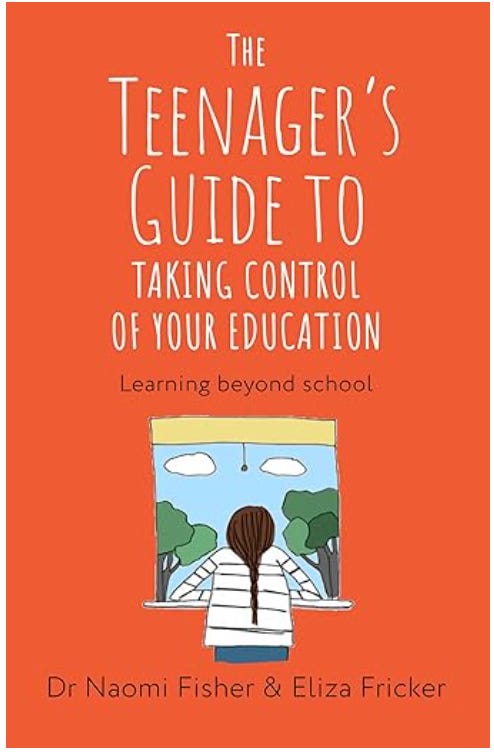
For my latest book, The Teenager’s Guide to Taking Control of Your Education, I went to ask the teens themselves what they spent their time doing. Here’s Phineas (16).
When I was younger I played video games most of the time. I think I was learning that it’s up to me how I spend my time. I think I learnt some reading from Minecraft – you know, things like the names of different objects in the game. I probably learnt a bit of maths from it too. I think you do pick up some skills kind of by osmosis when you are playing a game. I think that type of learning is more productive when you are that age, because you won’t be able to get yourself to do something for an end goal in the same sort of way as you can when you are older. I think it’s more important to learn through playing and doing something fun at that stage. Even if you’re not, by the look of it, learning at the same speed as other people. I think you will catch up later on.
When you get to be a bit older you’ll realise there are things you want to do in life. You’ll see that there are skills you need to learn, and if your perception of learning hasn’t been tainted by bad experiences then you’ll have more of a motivation to do it. Then you will catch up with other people your age who might at first seem like they’re ahead, because those people will be learning for the sake of getting something at the end, rather than for the sake of skill and learning itself.
I think that forcing children to learn is damaging, because I think when you are young it’s very easy to form associations with things that carry on and which are hard to break throughout your life. They’re very formative years. I think it’s damaging to make children learn things that they don’t want to, because it makes them not want to learn later on. It makes them more likely to spend their time playing video games in fact, because that is the thing that they don’t have a negative association with.
I still play video games sometimes, but much less than I used to. The majority of the time that I play games now it’s a social thing, I play with other people. I play games to have a bit of time off because learning, even though I enjoy it, can be quite tiring. I find it’s useful to have games as a tool to switch off and recover a bit.
For more real-life stories like this, The Teenager’s Guide to Taking Control of Your Education is available in paperback, e-reader and audiobook right now. Please spread the word if you know parents who worry about the future when their teens aren’t going to school.
Illustration by Eliza Fricker.
No posts
Comments
Nothing yet. Say the first thing.
Sign in to join the conversation.