
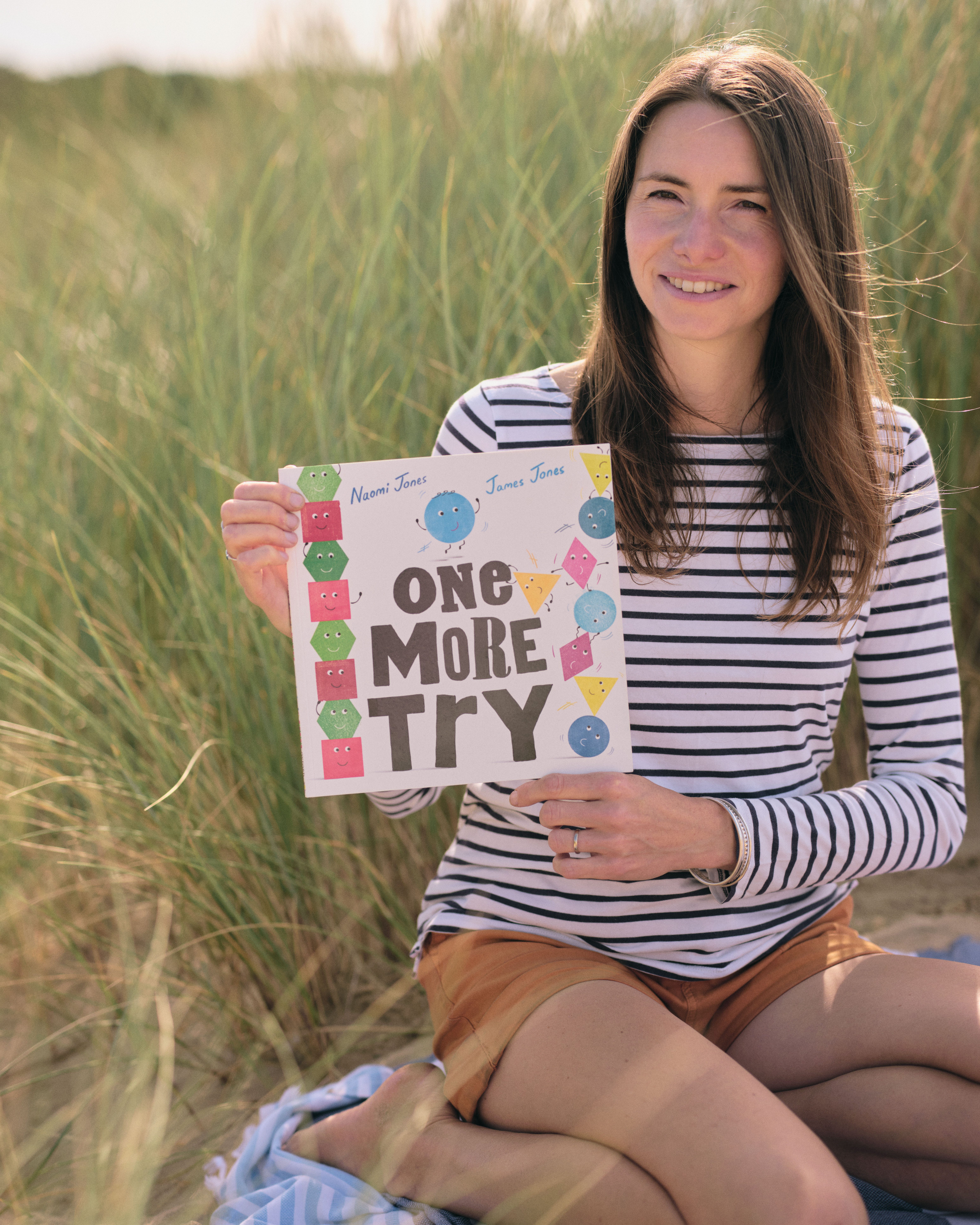
As someone who has dyslexia, I sometimes think there’s a certain irony that I’ve chosen to make a career out of words.
First in publishing and now as a writer, editor and mentor.
My spelling is atrocious and when I type, I always end up with three or four words per line underlined in red. My handwriting is so messy James struggles to read it and I have to work VERY hard to organise my thoughts into a coherent structure.
And yet, I’ve always loved books. I love the magic of playing with words to create a brand new story that readers connect to.
I unwittingly developed strategies to help me academically through school and so didn’t find out I was dyslexic until I was 21 and half way through an English degree at University.
My diagnosis was incredibly empowering - it helped me make sense of how my brain works and better understand my strengths and weaknesses. Because for everything I struggle with, there is something else that is a gift.
Being neurodiverse means I notice things and make connections that others might miss. My brain often jumps ahead, seeing patterns others don’t.
I’ve always had to work hard structuring everything I write, whether it’s emails, essays or manuscripts. Being able to stand back and ruthlessly assess my work, and other people’s, is incredibly helpful to me now.
Likewise dyslexia has taught me perseverance, a skill that is essential in a career that includes long waits and multiple edits.
I didn’t ever consider dyslexia to be a barrier for working in publishing or becoming an author because I was and still am, confident that for everything I find hard, there is a solution. Bad spelling? Use a spellchecker! Eyes jumping about when I read? Read aloud!
I also know that I write, and edit, better when I work with my brain instead of against it.
For example, I make endless lists to keep track of the work I need to do and always make notes during meetings to help me listen better. I keep notebooks full of scribbled ideas and I’ve learned that I am way more dyslexic in the evenings when I’m tired. My best time of day for writing is in the morning so I now save afternoons for admin and emails instead.
Perhaps you’re also neurodivergent. Maybe you find deadlines hard, or crave consistency and structure? Perhaps you struggle to believe in yourself or motivate yourself to actually sit down and put pen to paper.
We’re all different and I’m thankful for this. Imagine how boring the world would be if we all saw things the same way?
Regardless of your creative goals, or if you’re neurodivergent, being honest with yourself about your own strengths and weaknesses will help you in the long run.
Do you write best in the morning or afternoon? Do you like a plan, or prefer to see where the story takes you? Do you respond well to deadlines or do they just stress you out? What motivates you? Snacks? Seeing the word count rise? Sharing your work with others?
Step back, reflect on what makes you tick and then decide on a strategy. There is no single right way to be creative. Instead what’s crucial is that you find what works for you.
(I’d also like to add here that there is no benefit to be gained from either beating yourself up about the things you find hard or comparing yourself to others.)
Embrace the weird and wonderful ways you create best and work with your brain, not against it.
Naomi x
What would you like to know about publishing, submissions, agents etc? Send us your questions via email or in the comments box and James and I will do our very best to answer them for you this summer.
Naomi also offers mentoring, author visits and editorial services as well as writing books. Drop us an email hello@naomiandjamesjones.com to find out more.
‘Your feedback was great! Practical and perceptive. I have spent considerable time working through your notes.’ Alison Greenwood
We share exclusive, behind the scenes info about everything we know about making books and how the industry works.
We also share tips, techniques and things that inspire us to help you develop your own creative practice.
There are free interviews every month with authors, illustrators and publishing professionals as they spill the ink about life behind the scenes making books.
Paid subscribers can ask us questions and access all our ‘ask-us-anything’ videos where we share all the answers.
Every month we highlight submission opportunities and exciting new releases in the world of children’s books.
No posts
Comments
Nothing yet. Say the first thing.
Sign in to join the conversation.