
Many of the most important decisions in my life were made without having all the information. Starting a company. Leaving a stable career. Moving to a new city. Falling in love. And now, preparing to become a mother. If I had waited until I felt fully prepared for any of those things, I’m not sure I would have done them at all.
Certainty has rarely been the thing that has moved me forward. More often, it was curiosity, sometimes optimism, and occasionally stubbornness. But if I’m being honest, there was usually another ingredient mixed in too: a healthy amount of naivete.
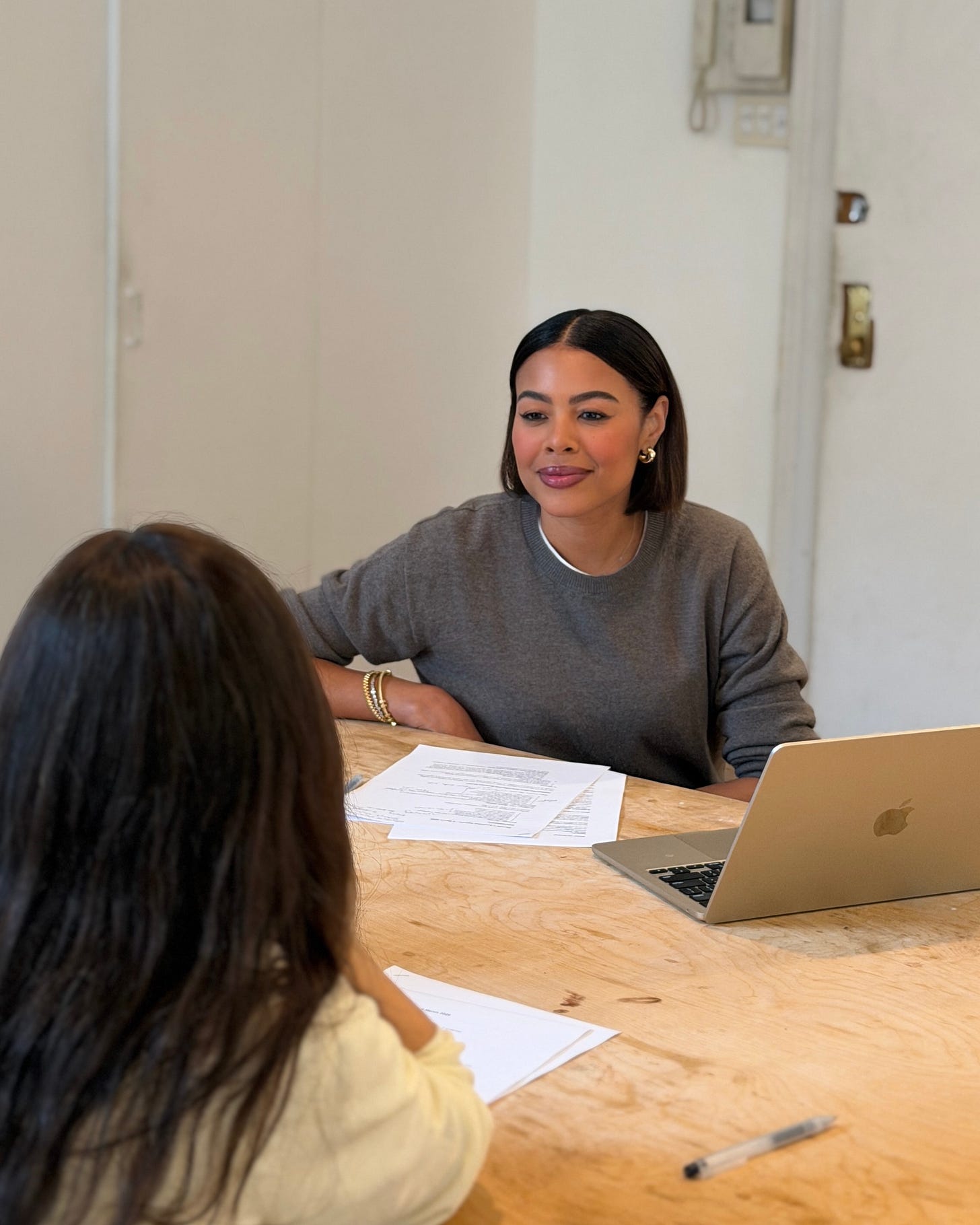
For most of my life, I viewed naivete as something negative. It was associated with inexperience, immaturity, or not knowing enough. But the older I get, the more I wonder if we’ve misunderstood it because some of the most meaningful things I’ve built, experienced, and learned would never have happened if I had fully understood what they would require of me beforehand.
When I started Briogeo, I had never worked in beauty or in marketing. I had never developed a product, managed a supply chain, or pitched a retailer. I didn’t have investors, a board, or have a five-year plan. What I had was an idea I couldn’t stop thinking about.
At the time, my goal wasn’t to build a category-leading brand. It wasn’t to sell a company. It wasn’t even necessary to become an entrepreneur. I simply wanted to create something I felt was missing in the market and, hopefully, one day, earn enough from it to replace the salary I was making in finance.
Looking back, I can see how little I knew. But strangely, that worked in my favor. Had I known every challenge that lay ahead, every obstacle, every setback, every difficult decision, I might have spent years trying to prepare for all of them before ever taking the first step.
Instead, I focused on what was directly in front of me. And what I learned was that progress has a funny way of creating clarity. One of the biggest traps I see people fall into today is believing they need certainty before they begin. They want to know exactly how the business will unfold before they launch it. They want to know exactly how the relationship will work before they commit. They want guarantees that the move, career change, investment, or leap of faith will work out before they take the risk. And while preparation is important, there is a point at which it quietly turns into avoidance.
I see this often with entrepreneurs. They spend so much time trying to eliminate risk that they never actually start. There should be a baseline level of diligence and you should understand the opportunity you’re pursuing and think critically about where you’re investing your time and resources. But also, there comes a moment when you have to stop gathering information and start gathering experience. Because some lessons cannot be learned through research.
Part of what allowed me to move forward when I started my company was a belief that I could figure things out. That belief wasn’t born from entrepreneurship; it was born from my years in finance. Neither of my parents worked in the finance industry, so there were countless moments when I felt completely out of my element.
But over time, I learned something that has stayed with me: most things can be figured out, even if you have zero experience. You ask questions, find people who know more than you do, read, experiment, make mistakes, and adjust. What once felt impossible becomes familiar. I just need enough conviction to take the next step.

As we gain experience, we often become less willing to do that. Experience gives us wisdom, but it also gives us caution. In some ways, expertise is a gift. In other ways, it can quietly become a limitation. Some of the most experienced people I’ve worked with were incredibly knowledgeable, but they were also deeply attached to how things had always been done. Their experience helped them see risks, but sometimes it prevented them from seeing possibilities.
Meanwhile, people with less experience occasionally approached challenges with fresh eyes. They asked questions others stopped asking. They challenged assumptions others accepted as fact. Sometimes being new allows you to see opportunities that expertise overlooks and preserving that mindset requires intention.
When you’re first starting something, you’re naturally operating from curiosity. You’re creating from instinct and following the energy of an idea.
The goal isn’t to remain naive forever. The goal is to protect the part of yourself that still believes new things are possible. The part that isn’t intimidated by not knowing. As I prepare to enter another completely unfamiliar chapter of life, motherhood, I’m reminded of this more than ever. There are books to read, advice to gather, experts to listen to, and countless things I still don’t know. But I’ve come to realize that no amount of preparation can completely eliminate the uncertainty that accompanies something new.
Some of life’s most meaningful experiences ask us to begin before we feel ready and trust ourselves before we have proof. They ask us to learn as we go. Looking back, that’s what naivete really gave me. Not recklessness and not blind confidence. Just enough belief that I could figure things out along the way. And sometimes, that’s all we need.
No posts
Comments
Nothing yet. Say the first thing.
Sign in to join the conversation.