
My music-listening stopped when I graduated college and dumped my portable turntable and speakers (to lighten the load in a rattling station wagon) before moving back home. I had enough of The Police, Bruce Springsteen, America, and yes, Al Jarreau. (It was a time when the ability to listen to music in your ears wherever you went and whenever you wanted did not exist.)
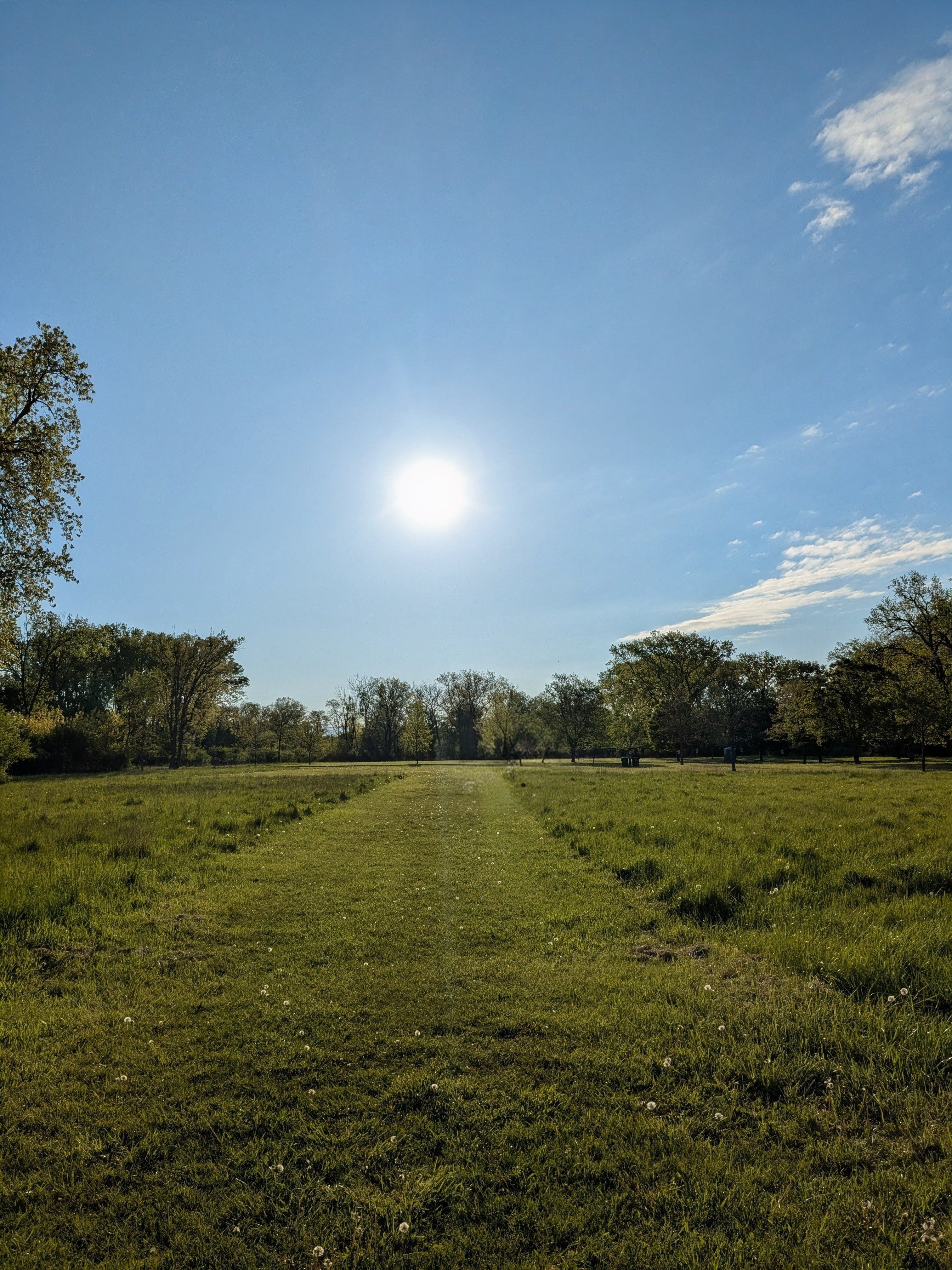
However, I thought I listened to music . . . of sorts. Now, in spring, I can almost hear the slow, unfolding of oak leaves, detect robins stabbing the grass for worms, feel the soft touch of pillowy clouds like an opening curtain that signals the start of a sunny spring show.
At a recent writing workshop, I learned how music influences my reading . . . and my writing.
And that a composer’s intention to create music is much like a writer’s intention to tell a story.
It’s how we are made to feel.
How many times have you read a novel and never really noticed the particular choice of words, the rhythm of sentences in a paragraph, or the volume of the two combined? Your attention was to what was happening, and not the how?
The writer chooses carefully the words you read. Consider how you feel when you read the words “pillowy” or “stabbing” in the previous paragraph about how I thought I listened to music. The dynamics of words elicit emotion, much like a composer who chooses notes and symbols. Pacing, silence, punctuation, and word choice invite you to see what you usually may not have considered: an emotional response in a volume that speaks to you, from the very loud to the quiet
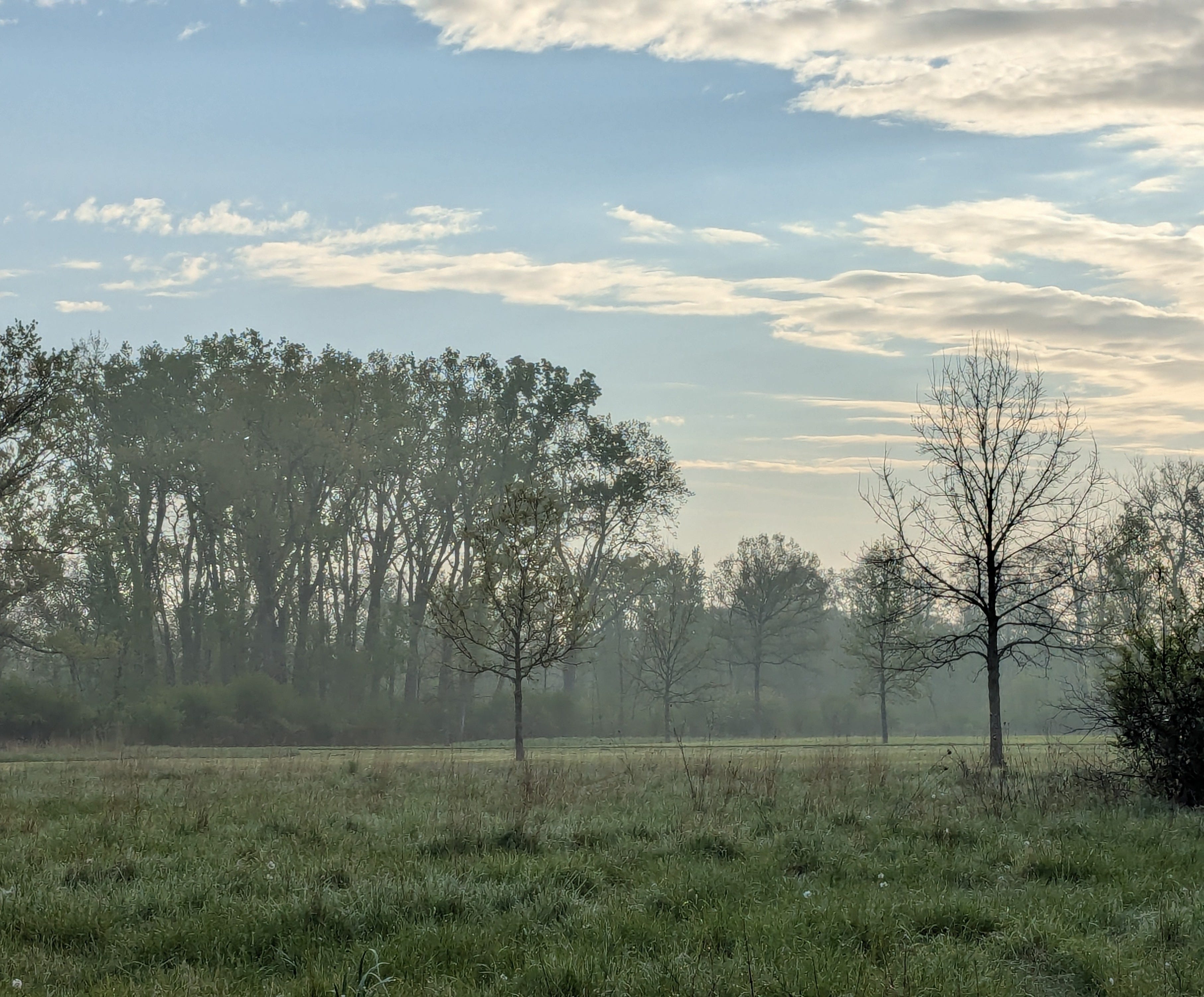
The music of our natural world is a rhythmic system that creates its own music, from tender breezes tickling the bluebells and Lily of the Valley to a clap of thunder at the ripening of a spring storm.
On an early morning walk, I veered from a narrow path onto a short bridge hunched over a sleepy river. A pair of mallards commanded a subtle “V” through still water, and a beaver, then another, created a larger wake as they slipped under the bridge and me. Trees, dressed in light green layers, lined the banks in an emerging spring landscape. The sun, slowly making its way higher, bumped the sky to shatter the water’s surface, igniting sparkles like firecrackers from the clash.
This is an excerpt from an early version of a short story published years ago. I read the paragraph now; a once magical scene of soft and calm changes volume. The sun interrupts with noise—igniting, sparkles, firecrackers, clashing. It was as if Mother Nature were holding out her hands to show me a teachable moment—that there’s not only a story to be found here, but that music was here, too, from the pianissimo (very quiet) to the sforzando (suddenly very loud, a single note).
The more you read, the more you will tune into a writing’s rhythm, structure, pacing, tone, emotion. It’s like a musician listening to music—it tunes your ear.
By listening carefully to the stories you read, you can learn to hear language by noticing rhythm, intensity, and silence in the same way you experience music or the natural world.
And reading then becomes an act of attention. It teaches us to slow down enough to notice, and trains our perception like a musician who develops an ear; readers develop sensitivity.
Over time, reading sharpens our ability to recognize those same dynamics in our daily lives. You can be more aware of emotional changes in your everyday experiences, from the softness of your morning to interruptions in the afternoon, calm and forceful, quiet and noisy.
My play list of the early eighties may have been well-retired, but when I need a sharpening of my reading skills and a return to an act of attention, I tune into “The Moldau” by Bedrich Smetana to feel the suddenly loud from a start of the very quiet.
It changes the way I read.
When you read any works of fiction, do you notice the volume of the written words change? How do your emotions react because of the writing you read?

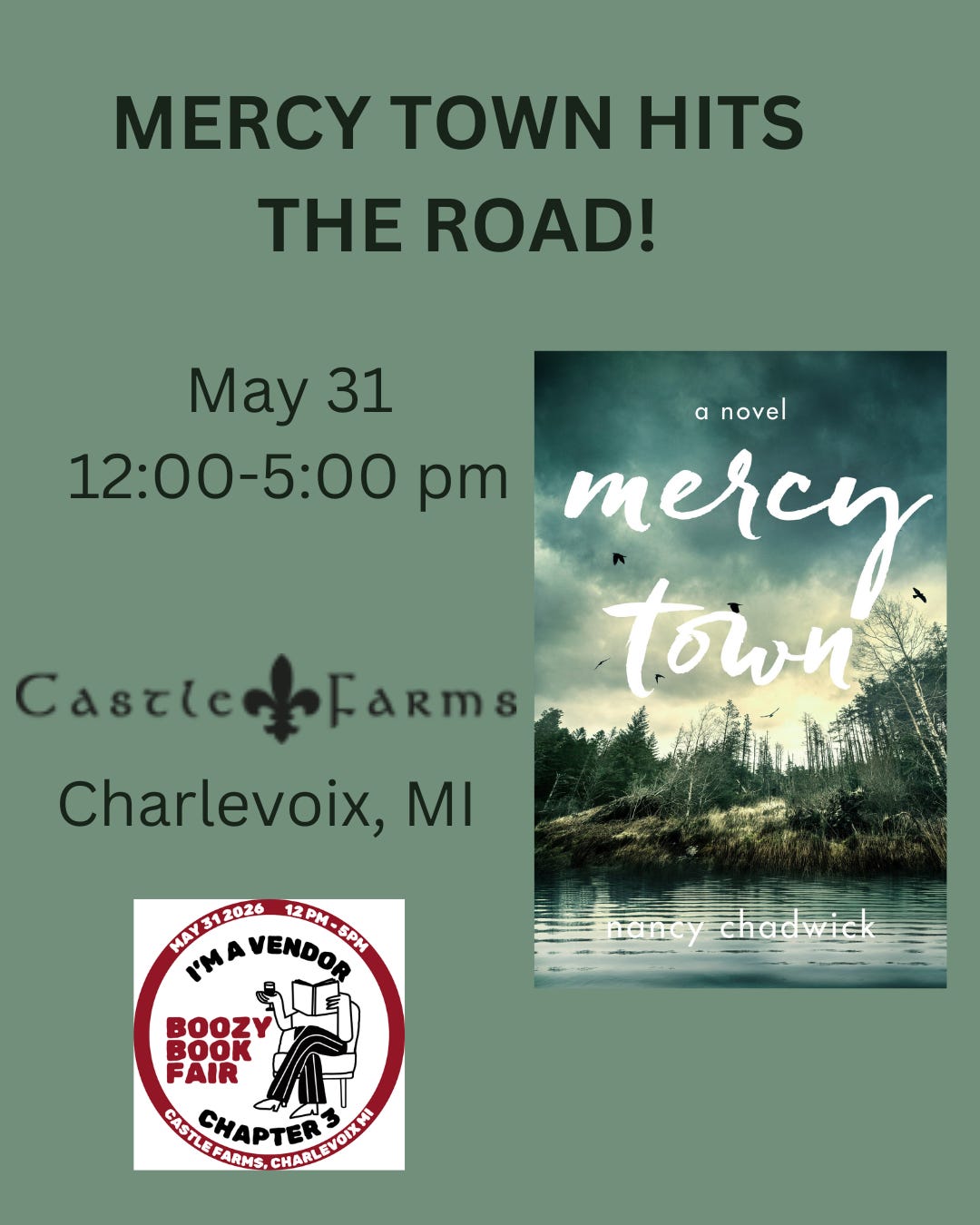
Under the Birch Tree and The Wisdom of the Willow will also be available.


Comments
Nothing yet. Say the first thing.
Sign in to join the conversation.