
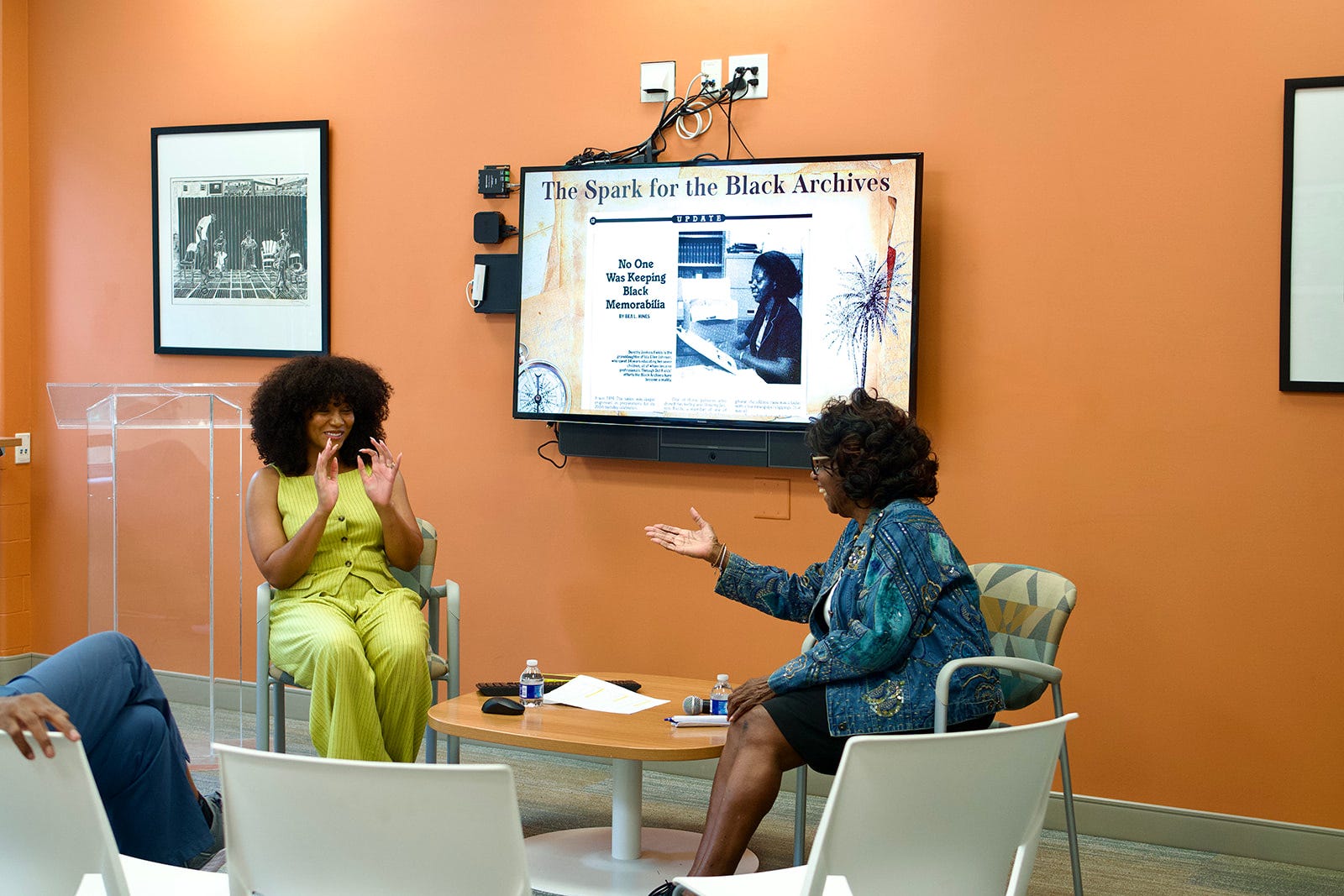
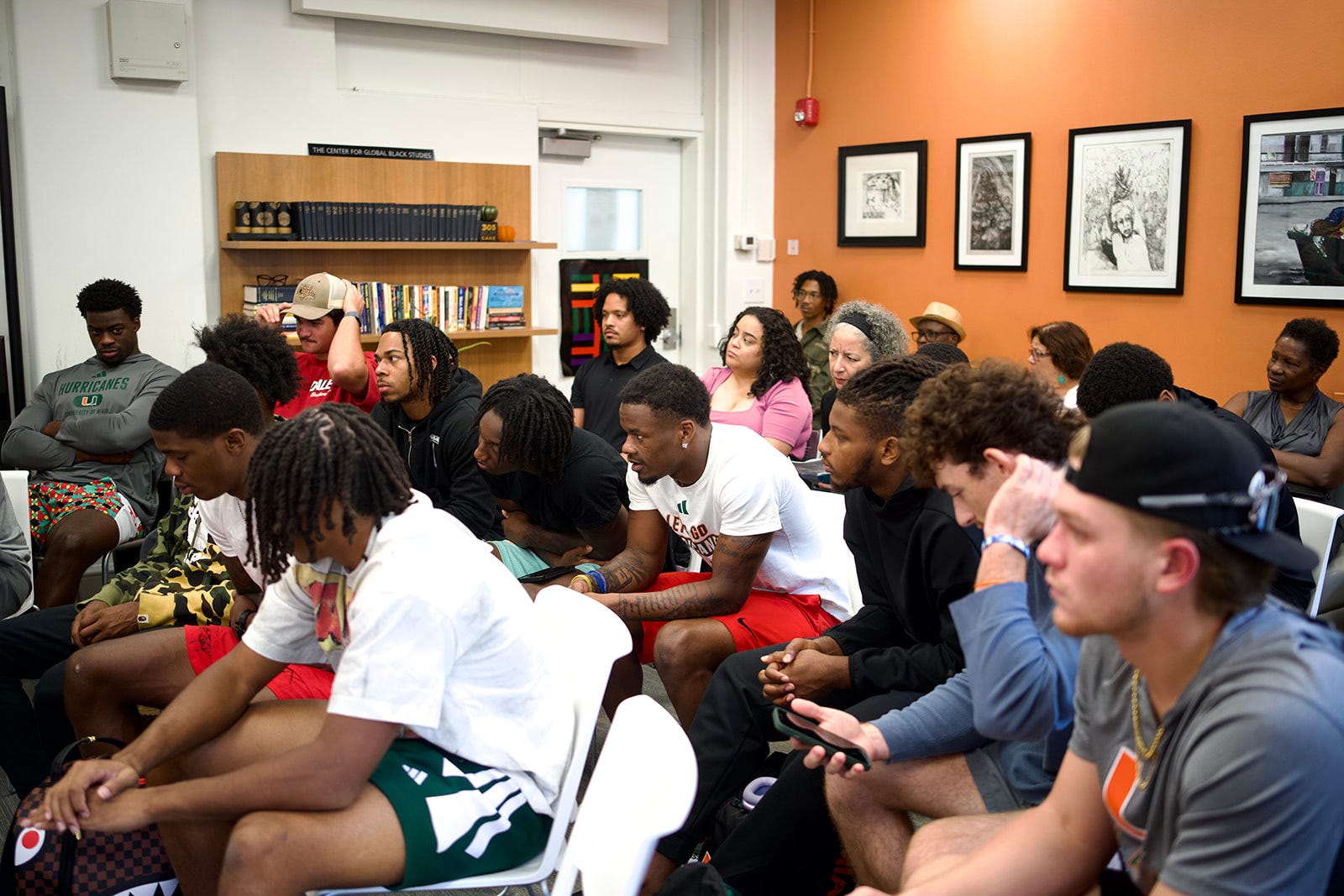
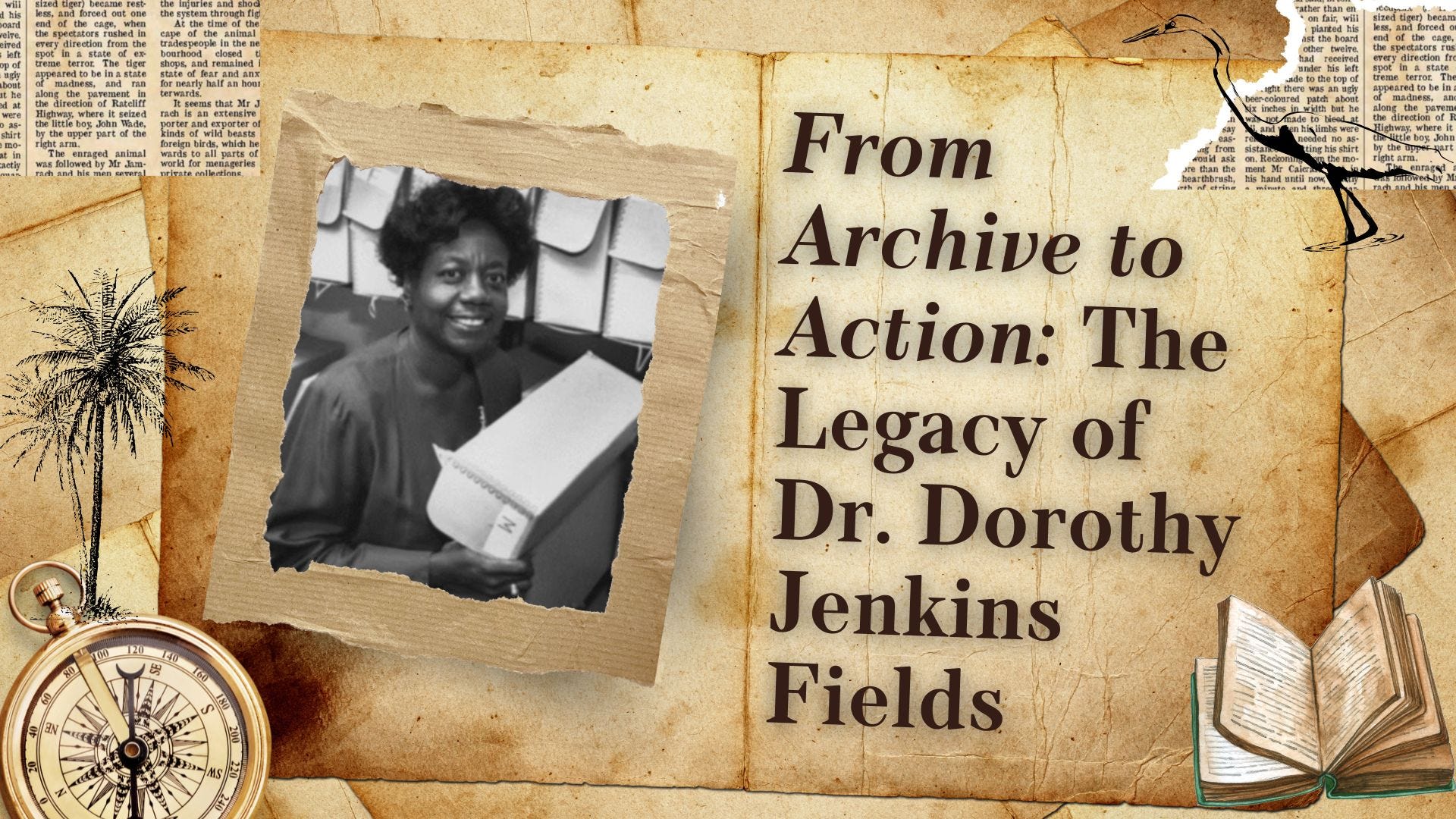
In the fall, I organized and moderated an event titled “From Archive to Action: The Legacy of Dr. Dorothy Jenkins Fields.” Dr. Dorothy Fields has been one of my primary interlocutors in studying the legacy and futures of Black Miami in the 21st century. She is the founder of the Black Archives History and Research Foundation of South Florida and the driving force behind the restoration and historic designation of the Lyric Theater and the Overtown Folklife Village. The event sought to bring this cultural icon into the contemporary University of Miami landscape and to contextualize her ongoing fight for Black epistemologies.
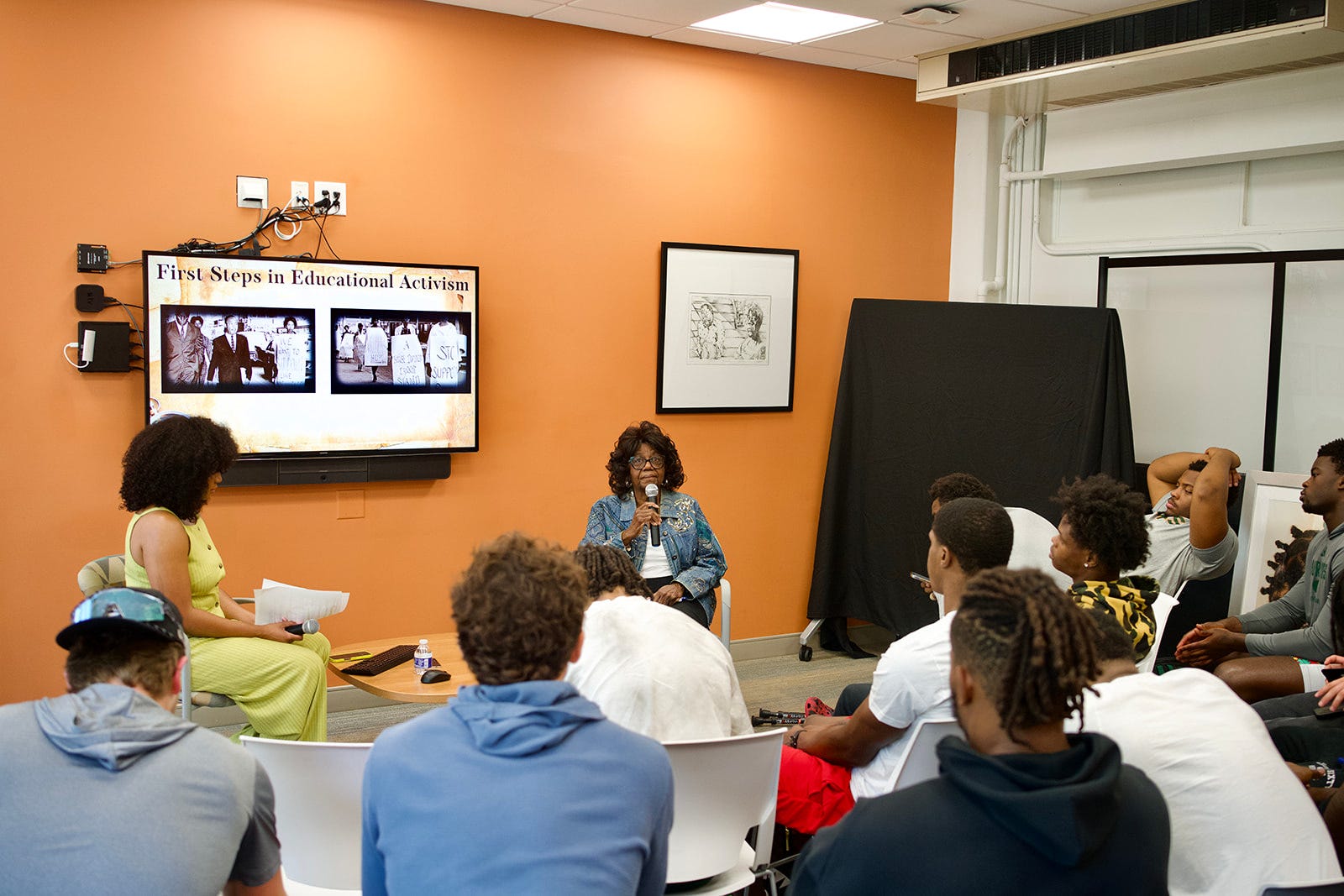
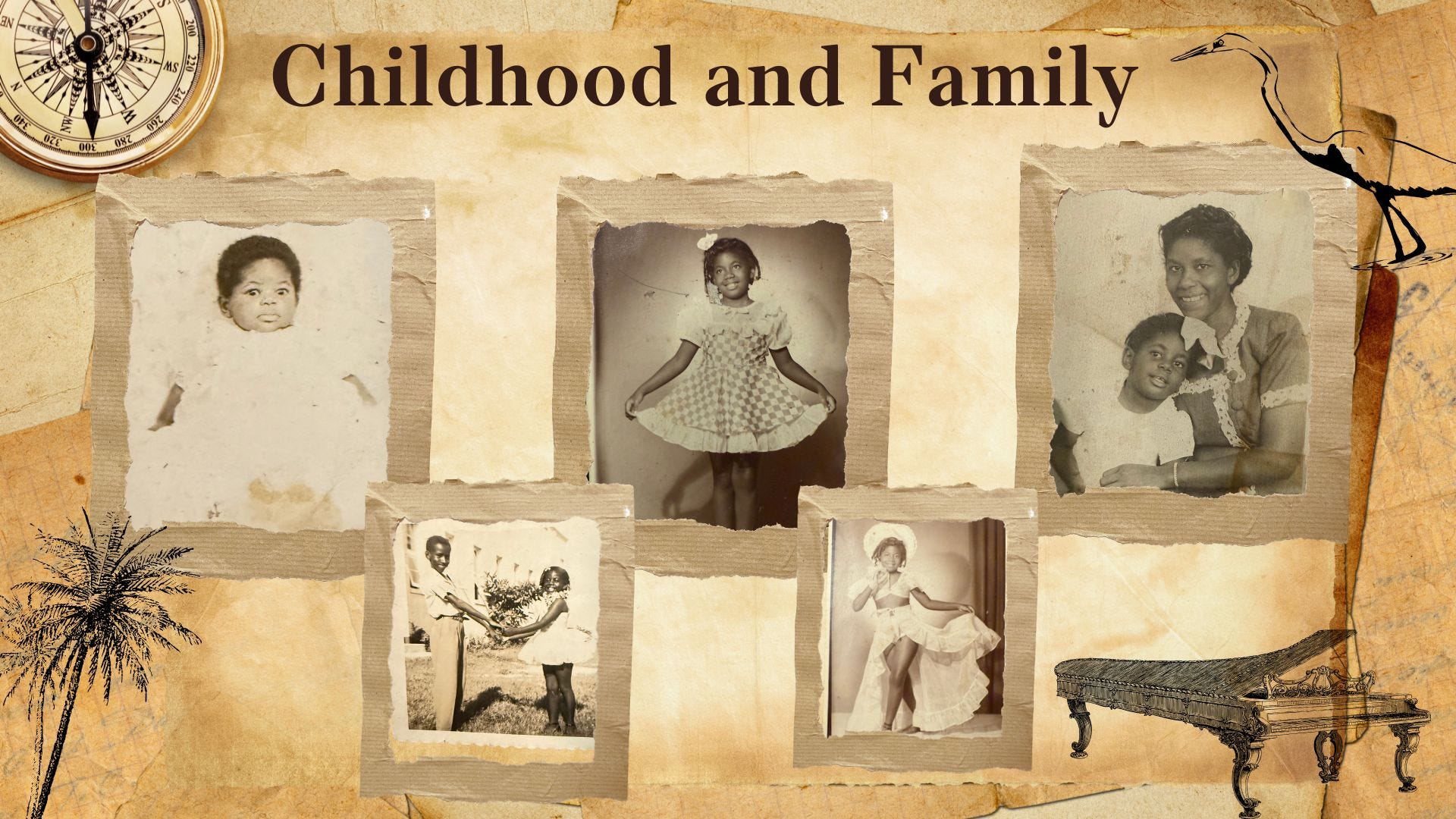
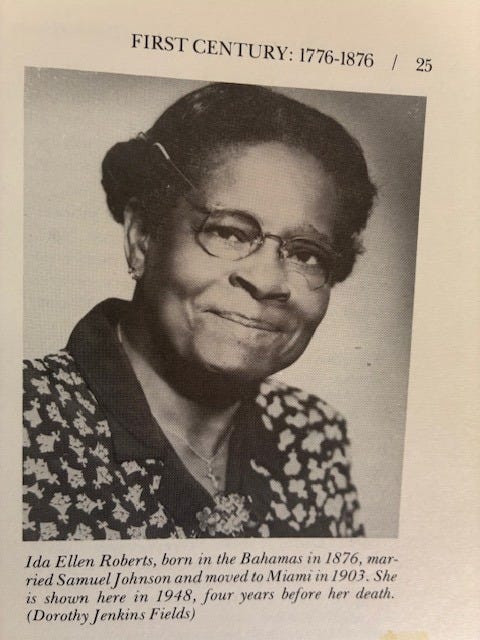
After a round of introductions, the conversation began with Dr. Fields’s childhood and her family’s historical significance as early Bahamian migrants. Her maternal grandparents—a washerwoman and a handyman—sent all seven of their children not only to high school, but also to college before World War II. Access to college education during this period was significant on both sides of the color line, but it is even more of a wonder when one considers that Black Miamians did not receive their first public high school until 1926. Parents often had to save money to send their children to high school—frequently at HBCUs beyond state lines. Fields’ family placed education and community at the center of their lives, producing educators, doctors, and judges.
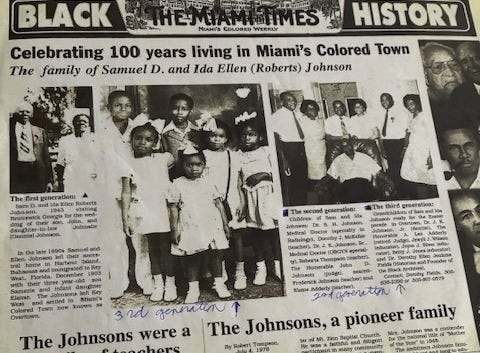
My presentation included a newspaper clipping featuring Fields’s family under the headline: “Celebrating 100 Years Living in Miami’s Colored Town: The Family of Samuel D. and Ida Ellen (Roberts) Johnson.” Published in 1976, the article situated her family in the area prior to the city’s incorporation in 1896. As contributors to early Black Miami history, her family’s story maps a broader geography of Bahamian migration—often beginning in the Florida Keys before continuing north to Miami. The Bahamian influence in South Florida is paramount: agricultural and food systems innovation, architecture and environmentally responsive building practices, culturally specific cuisines and performances, and oceanic epistemologies, to name only a modest list. All the while, Bahamians and African Americans were subjected to Jim Crow codes.
The room shifted when Fields revealed that her mother had once been accepted to the University of Miami—only to have her admission rescinded because she was Black. Students in attendance shared that this personal history made our earlier discussions of racial segregation in America’s paradise feel immediate and real. Fields said, “Oh yes,” and went on to describe how, as a child, she was part of a group of Miami residents—both Black and white—who brought their children together to socialize in a police-monitored setting.
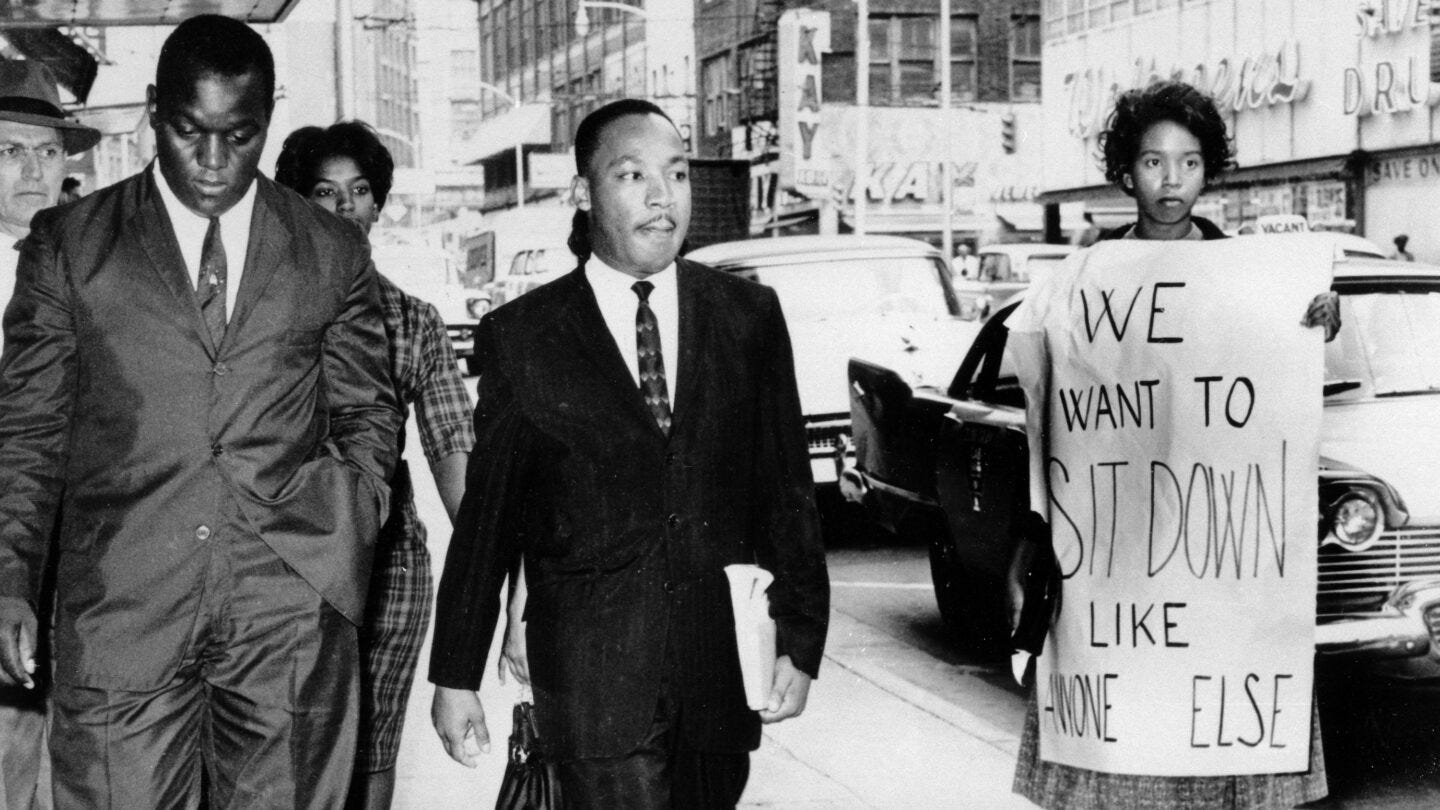
Dr. Fields then shared how her freshman year in college propelled her into active participation in the Civil Rights Movement. In a moment that felt eerily resonant with current news cycles, she recalled arriving at Spelman College and being placed in remedial reading with an affecting instructor who always wore red lipstick. This professor was determined to see her students flourish. One day, she announced that her brother was coming to Atlanta to help students desegregate a department store. When her brother arrived in what was most likely a three-piece suit, the class learned she was introducing them to Dr. Martin Luther King Jr.
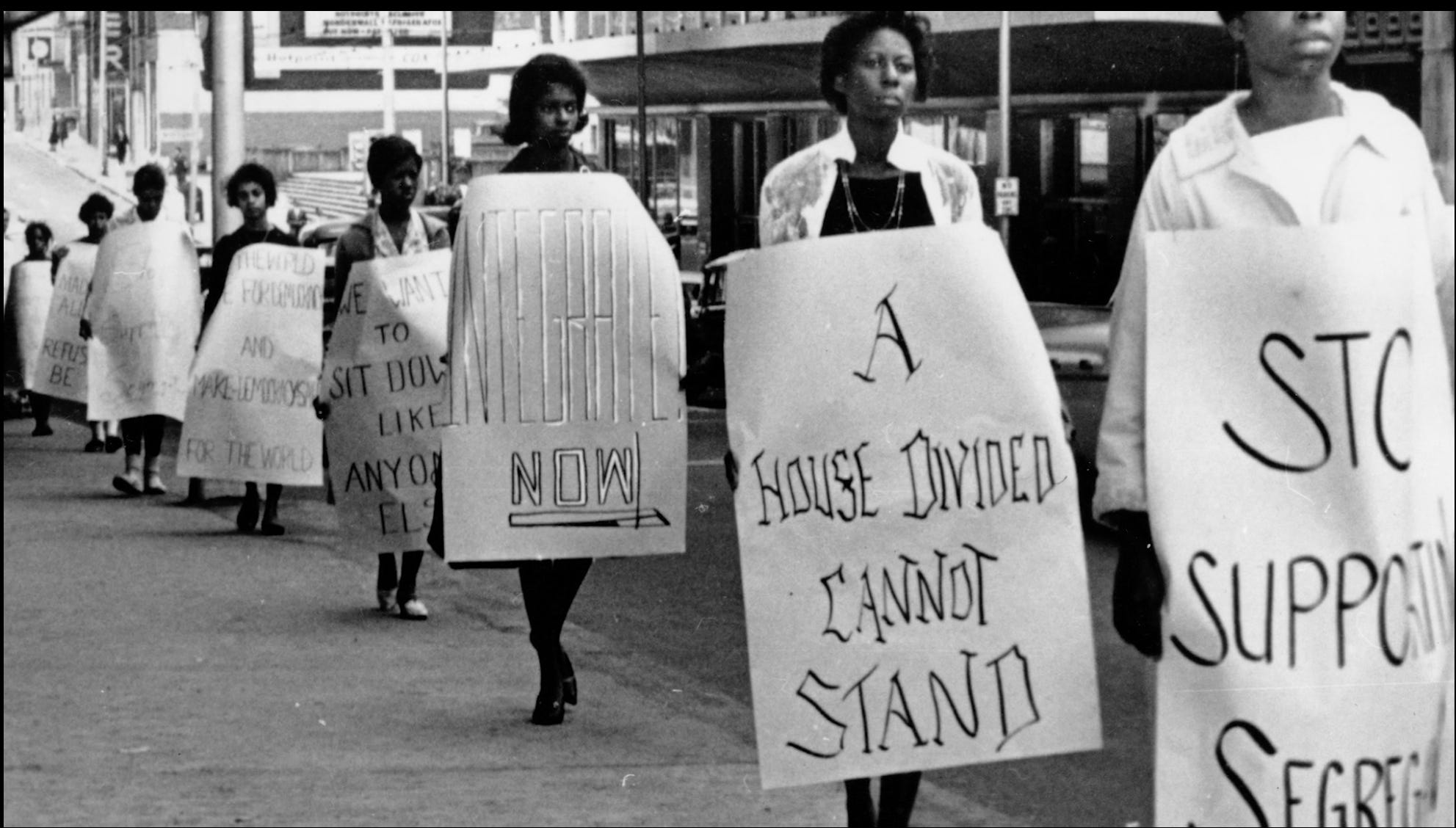
Fields participated in student protests that spurred counter-protests and physical violence from the Ku Klux Klan. Klan members concealed bowling balls in pillowcases and swung them at the abdomens of students in an attempt to disrupt fertility—a base enactment of eugenics. In a moment marked by renewed public dog-whistle eugenics rhetoric, listeners were forced to confront the embodied truth that unfinished histories of racial segregation were not distant pasts, but present realities in the room with us.
Dr. Fields let us in on yet another destiny-shaping experience from her college years: she worked as a librarian. Upon graduation, that experience positioned her to become the first Black librarian in a newly integrated school in Miami’s Opa-locka. The HBCU graduate sought to diversify the school’s literature by including works about Black people in Miami—a legacy that ran through her veins.
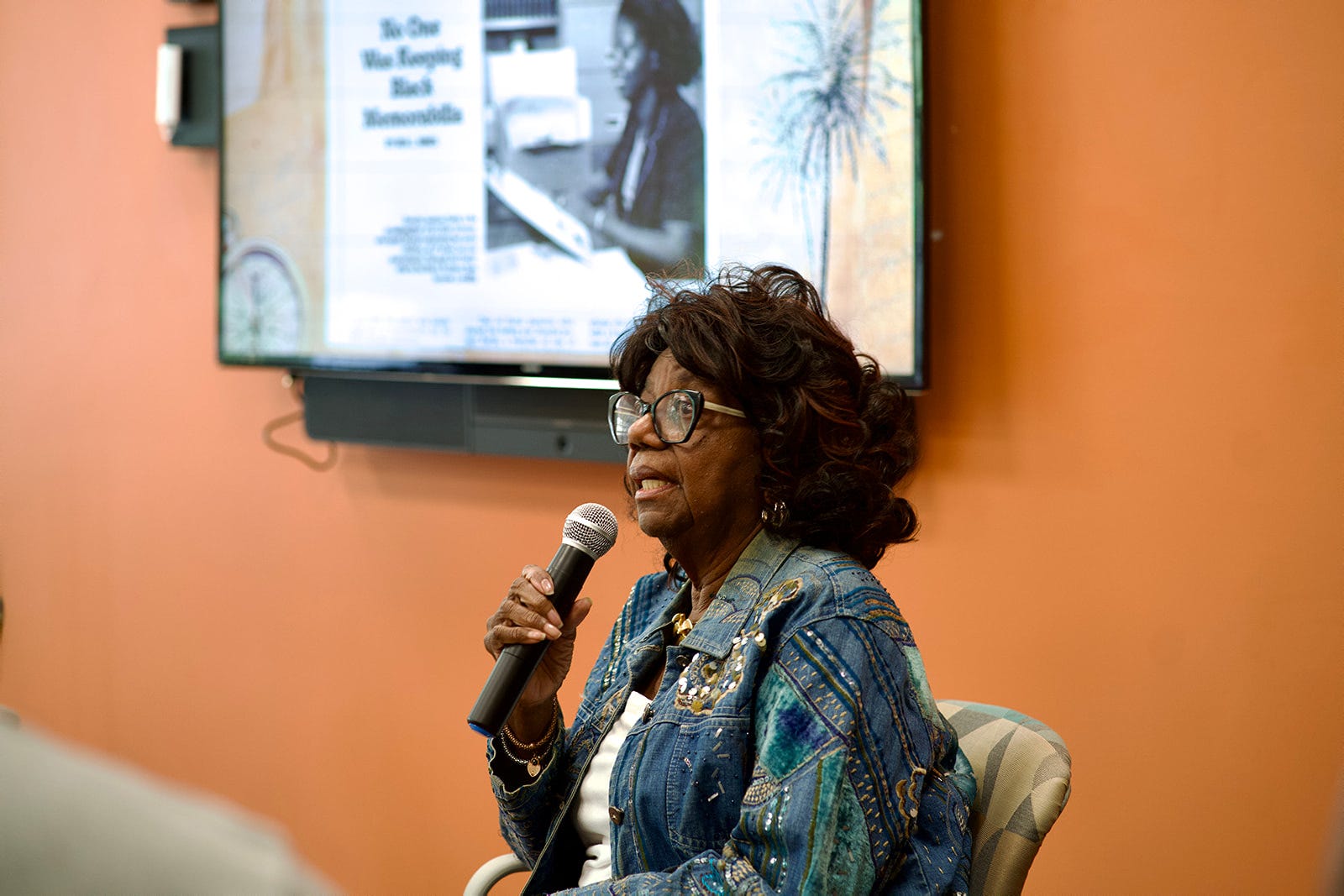
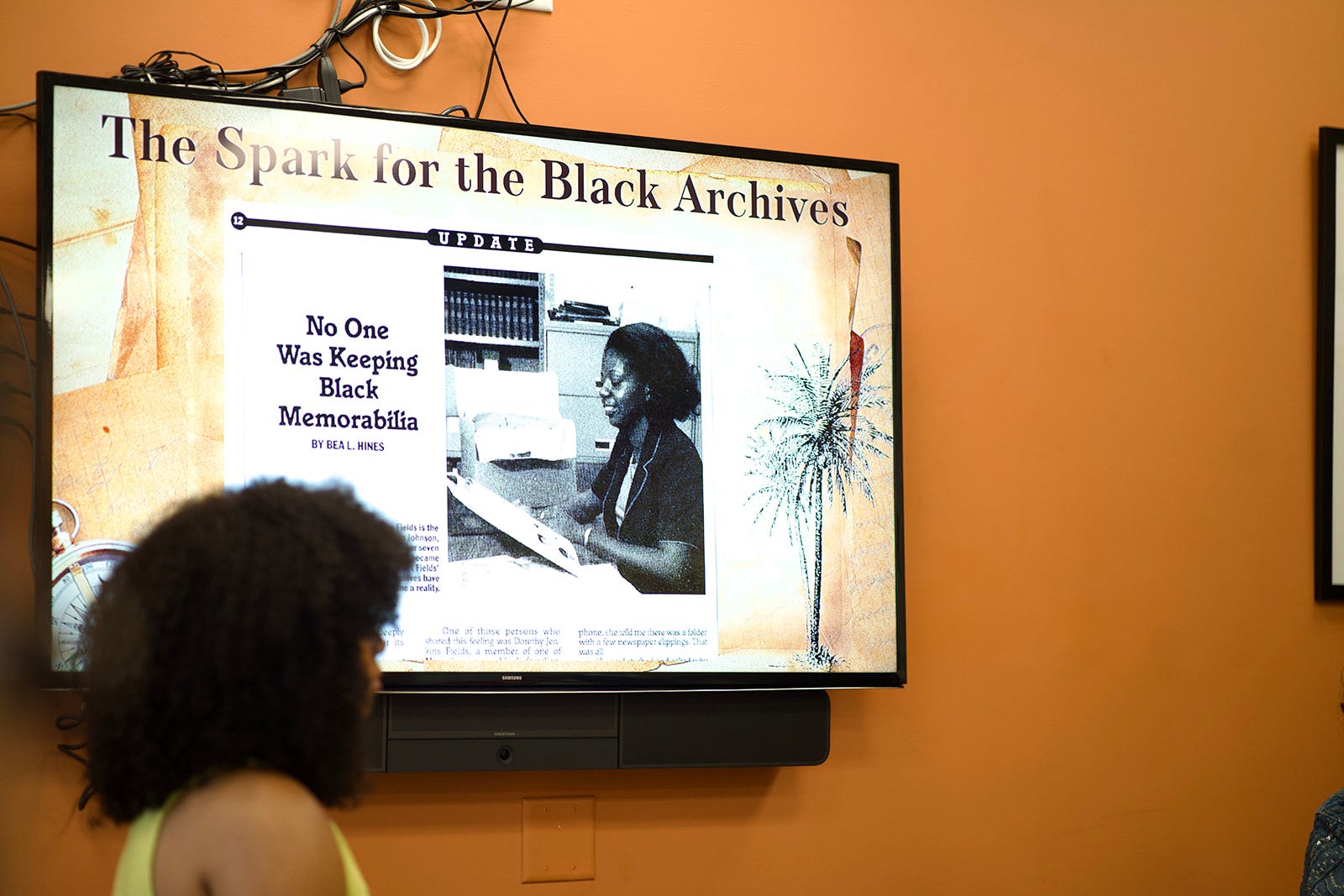
When a Miami-Dade clerk informed her that of the 10,000 books available to send to the school, none told such stories. She was stunned. When she asked why no such book existed, the clerk replied, “I guess those people haven’t thought enough of themselves to write their own histories.” That conversation ignited Dr. Fields’s mission to create the Black Archives.
In the field of performance studies, the premise that writing serves as primary evidence of historical existence and importance has long been critiqued. Diana Taylor’s The Archive and the Repertoire remains canonical for expanding this critique beyond textocentrism to interrogate the colonial logics embedded in record-keeping itself. Her theorization of the archive and the repertoire has become central to the field.
The archive is an official institution where records are kept—“documents, maps, literary texts, letters, archaeological remains, bones, videos, films, CDs, all those items supposedly resistant to change.” The repertoire, by contrast, “enacts embodied memory: performance, gestures, orality, movement, dance, singing—in short, all those acts usually thought of as ephemeral, nonreproducible knowledge.”
Though Taylor never intended these concepts to function as a strict binary, the archive is often read as aligned with structures of power. But what might the archive mean for a population resisting structural displacement and erasure through archival practice? How might building an archive itself become an enactment of the repertoire?
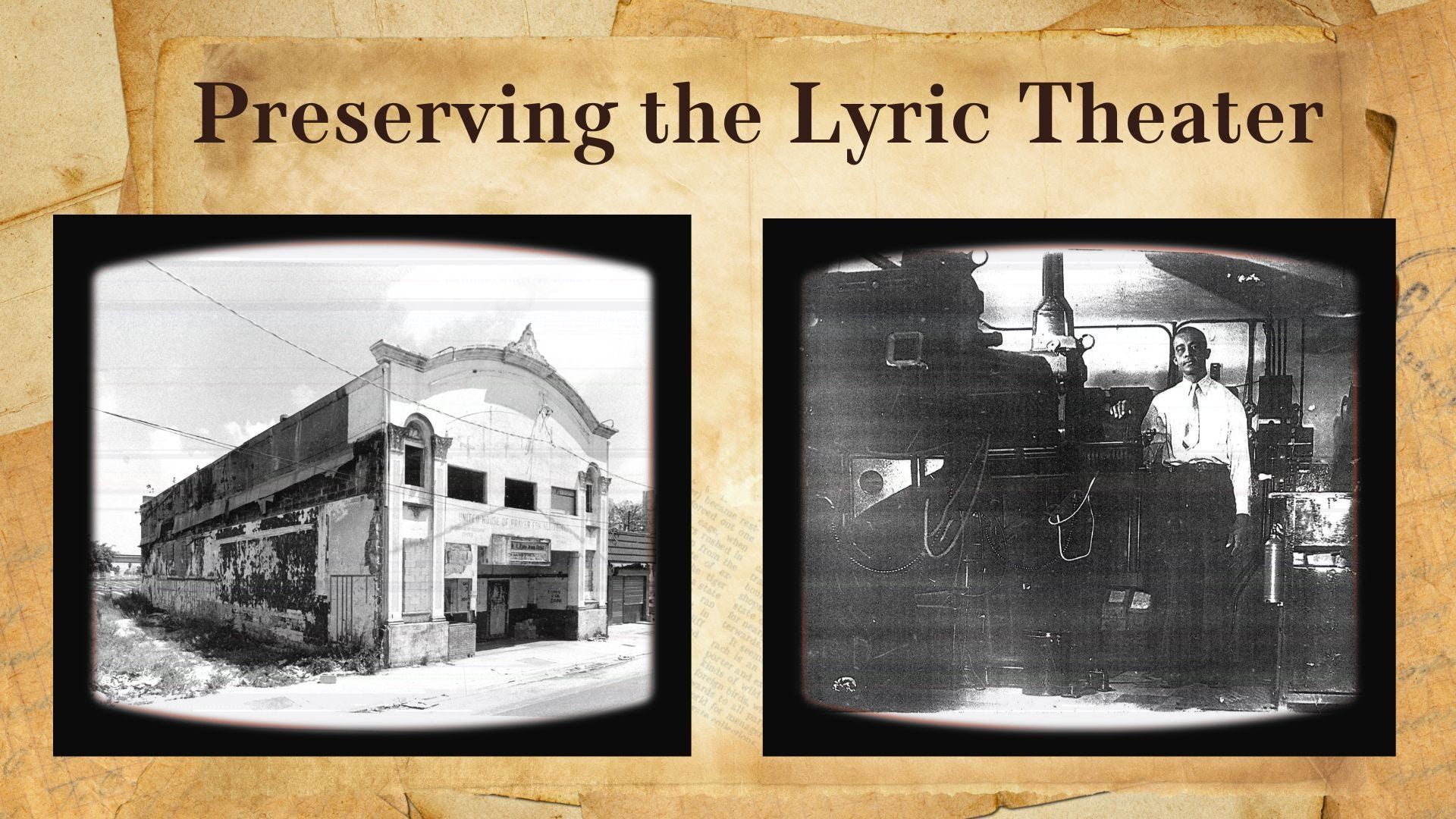
The Black Archives is housed in Miami’s Historic Lyric Theater, the oldest playhouse in the city, founded in Overtown—once known as “Colored Town.” As I have written elsewhere:
“The Lyric Theater was established in 1913 by Geder Walker. A local news article described the theater as “possibly the most beautiful and costly playhouse owned by Colored people in all the Southland.” Hosting movies and vaudeville acts, Lyric Theater anchored an area that became known as Miami’s “Little Broadway.” At the height of its expansion, the theater presented the Lyric Bakery and the Lyric Ice Cream Shop and Café. Overtown’s theater, hotels, restaurants, nightclubs, and frequent celebrity sightings attracted talent and tourists from all over the nation. Lyric Theater staged a variety of scenes; “school children and civic groups performed on its stage and special events such as commencement ceremonies were held there. Visiting luminaries Mary McCloud Bethune, Ethel Waters, the Fisk Jubilee Singers, and others lectured and sang at the Lyric” [17]. However, this vibrant theater, rooted in Black art, performance, and politics, would go through a drastic change emblematic of many Black geographies in the 1960s—the mobilization of state-sponsored urban renewal initiatives through the development of a federal highway.”
Dr. Fields activated both the archive and the repertoire by restoring the theater and surrounding buildings in her effort to designate the area as a historic landmark. The archive aids her in performing Black Miami—enacting Black sustainability through temporal leaps. Thinking across time and outside linearity becomes an essential tool for students coming to terms with the cyclical nature of racial progress and white supremacist backlash.
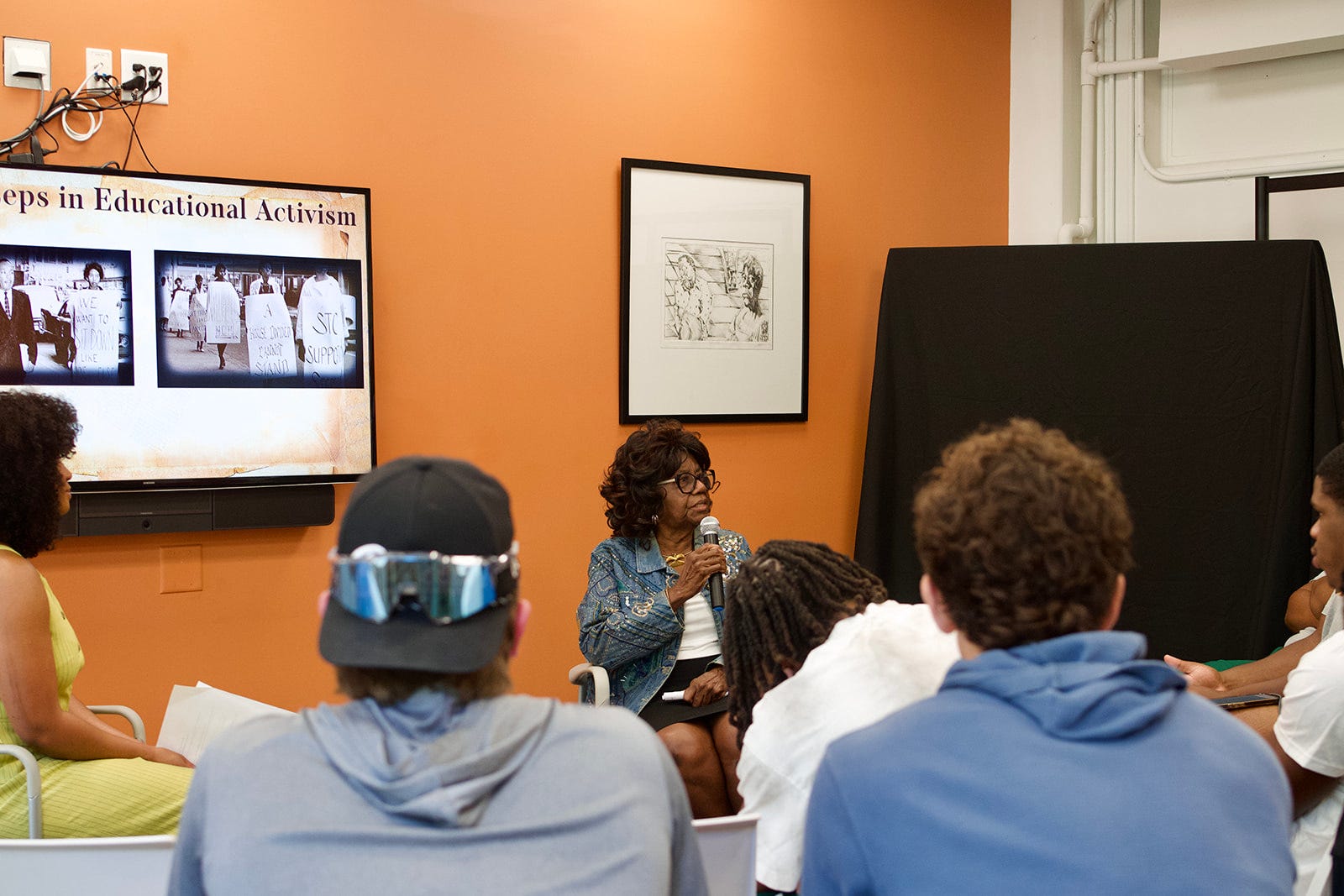
In a full-circle moment, Dr. Fields has recently contributed part of her archive to UM—the very institution that rescinded her mother’s admission. While in the Bahamas, her grandmother once imagined providing an education for children she had not yet birthed. Dr. Fields is quite literally her ancestors’ wildest dreams. She is a dream forged through a hard-won fight, and she let the students know that she is ready to pass the baton.
Palms up, don’t look back, take flight.
No posts
Comments
Nothing yet. Say the first thing.
Sign in to join the conversation.