
FAIR WARNING: Knepp deserved the full treatment. This week's newsletter is a long one, chock full of photos and links, and it may arrive truncated in your email. Click through to the web version for everything.
There’s a gate. You open it, and you step through, and then something happens to your brain. It takes a minute to work out what it is.
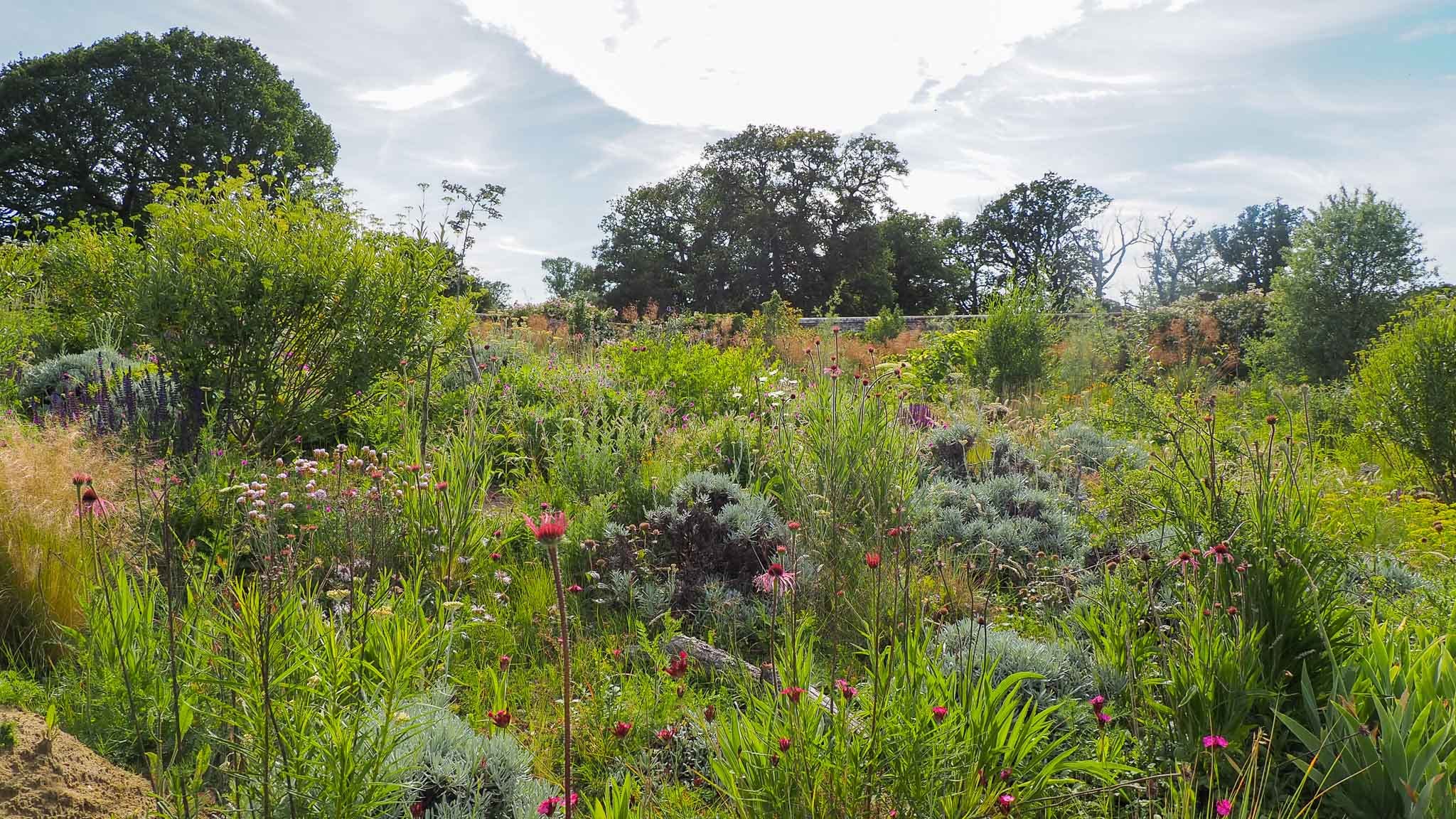
Nothing here looks like a garden.
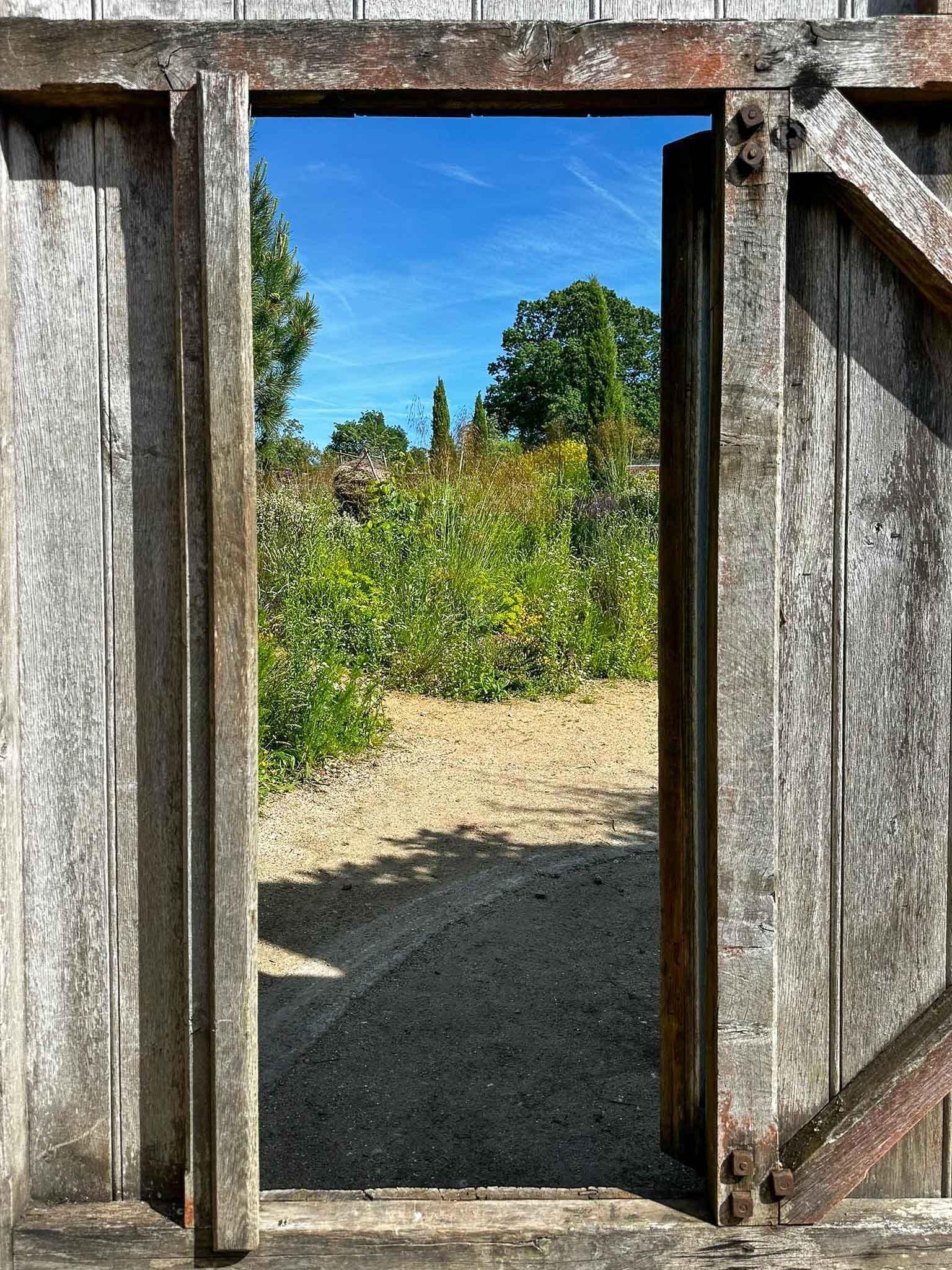
Or rather, it looks like NOTHING like a garden you’ve ever seen before. And that right there is both the point, together with a kind of a slightly awkward discomfort. Because if you’ve spent years, as I have, thinking about gardens, designed hundreds of them, visited thousands of them, the first response when you walk into Knepp’s walled garden is genuinely one of shock. Not bad shock. Not disappointment. Just a kind of re-setting. A recalibrating. The brain going: this isn’t quite what I was expecting, and I need a moment.
I went last week with a group of friends, Bea Aling as our guide. Charlie Harpur and I had met recently at a talk and hit it off, and at the end of his day he came to find us in the greenhouses in the kitchen garden, ready to water them at the end of the day.
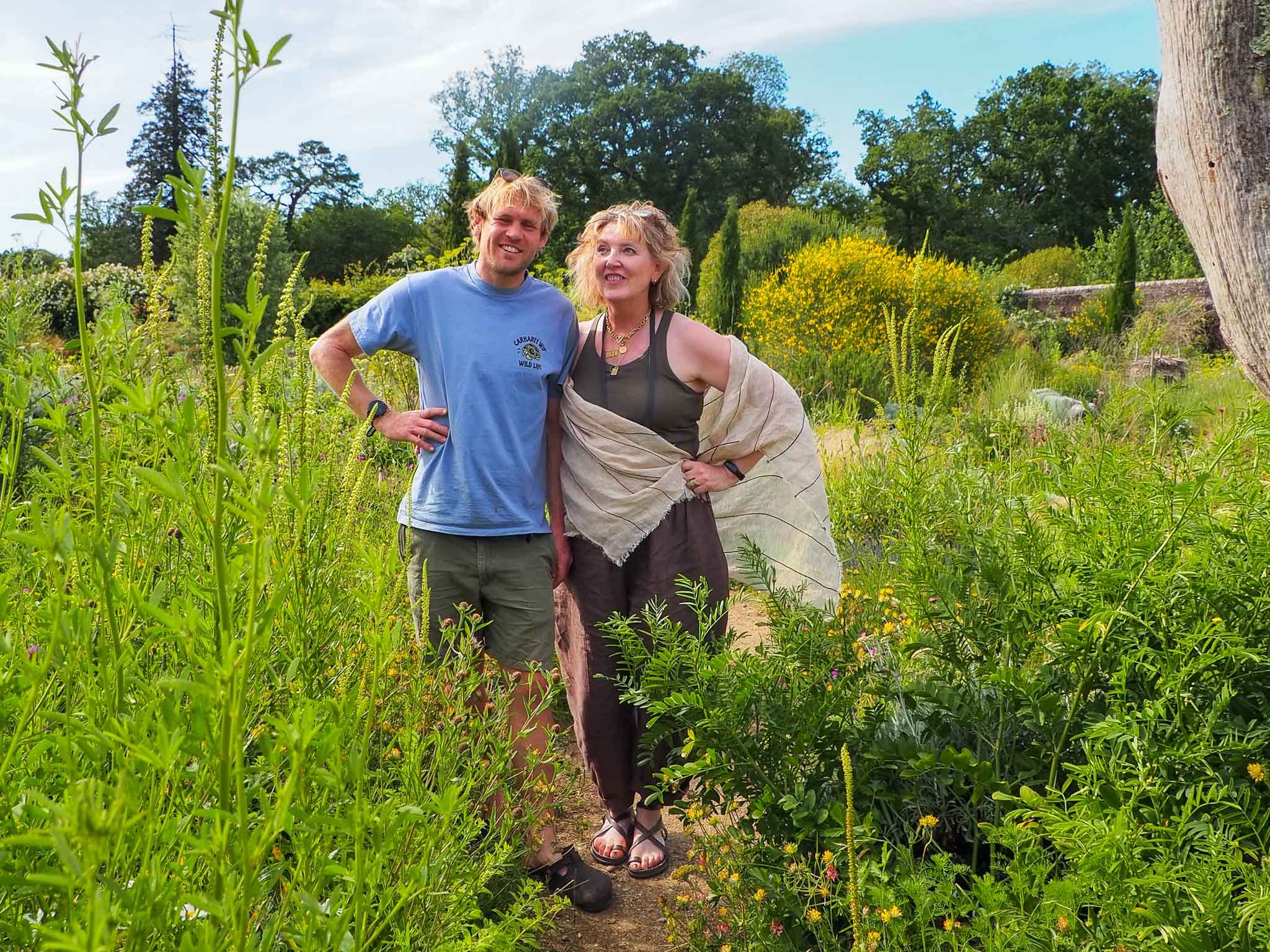
After my visit, I want to share what I found, honestly. The good, the questions, and the things I’m still mulling over.
Because right from the off, one question was forming in my head: is this rewilding, renaturing, or just very brave gardening?
I still don’t have a clear answer.
If you’ve read the book, or seen the film, you’ll likely know the wider story. Isabella Tree and her husband Charlie Burrell took their 3,500-acre Sussex farm out of conventional land management over twenty years ago. The wildlife results have been extraordinary: purple emperors, turtle doves, peregrine falcons, white storks. The estate is now one of the UK’s most celebrated rewilding projects, and Isabella’s book Wilding brought all of it to a massive audience.
But the walled garden was the anomoly. While the wider estate was transforming into a rolling, teeming complex of scrub and wood pasture, the walled garden, right there in the middle of it, was still being managed with traditional formality. A croquet lawn. Neat beds. Mown grass. It started to look, Isabella has said, increasingly incongruous. Like a pressed suit in the middle of a rock concert.
So, they went to Tom Stuart-Smith. And the question they asked him was one of the most interesting in contemporary horticulture: how do you rewild a garden?
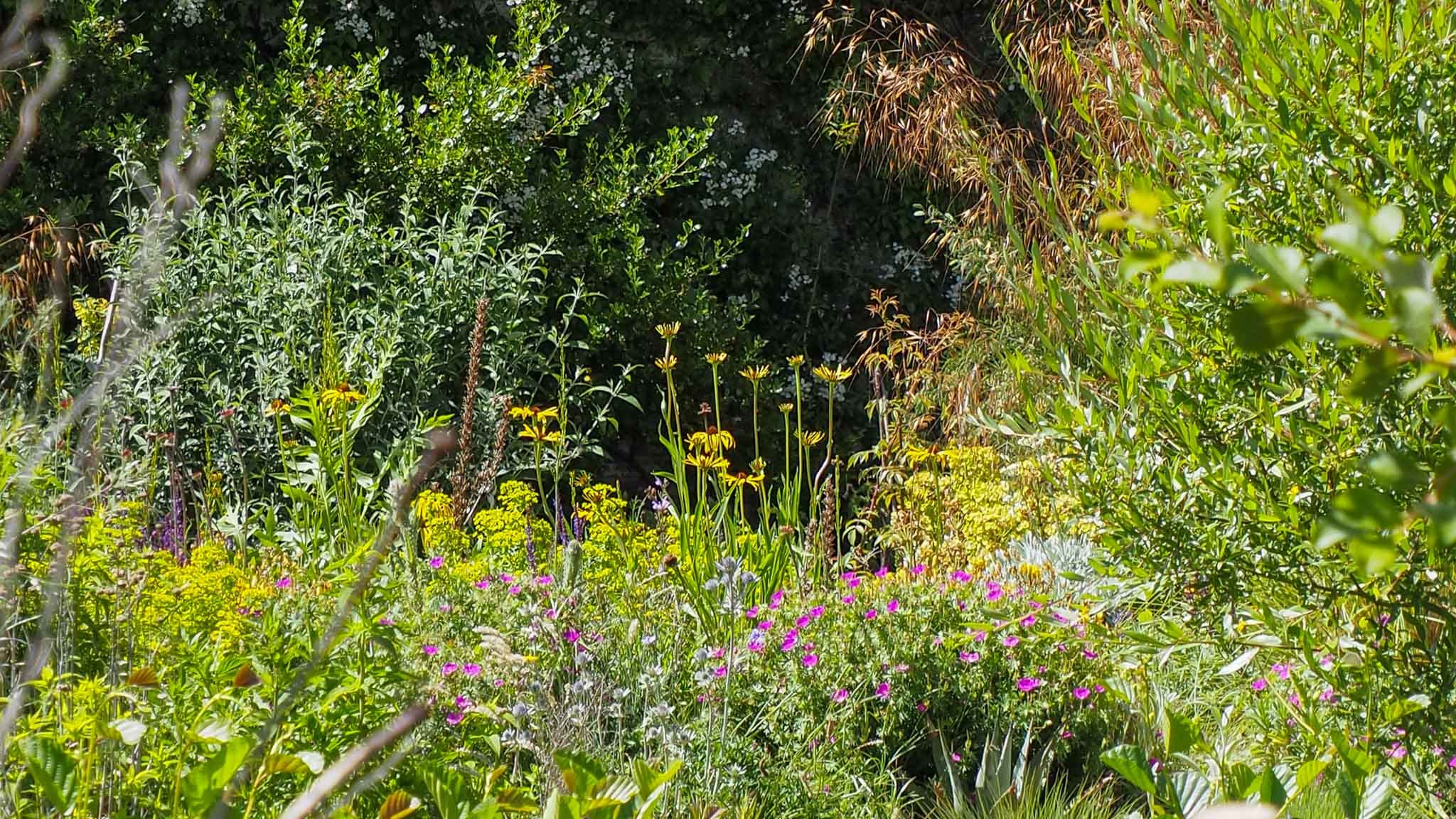
Here’s the part that gives you a sense of the SCALE of ambition. They didn’t just change the planting. They changed the ground itself.
The croquet lawn was stripped. The topsoil was mixed with sand and the crushed brick and concrete of demolished outbuildings, and 400 tonnes of this material was put back, not as a flat surface, but as landscape. Mounds, ridges, hollows and peaks, varying in height by up to 3 metres in places. What was once a flat lawn is now an undulating terrain with aspects, microclimates, south-facing slopes and damp troughs, each supporting different plant communities.
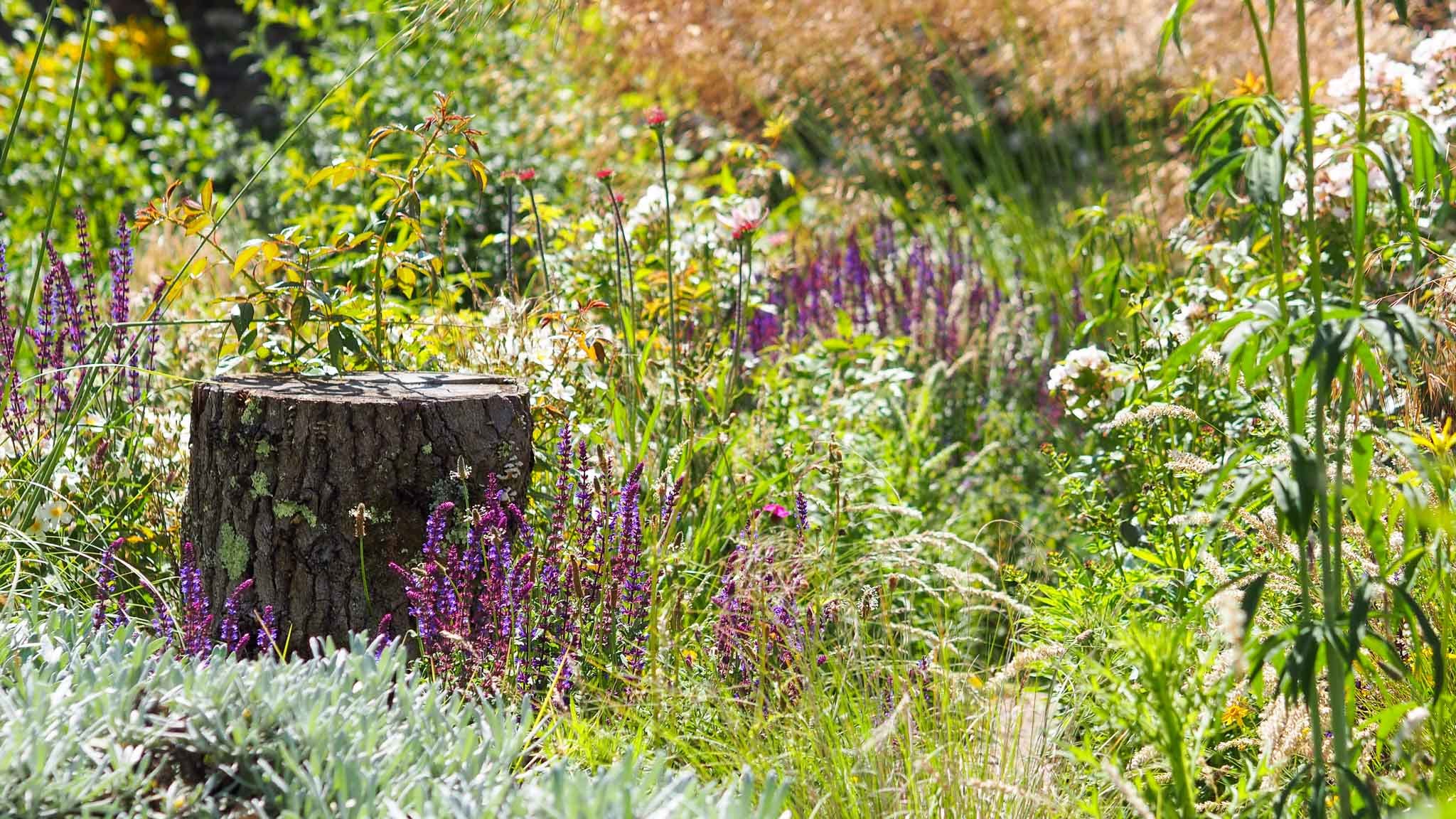
The result is over 1,000 plant species in just over an acre. Tapestry is the only word for it, though even that feels inadequate.
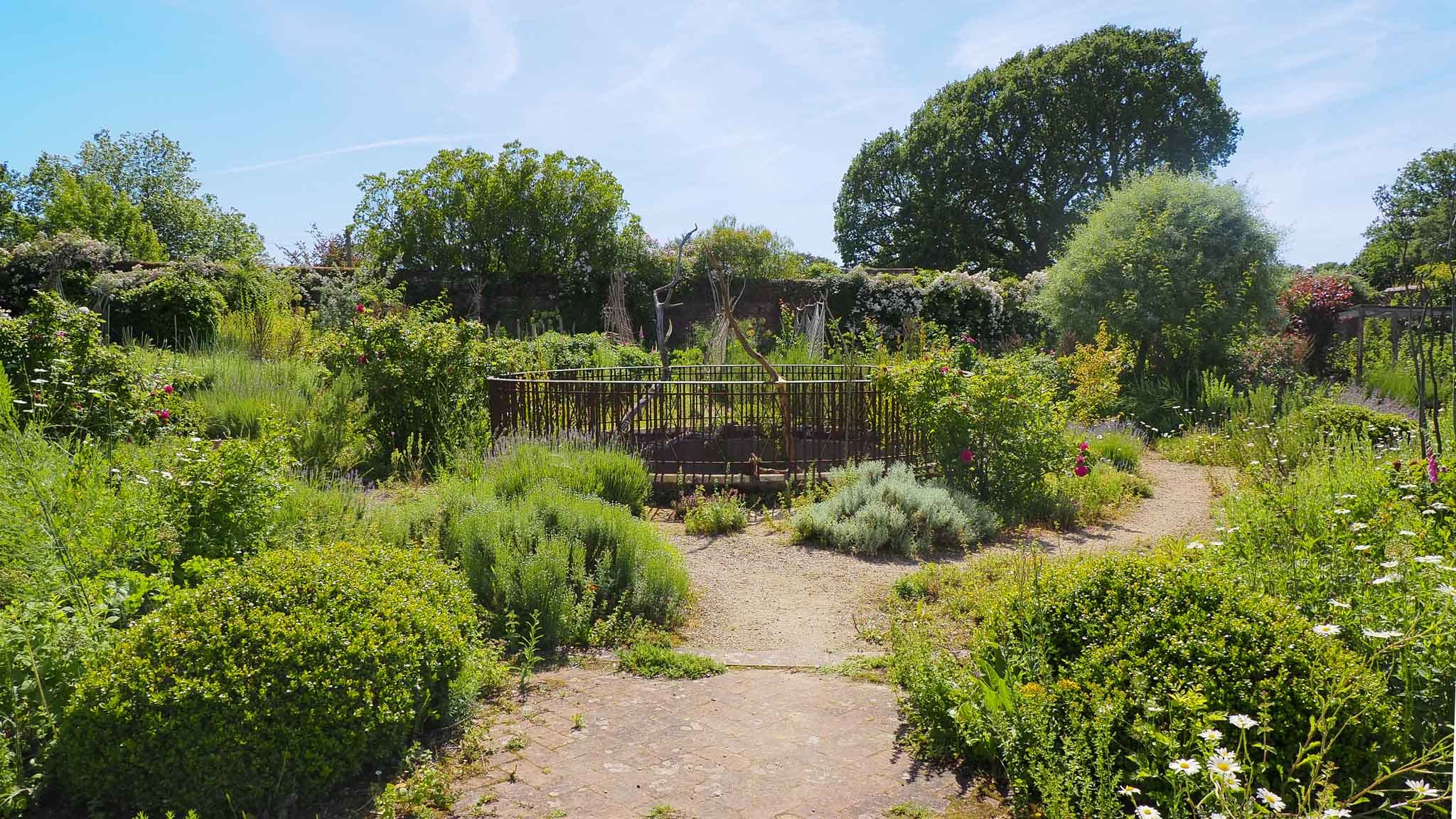
Moy Fierheller, the deputy head gardener, has coined a phrase which I think captures the vibe brilliantly: “messy ecosystems, orderly frames.”
You see it immediately in the walled garden. The paths are shaggy at the edges, but largely clear. The walls are maintained. The whole thing is CLEARLY a place being cared for by human beings, with intent. The messiness, the wildness, the complexity is entirely deliberate. And the frame, the order, the structure, is what signals that to the visitor. Without the frame, you’d just think it had been abandoned. With it, you understand that you’re inside something carefully considered.
It challenges and makes us think about what a garden is supposed to look like. And that, Knepp would argue, is EXACTLY the point.
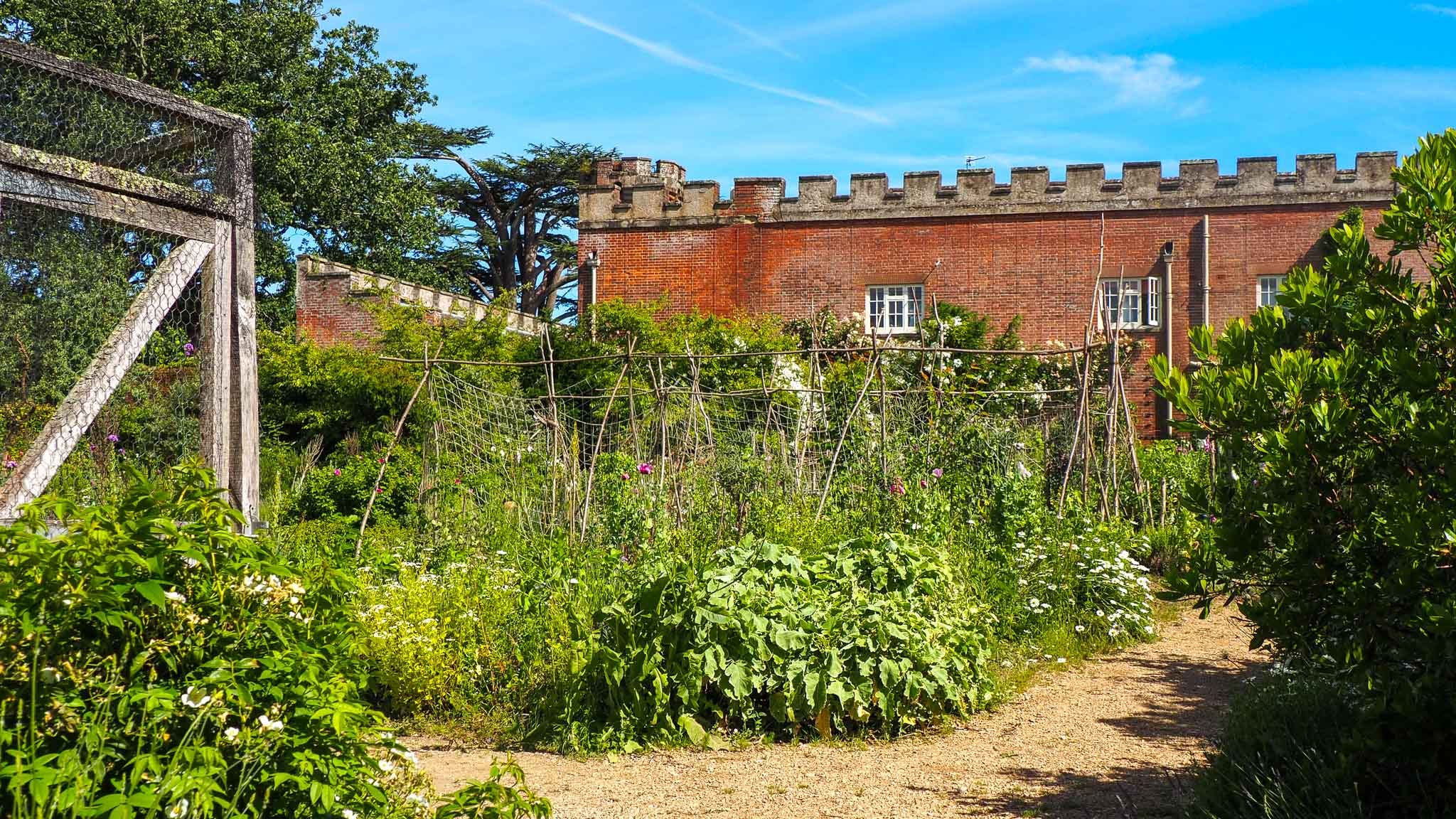
If you’re thinking about doing something like this at home, there’s a note of warning: every design decision in this garden has consequences, some of them unexpected. Which brings me to the voles. (You’ll find out about the voles in the paid section. They are worth it.)
If you’ve just found My Real Gardens, welcome. This is my personal gardening life, shared completely - thirty years of designing other people’s gardens, honestly (the successes and the failures). Garden visits, advice, plant lists, seasonal stories, and a genuinely non-judgmental community. There’s always room on the other side of the fence.
If you enjoy a garden visit, there’s a growing archive.
Earlier this year: Forde Abbey, What I Saw and What I’m Stealing — the walled garden, the meadows, the kitchen garden, and where you’ll first meet Joshua Sparkes.
Last summer, Chelsea Physic Garden, which turns out to be where Charlie Harpur began his journey into plants.
And, as one of Knepp’s conultants, Rocking the Herb World: Jekka McVicar's Herbal Hit Factory, which is exactly what it sounds like, and brilliant.
Meanwhile, A quick thank you to my paid subscribers who make My Real Gardens possible!
On the other side of the garden gate this week you’ll find:
● The voles who are eating everything and cannot be stopped, and what this tells us about the limits of rewilding
● Charlie Harper: the architect who fell in love with a planting plan on someone else’s drawing board, and followed it all the way to Sussex
● The kitchen garden, the dipping pool fed by castle rooftops, and what Joshua Sparkes has to do with it all
● Dead tree stems with holes drilled in them, a man called John Little with very big ideas, and an ant colony that formed entirely on its own (Charlie was SO proud)
● The swimming pool question, the clay underneath, and why I think this garden might be something other than rewilding, even if the results are extraordinary
● Waltham Place and Henk Gerritsen, and the precedent that might matter here
Your subscription (less than a bag of compost a month) genuinely keeps this garden conversation growing. As always, there are links peppered throughout the written version of this post, so do have a browse.
Comments
Nothing yet. Say the first thing.
Sign in to join the conversation.