
In #0002 of my ongoing ‘5 Things’ series, I share updates about AI hiring humans, open source AI advancements, a company on a mission to induce conscious experiences, the rise of the robots, and a unique product designed to combat illiteracy.
What is ‘5 Things?’
Exactly what it sounds like—a regular post featuring five recent, interesting, noteworthy, curious, and/or useful things that have been on my mind.
Payman AI: enabling AI to tap human talent
Prophetic induces elation via ultrasonic brainwave entrainment
Llama 3: Meta open sources a GPT-4-tier model
Boston Dynamics’ Electric Atlas, Figure, Optimus & the rise of robots
Literacy Pen: smart, simple, impactful product design
Let’s dive in…
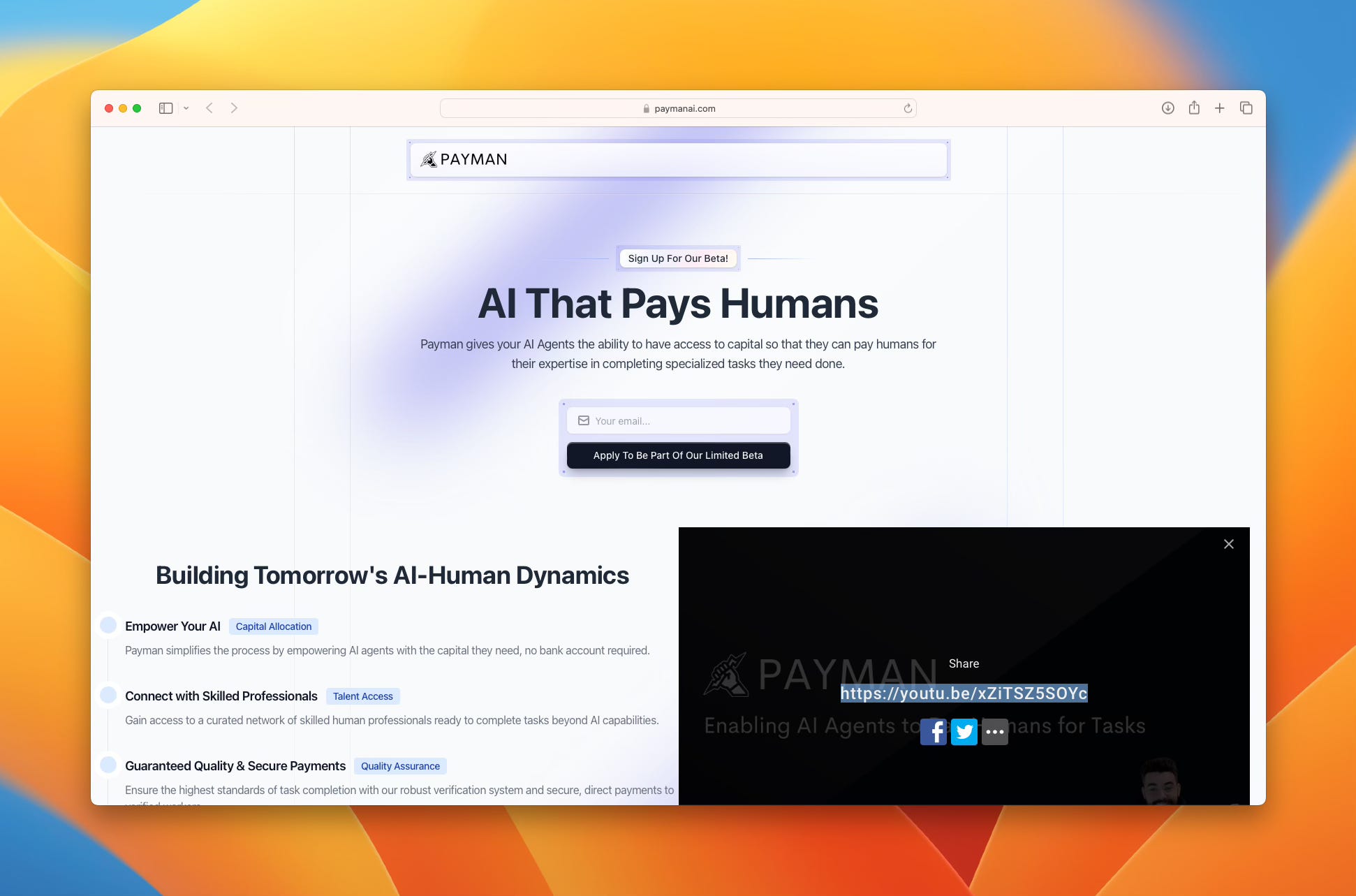
It was only a matter of time before someone created a marketplace for AI to tap the human talent pool—and Payman AI is doing it. Recognizing the coming explosion of autonomous and semi autonomous AI agents, Payman is helping bridge the capabilities gap by giving AI the power to employ humans to complete the tasks that it cannot (yet).
It works by allocating a “wallet” to each AI agent with funds that can be replenished. The Agents can then post tasks on a job board and pay whoever completes them satisfactorily. Basically a stepping stone to outright giving AI agents bank accounts and unleashing them on Indeed.
Think Upwork, Fiverr, Amazon’s Mechanical Turk, or Task Rabbit—but AI is the employer.
As AI makes its way further into our lives there will remain a certain amount of work that requires human hands (literally and figuratively). In the short term this includes employing human expert oversight—actually shifting the role of the knowledge workers AI is displacing by paying people to become AI quality assurance experts rather than creators themselves. Longer term it may skew further toward physical tasks. Either way Payman (and others like it) will give AI the means to reach deeper into our world.
On the positive side, this has the potential to unlock huge productivity and growth gains. A more seamless flow between AI and human that enables value exchange will set the stage for all kinds of new business models and services. On a darker side, this new capability combined with AI’s well known persuasion capabilities will enable some of AI’s negative impacts to extend further into the physical world.
Either way it, feels like another inevitable level unlocked on the road of AI expansion.
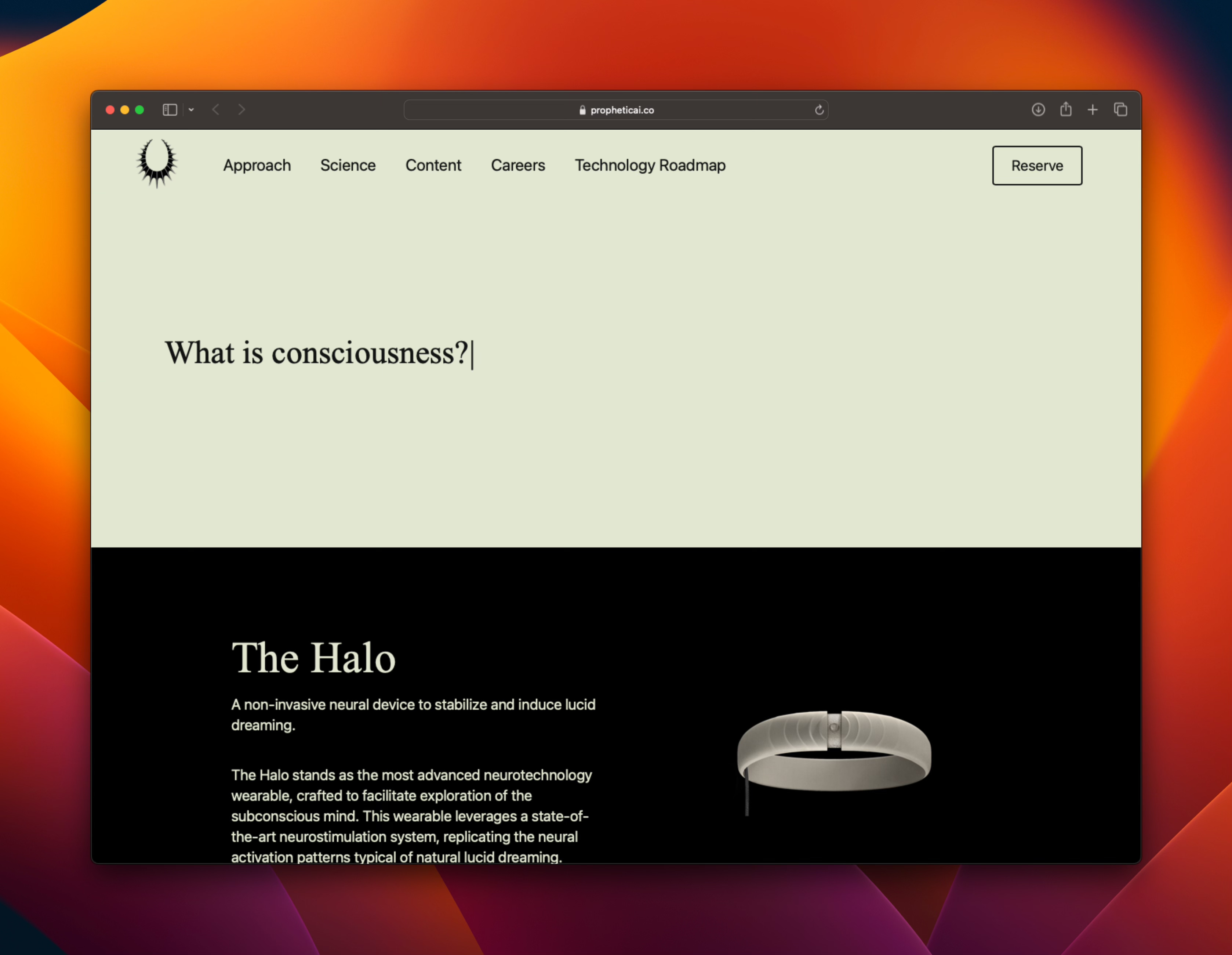
I’m a fan of Prophetic and what they’re trying to do. In fact, I purchased a preorder slot to secure my spot for one of their Halo headsets. So take the following with a grain of salt.
Essentially they are building a headset technology that uses ultrasonic brain stimulation and resonance to induce lucid dreaming.
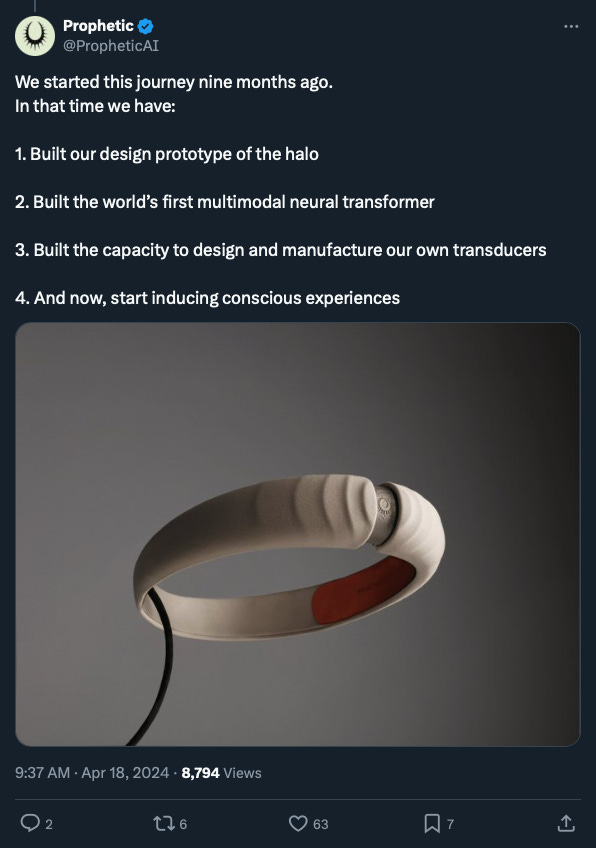
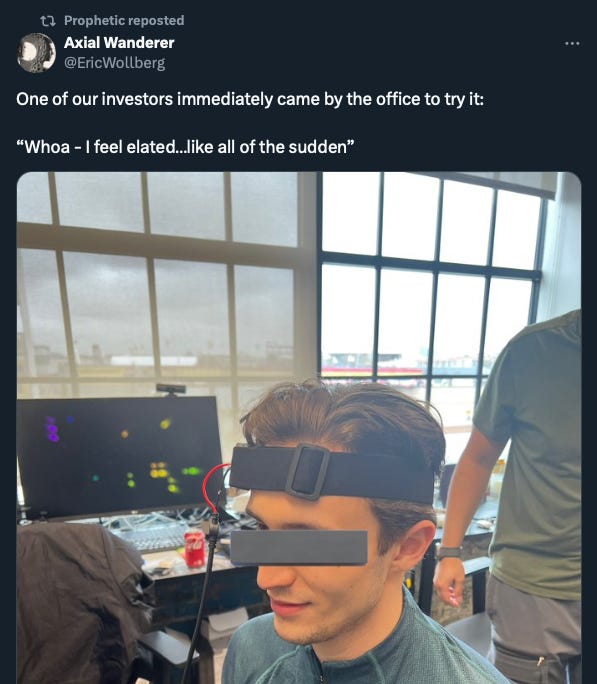
In their latest announcement and progress report from the Prophetic team, they declared the beginning of their beta period and expanded mission—shifting from a “lucid dreaming” company to a “conscious experiences” company. Wild right?
Today, we are setting sail on an adventure to give the world the ability to explore the state-space of conscious experiences.
What this means is still yet to be seen, but I’m excited to be an early spectator (and adopter) to a journey that could unlock the most mysterious layer of human experience—consciousness.
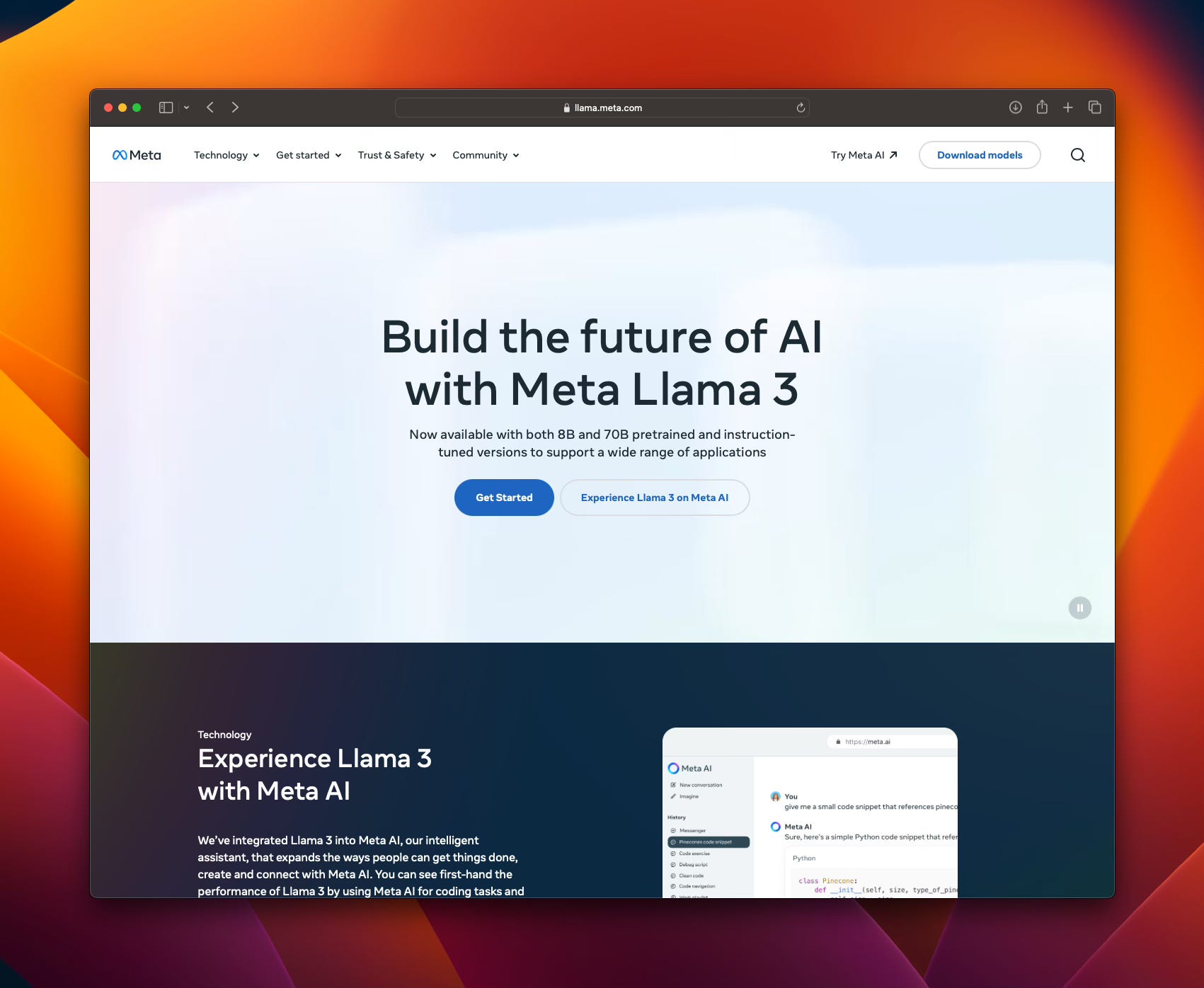
Meta blew the socks off the AI community with its recent drop of its open source Llama 3 model—performing at or above GPT-4 capability level (the current gold standard for best-in-class LLMs).
Why this is important? By making this high-quality model available for open source use, they have directly challenged the market dominating positions of OpenAI, Microsoft, Anthropic and Google—who are the current providers of paid, closed-source AI models of the same caliber.
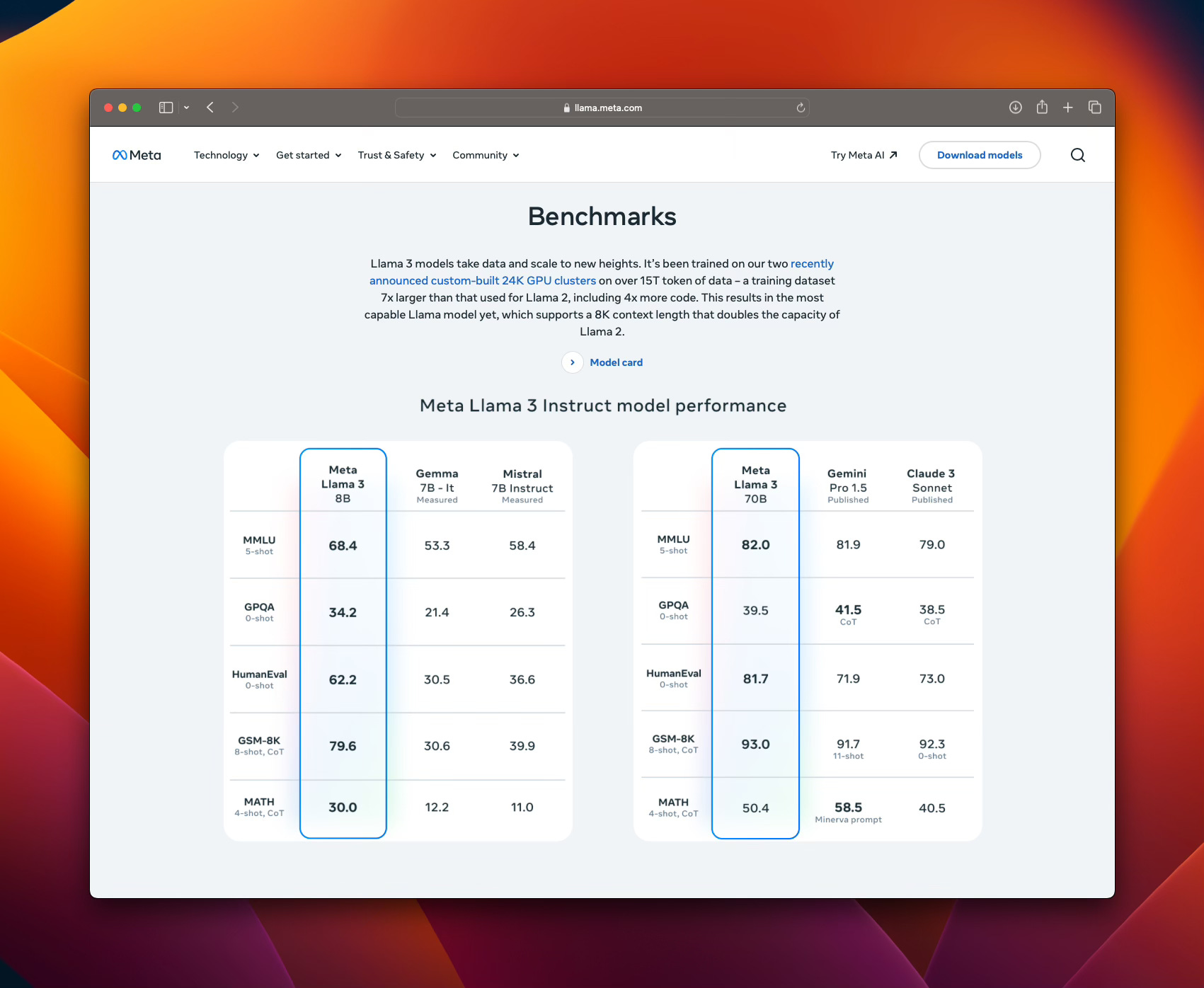
By putting this model out there, Meta and Zuckerberg are forcing the issue of model commoditization and raising the question of the commercial value of those trying to sell models as as service. They are challenging the other AI market leaders to beat the Llama 3 standard in order to gain a market edge (which according to recent Zuckerberg interviews, it doesn’t sound like he thinks is possible in the short term, given certain energy and compute resource limitations).
Developers who want to build with LLM technology now have an alternative model that can perform at the highest commercial standards and you don’t have to pay a gate keeper to run it for you.
Already the AI hype cloud has shifted its focus from Anthropic’s Claude 3 (the previous “latest thing”) and is now fully focused on hacking and building on Llama 3. Notable early iterations include huge boosts to context inputs and the nifty tricks by folks like Matt Shumer.
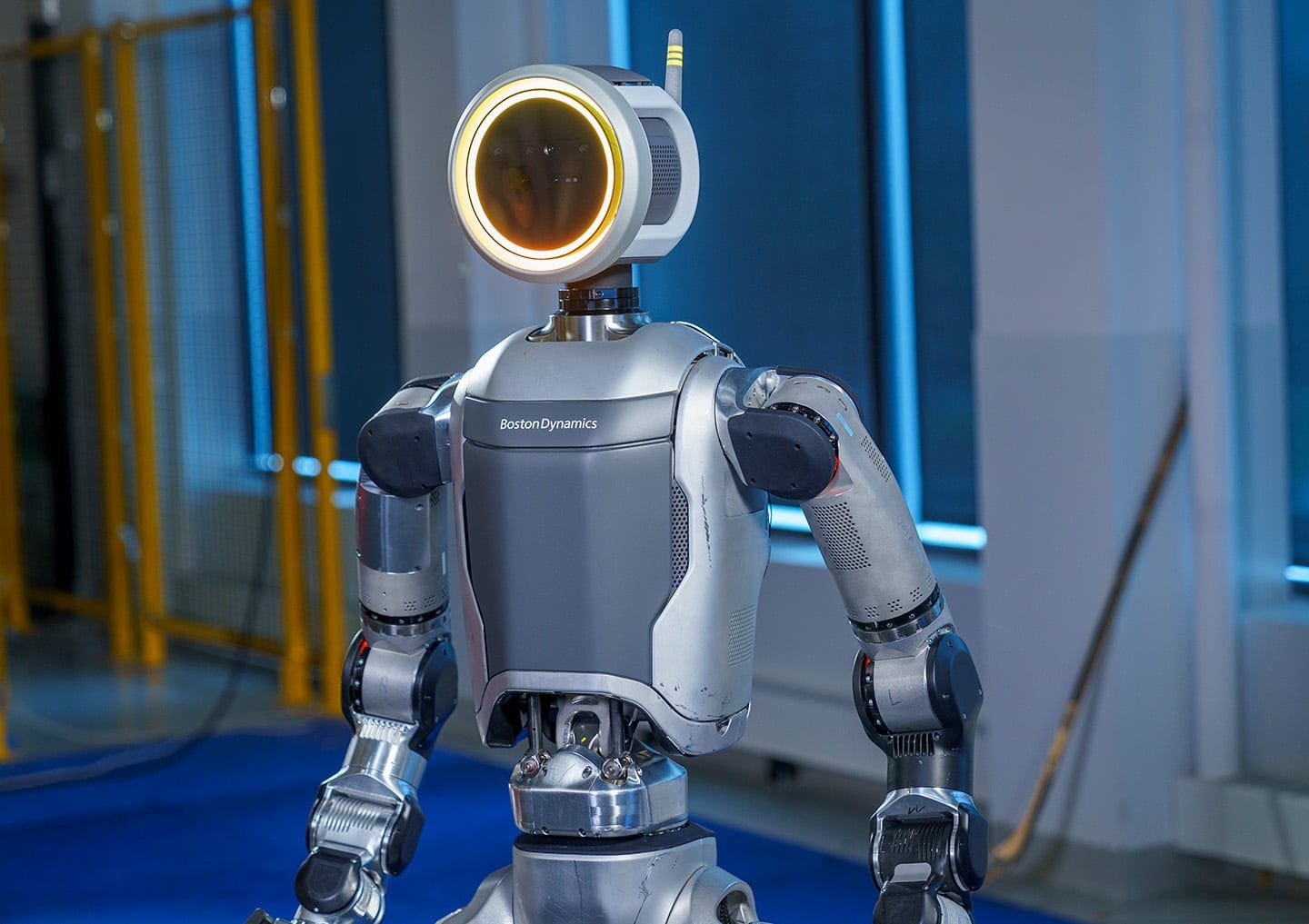
Robots on are the rise. For real this time. Recent rapid advances in AI have been paralleled by massive advancements in the world of robotics, and especially in the development of humanoid robots. Yep, like Terminator, but helpful.
In the latest update from Boston Dynamics, we are introduced to the next iteration of their humanoid robot, Electric Atlas.
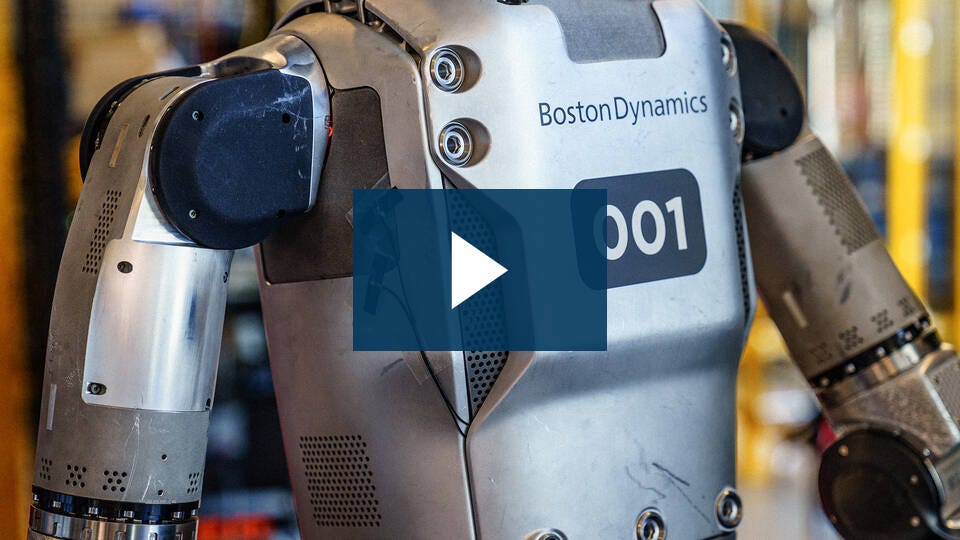
Boston Dynamics isn’t the only group making strides like this. We’ve seen similar launches from Figure (who now has a deal with BMW to supply humanoid factory line workers to the automaker) and Tesla’s Optimus.
The vision is one from sci-fi—a robot in every home. Helping with the handy work. Helping with maintenance and construction. Helping with garden and farm work.
Assuming none of the scary versions of those sci-fi stories come true, I for one look forward to having a helpful and friendly robotic assistant around the house. How about you?
Here are a few of the others worth checking out:
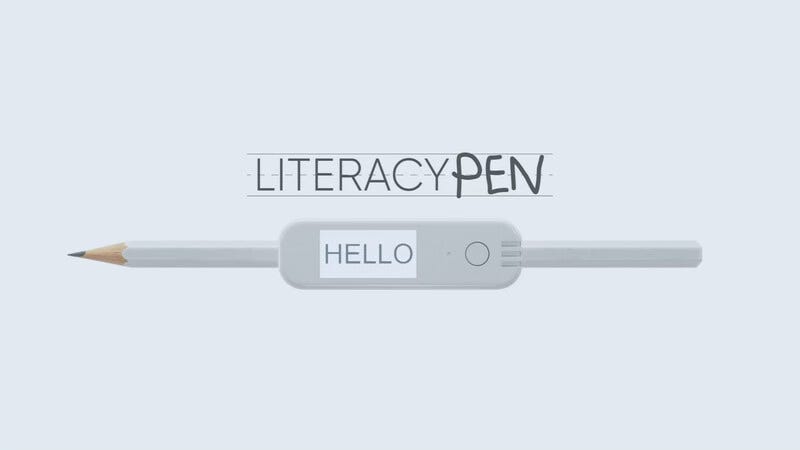
The Monks are at it again. Media Monks in partnership with the World Literacy Foundation announced a new limited-run product called, Literacy Pen. It is a beautifully simple device that combines voice-to-text AI with a minimal visual display to help people learn to read and write by doing it themselves, on their own terms.
It is designed to make 0-to-1 literacy learning easy. Learning to read and write is a difficult task, and it only gets harder as you get older. This device makes it easy to start learning to read and write by simply speaking the words that you already know, use and that have real meaning to you. It’s cheap, it doesn’t require internet, anyone can use it, and it’s easy to distribute—making it a thoroughly well designed tool that clearly strikes at the heart of a deeply human challenge, illiteracy.
My only question—why aren’t they making more? According to the announcement the plan is to make 2,000 devices by 2025 and distribute to them 50 schools. A wonderful start to the initiative. But this seems like a tool that could have a lot of positive impact, not only to combat illiteracy, but also just to teach young kids to read and write, and even possibly aid in teaching people new languages.
I’ll be following the project and hope to see it succeed and grow.
That’s a wrap for this “5 Things”—please subscribe if you’d like to see more and feel free to drop me a line on X or LinkedIn.
Comments
Nothing yet. Say the first thing.
Sign in to join the conversation.