
Dear fungal enthusiast,
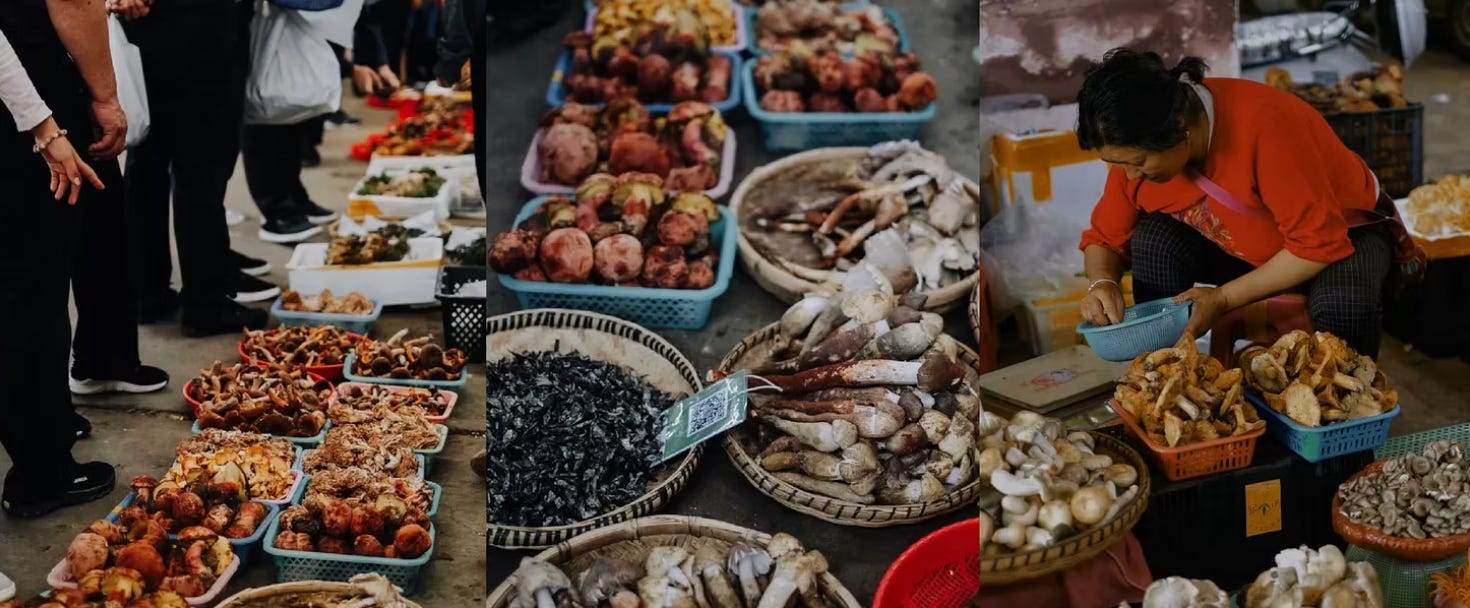
China has long been a quiet powerhouse in the fungi industry, producing over three-quarters of the world’s edible mushrooms, yet the country’s true innovation potential in alternative proteins is accelerating, away from western media.
As food security concerns mount and environmental pressures intensify, a growing number of investors and companies are turning their attention to mycelium and how we produce protein sustainably at scale. This shift represents something genuinely compelling for those tracking the future of food.
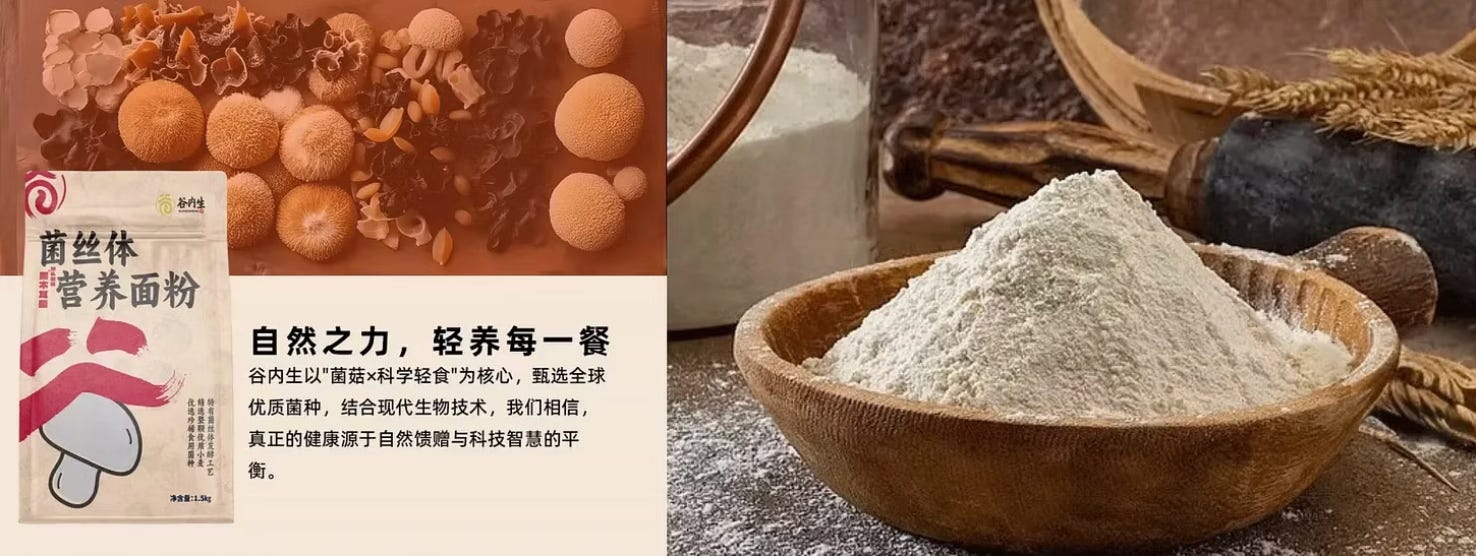
We’re witnessing a convergence of traditional knowledge, China’s 2,000-year history with medicinal fungi, and cutting-edge biotechnology creating a new category of food ingredients. Companies like ZhongGu Junchuang and Fushine Bio are moving beyond simple mushroom cultivation to produce mycoprotein as a scalable, low-impact protein source.
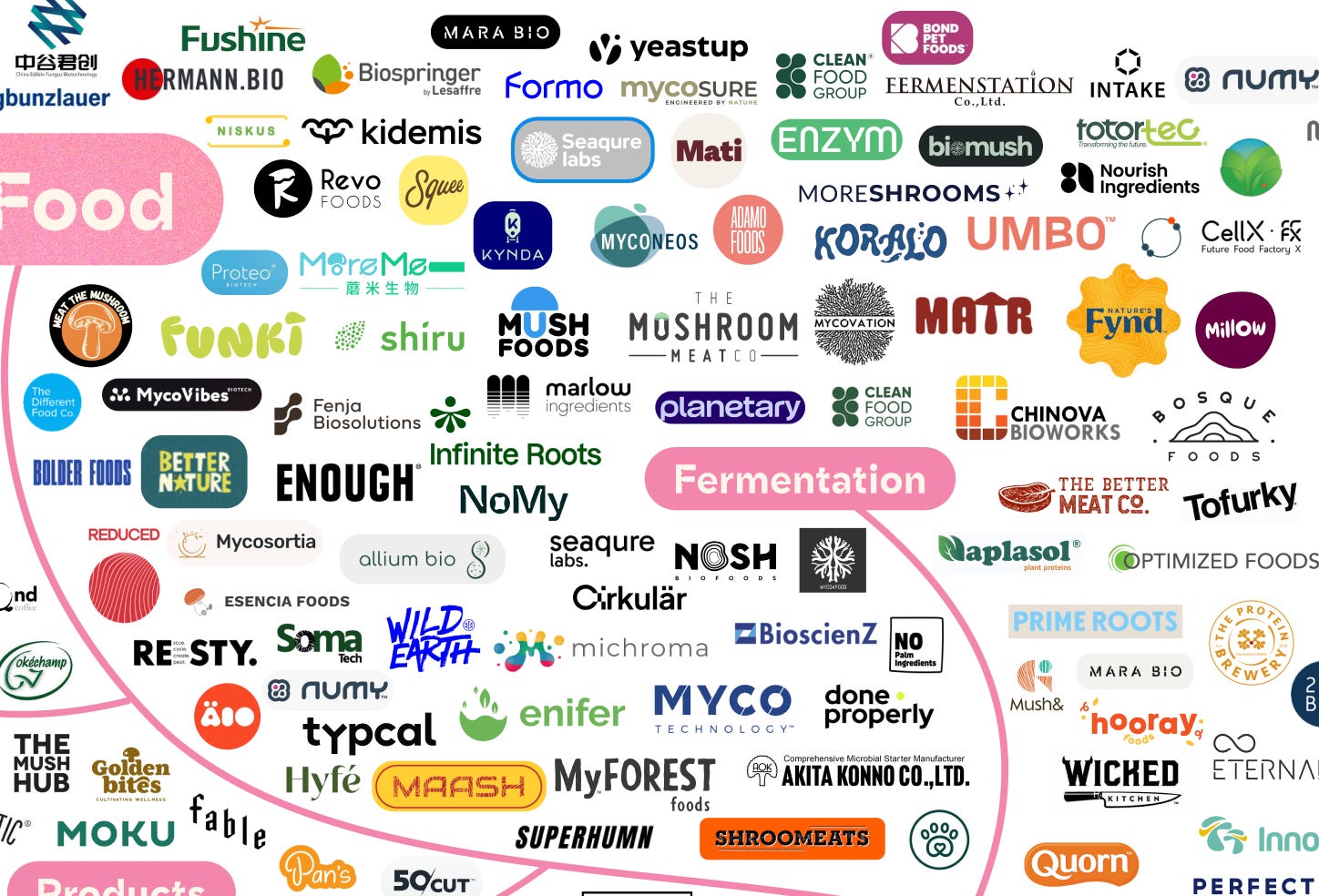
Meanwhile, a flurry of international players are racing to commercialise similar technologies. The investment thesis is compelling: mycelium production uses dramatically less land and water than livestock, can run in stacked fermentation tanks using agricultural waste, and delivers protein with up to 90% lower carbon emissions than beef.
But what does this mean for global food systems, and where are the real opportunities emerging?
Here’s what we discovered through our conversations with DaoFoods, the investment firm at the forefront of this movement.

Researchers at Vrije Universiteit Brussel and shoemakers at La Monnaie/De Munt have unveiled a prototype boot made entirely from mycelium, featuring a load-bearing sole without additional reinforcement. The two-year project involved selecting complementary fungal strains to create both a foam-like sole and leather-like upper, demonstrating how biological materials can meet the structural demands of everyday objects.
⚡️ Learn more here ⚡️
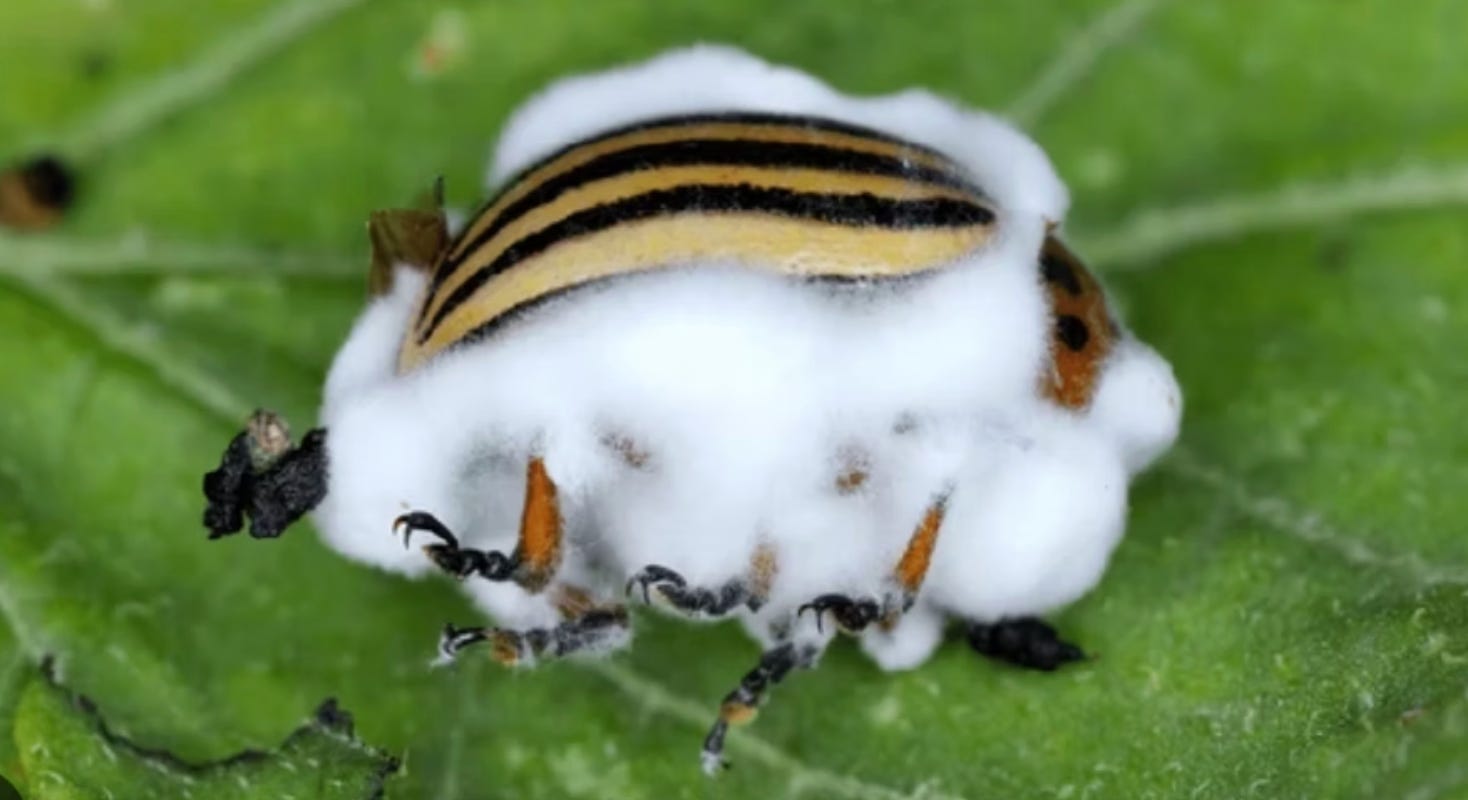
Entomopathogenic fungi—fungi that infect insects—show significant potential as pest control agents, particularly when combined with reduced chemical doses, plant extracts, or nanotechnology. These fungi can also colonize plants as endophytes, triggering long-lasting natural defences against insects. Despite proven laboratory results, fungal pesticides remain only 17% of the global biological pesticide market, constrained by environmental sensitivity and production costs.
⚡️ Learn more here ⚡️
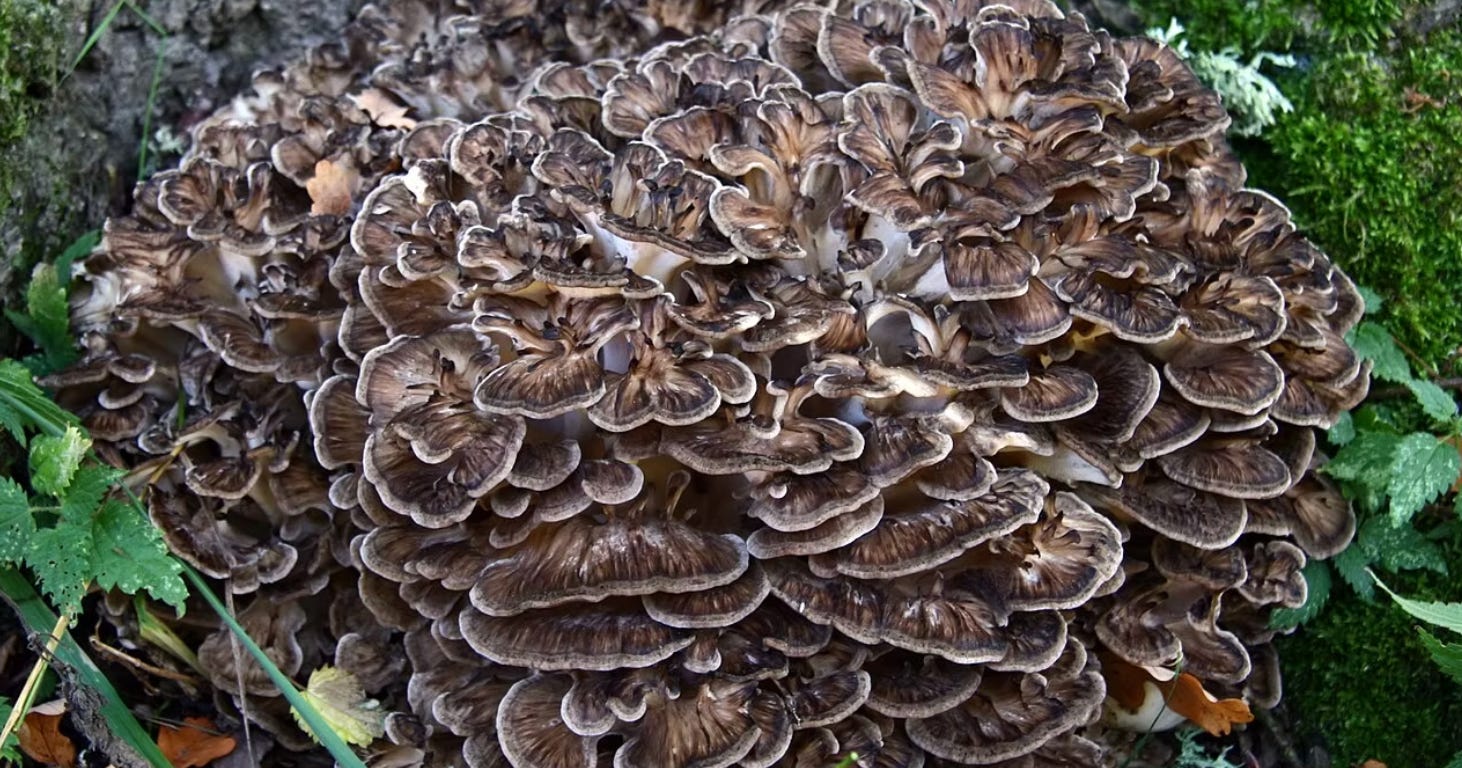
An 18-week controlled trial found that daily consumption of maitake mushrooms significantly improved cognitive scores in healthy older Japanese adults, particularly in memory function. The benefits appear linked to enhanced natural killer cell activity, which may help clear amyloid-beta proteins associated with Alzheimer’s disease, suggesting a novel immune-mediated mechanism for cognitive preservation.
⚡️ Learn more here ⚡️
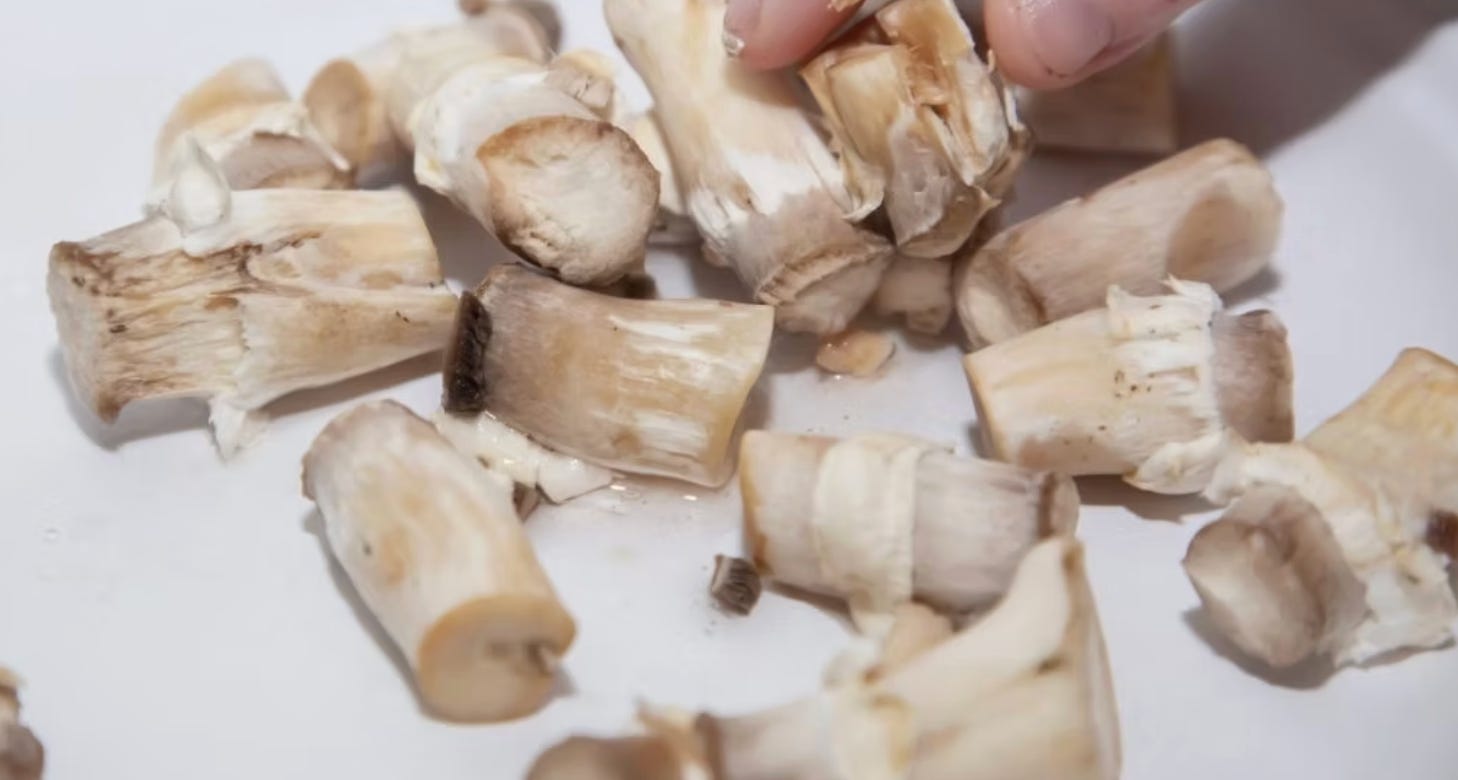
Scientists at Miguel Hernández University have developed a flour from discarded oyster and button mushroom stems that can reduce sodium in bread by up to 97% whilst maintaining protein digestibility. The umami compounds in mushroom stems compensate for lost saltiness, and the flour enriches bread with fibre and minerals, though texture challenges remain with some formulations.
⚡️ Learn more here ⚡️

MycoStories works with founders, investors, industry leaders, and research institutions.
Leveraging a global network of subject-matter experts, MycoStories helps founders scale their business, guides investors and industry leaders in identifying high-potential opportunities, and empower researchers to translate their work into real-world applications.
Don’t hesitate to reach-out. If we can’t help, someone within the community will. ✊🏽
Comments
Nothing yet. Say the first thing.
Sign in to join the conversation.