
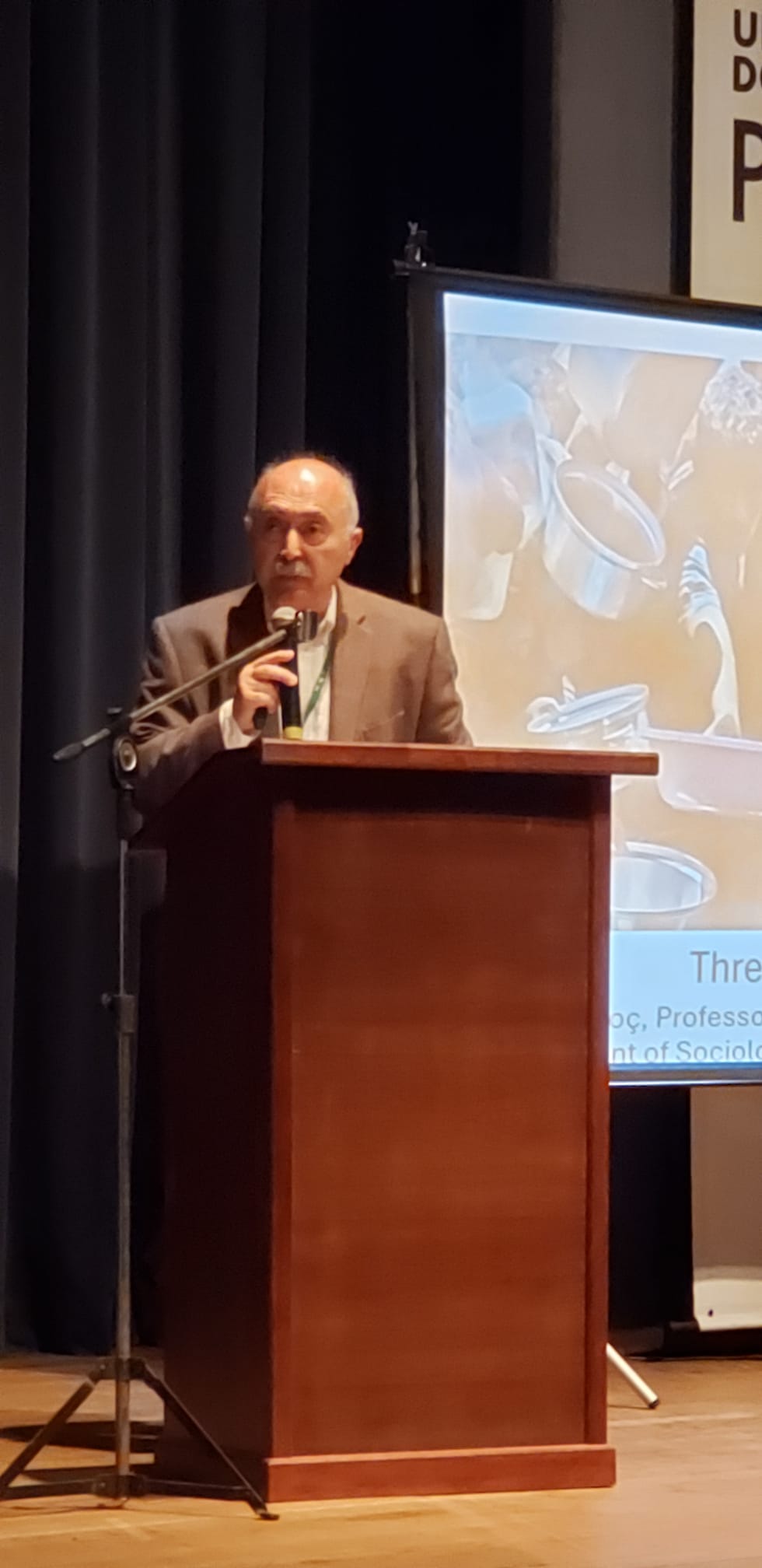
Mustafa Koc speaking in Porto Alegre, July 2026
I was in Porto Alegre, Brazil, in July 2026 to speak at a plenary panel during the World Congress of Rural Sociology. This was a very well-organized event and a marvellous opportunity to hear from various speakers from around the world. For the first time, I also saw a big Chinese delegation attending the IRSA Congress. We had COVID-19-related interruptions after our last face-to-face event at the Toronto Metropolitan University (formerly Ryerson) in 2016. Our planned meeting at Cairns, Australia was cancelled in 2020. The hybrid event in 2022 did not give much chance for interaction. I tried to present my paper from the comfort of my room, wearing a shirt over my pyjama pants at 3:00 am. Porto Alegre meeting was a chance for dialogue that the world needs very much.
July 2026 was my second trip to Porto Alegre. The first time was in 2001 during the World Social Forum (WSF). We had organized a workshop on food security with my colleague Cecilia Rocha. During this visit, we had an exciting surprise. On one of our free nights, we had decided to visit a well-known churrascaria with a group of friends. At the door, we were told that the place was closed for a special event. When one of our friends told them that we were attending the World Social Forum, the organizers invited us in. By then we realized that this was a local event for the Worker’s Party (Partido dos Trabalhadores) and the key speaker was Lula, who became the President of Brazil in 2003 and has been serving his third term since 2023.
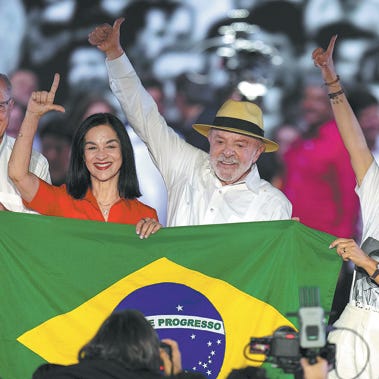
Lula running as the President for a 4th term
At the World Social Forum, we had a much more energetic crowd, hopeful for the future. This was before 9/11, before wars in Afghanistan, Iraq, Libya, Syria, Yemen and Iran, before the Gaza genocide and millions of refugees and displaced people, and before a series of financial crises in 2001, 2007-8, 2020, 22, 24, 26. We were optimistic with the knowledge of an international commitment to food security at the World Food Summit in 1996, La Via Campesina’s call for food sovereignty, and the Millennium Development Goals adopted by the UN, which were showing signs of a collective spirit for change. The protests of the WTO in Seattle (November 30 – December 3, 1999) and against the IMF and the World Bank in Prague (September 27, 2000) were showing a tide of resistance against global capitalism. In this spirit, when the first WSF had invited 4,500 delegates, 20,000 strong had attended. Coinciding with the World Economic Forum in Davos, the WSF was an attempt to show that “another world is possible.” (Read Candido Grzybowski’s reflections on the process here)
In my latest trip, it was winter in Porto Alegre, both in season and in terms of global politics. Our Brazilian hosts were as warm and hospitable as before. But I could not feel the excitement of the World Congress of Rural Sociology we had in Rio in 2000 nor the World Social Forum of 2001. How much difference those 25 years could make.
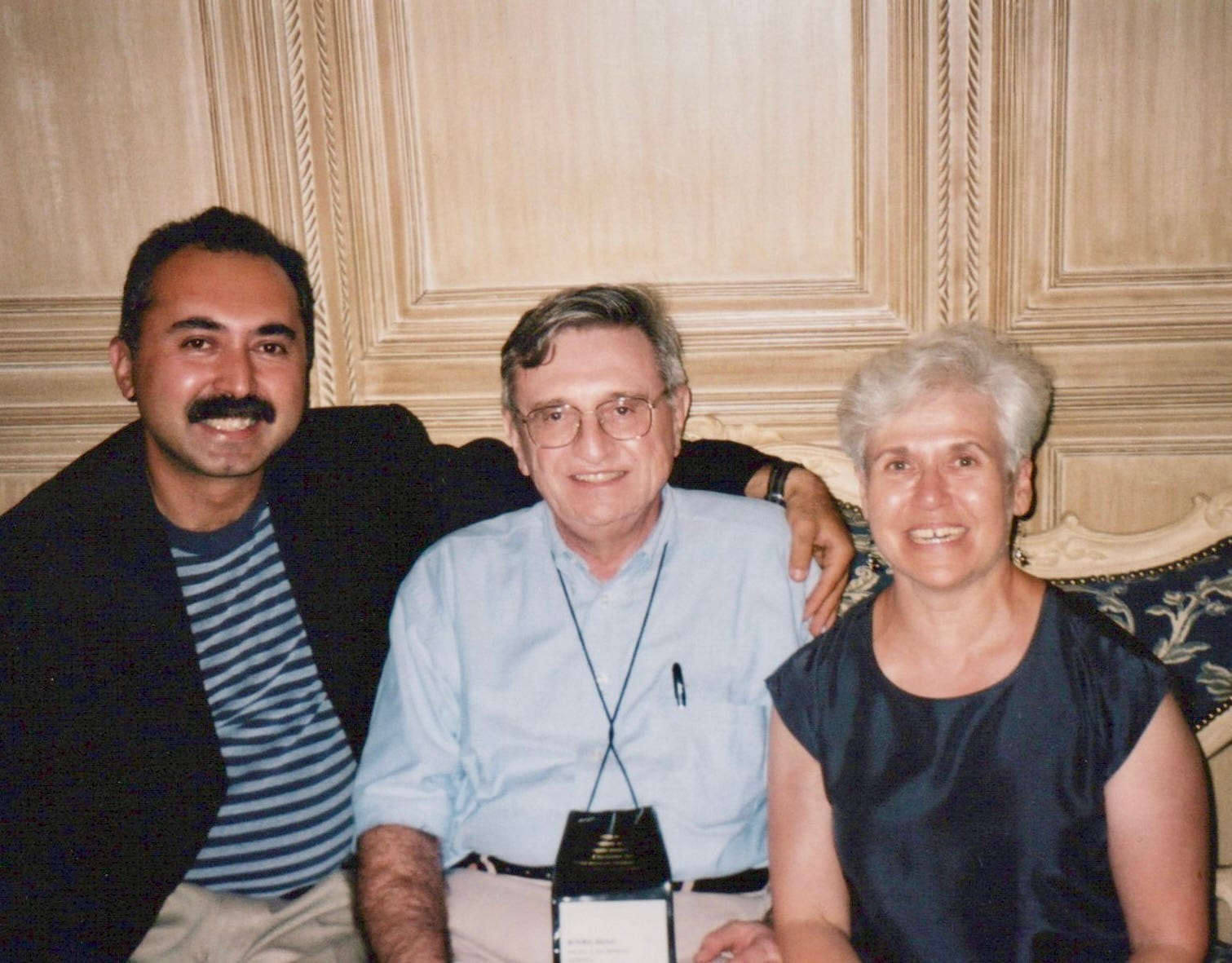
Mustafa Koc with Miguel Murmis and Harriet Friedmann in Rio, August 2000.
Our panel at the IRSA- SOBER was on the consequences of conflicts and uncertainties on food and nutrition security. The first speaker was Fabrice Declerck, from Alliance Bioversity-CIAT, reflecting on the EAT-Lancet Commission report, “the role of science with society” and “planetary boundaries for the Anthropocene.” The final speaker was Lilian Rahal, National Secretary of Food & Nutrition Security at the Brazilian Ministry of Social Development. She spoke about the importance of the state’s political commitment to progress in food security, giving examples from Brazil.
In my presentation, I argued that the conflicts and uncertainties in food and nutritional security are due to the impacts of a series of crises: the crisis of accumulation, the crisis of hegemony and the crisis of legitimacy. Uncertainties, I argued, are typical of crises. Crises are not unexpected events, nor can they be reduced to simple market fluctuations or conspiracy theories. Their causes are systemic and structural. A food crisis occurs when rates of acute food insecurity and malnutrition rise sharply at the local or national level due to the failure of structural and institutional mechanisms for food provisioning. Poverty, lack of access to means of production, economic and financial downturns, extreme weather events, natural disasters, conflicts, epidemics, drought, famine, and disruptions to global and regional supply chains are among the causes of a food crisis. Social inequalities compound this situation by preventing the poor and the oppressed from accessing basic life necessities — food, housing, health, education, transportation — before any crisis hits. A food crisis does not create this vulnerability; it exposes and deepens one that already exists.
Crises are not new to capitalist economies. We remember the devastation of the Great Depression of 1929 and the oil and financial crises of 1973–74. Often, the solutions adopted in response would be identified as the source of a new crisis. The New Deal and the welfare state model were responses to the Great Depression. Neoliberal globalism emerged to deal with the crisis of the welfare state and the Fordist accumulation regime. And today, we are dealing with the crisis of neoliberal globalism.
The crisis of hegemony, I claimed, is due to global competition among powerful states for global hegemony, reflecting the crisis of Pax Americana. Many of the wars and armed conflicts we have experienced in recent decades reflect the struggles among the US, Europe and BRICKS+, especially China. The chaos resulting from this environment of double standards and hyper-imperialism has destroyed people’s trust in international organizations, the legal system, the rules-based international order, the hope for a better world, democracy, and peace.
A similar crisis is experienced by the industrial food system. It has been unable to meet Sustainable Development Goals, suffering the impacts of dependence on fossil fuels and long supply chains, pollution caused by modern agriculture, livestock, and fisheries enterprises, and causing serious threats to human, animal, and environmental health. While close to a billion people continue to suffer food insecurity, an even bigger number of unemployed, landless, poor, and displaced people live with chronic health problems because of unhealthy diets. Given the potential effects of climate change, armed conflict, inflation, unemployment, financial crisis, and poor global leadership, we may expect global food security conditions to deteriorate further in the coming decades.
The Brazilian political struggles during the military rule and since the early 2000s have shown the importance as well as fragility of democratic institutions for protecting people’s gains for social justice and development. One of Bolsonaro’s first acts on January 1st, 2019, was to terminate CONSEA (National Council for Food and Nutritional Security) when he took office. In the coming months, most of the food security infrastructure, such as the Ministry of Social Development and Fight Against Hunger (MDS), was dismantled, and the Food Acquisition Program (PAA) and Bolsa Familia experienced structural changes and funding cuts. There has been a brief period of recovery during Lula’s third term since 2023. The next elections will be this Fall. We will see if the recent tide of election wins by conservative politicians in Chile, Bolivia, Honduras, Peru, Costa Rica and Colombia will also repeat in Brazil.
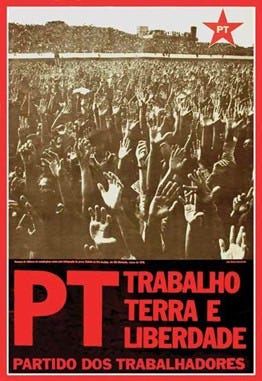
The World Social Report 2025 sounded an alarm about the global social crisis, arguing that “a rising tide of insecurity, inequality, and distrust is fracturing communities worldwide and eroding the foundations of global stability.” The report warned that trust in institutions has declined to alarming levels, with more than half of the global population having little confidence in their governments or in one another, “indicating systemic breakdown in social cohesion.”
In my opinion, this is the biggest danger. This is what I call the legitimacy crisis. As progressive people working for food system reform, if we cannot mobilize people to support programs for social justice, sustainable food systems, and healthy and safe foods for all, and if people have lost their trust in public institutions and the public good, we need to ask ourselves where we went wrong in delivering our message, mobilizing, and organizing. Blaming them for their ignorance is the easy way out.
Around the world, the rise of populist leadership, authoritarian politics and the surveillance state, and curtailment of civil rights and liberties may be the harbinger of a new authoritarianism (fascism?) that does not even bother with the pretence of liberal democracy anymore.
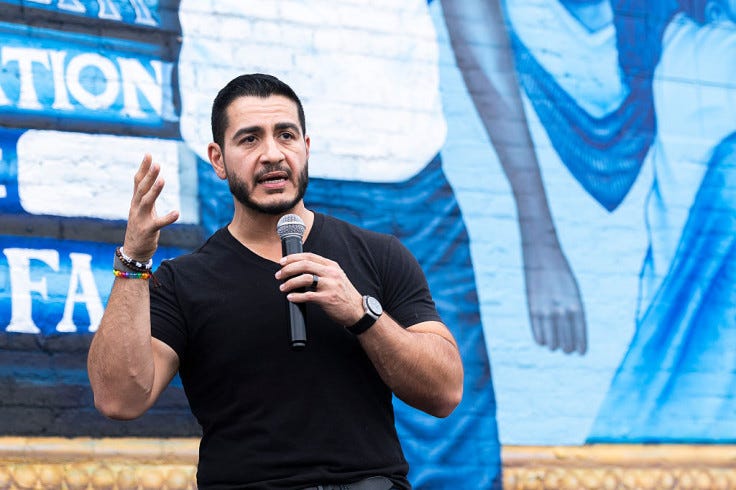
Abdul el-Sayed wins the Michigan Democratic Senate primary
Although crises are often associated with negative outcomes, they can also be periods of change and new beginnings. Abdul el-Sayed’s recent win of the Michigan Democratic Senate primary is showing signs of change even within the empire. His victory is showing the importance of grassroots organizing.
No posts
Comments
Nothing yet. Say the first thing.
Sign in to join the conversation.