
New York earlier this year. I’m in Bungee Space and catch the remnants of a zine festival by makers from the Chinese diaspora. I discover some incredible contemporary art projects including Funa Ye’s work on the Shamate subculture. I spend the best part of an afternoon perched by the Paloma Wool rack looking through the wonders of self-published zines. One of my favourites is a zine disguised as a tape cover design. You open the tape deck and a sweet accordion fold falls out, neatly tucked away snapshots of interstitial moments. The moment kissed lips come apart; the bounce back of a bouncy ball; before the sun ducks down behind dusk.
Rolling forwards a few months and I’m behind my laptop scrolling through the latest offerings from New York Art Book Fair. I come across Superstars Only; a super fun new magazine I simply can’t get my hands on in the UK. I flick through Instagram stories tumbling with self-published works that exist in a culture that I haven’t seen since art school in Glasgow when I used to frequent Glasgow Zine Fest; but on a bustier, scaled up American-trucker sized affair. I think to myself: This kind of self-published zine culture simply does not exist in the UK.
I’m in Waste Store on Hackney Road talking to the beautiful Athen Kardashian about the lack of zine culture in London. She wants to host a zine festival and I encourage her to. I can see her thriving so much in this space. She takes me through some of her favourite zines in Waste Store. It’s a Friday because she only works there on Fridays. The publications are quite expensive; the price to pay for being self-published and stocked these days. Not like the bargain buckets (£1-£3) I used to find.
It’s Sarah’s birthday and we’re celebrating at her house in Loughborough Junction. I’m talking to Louisa of Hate Zine about the lack of congregations zine culture has in London. We speculate on how amazing Off Print could be if it would lower its prices making it more affordable to independent artists sharing their work. Rather than the usual showing of antiquarian, vintage art books going for £100 a pop on average. We talk about the nature of self-publishing. The immediacy of newsletter-style arrangements. The esoteric visual intellectualism that comes with class A book design. How that drives up the market for something that maybe doesn’t need, or shouldn’t be about graphic design. How too much attention to paper choice, point size and dpi can change the aim of a self-published zine. Removing the accessibility of raw immediacy.
I’m reading a reworked draft of something I wrote a couple days ago. I’m unsure why certain words have been moved around. What that adds or whether it was more an editor power play type of move. I think back to an interview with the artist Almudena Romero. She wants the viewer to touch her work to take away the white-wall-washed opulent spectacle of art. It’s important her work feels immediate and real; much like the imperfection of self-publishing.
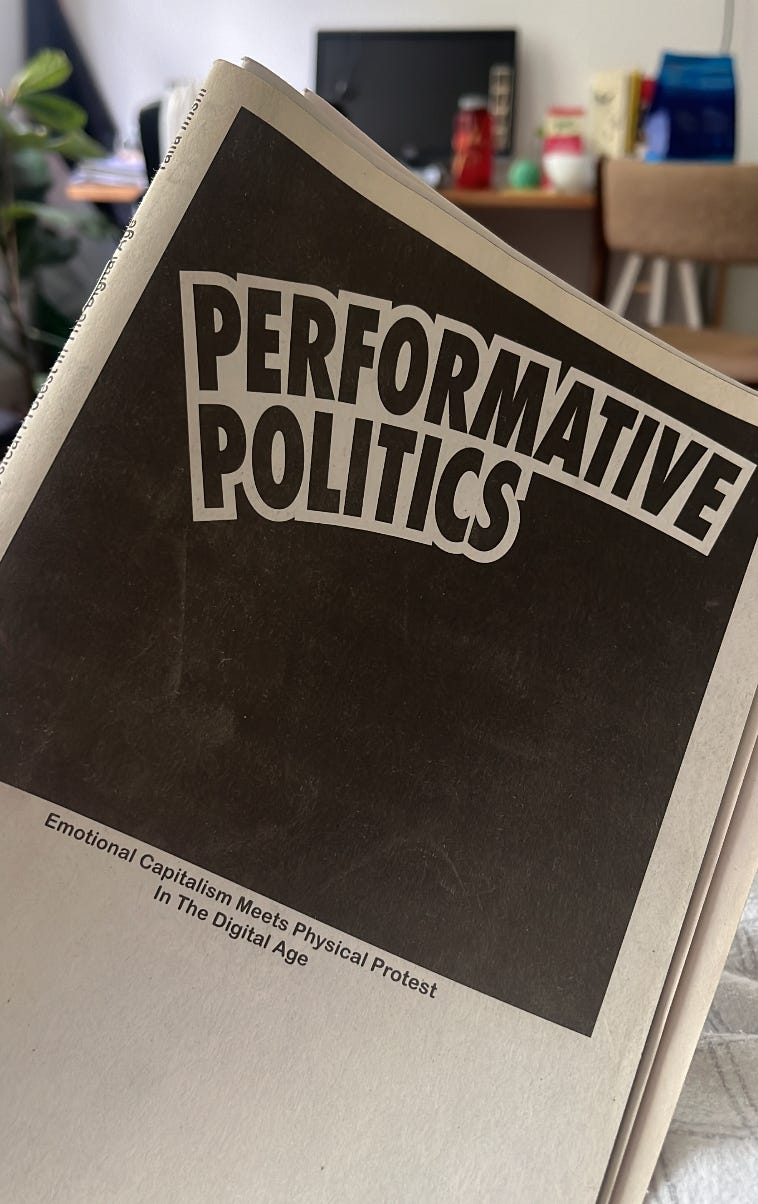
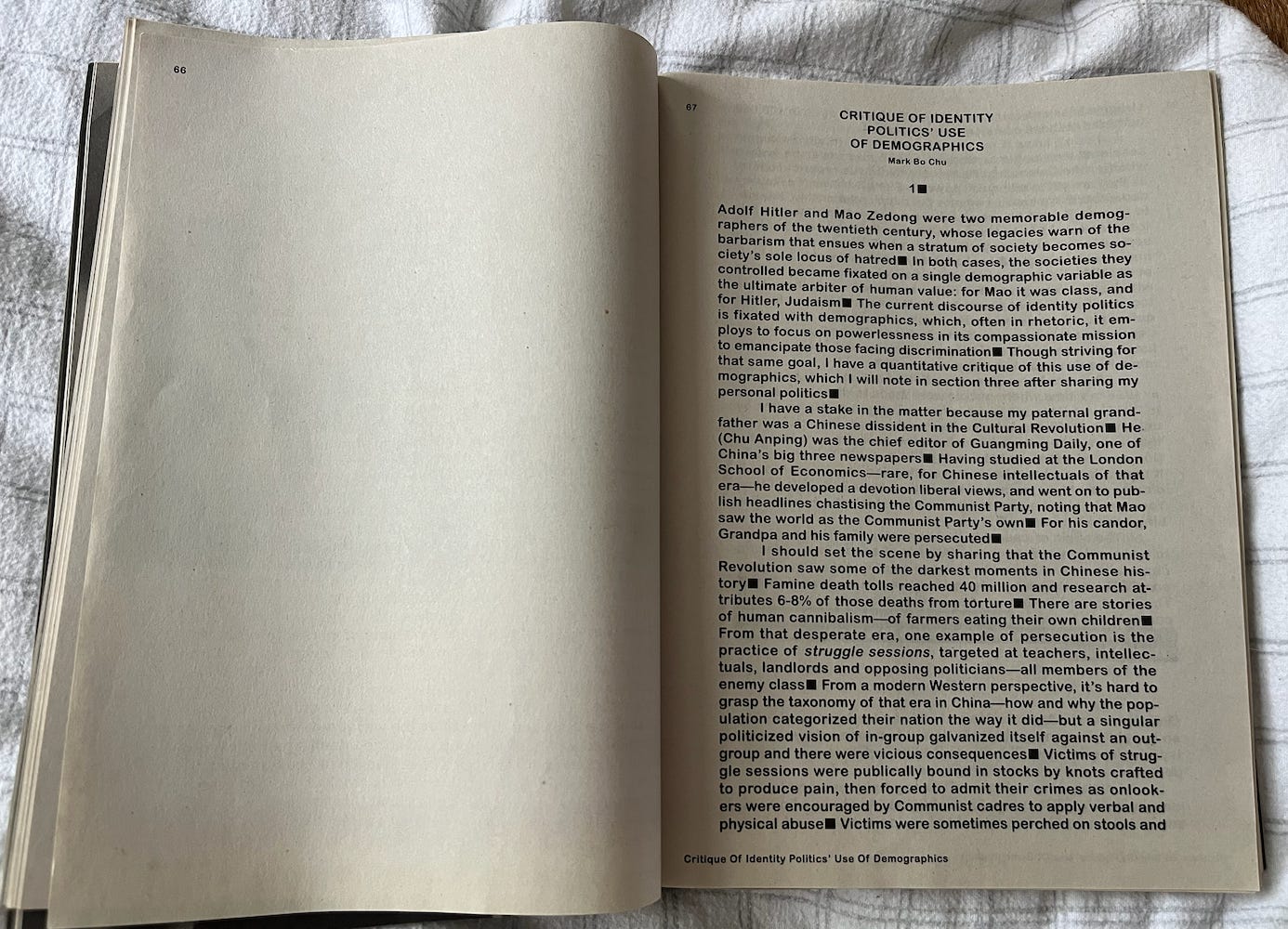
Some significant self-published titles recently:
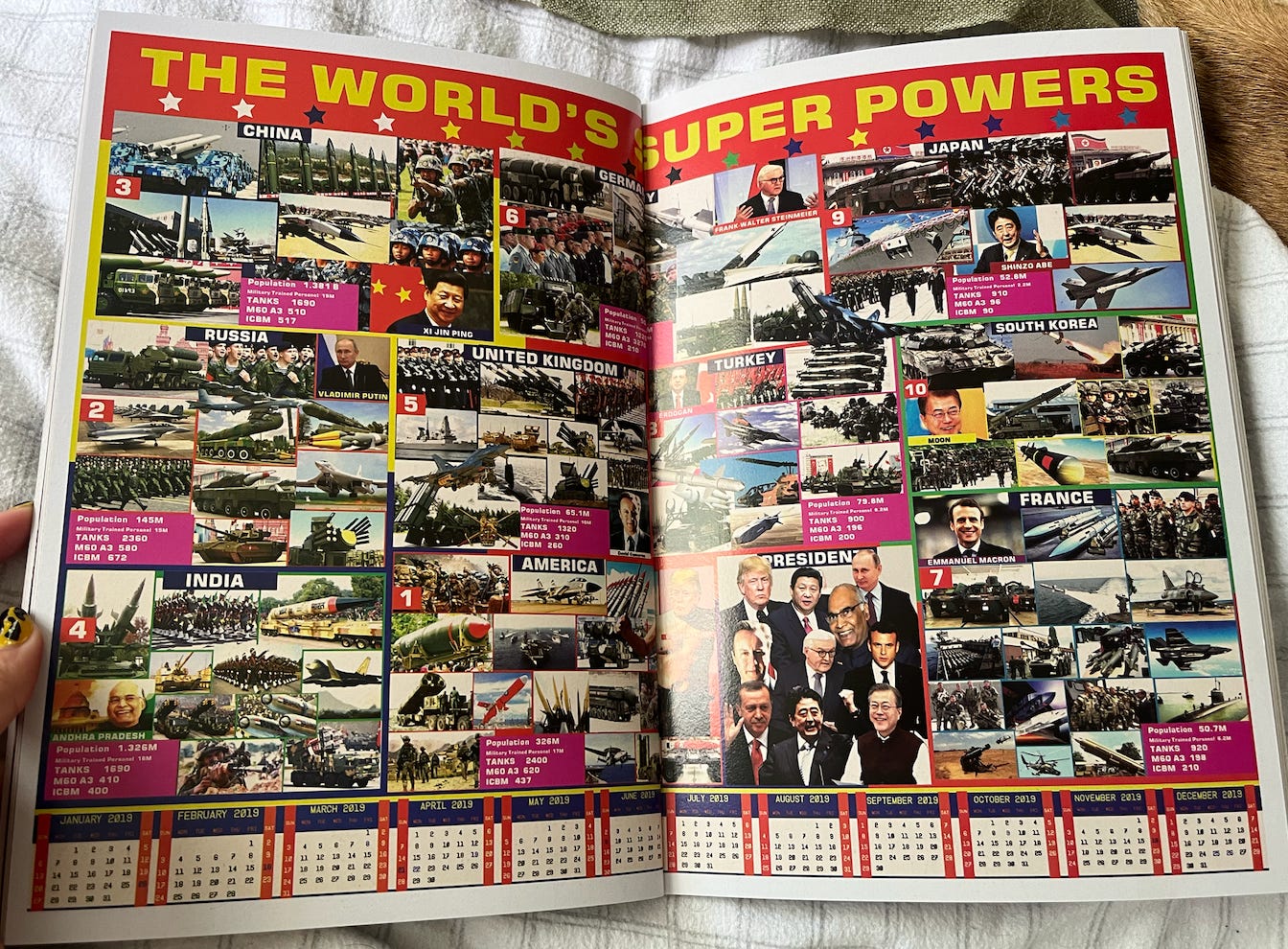
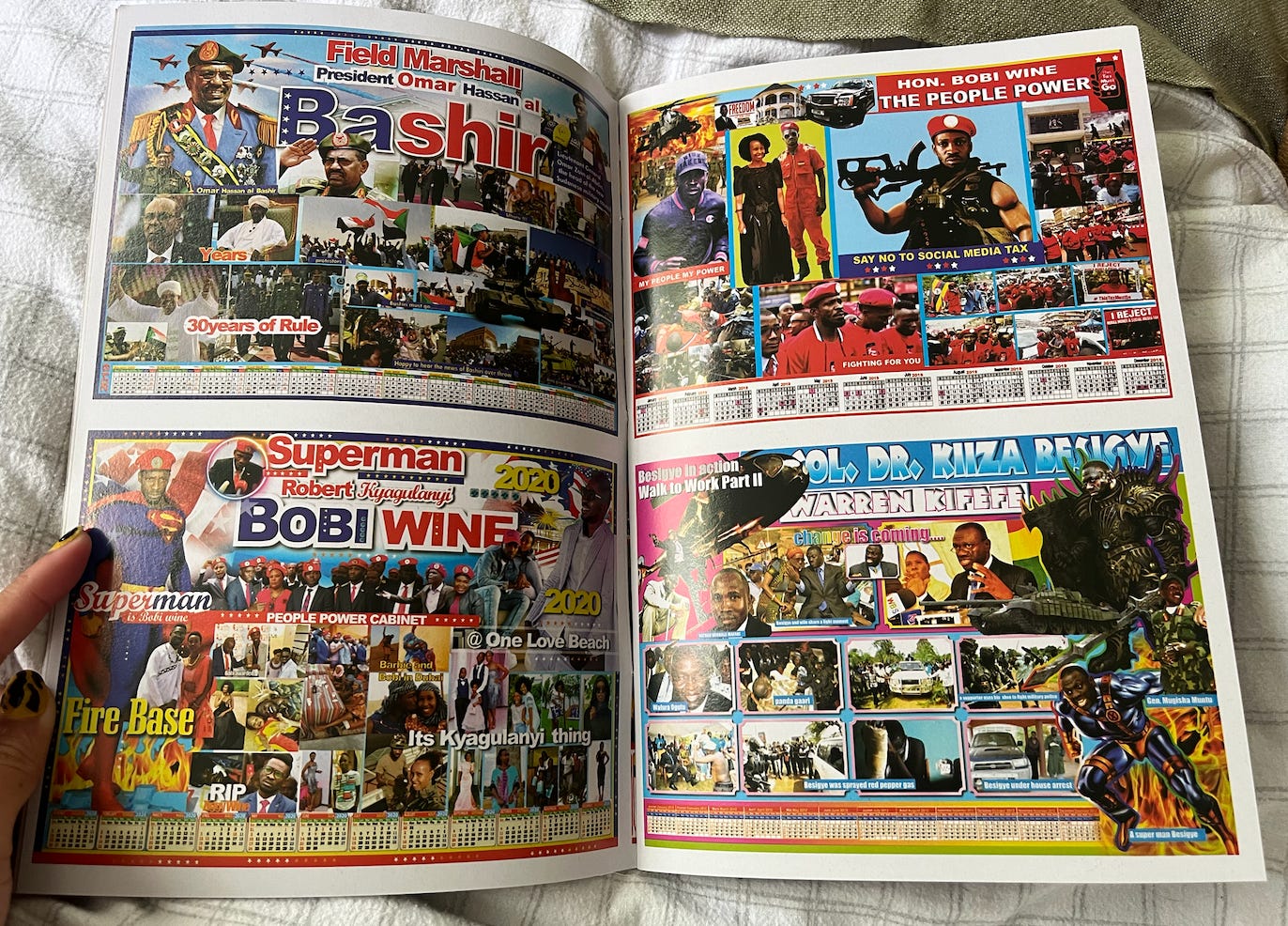
Nasser Road, Kampala: nicknamed Uganda’s Silicon Valley. This street is a mythical place known for its printing trade and as a centre of fraud. From fake identity cards to university degrees, anything can be made and bought here.
This publication draws attention to one of its main products: posters and calendars portraying politicians and well-known personalities as superheroes. Do not be surprised if you see images of Saddam Hussein, Osama Bin Laden or Mohammed Khaddafi transformed into RoboCops, ready for combat. The artworks are both decorative and political, telling the story of the common man’s struggle against the might of Western imperialism, with international villains celebrated as anti-heroes.
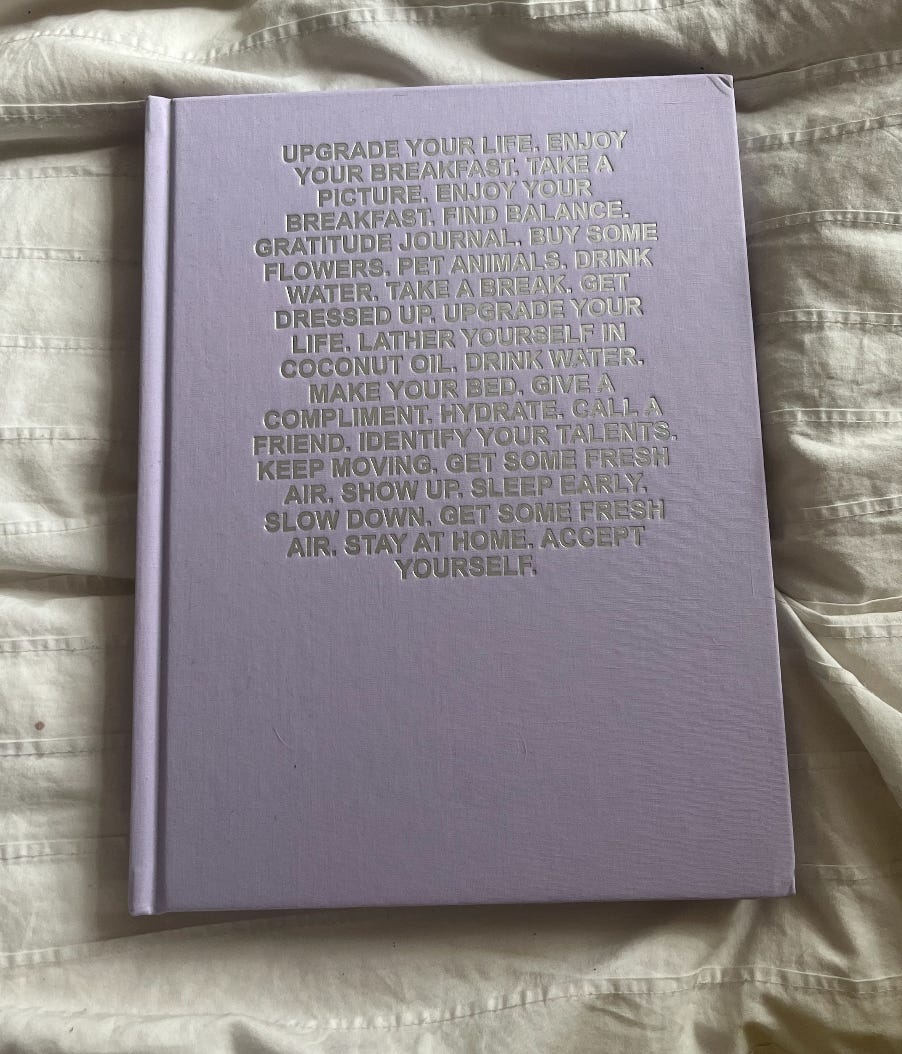
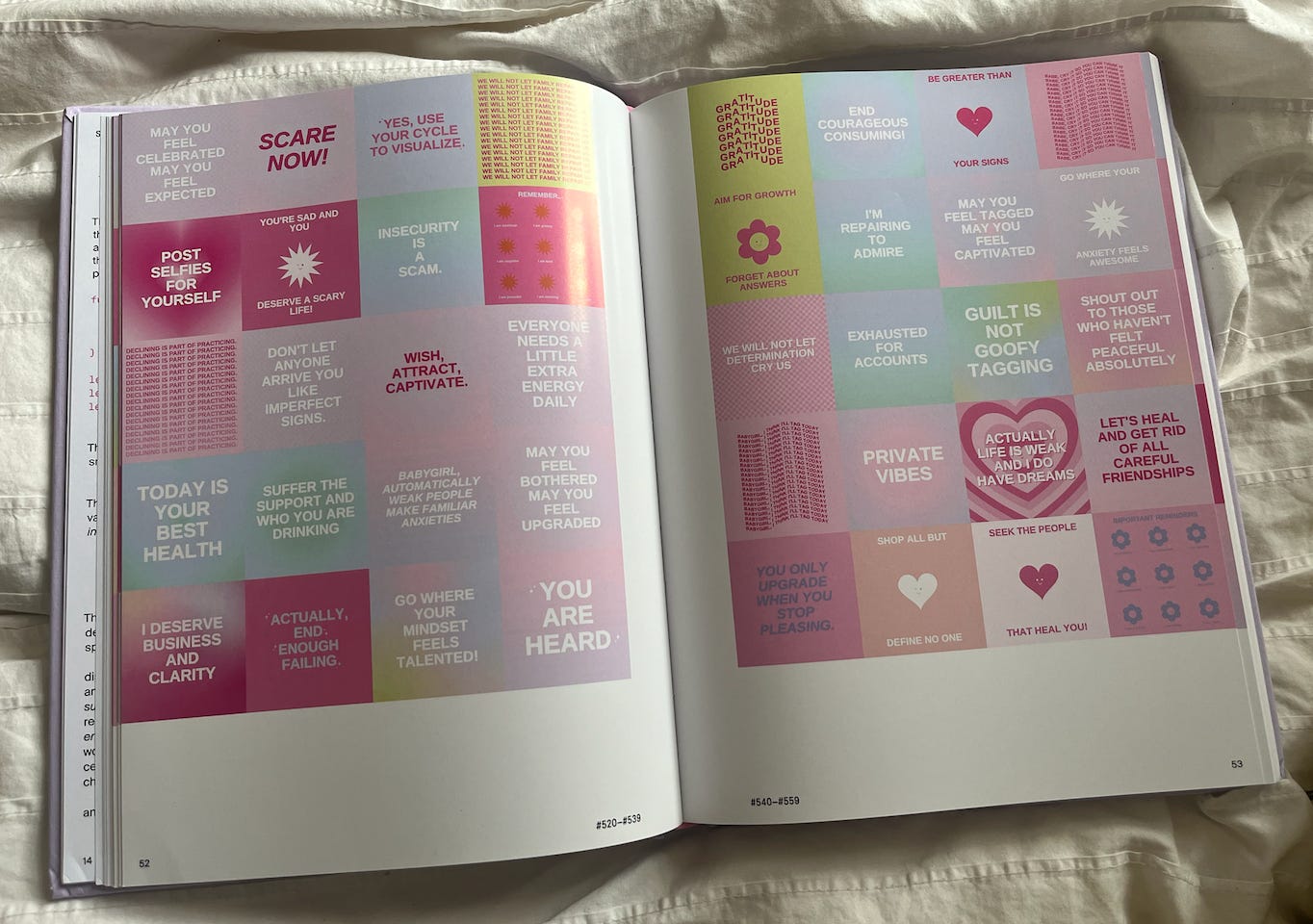
FAKE IT TILL YOU MAKE IT presents the generative art collection of the same name by artist Maya Man. Borrowing from the bubbly language and pastel aesthetics of text-driven instagram graphics, FAKE IT TILL YOU MAKE IT scrutinizes the promotion of wellness, self-care, and confidence on social media. Every image featured in the book was generated with a custom JavaScript-based algorithm written by the artist. The book acts as an ode to the Art Blocks Curated collection, showcasing all 700 editions in glossy detail along with essays, discord logs, poetry written with the output, source code, feature analysis, and a carefully curated selection of large-format spreads. It features contributions from Ann Hirsch, Sofia Garcia, Biz Sherbert, Terry Nguyen and is edited by Adina Glickstein.
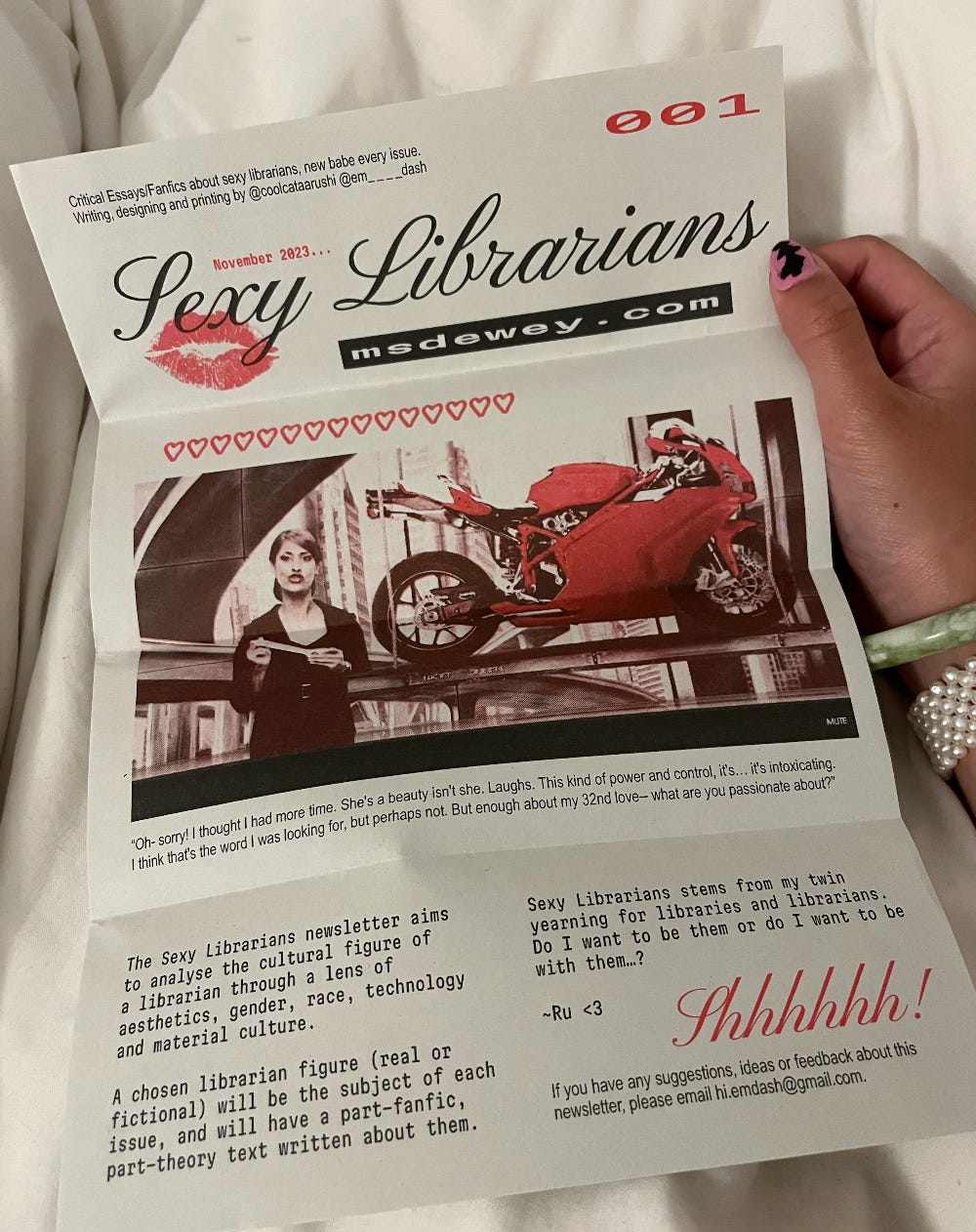
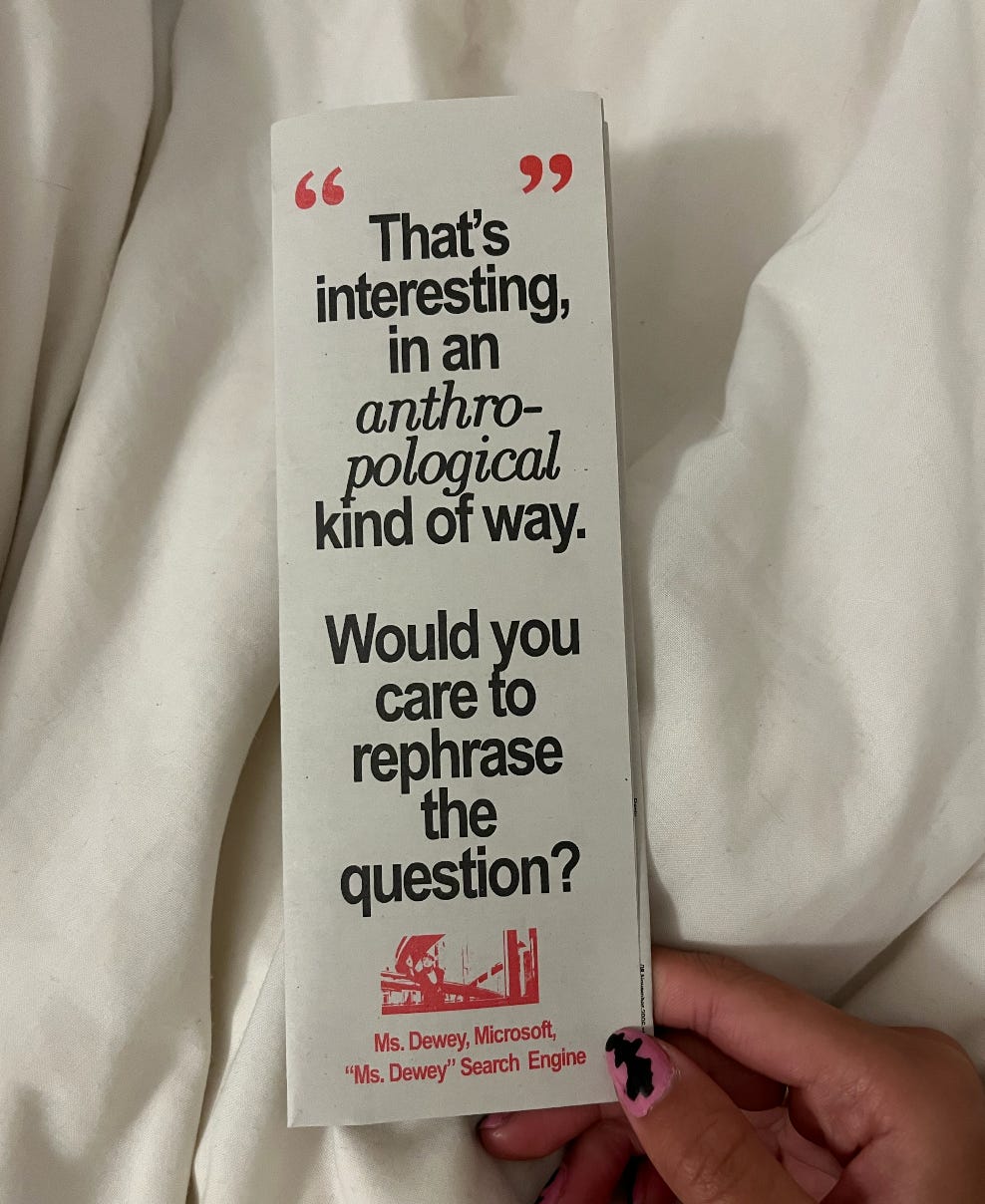
The newsletter aims to analyse the cultural figure of a librarian through a lens of aesthetics, gender, race, technology and material culture. A chosen librarian figure (real or fictional) will be the subject of each issue, and will have a part-fanfic, part-theory text written about them.
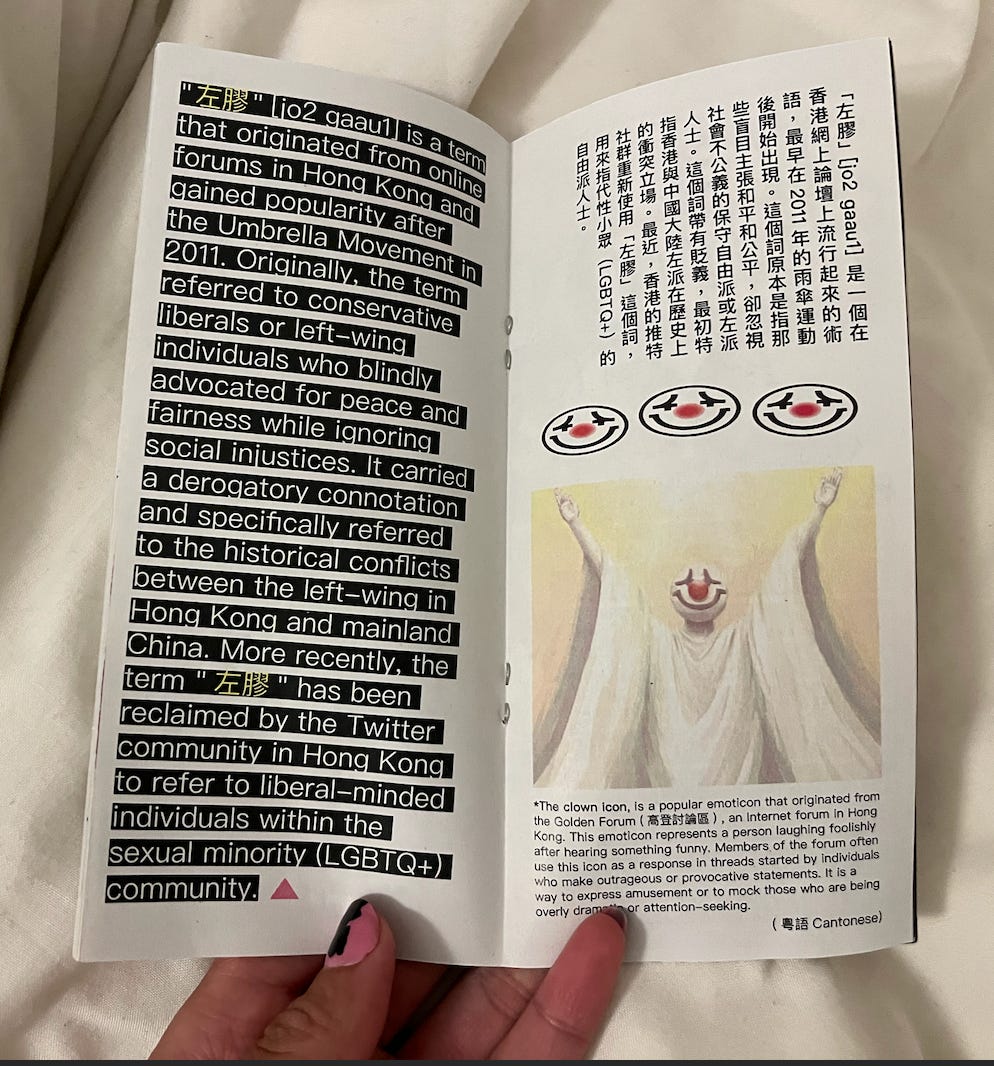
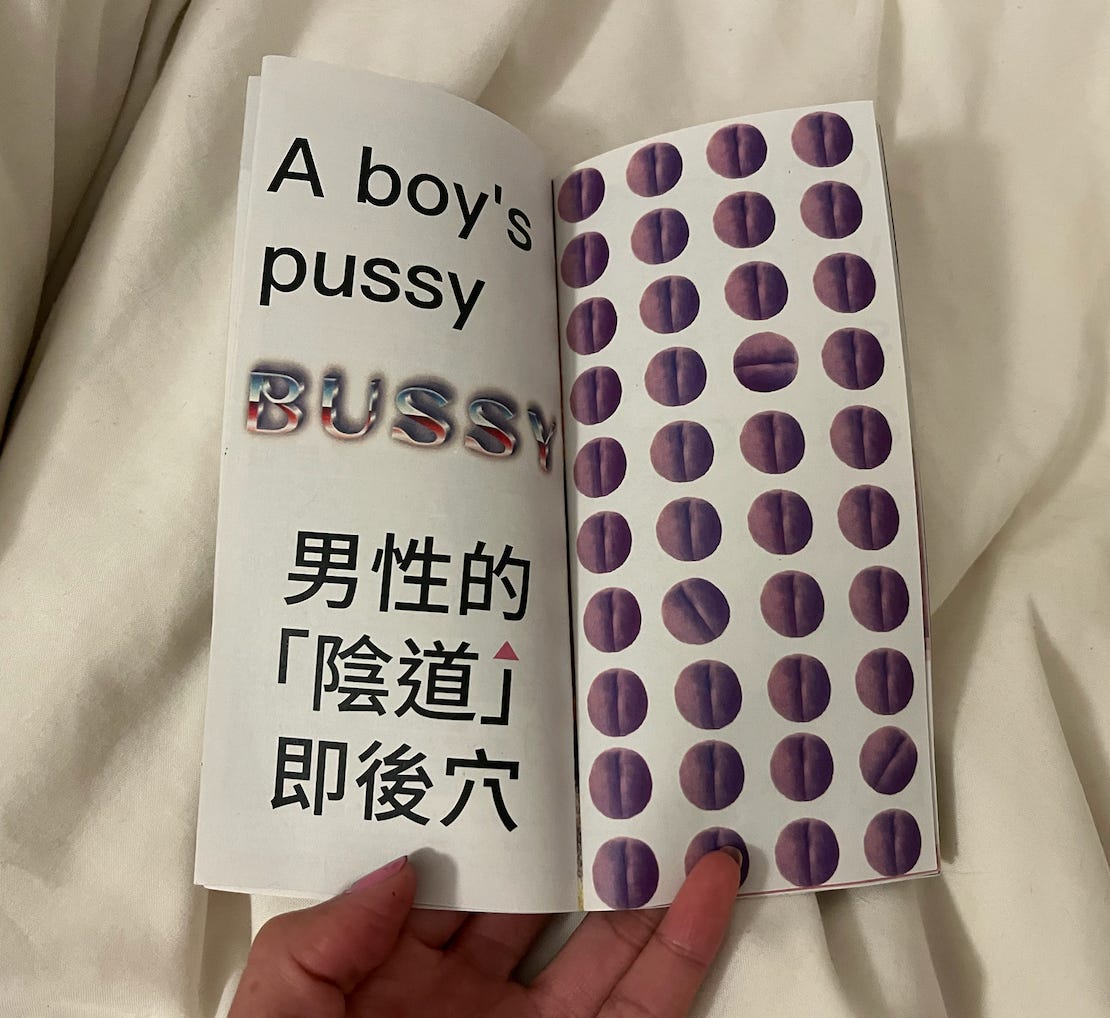
Queer Reads Lexicon is a project started by Queer Reads Library in 2019 to explore queerness in the context of local languages, primarily in Cantonese.
No posts
Comments
Nothing yet. Say the first thing.
Sign in to join the conversation.